Border conflict
This vital corridor has become deadly for truck drivers


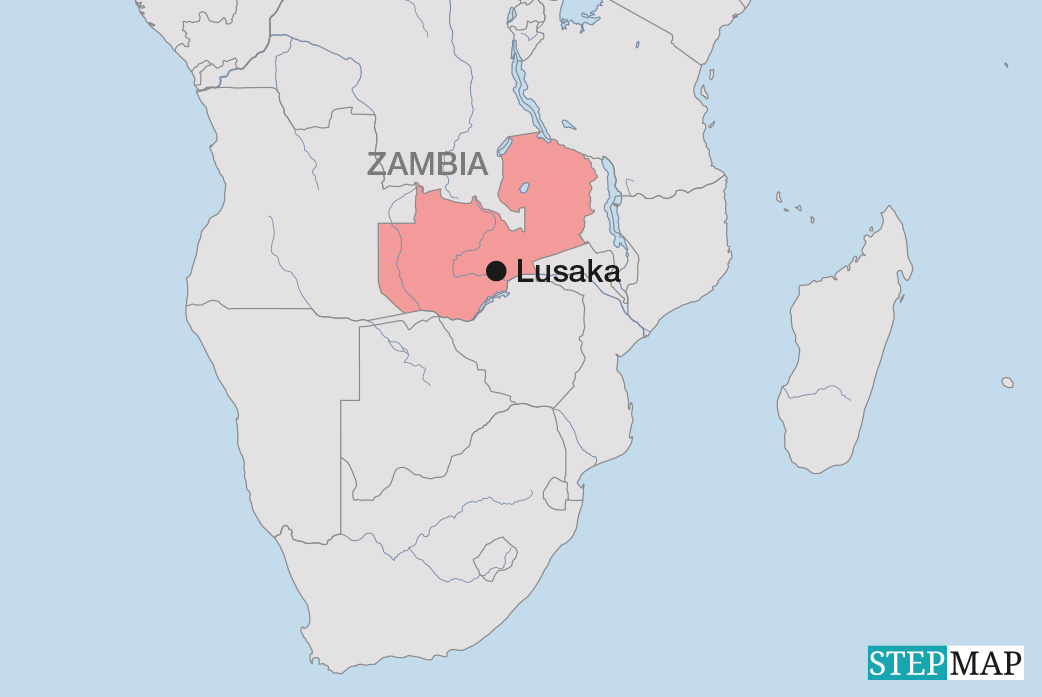
Normally, a huge fleet of trucks loaded with shimmering copper cathodes, sacks of cobalt and other goods destined for the world’s tech giants crosses the border between Zambia and the Democratic Republic of the Congo (DRC). These days, however, Zambian truck drivers and the United Truck Drivers and Allied Workers Union of Zambia (UTDAWUZ) have declared their intent to lobby for a global boycott of routes into the DRC due to ongoing brutal attacks on foreign truck drivers. “We urge our regional colleagues to prepare for a total boycott of DRC-bound cargo until safety benchmarks are met,” Union President Givans Moonga says.
“We are not always safe crossing into the Democratic Republic of the Congo because foreign truck drivers get killed like flies,” says Milton Kaluba, a Zambian truck driver who now only drives the route across the border with a queasy feeling. “Actually, authorities from both Zambia and Congo should protect our lives,” he says in an excited voice.
“Our drivers are being killed while the world watches”
The border at Kasumbalesa is Zambia’s main trade route into the DRC, a multi-million-dollar trade border linking the Southern African Development Community (SADC) with the DRC and serving as an important transit point for goods to and from southern African countries such as Zimbabwe, Botswana, Namibia and beyond. “We have called on the governments of Zambia and the DRC to consider establishing a dry transit port so that foreign truck drivers can unload on the Zambian side at Kasumbalesa and our Congolese colleagues can load cargo from there and take it to their country,” Moonga says.
“Our drivers are being killed while the world watches,” he adds. “We are no longer asking for safety; we are demanding it. If the DRC authorities cannot secure our corridors, then those corridors must remain empty.” The call comes amid recent reports of four drivers missing, with their trucks and goods seized at various locations within the DRC. Moonga emphasises that the boycott aims to protect Zambian drivers, because the Congolese government has failed to provide necessary security measures. “The global boycott should be implemented until a lasting solution is found to address the drivers’ safety concerns,” Moonga adds.
The Union demands immediate security guarantees, visible and effective protection for all transport workers within DRC borders, accountability, full investigations and prosecution of those responsible for the recent killings and robberies of drivers. “We as a union stand ready to coordinate with regional partners to ensure that no other life is lost to ‘silent diplomacy’,” Moonga says.
The Zambia Revenue Authority (ZRA) relies heavily on border crossings such as Kasumbalesa for customs duties, which are also an important economic lifeline for southern African countries. That is why, in the meantime, Zambia’s Minister of Commerce, Trade and Industry, Chipoka Mulenga, has stated that the government understands the plight of the affected truck drivers and is working to improve the difficult conditions they face in the DRC. It remains to be seen what this means in concrete terms and whether there will actually be an improvement.
Derrick Silimina is a freelance journalist based in Lusaka, Zambia.
derricksilimina@gmail.com