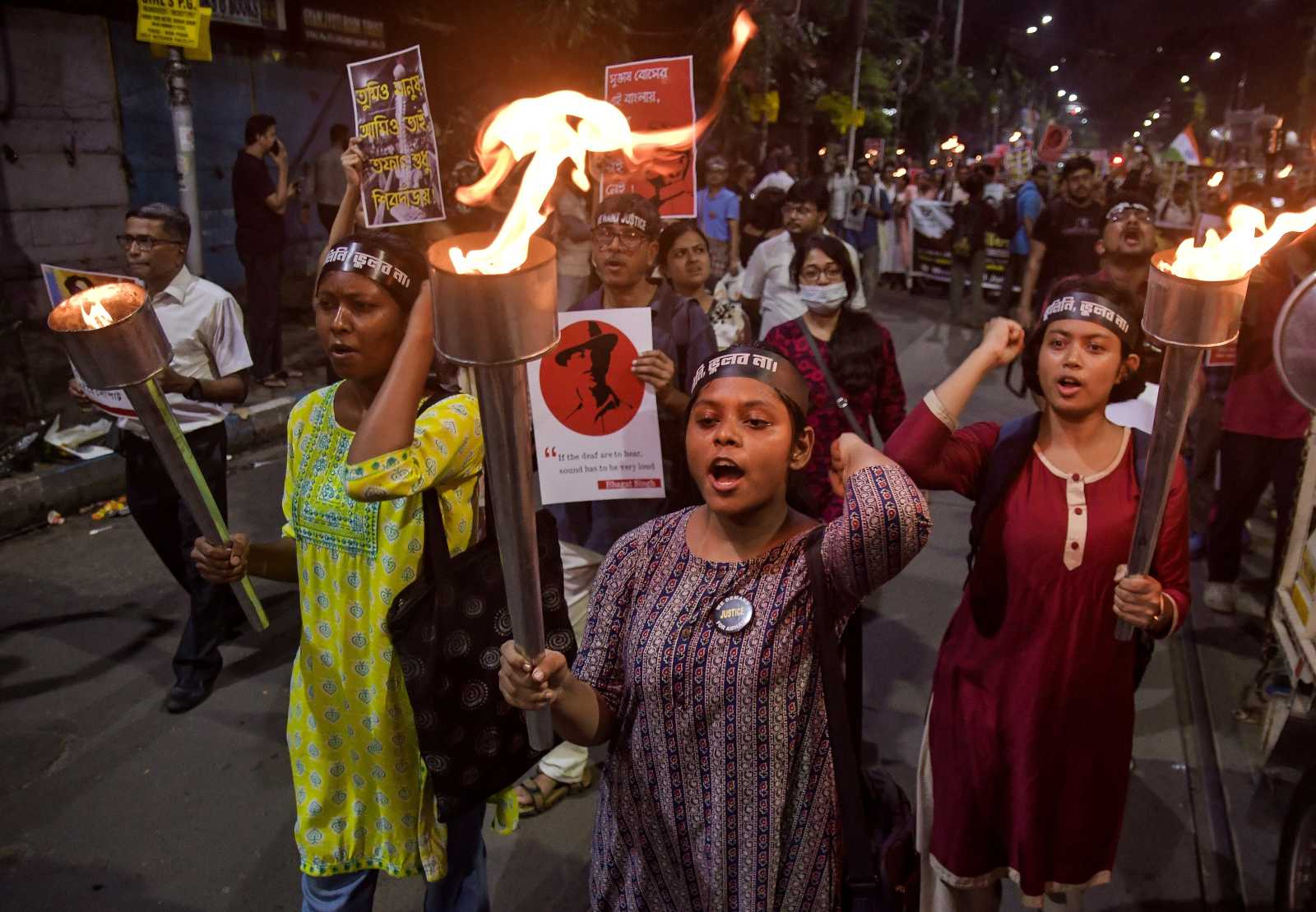
From crowd-mapping data to AI surveillance, technology-based security tools are on the rise in Indian cities with the increasing presence of women. But real change depends on redesigning public spaces for women and challenging gender norms.
What makes a city liveable? Many of the problems faced by Nairobi – and the ways they are being tackled – are typical of big cities in the Global South.
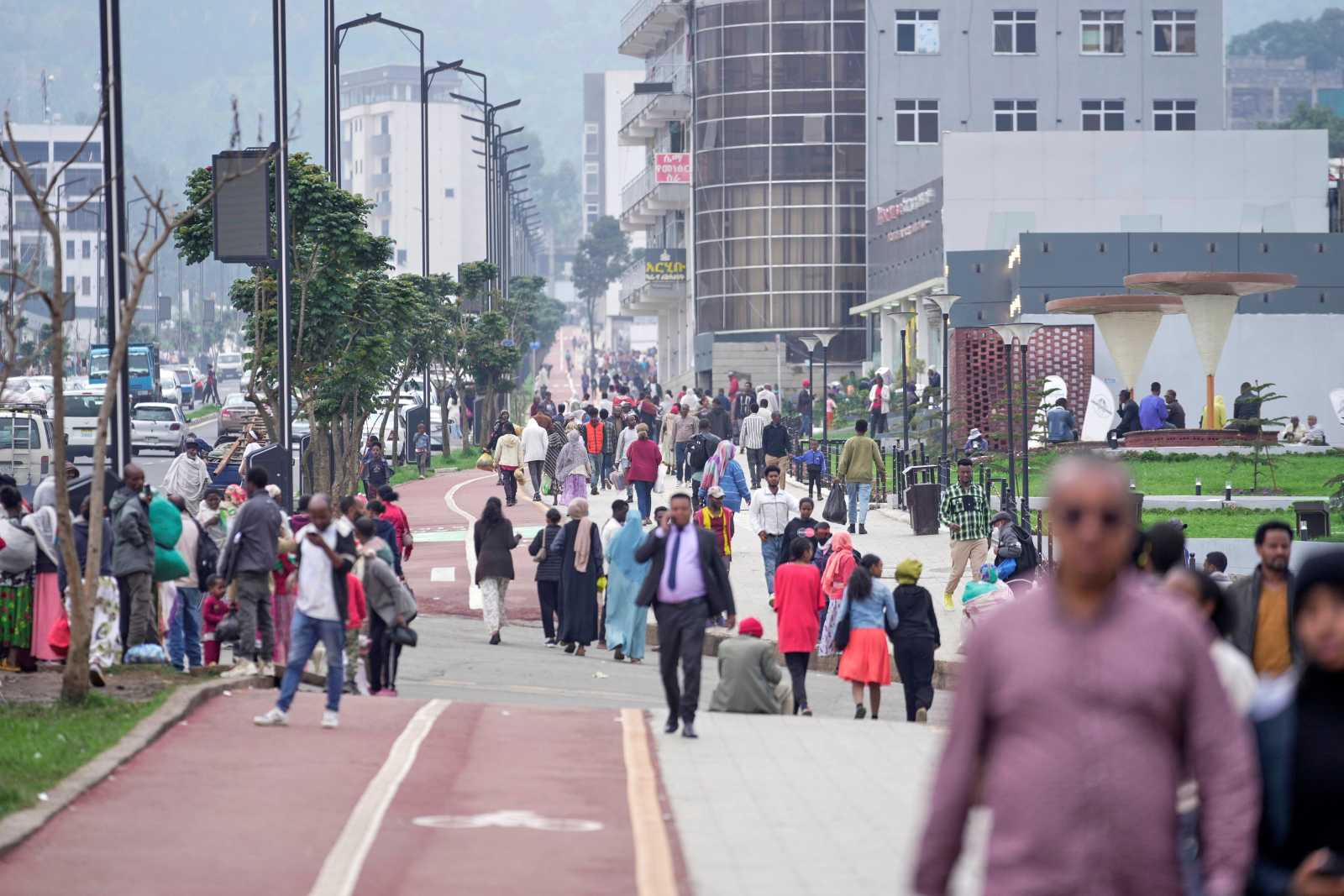
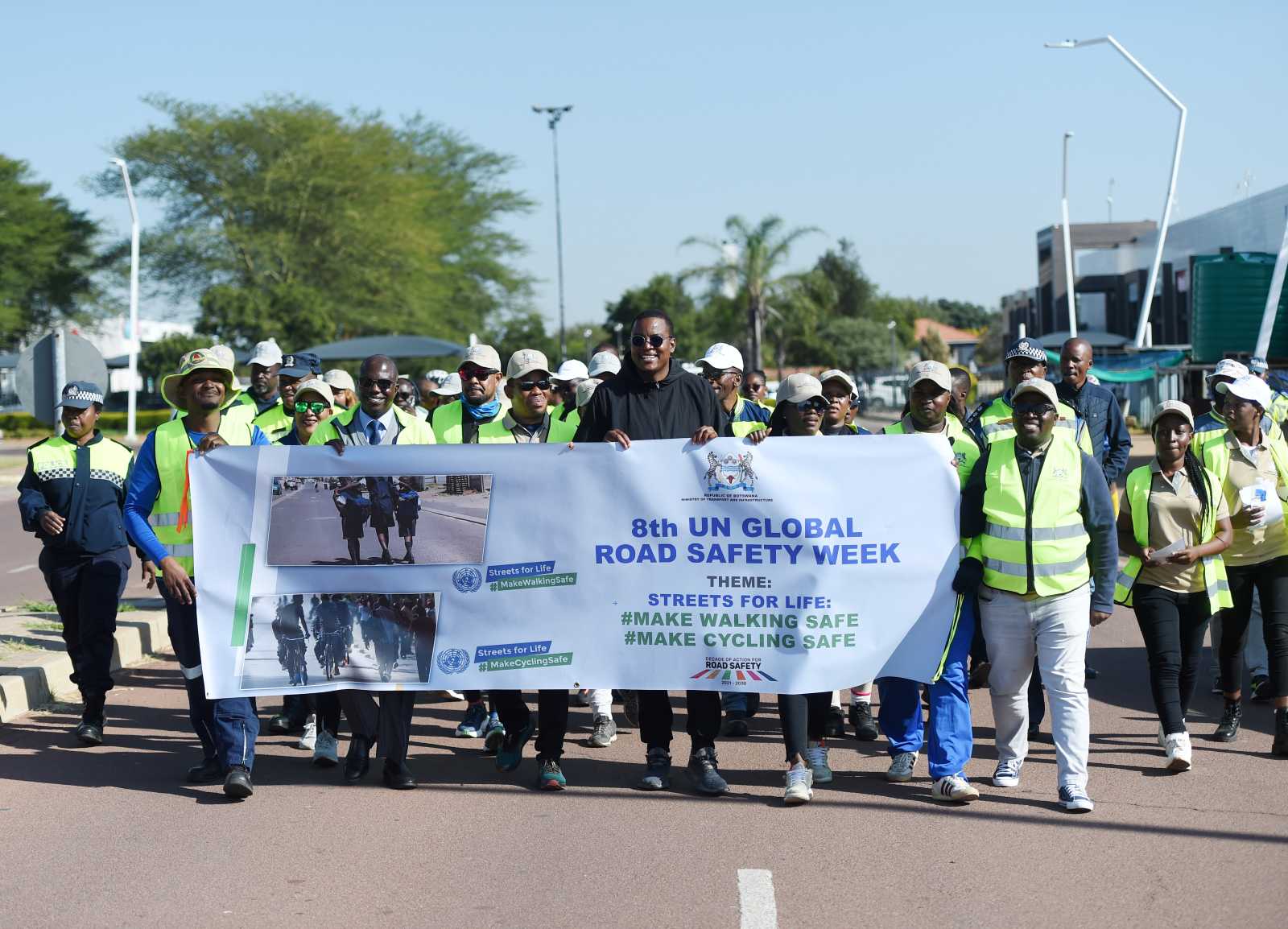
Addis Ababa is a prime example of how a city can change when walking and cycling are taken seriously. Over the past few years, the capital of Ethiopia has invested heavily in non-motorised transport as part of its wider urban transformation.
Walking and cycling are the most affordable, climate friendly and inclusive ways to move through cities, yet they remain undervalued. As motorisation rates rise across the globe, the need to protect and expand active mobility has never been greater.
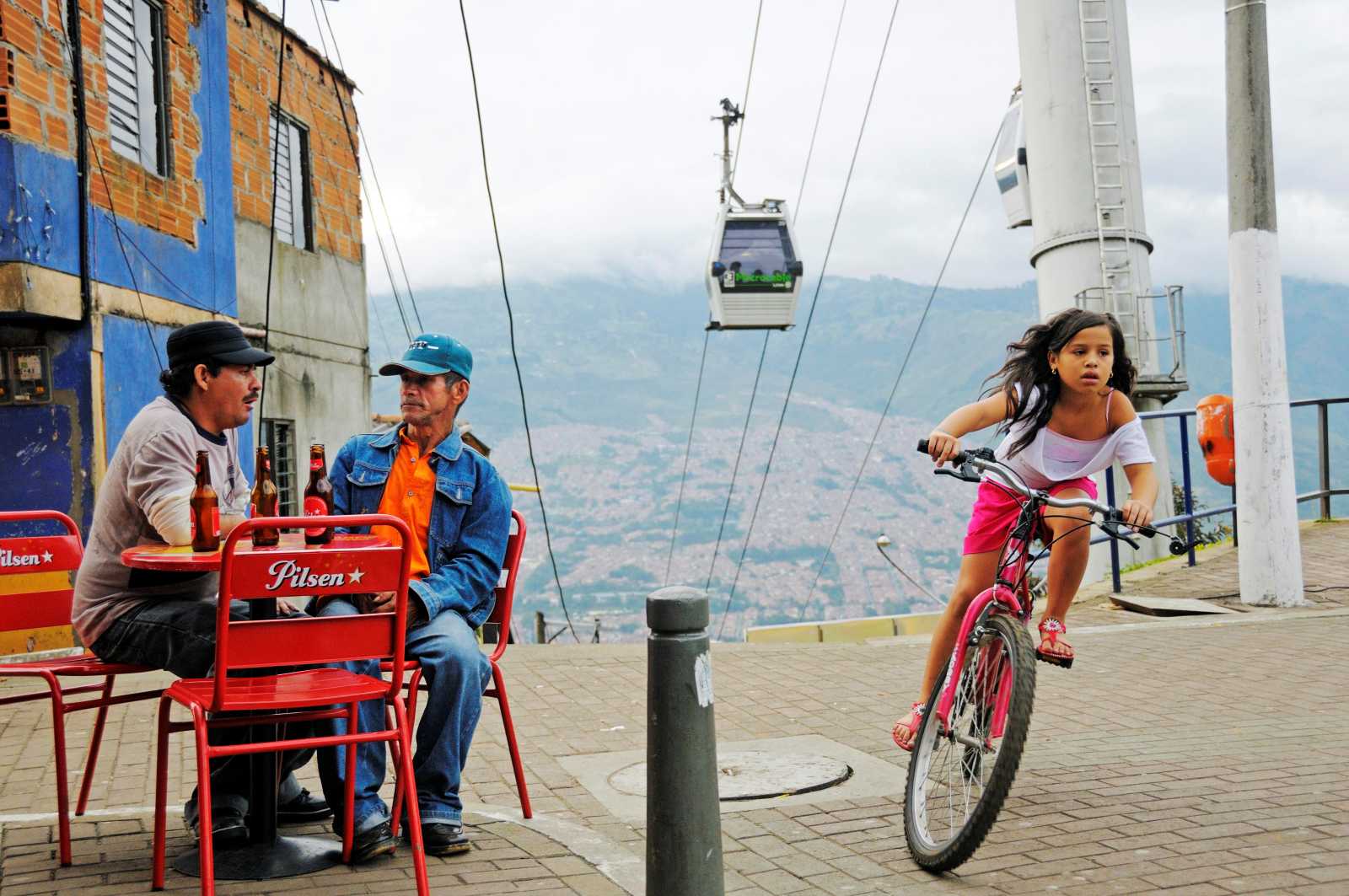
Cable cars reaching the city’s margins, green corridors designed to cool the streets: Medellín is full of ideas for improving urban life. But how transformative have the much-praised projects actually been?
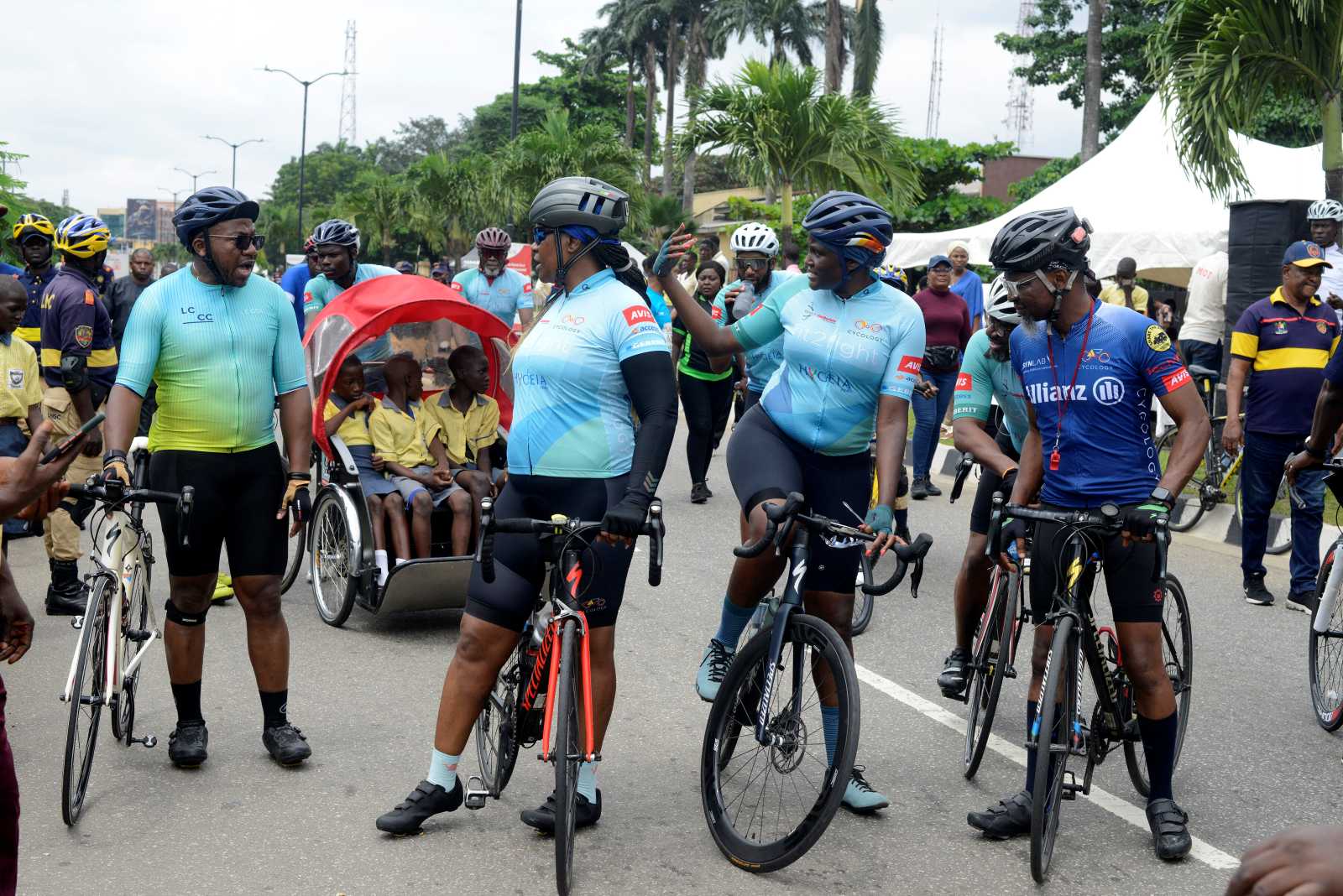
The residents of Nigeria’s largest city suffer from severe air pollution, traffic congestion and car-centric urban planning. Local initiatives are proposing solutions to redesign public spaces and transport – from citizen science to car-free days.
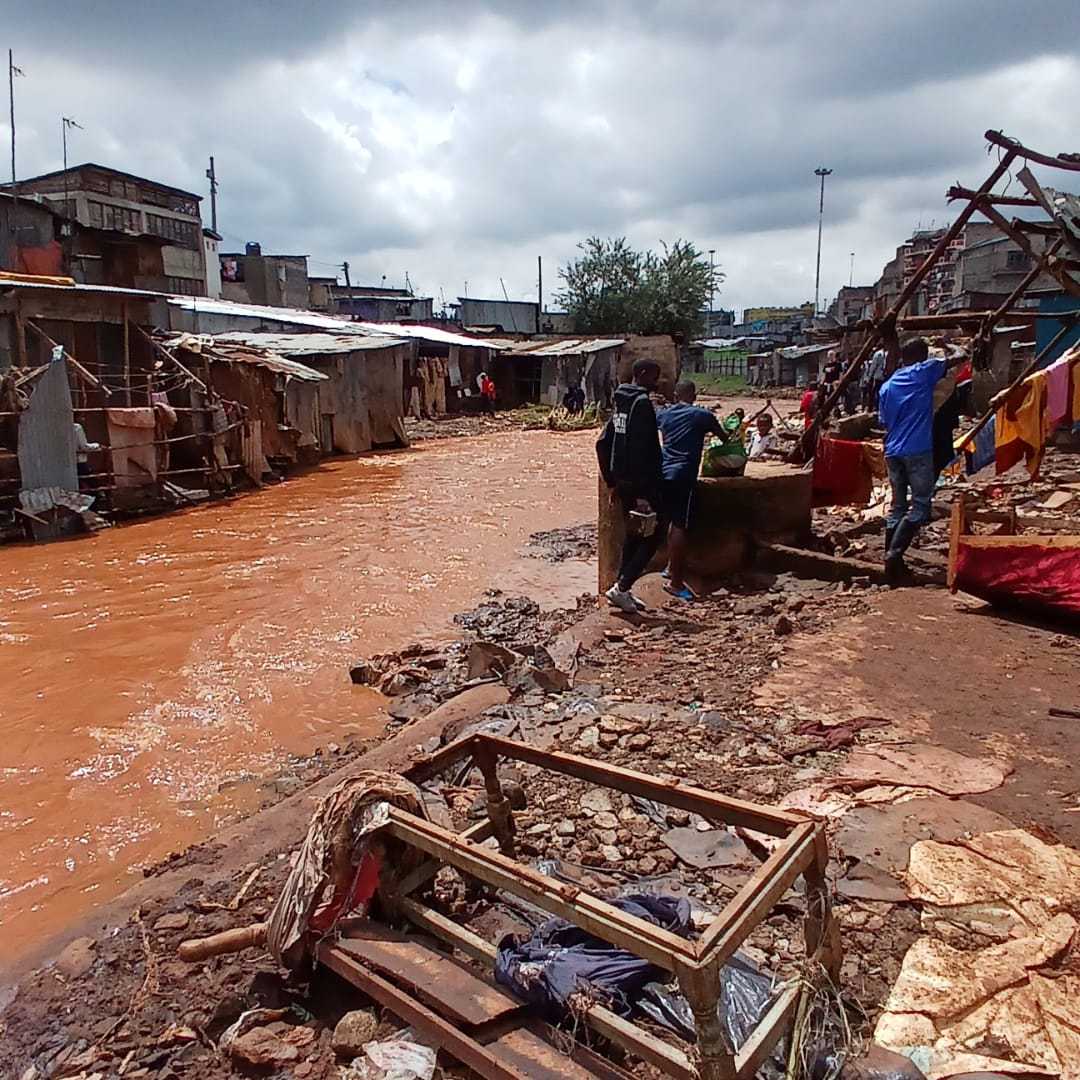
Climate disasters affect the most vulnerable in urban settings. Experiences from Nairobi and other African cities prove that community-led planning can strengthen resilience and support more just and sustainable urban development.
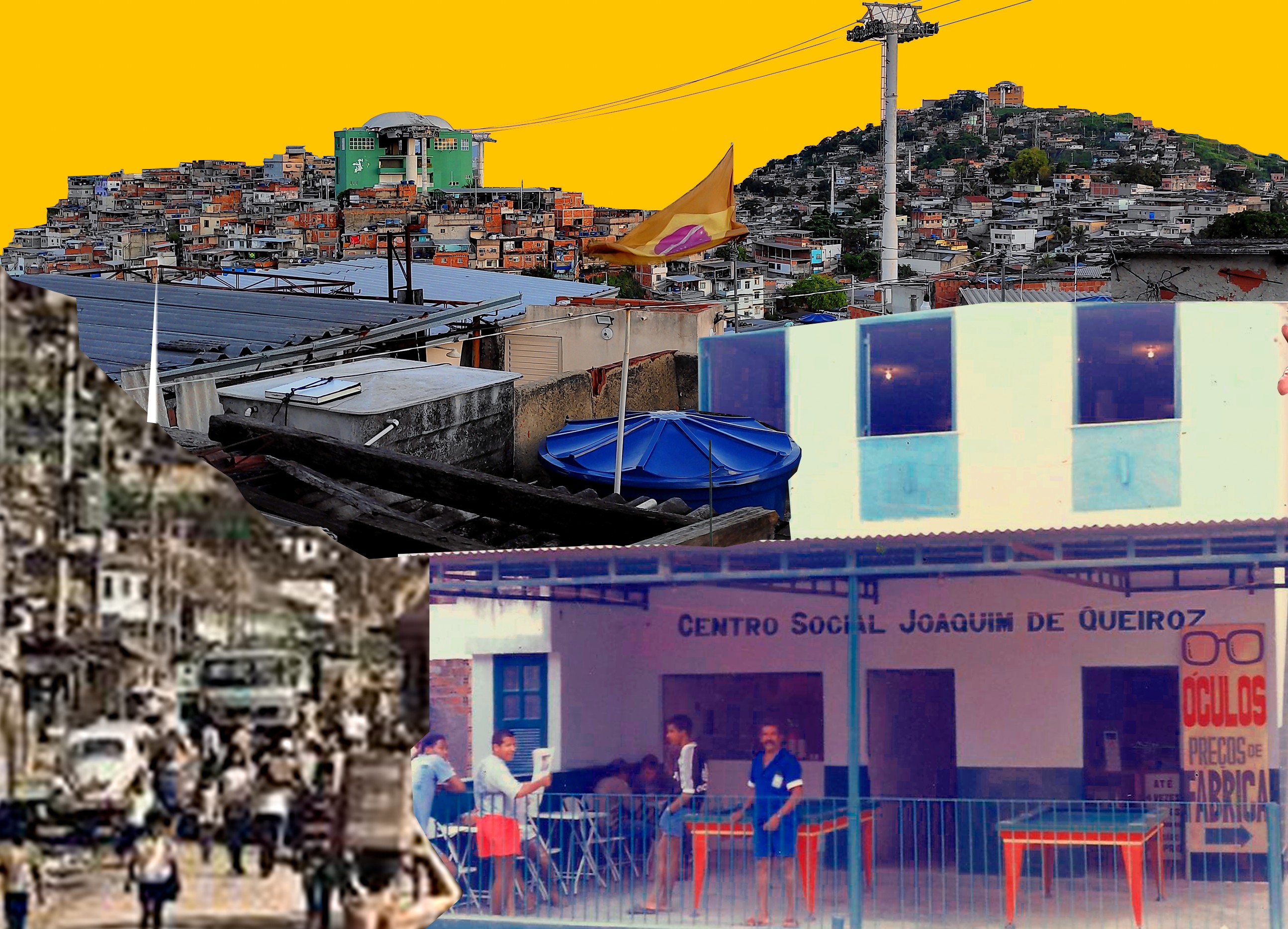
While Africa’s cities are growing fast, residents of informal settlements are developing practical solutions to the challenges they face – from the provision of basic services to climate resilience.
Delivery services have grown fast worldwide. Working conditions are often bad, but the industry remains an important source of income for many. It is crucial to assess the impact of the growing sector on urban spaces. Cape Town is a good case study.