Gender equality
A city where women need panic buttons is not a safe city


When I recently opened the door to receive my groceries from one of India’s mobile delivery services, I was pleasantly surprised to see a woman at my doorstep. Her name was Nirmala. She told me that more women are now being hired for such jobs, but the work is demanding – not only because of the long hours, but also because of safety concerns. This reflects a broader reality in urban India: while women are increasingly visible in public spaces, city infrastructure has not kept pace to ensure their safety.
India continues to struggle with significant gender inequality. According to the World Economic Forum’s 2025 Global Gender Gap Report, the country ranks 131st out of 148 nations in terms of gender parity. The ranking is based on four key dimensions: economic participation and opportunity, educational attainment, health and survival, and political empowerment. Indian women’s labour force participation – at just 32.8 % – is also among the lowest globally. Deep-rooted social norms further limit women’s mobility and access to public life.
According to Rahul Goel, an Assistant Professor of Transportation Research at the Indian Institute of Technology in Delhi, and data from India’s first “Time Use Survey”, some women are not only absent from the workforce, but many do not leave their homes at all. This highlights how deeply ingrained the belief remains that women belong in the private sphere – within the home.
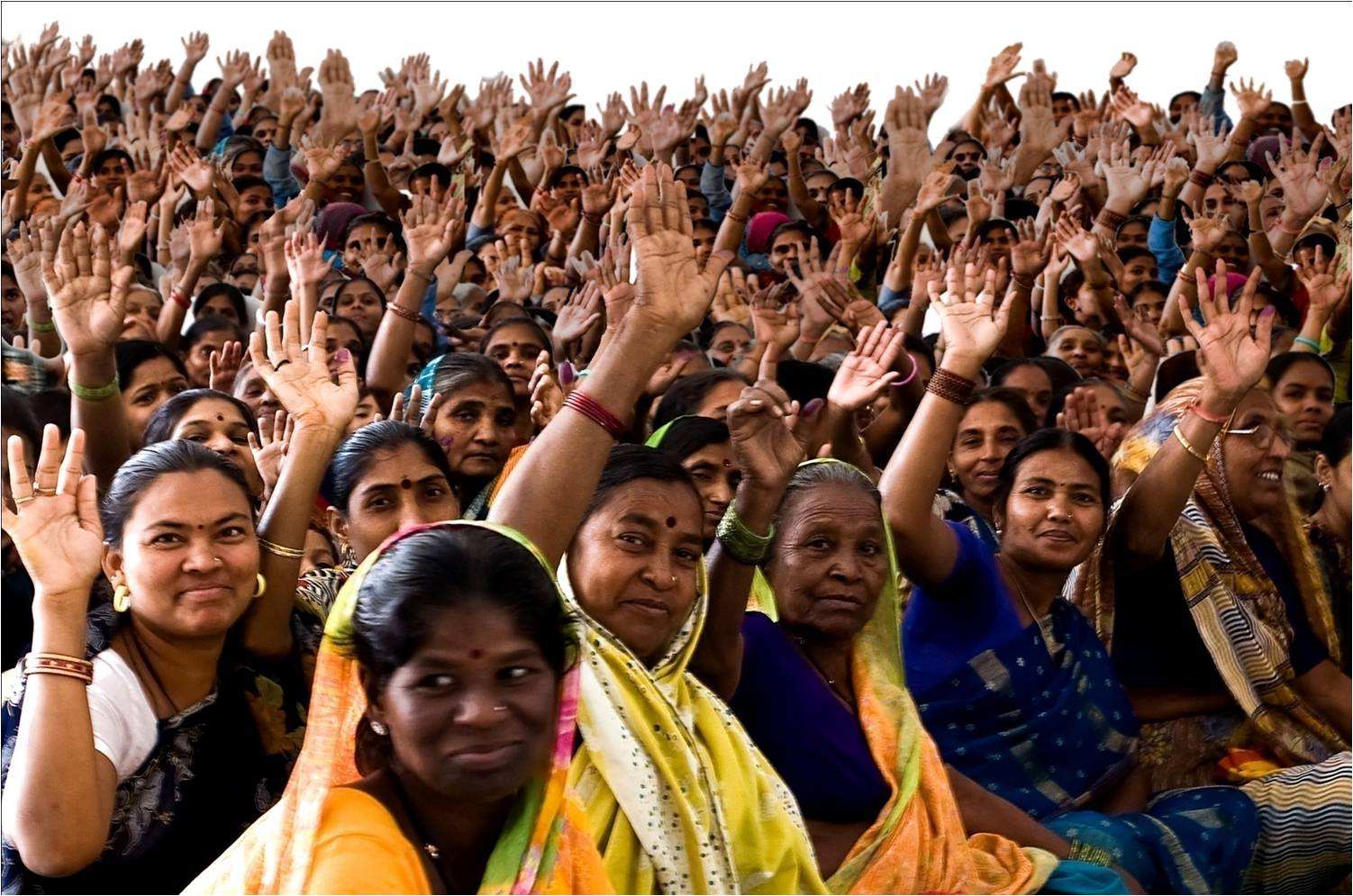
Despite these restrictions, more and more women are leaving their houses, both in rural and urban areas. Some out of necessity, others by choice. An increasing number of young women from smaller towns are moving to larger cities to pursue education. This development makes the issue of safety in public spaces even more pressing. The urban environment – including transportation systems, roads, and workplaces – reflects the extent to which women’s mobility is truly valued.
The reality becomes clear when the safety of women in different Indian cities is systematically assessed. Recent findings from the National Annual Report & Index on Women’s Safety (NARI) 2025 survey provide a snapshot of where women feel protected – and where fear continues to shape daily life. According to the survey, Mumbai, Bhubaneswar and Kohima rank among the safest cities for women, while Delhi, Kolkata and Jaipur are among the least safe.
Around 40 % of women in Indian cities reported feeling unsafe – and this perception becomes even more acute after dark, especially on public transport, the streets of their neighbourhoods and in recreational areas. This is not just a subjective feeling: According to the National Crime Records Bureau’s annual report published at the end of 2025, a total of 448,211 crimes against women were reported in 2023 – an increase over the previous year. Young women aged 18 to 24 proved to be the most vulnerable group. At the same time, the NARI shows that many crimes are not reported and that people have no confidence in the institutional systems.
The divide between “safer” and “unsafe” cities reflects more than just differences in crime rates – it points to disparities in infrastructure, transport design and institutional trust. These findings raise a fundamental question: If fear is so widespread, how can Indian city authorities shift from reactive policing towards prevention and the creation of trust?
Women’s lived experiences
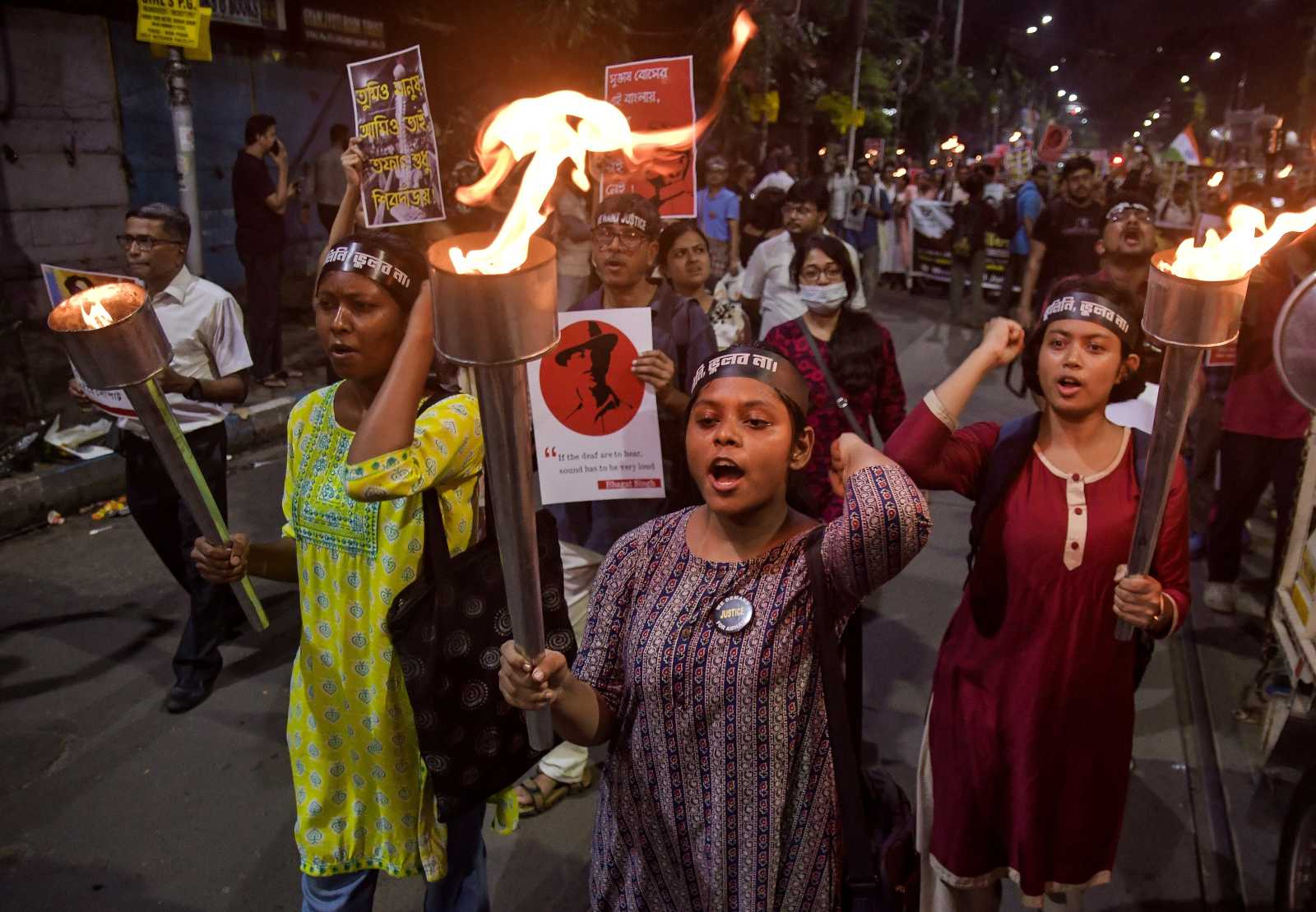
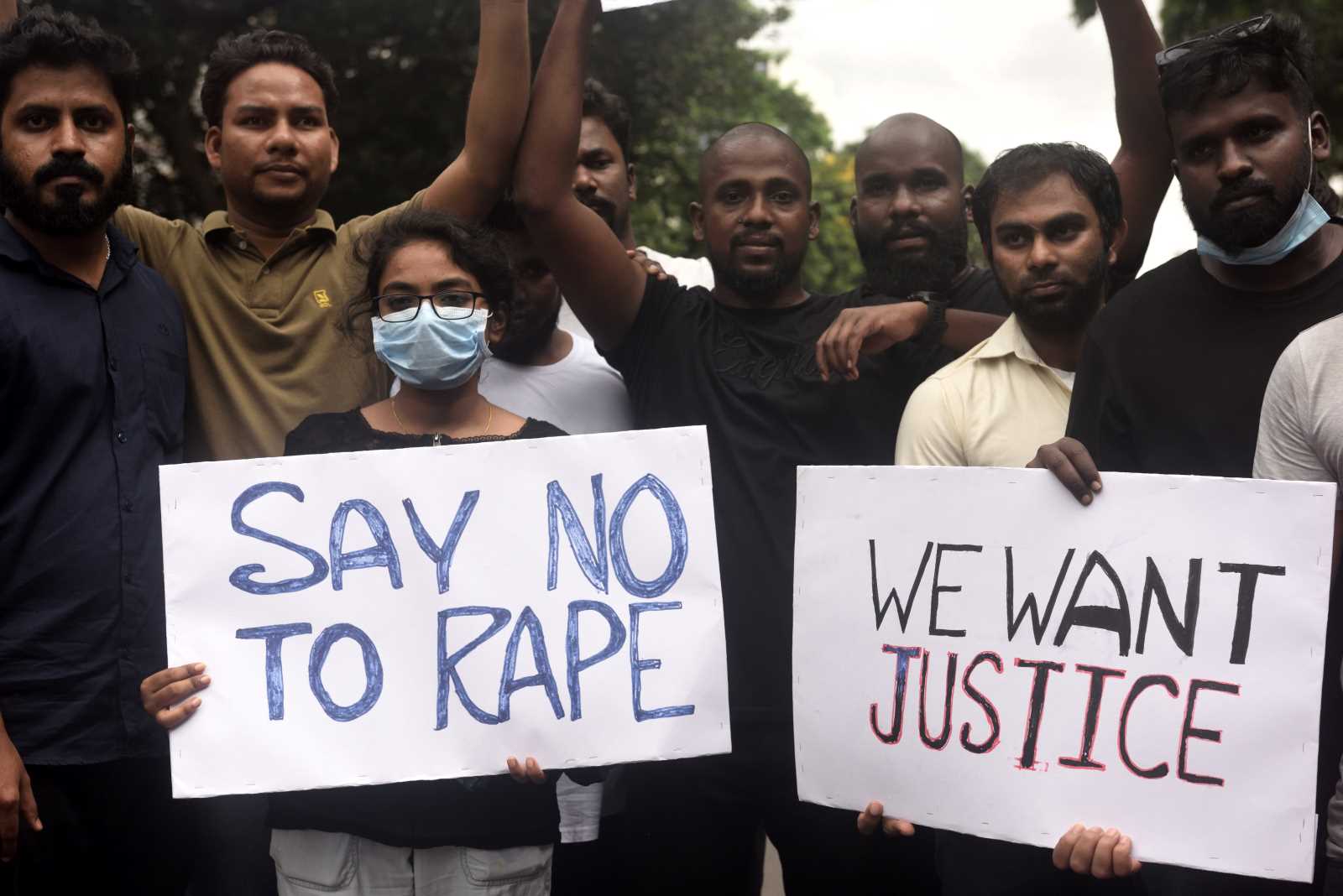
Following the notorious rape case in Delhi in 2012, several innovative initiatives were launched to make public spaces safer for women. One of these initiatives is the Red Dot Foundation’s “Safe City” project. The project collects and documents real-life experiences of women in public spaces and uses these findings to advocate for urban planning and policy changes that improve safety and accessibility.
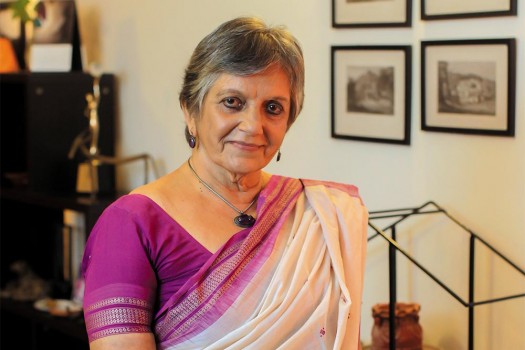
Unlike surveillance-heavy approaches that often prioritise control, Safe City starts with women’s lived experiences. It frames fear and harassment not as individual risks, but as failures in urban design. ElsaMarie D’Silva, the project’s founder, explained: “Safe City adds value because we are making what is currently invisible visible through these stories – but with actionable data points.”
At the heart of the project is an anonymous reporting platform that enables survivors to share their experiences without fear of exposure. What sets it apart is its use of crowd-mapping data to highlight everyday sexual harassment and gender-based violence – much of which would otherwise go entirely unreported. The model has since expanded beyond India.
The platform, which now logs more than 100,000 reported incidents worldwide, does not collect names, email addresses, or IP information. Each report is reviewed by a (human) moderator to remove any identifying details before it is published. Depending on the type of incident reported, survivors automatically receive information about relevant Indian criminal laws, hotlines and hospitals in their area.
The project now also trains young people to become “safety champions", teaching them skills to intervene as bystanders, knowledge of laws on gender-based violence, and the ability to interpret data dashboards to develop local solutions. In some neighbourhoods, this has led to community art projects that display legal information at known hotspots for harassment; in others, it has meant engaging religious and community leaders to create safer environments.
The government is taking action too
In the state of Haryana, Safe City partnered with the police to train constables in using data to identify high-risk areas and adjust patrols accordingly. Similar collaborations have influenced public transport planning in the city of Chennai and helped improve street lighting and police schedules in other cities around the world.
According to the initiative, such measures have led to a significant increase in trust in police work and to an increase in reports of crime. As a result, women can stay out longer, move around more freely and participate to a greater extent in urban life.
Under the Ministry of Home Affairs’ Safe City Project, several major cities – including Delhi, Mumbai, Kolkata and Bengaluru – have implemented a mix of surveillance systems and emergency response tools. These efforts focus on policing measures intended to deter violence and improve response times.
Central to these efforts is the expansion of CCTV networks equipped with video analytics and artificial intelligence, making it easier to identify hotspots around transport hubs and commercial areas. These systems are connected to India’s Integrated Command and Control Centres, allowing police to monitor public spaces in real time and dispatch personnel when incidents are flagged. In addition, cities have installed emergency panic buttons and “safety islands” in well-lit areas, enabling women to alert authorities instantly through sirens or two-way communication systems.
Alongside surveillance, mobile-based safety tools have gained prominence. In Delhi, the Himmat Plus app enables users to send SOS alerts directly to the police. Meanwhile, platforms like Safetipin rely on crowd-sourced data to map poorly lit streets and unsafe public spaces, providing evidence to inform urban design interventions.
While these tools can help improve response times, experts warn that technology alone cannot compensate for poorly designed public spaces or entrenched gender norms. As feminist scholar Shilpa Phadke argues in “Why Loiter?” – a seminal text on feminist urbanism – Indian cities continue to treat the presence of women in public spaces as conditionally permissible. Women are expected to be outdoors only for a clear purpose, while men are allowed to move freely without question. As long as women cannot move around cities without justification, no amount of surveillance will make urban spaces truly safe. For women like Nirmala, safety is not about cameras or apps – it’s about the fact that simply leaving the house should not always have to be a struggle.
Roli Mahajan is a journalist based in Lucknow, India.
roli.mahajan@gmail.com