Refugees
Ending up in the last category means no food at all


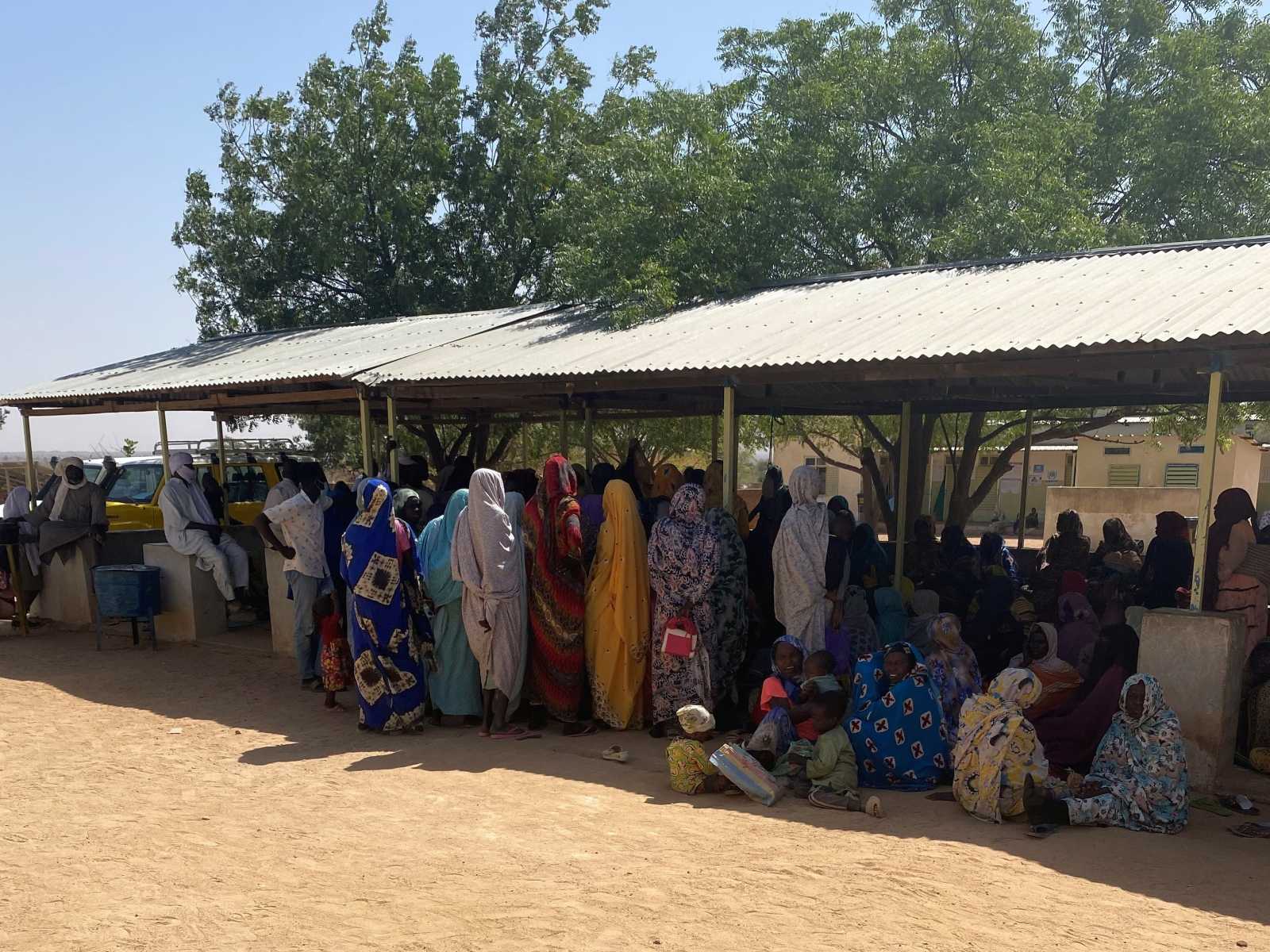
Located in north-western Kenya, Kakuma Refugee Camp is both a testament to human resilience and a monument to international neglect. According to figures released by the United Nations Refugee Agency (UNHCR) in October 2025, this huge settlement is home to over 200,000 people who have fled violence in South Sudan, Somalia and the Democratic Republic of the Congo, among other places. Many residents have spent decades in Kakuma, attempting to rebuild their lives amid extreme deprivation.
Last year, donor governments slashed their aid budgets, forcing international organisations to curtail operations throughout the camp. The impact is evident everywhere: water supplies have dwindled, food rations have shrunk and cash transfers have been drastically cut. These reductions have pushed an already vulnerable population deeper into crisis.
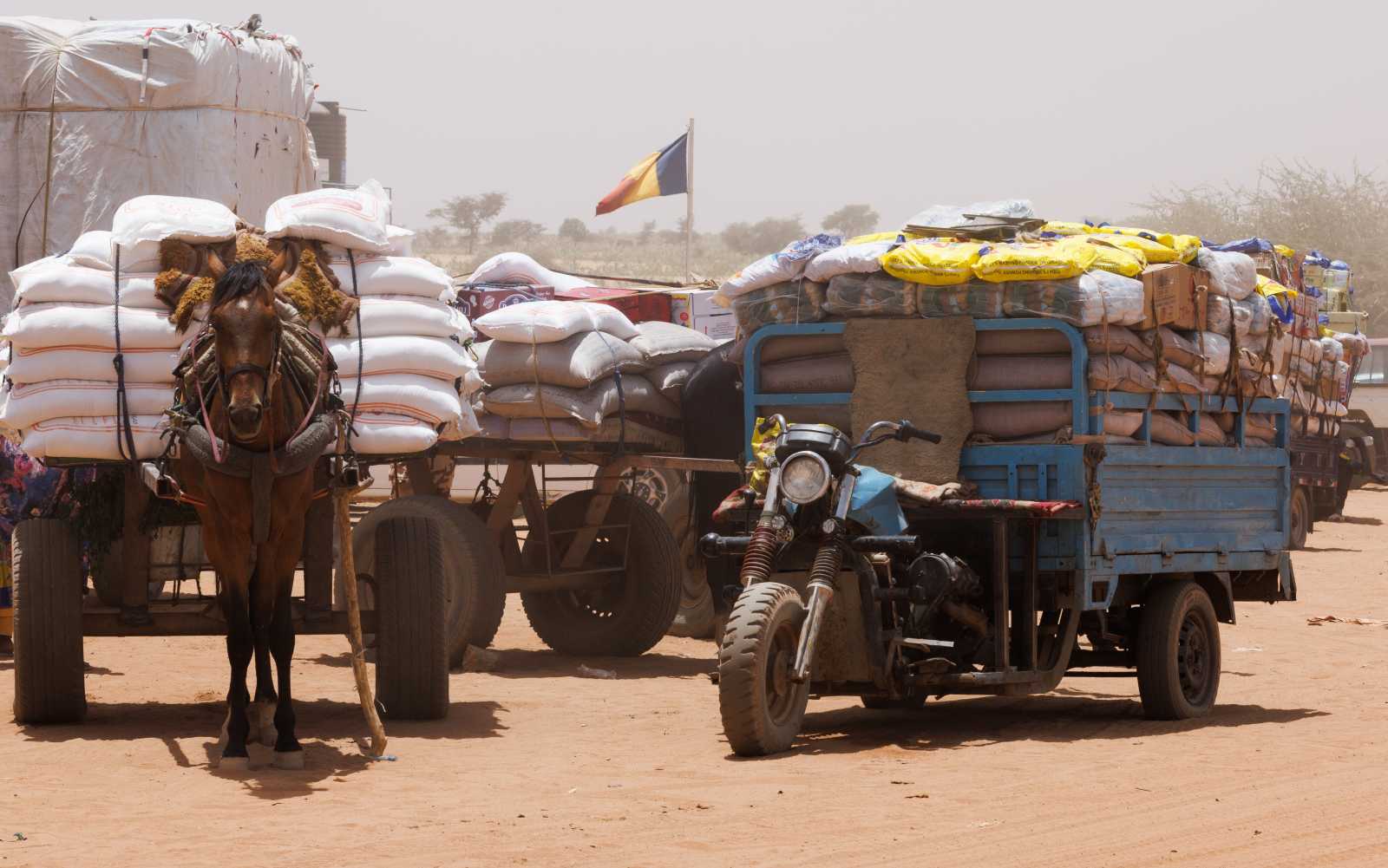
The World Food Programme (WFP) and UNHCR, the two principal agencies sustaining Kakuma, can no longer deliver the support they once did. Both multilateral bodies rely on contributions from donor governments to fund their work. The US alone previously supplied roughly 70 % of WFP’s operational budget in the camp.
WFP’s Nairobi office reported that rations had been slashed to roughly one third of the minimum food basket in May last year. The agency subsequently introduced a “differentiated assistance” model, prioritising the most vulnerable refugees with rations covering 60 % of their needs while cutting off the least vulnerable entirely. WFP now reports modest improvements thanks to fresh funding and expresses cautious optimism that rations may increase further in the coming months.
The new distribution system has four categories:
- Category 1: Labelled “vulnerable”, includes households headed by children, elderly persons or people with disabilities, as well as those with high dependency ratios for other reasons. This category represents approximately 29 % of all households in Kakuma.
- Category 2: Households with limited capacity to meet basic needs, still facing high dependency ratios and minimal income. This group accounts for 40 % of households.
- Category 3: “Partially self-reliant” households, where one or more members engage in employment or livelihood activities. They make up 16 % of the camp population.
- Category 4: “Self-reliant" households, includes those with sufficient income to cover more than their basic needs – traders, business owners and individuals who have voluntarily withdrawn from humanitarian assistance. This group represents four percent of households.
According to WFP, another 11 % of households remain uncategorised. Unaccompanied children may fall into either group 1 or 2, depending on their circumstances.
In August, the New Humanitarian published findings indicating that two thirds of Kakuma households were surviving on one meal per day or less. Average calorie intake had likely dropped below 1650 kilocalories per person daily – barely enough to sustain an adult and insufficient for many to maintain their health.
Kenya’s Interior Minister Kipchumba Murkomen warned in March 2025 that funding cuts had delivered a “sudden and severe” blow to the country’s ability to host approximately 800,000 refugees and asylum seekers. He cautioned that shrinking humanitarian budgets would impose unbearable socioeconomic pressure and called on wealthy nations to shoulder their share of responsibility. While the national government continues to provide security and administrative infrastructure in Kakuma, it simply does not have the financial resources to offset the collapse in external support.
Voices from Kakuma
Dominic Longolol, a Kakuma resident, previously earned a living as an interpreter for the Kenya Red Cross until budget cuts eliminated his position. Longolol considers the WFP system deeply unjust. His family landed in Group 4, the “self-reliant” category, even after he lost his income. They now receive no food assistance whatsoever. “No one explained the criteria,” he says. “We just woke up one day and were told we belong to a certain category.”
He reports that hunger and anxiety are fuelling quarrels, theft and other crimes. The absence of clear communication has further sparked confusion, anger and at times violent confrontation. Clashes have erupted between refugees and UNHCR staff, as well as among camp residents themselves. People who once pooled resources as a survival strategy now hesitate to share, fearing they might jeopardise their own food access.
Longolol now intends to return to South Sudan and seek work in the conflict-ravaged country. His plan is to send money back to his wife so she can better care for their children in Kakuma. For now, the family survives on rations shared by Dominic’s mother, who qualified for Group 2 as an elderly person and splits her allocation with them.
Susan Adit is a volunteer at several camp clinics. She observes caseloads climbing as resources dwindle. Malnutrition, inadequate water supply and deteriorating hygiene are driving preventable diseases, she notes, while stress-related conditions are also on the rise. Child nutrition programmes have been gutted. “Before, children would receive peanuts and milk to supplement their nutrition,” Adit explains. “Now these programmes are collapsing.”
She is equally troubled by the erosion of education services. Kakuma has always offered relatively robust schooling opportunities – Adit herself completed a community health diploma in the camp. Yet as donor contributions dry up, families are now being asked to cover some costs themselves. “My younger siblings were told that every parent must now pay something,” she says. “My parents cannot afford it, and I cannot help because I do not have a paying job.”
Lucy Peter, another South Sudanese refugee, operates a small shop in Kakuma selling different things like food and clothing. The single mother of four has been placed in Group 4 and thus no longer qualifies for food assistance. She struggles to support herself and her children and says that business has slowed considerably this year.
She occasionally extends credit to community members, providing food and water on trust. Some repay her; others do not. She does not hold it against them, given the dire circumstances everyone faces. According to Lucy, cash was always scarce in Kakuma, but the funding cuts have made survival exponentially harder.
In Kakuma, people wait – for food, for water, for some sign that the world has not abandoned them entirely. A growing number of them are now so desperate that they are willing to return to their home countries, even though the situation they originally fled has not improved. For many, the calculated risk of going back now seems preferable to the slow deterioration they face in the camp.
Alba Nakuwa is a freelance journalist from South Sudan based in Nairobi, Kenya.
albanakwa@gmail.com