Development and
Cooperation

Power shortages

When the lights go out

When water levels in hydroelectric dams get low enough, the power utility cuts power to customers – sometimes for 20 hours per day. This has hit the economy hard across all sectors, including metal fabricators, hair salons, butchery shops and almost everyone else.
Shop owners and other businesses suffer unreliable power supply. Veeser/picture-alliance/imageBROKER
Shop owners and other businesses suffer unreliable power supply.

Teddy Mugala, owner of a butchery shop in Lusaka’s sprawling Soweto market, sees the impact immediately in his refrigerators. “My meat products go bad every time the power is shut down,” he says.

Zesco, the state-owned power company that supplies almost all the country’s electricity, publishes notices telling customers when and where to expect blackouts. In some areas power is cut from early morning until late in the evening.

To ease the situation, the government is trying to import 330 MW from South Africa at a cost of $ 27 million.

But business owners want faster solutions. “My business depends on a constant power supply,” says David Munyinda, a metal fabricator in Kalingalinga township near Lusaka. “The power comes on at 5 am for just two hours and then goes out again. How can I work like this?”
Related Articles

Latest Articles

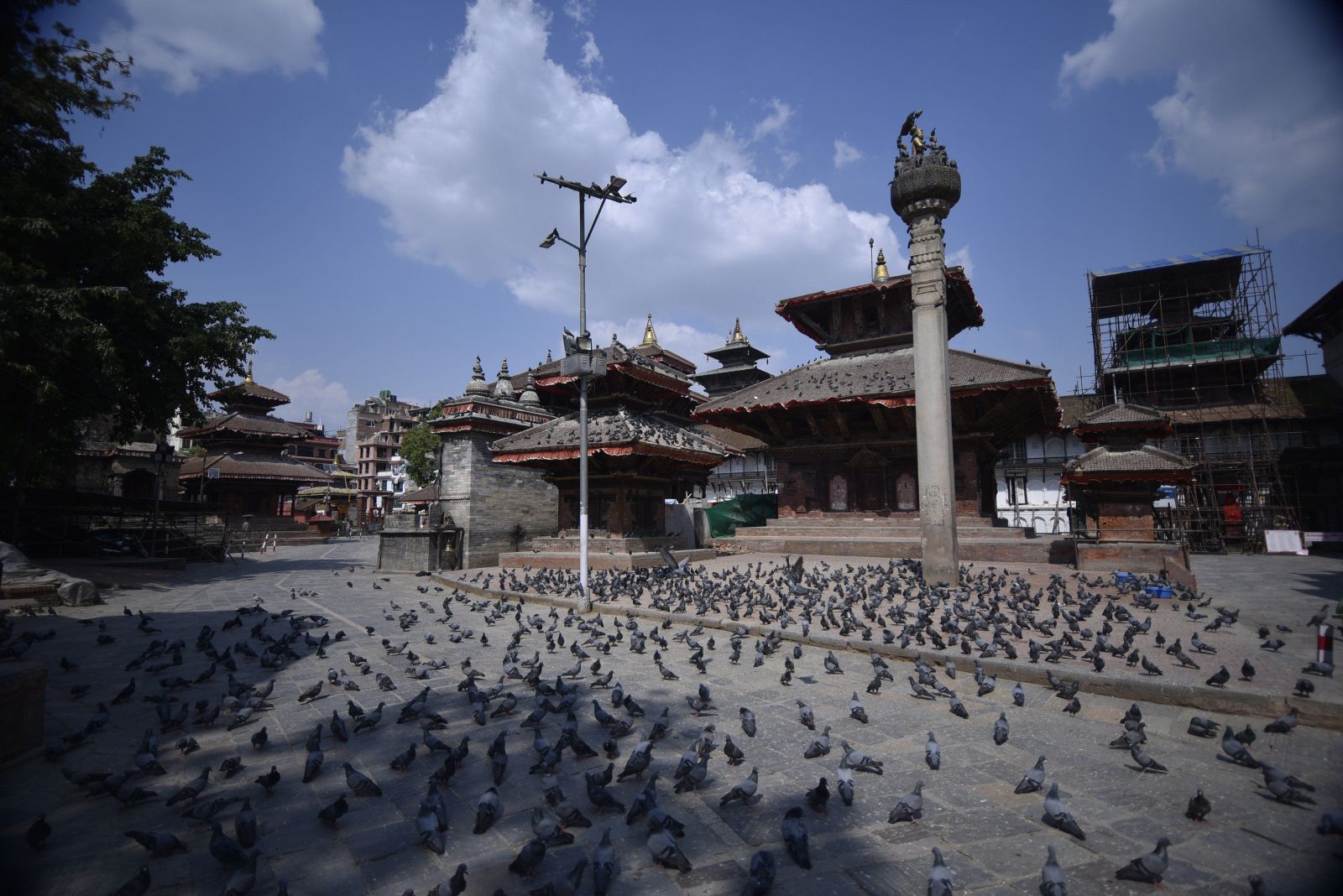
Lots of pigeons, no tourists: Kathmandu’s Basantapur Durbar Square, a UNESCO world heritage site in mid-May.
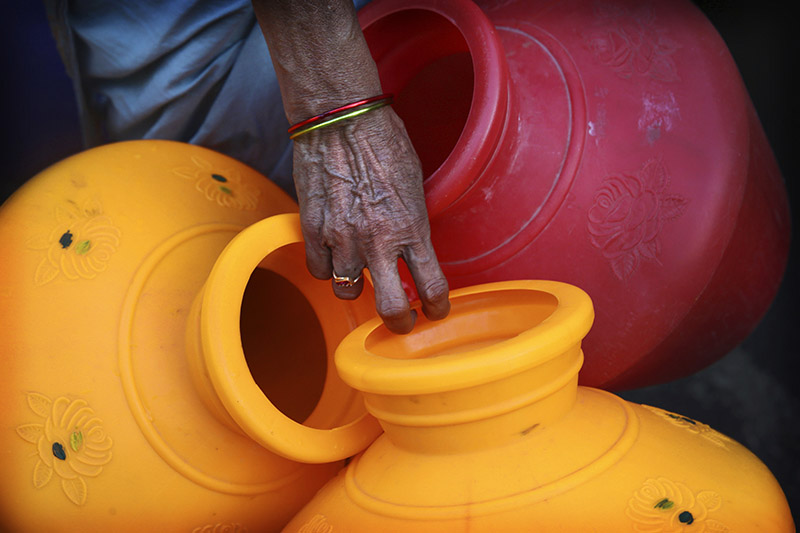
Lining up to get water in Chennai in the summer of 2019.

Water crisis

Vital resource

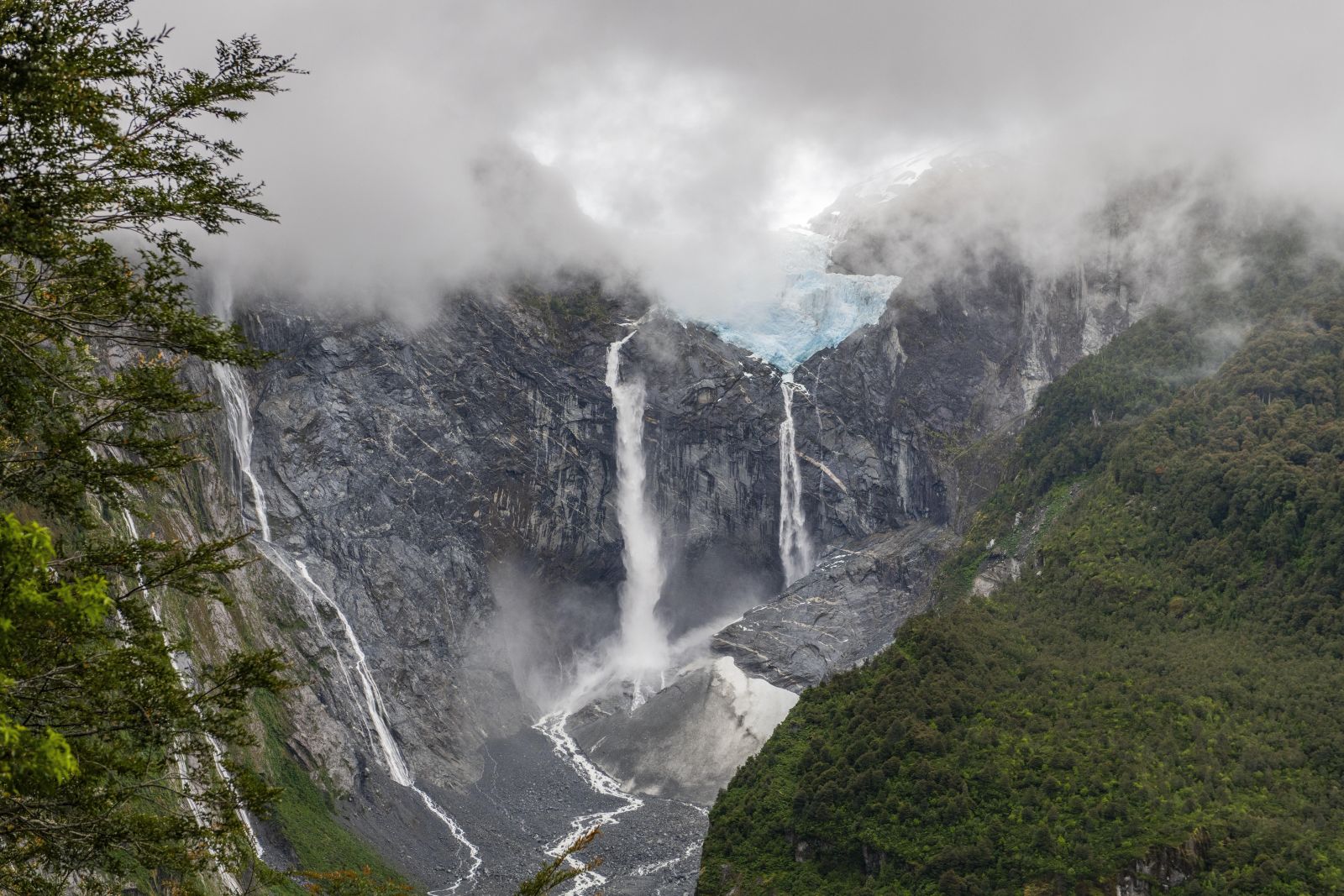
Waterfalls in Chile’s Queulat National Park: when glaciers are diminished, entire water-catchment basins feel the impacts downstream.
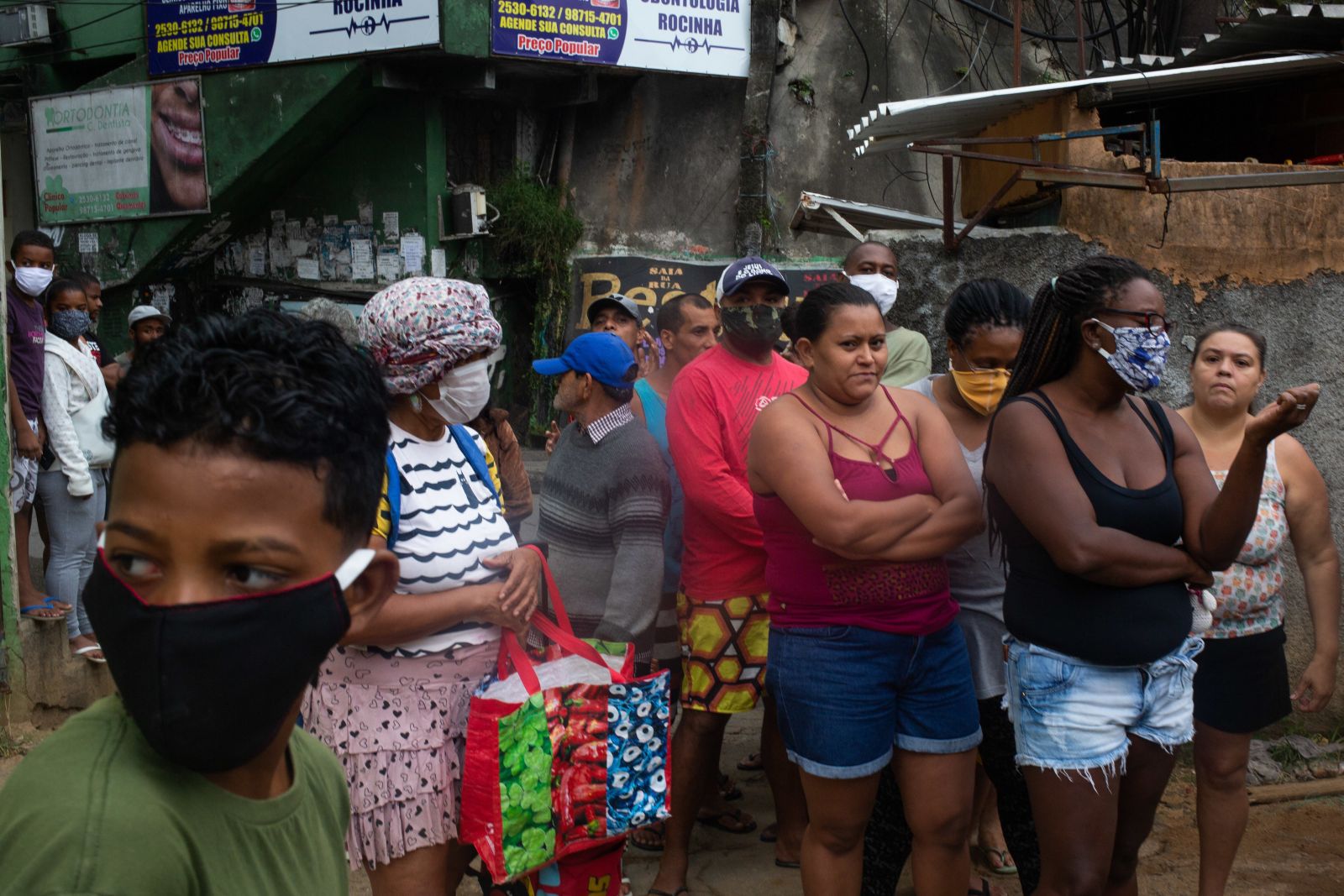
Not much space for social distancing: favela residents waiting for food supplied by a non-governmental activist.

Marginalised communities

Spreading dangerously

Most viewed articles