Mental health
Hope and healing for Malawi’s forgotten female sex workers


When Ludo Nkhoma woke up one morning in Zalewa, a town in southern Malawi, her client was gone – along with the agreed payment. Worse, he had forced her to have sex without a condom. “I cried,” she recalls. “He refused to pay, and I felt dirty and used.”
At 45, Ludo has been in sex work for two decades. The single mother of three entered the trade in 2005 after her husband left for South Africa and stopped sending money. She earns about $ 17 a day, barely enough for food and school fees. “Clients often remove condoms or refuse to pay,” she says. “We feel neither safe nor respected.” But the hardest part, she explains, is not only the violence or poverty. It’s the emotional exhaustion. “Sometimes, I just feel empty. I want to stop, but I have nowhere else to go.” And even in the hospital, Ludo adds, they are often reluctant to help her because of stigma. “Some nurses call us names or refuse to treat us,” Ludo says. “It’s as if we don’t deserve care.”
Many sex workers in Malawi are in the same situation as Ludo. A 2022 study among 363 female sex workers found that almost half of them had experienced sexual violence, many of which report symptoms consistent with depression.
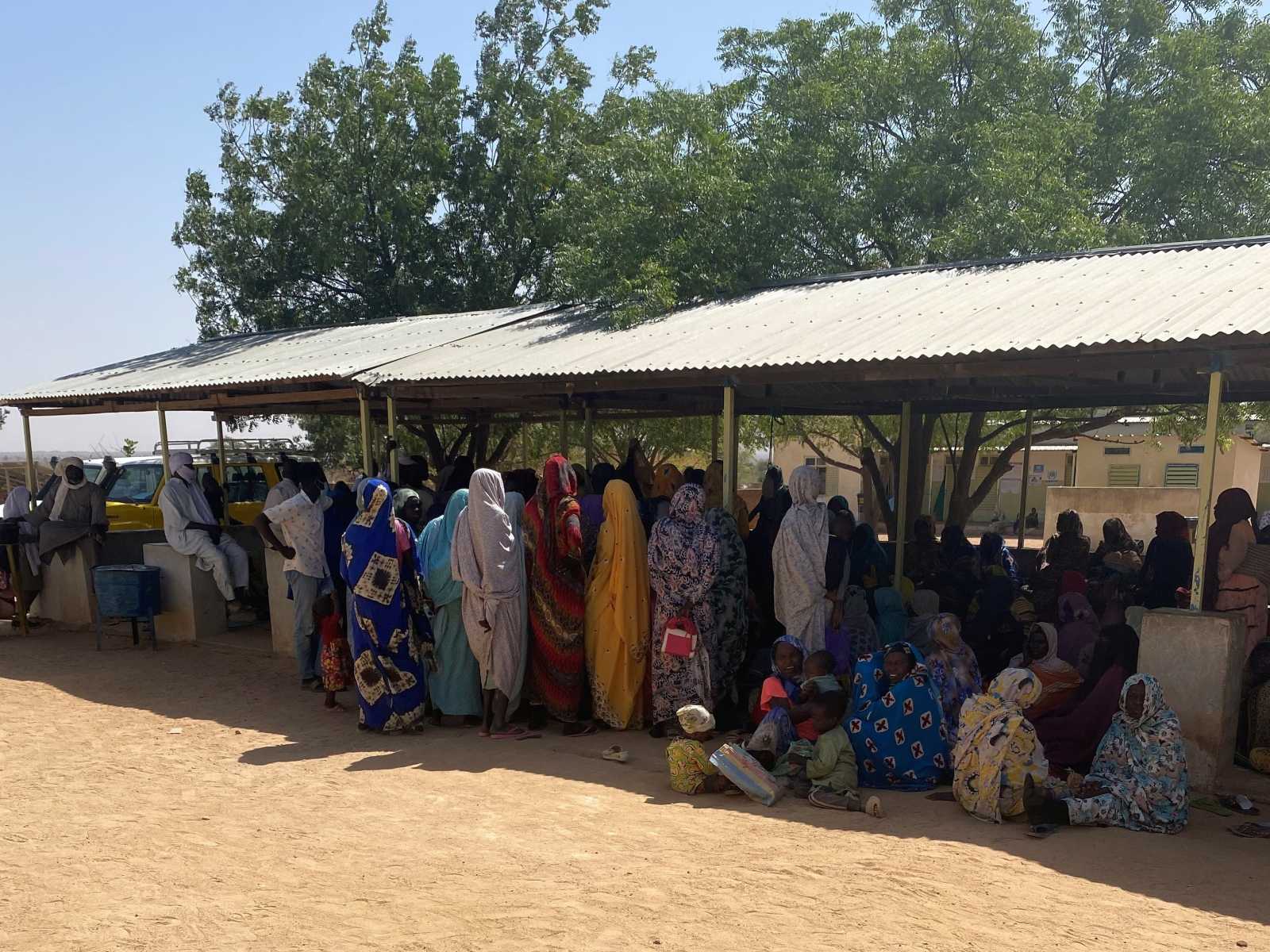
Malawian Psychologist Eric Umar explains that “sex work exposes women to repeated trauma – being beaten, robbed or humiliated. Chronic stress leads to depression and anxiety disorders, which are rarely treated.” The same study also found that more than half of the participants were infected with HIV. While antiretroviral therapy (ART) coverage has improved, stigma and fear of harassment still discourage many from seeking regular care, Umar says. There is a glaring shortage of psychologists in Malawi. In Zalewa, Tikondane Care Group, a community-based organisation led by sex workers, offers rare support. Chairperson Cecelia Khanje says their focus is on counselling, HIV testing and peer education. “Mental health is a big issue, but many women can’t afford therapy,” she explains. “We try to listen, to let them know they’re not alone.”
Tikondane partners with Doctors Without Borders (MSF Malawi), which runs mobile clinics and one-stop centres providing sexual health services, trauma counselling and post-exposure prophylaxis (PEP). MSF project coordinator Charlie Masiku says that “Many sex workers stopped visiting hospitals because of discrimination. Our clinics give them a safe space to heal.”
Reducing stigma is key
MSF also trains peer educators – former or active sex workers who share experience and information on health, rights and safety. “It helps reduce stigma when advice comes from someone who understands your reality,” Masiku adds. And yet, resources are thin. “We bought land to build an office,” Khanje says, “but we can’t afford construction. Everything we do is voluntary.”
While the challenges are immense, both Ludo and Khanje believe change is possible. “If I had a small business, I wouldn’t need to depend on sex work,” Ludo says. Khanje agrees that economic empowerment is key: “Many young girls join sex work because they have no options. If we give them alternatives, we break the cycle.” And MSF expert Masiku adds that broader change must also tackle stigma and mental health access. “We need policies that treat sex workers as human beings, not criminals.”
As initiatives like Tikondane and MSF continue their work, small steps toward acceptance and care are beginning to emerge, Masiku says. “People are slowly understanding that sex workers have rights too.” For Ludo, hope remains fragile but alive. “I just want peace of mind,” she says softly. “Maybe one day, I’ll have it.”
Benson Kunchezera is a Malawian freelance journalist based in Blantyre.
bkunchezera84@gmail.com