Employment
The hidden yet promising trend of female entrepreneurs in Somalia


In Somalia’s capital Mogadishu, work does not always begin in offices or factories. Often, it starts at home, in living rooms, kitchens and on mobile phones. Across the city and beyond, young Somali women are building small businesses from scratch, not because entrepreneurship was their dream but because formal jobs remain scarce. In a difficult economy, creating work has become a necessity – and, for many women, a quiet form of resilience.
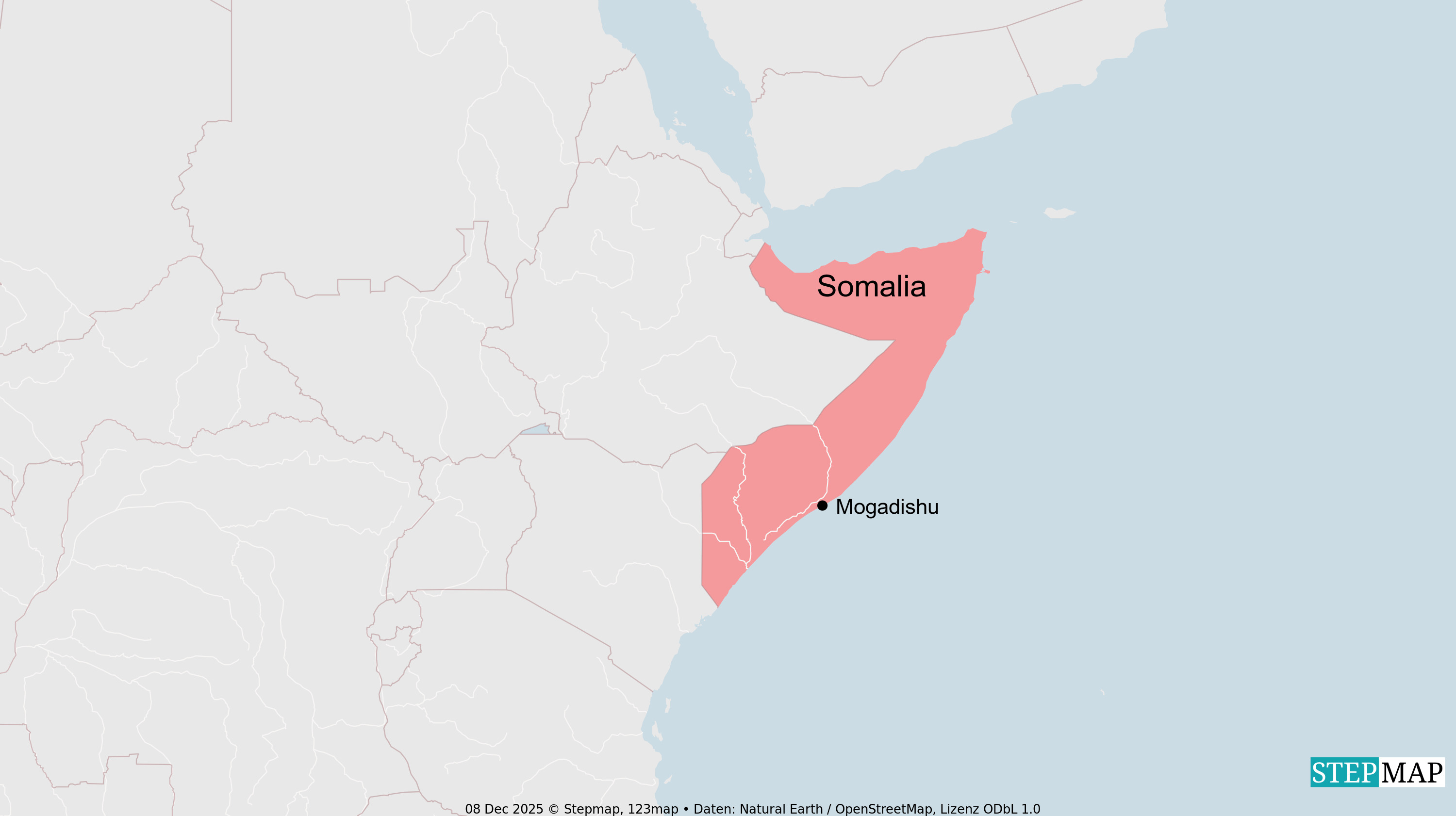
Entrepreneurship plays a central role in Somalia’s fragile economy. According to the World Bank, an estimated 76 % of all jobs in Somalia are created through entrepreneurial activity, most of it informal. Women are a driving force in this system. In cities such as Mogadishu and Bosaso, women own around 45 % of established formal businesses, and many more operate home-based enterprises across the country. Yet progress is shaped by persistent barriers, including limited access to finance, social expectations and weak market connections.
Kowther Abdikarim, 28, knows this reality well. A network engineering graduate with a postgraduate degree, she spent years searching for formal employment without success. Eventually, she turned to self-employment, launching a home-based business selling fragrances, women’s clothing, shoes and bags. Using social media and mobile money, her small venture grew through word of mouth and loyal customers, reflecting a wider trend of women turning skills and networks into income.
Other young women are doing the same. Hawa, 26, transformed her interest in fashion into a neighbourhood micro-boutique, selling locally sourced clothes and accessories. Mariam, 25, combines digital skills with culinary expertise. She runs a dessert business supplying cafés and restaurants while also earning income through TikTok advertising for local brands. In some way, their stories show how women are redefining what proper work looks like.
Barriers to growth
Still, challenges remain. According to the World Bank, for example, women-owned businesses account for nearly half of the 1600 loan recipients under Somalia’s Gargaara MSME Financing Facility since 2019. However, they received less than 10 % of the total loan value, limiting their ability to grow. Most women-led enterprises also remain informal, restricting access to training, larger markets and long-term stability. The UN notes that women’s economic participation in Somalia is often shaped by unpaid care work and cultural expectations, pushing many towards businesses that can operate close to home.
For policy expert Fardosa Abdullahi, this trend is both promising and revealing. “Women are showing strong economic leadership,” she says, “but without targeted support – such as skills training, access to finance and markets – their growth will remain limited.” Economist Uweis Abdullahi Ali agrees. “These are not just survival businesses,” he says. “They are centres of innovation and resilience. With the right support, they could transform local economies.”
Some progress is underway. UN and World Bank-supported programmes, alongside local initiatives, are expanding financial literacy training and business development support for women entrepreneurs. But for women like Kowther, Hawa and Mariam, the path remains uncertain.
And still, each sale and customer connection is more than just an income. It is like a statement of independence and a reminder that when jobs are scarce, Somali women are not waiting. They are building their own.
Bahja Ahmed is a freelance writer, educator and humanitarian aid worker from Mogadishu, Somalia.
bahmedmuse@gmail.com