Water
Marginalised women’s plight

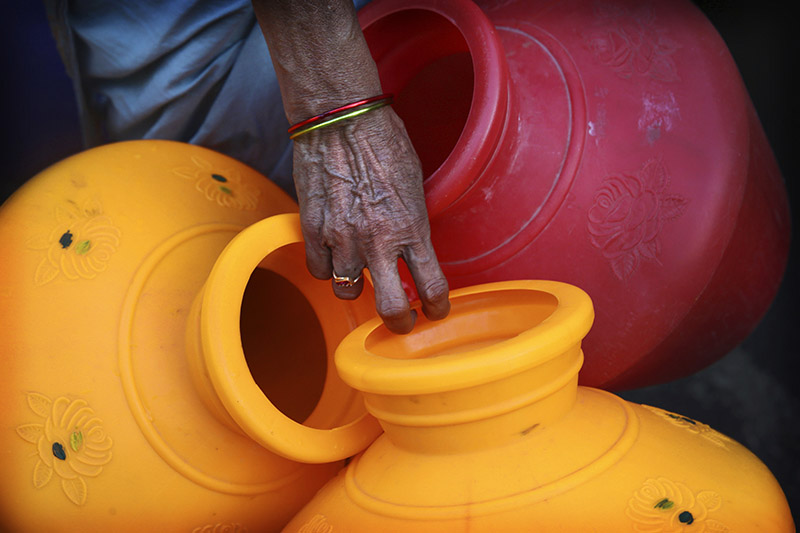
Typically, women are responsible for ensuring that families have water. In urban and rural areas, it is common to see women and especially girls carrying pots of water. Last year, the effects of the water shortage were felt acutely by women from marginalised communities. They are doubly disadvantaged due to gender and caste.
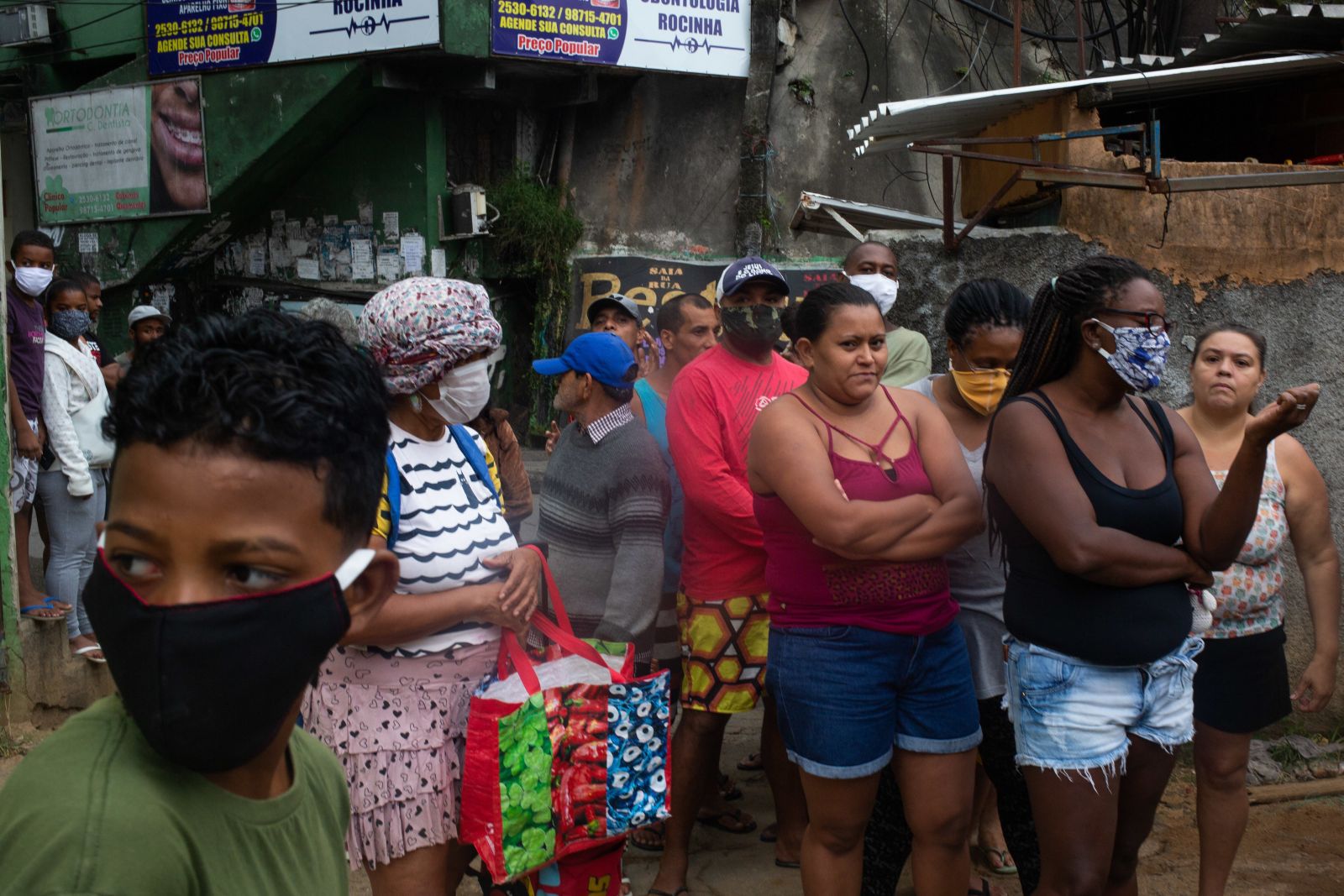
Even in normal times, they stand in long queues as the day grows hot. Quarrels are so common in these queues that our local dialect has a phrase “kozha adi sanda”. It literally means “fight near the water tap” and stands for useless bickering. The reality, however, is that the women are under a lot of pressure. They often worry about not getting enough water. The longer they stand in line, the less time they have for other chores. Depending on the length of the queue, women decide how many pots to fill. Clashes erupt when someone exceeds an unspoken limit. It adds to the tensions that they have to get up very early since the water truck may arrive as early as 5 am in the morning.
Fetching water is thus stressful even in good times. Drought makes things worse. The lines are longer, the water deliveries are less frequent and reliable, and poor families struggle to afford the higher cost for this indispensable resource.