Drugs and communities
When an Indian village chose chess over alcohol


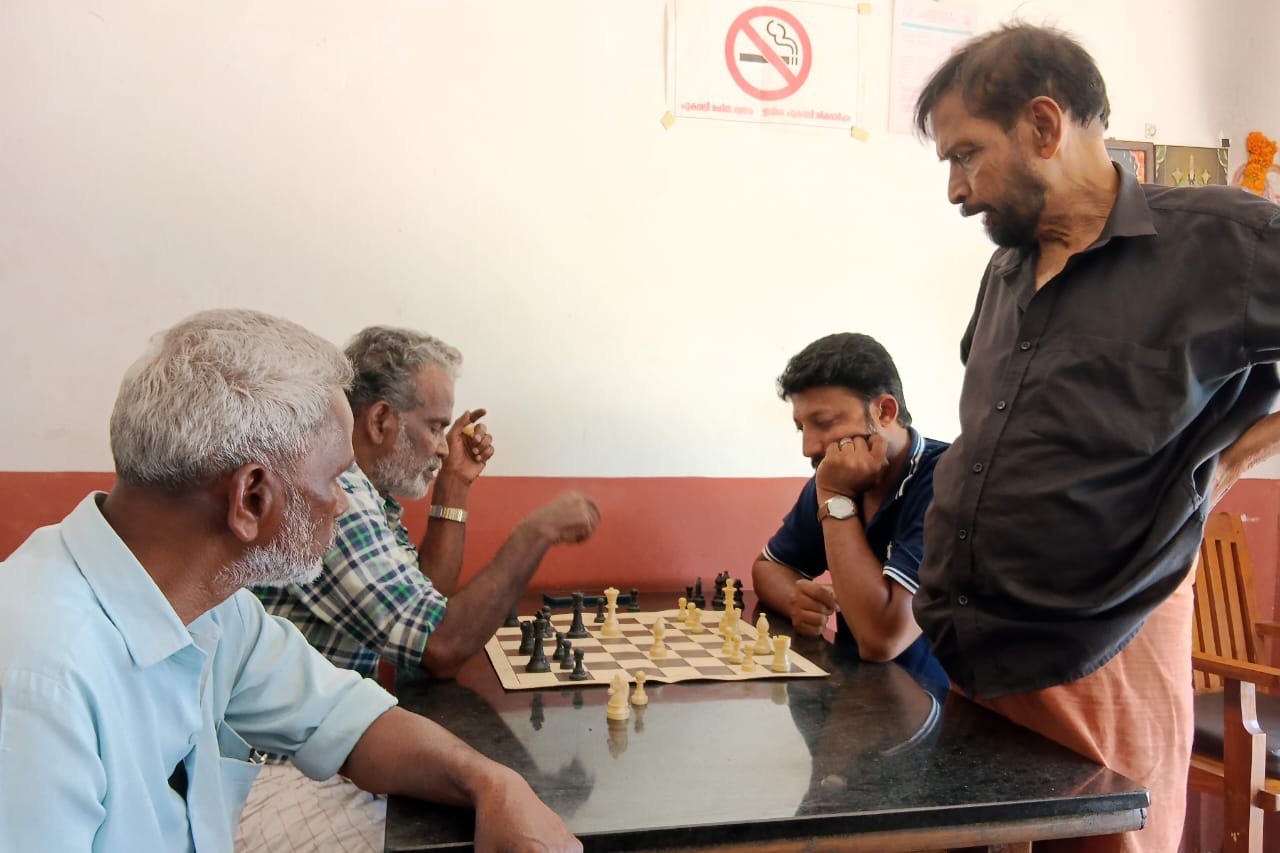
In the South Indian state of Kerala, there is a sleepy village called Marottichal where chess has saved people from excessive alcohol consumption. This is not an exaggeration. Unlike other Indian villages, in this hamlet of about 6000 residents, chess is played everywhere: at bus stops, outside local shops and under trees residents regularly gather around black-and-white boards for a game. In the early 2000s, Marottichal earned the name of the “Chess Village of India”. At least one person in each household is believed to be proficient at chess. The game is played by children and teenagers as well as by older people.
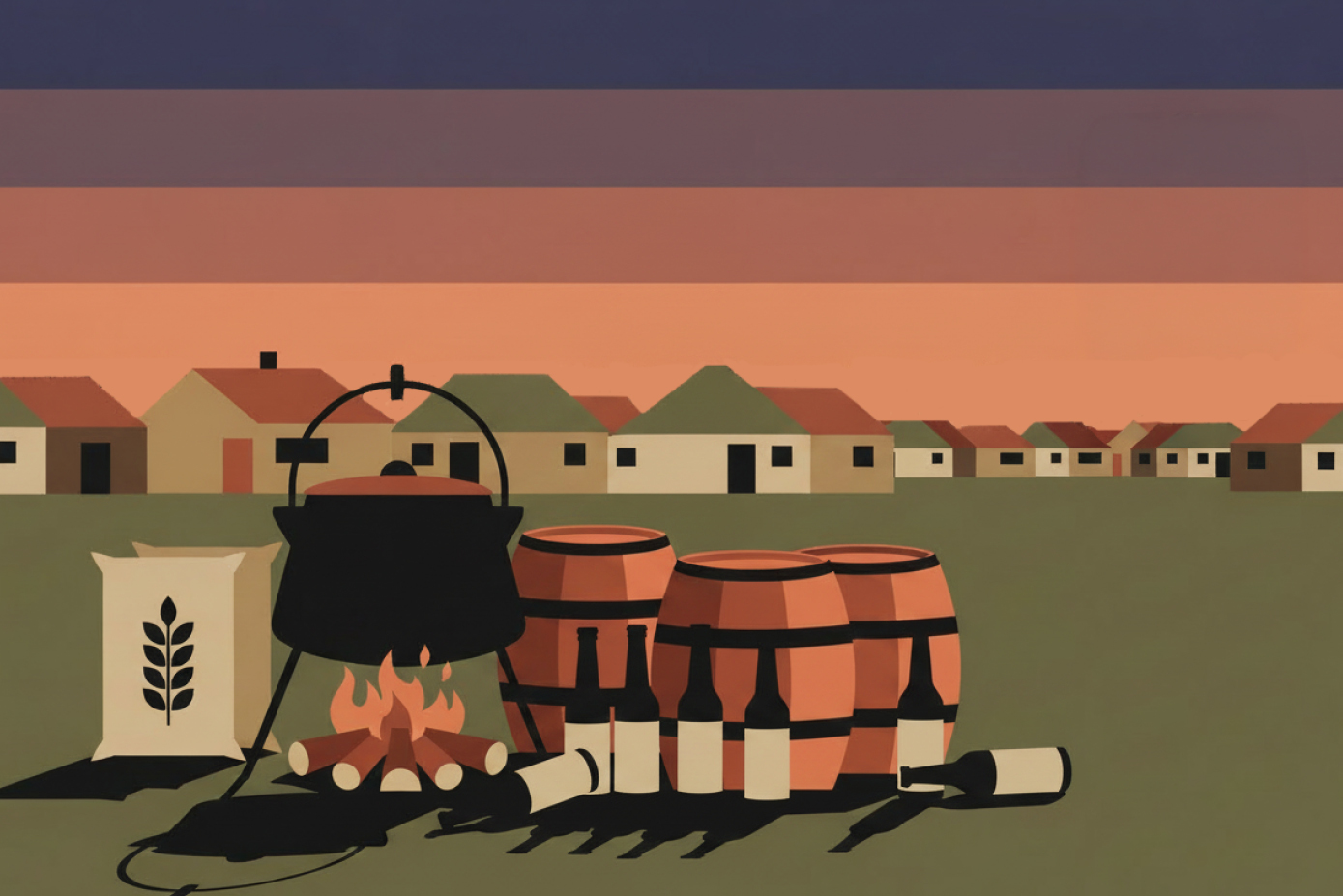
However, this was not the case a few decades ago. In the 1960s and 1970s, rampant unemployment led locals to start brewing liquor from cashew fruits. What started in three households as an activity for personal consumption had, by the 1980s, transformed Marottichal into a regional hotspot for illegal alcohol production.

Alcoholism took a heavy toll on the community. Liver cirrhosis became common, while gambling, domestic violence, street fights and debt plunged many families into poverty. Hooliganism became a familiar sight.
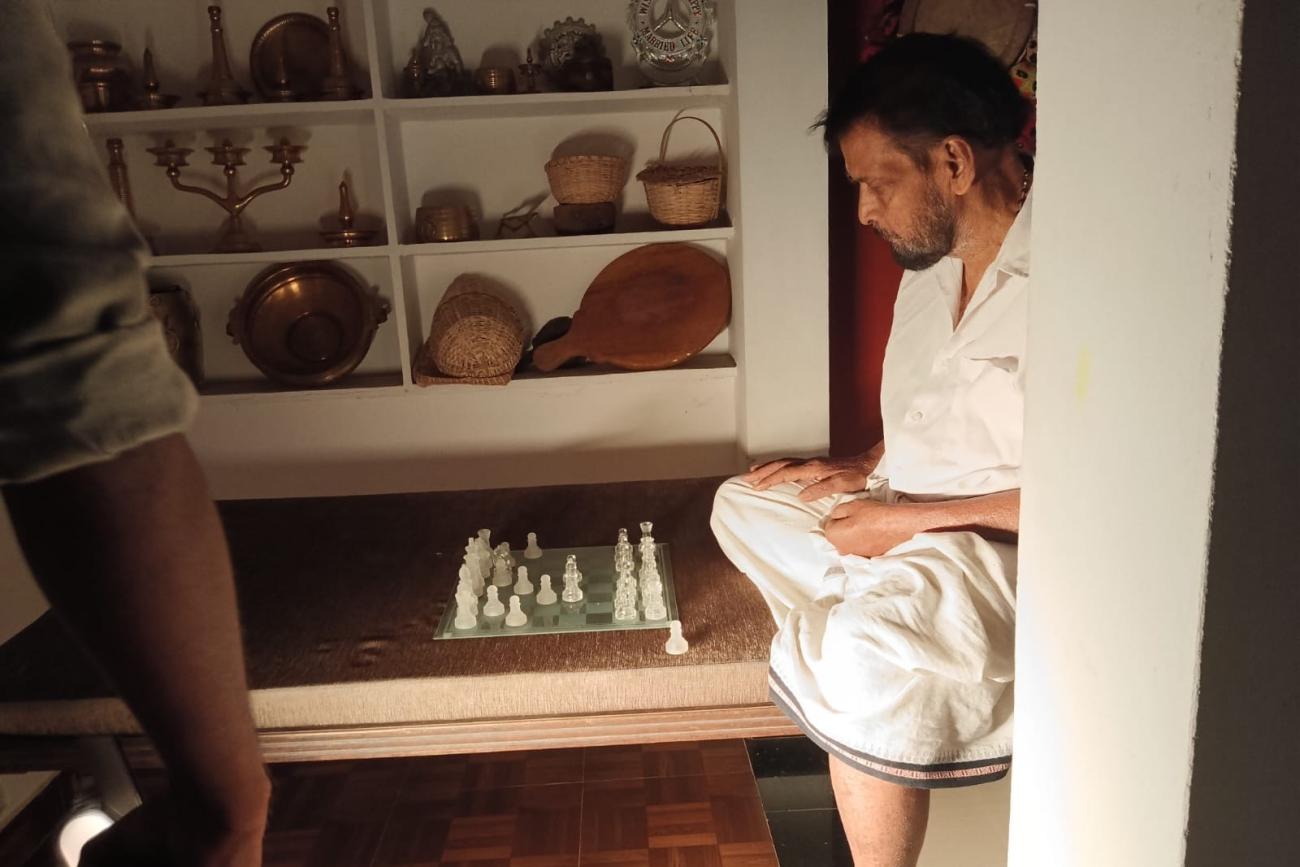
It was against this backdrop that former local resident Charaliyil Unnikrishnan returned to Marottichal to run a tea shop. A participant in anti-alcohol campaigns, Unnikrishnan began playing chess in public spaces. Curious villagers would stop to watch and wanted to know more. At his tea shop, he offered them more than a cup of tea: he introduced them to chess and taught the game to anyone willing to learn. Word spread quickly. Some villagers joke that the “C” in his name stands for chess.
Over the years, he taught chess to hundreds of villagers and competed against grandmasters internationally. For many in Marottichal, chess became an alternative to drinking and gambling. It brought people together in public spaces and gave children and young adults a new pursuit.
Taking chess into the future
The transformation is now reaching the next generation. The village is working to introduce chess into school lessons so that children can begin learning at an early age. Young players from Marottichal are already participating in competitions across India and abroad. One example of the village’s growing talent is 17-year-old Gowrishankar Jayaraj, who was awarded the title of Candidate Master by the International Chess Federation (FIDE) in 2025.
The village of Marottichal itself has also gained recognition for its love of the game. In 2016, more than 1000 people gathered to play chess simultaneously, earning the village recognition from Asia Records.
From a community struggling with alcoholism to one united by chess, Marottichal’s story is a reminder that sometimes transformation begins with something as simple as one person inviting another to play a game.
Roli Mahajan is a journalist based in Lucknow, India.
roli.mahajan@gmail.com