Kleptocracy
Trump: benefiting privately from public office


To anyone who has experienced autocratic rule and kleptocracy, Donald Trump was always easy to understand. Shortly after Trump’s first election victory and before he even took office, Trevor Noah, the South African comedian, predicted what Trump’s approach to governance would be like in 2016. He likened Trump to African despots on TV.
The clip was funny, but the message was serious. Noah said Trump, like typical dictators, was known to lie, rely on cronies and serve his family’s private interests. In Noah’s eyes, Trump’s penchant for conspiracy theories, disdain for independent media and contempt for legal norms fit the picture.
Watching it today, one wonders why so many journalists are still struggling to spell out clearly that self-enrichment is the single consistent pattern of Trump’s presidency. His policies, by contrast, are erratic. What he says today often contradicts what he said yesterday, and he is likely to say something completely different again tomorrow. On the other hand, his officially reported private revenues jumped from $ 622 million in 2024, when he was not yet president, to $ 2.2 billion in 2025, the year he took office for the second time.
His kleptocratic tendency affects many countries apart from the USA. The government of Vietnam broke its own planning rules to fast-track a $ 1.5 billion real-estate project of the Trump Organization, the president’s family firm. The scheme includes a golf course, shopping facilities and various buildings. Vietnam’s Communist regime announced its approval shortly before its trade talks with the USA started. It obviously wanted to please Trump in the hope he would reduce tariffs on Vietnamese imports to the USA.

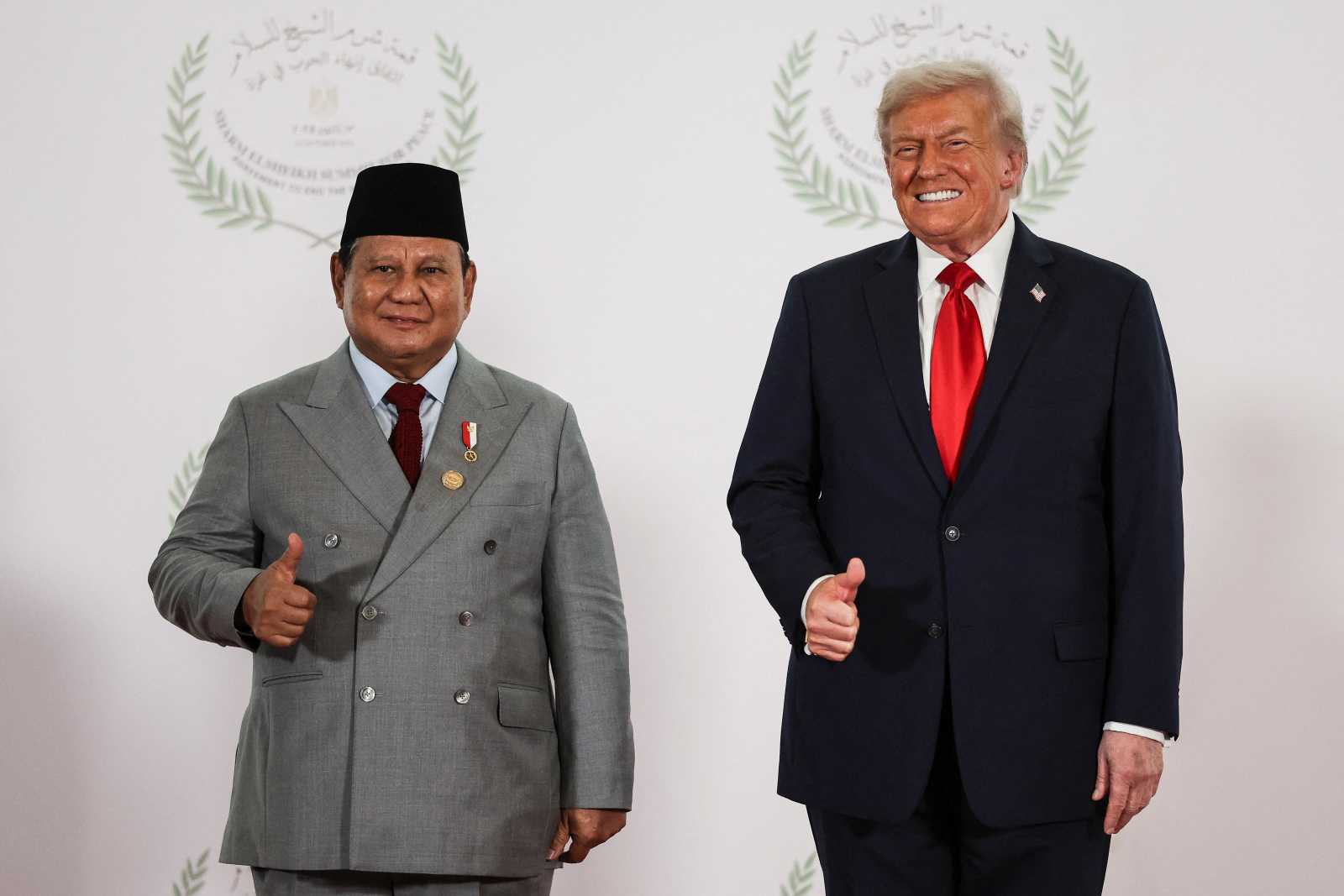
The pattern is persistent. International media noted a brief informal exchange of the US president with Prabowo Subianto, his Indonesian counterpart. In late 2025, Prabowo wanted to get in touch with one of Trump’s sons, and Trump replied audibly over the microphone that Eric would call him. It is known that Eric Trump is keen on reviving major real-estate projects that have stalled for legal reasons in Indonesia. Prabowo even named Eric’s Indonesian business partner.
Republican policymakers unbothered
In normal times, this kind of interaction would have caused outrage. This time, it did not bother Republican policymakers that their nation’s top leader was pursuing private interests while handling public policy. Not long ago, Republicans were obsessed with Hunter Biden, who had joined the board of a Ukrainian company, when his father, Joe Biden, was vice president. They claimed Hunter was illegitimately profiting from his father’s public office.
Hunter Biden earned approximately $ 50,000 per month that way. That is a lot of money, but pales when compared with the sums the Trump clan is hauling in. At the end of Trump’s first term, Jared Kushner, the president’s son-in-law, attracted a $ 2 billion investment from a Saudi Arabian fund which is led by Mohamed bin Salman, the country’s crown prince and de facto ruler. As an official representative of the White House, Kushner had previously built personal ties with him.
The emolument clause of the US Constitution forbids the president and other public officials from getting any remuneration from foreigners. Nonetheless, there are known cases where the Trump clan has benefited privately from public office. In his first term, people who wanted to win Trump’s favour could check into the Trump International Hotel in Washington. It was sold once he left office.
Today, Trump’s crypto company World Liberty Financial serves a similar purpose. In January 2025, for example, shortly before his second inauguration, a company close to the government of the United Arab Emirates bought a 49 % stake in this firm. A few months later, the new Trump administration permitted the sale of computer chips to the UAE in spite of security concerns.
International media reported that Trump’s revenue from various crypto ventures amounted to at least $ 1.4 billion in 2025, even though the worth of his crypto products dropped dramatically, so buyers suffered a collective loss of about $ 3.8 billion. The issue quickly disappeared from the headlines. Newspapers and broadcasters obviously neglect many individual cases of Trump’s corrupt practices. They only take an interest when there is public outrage.
Cases of outrage: Infantino and Albania
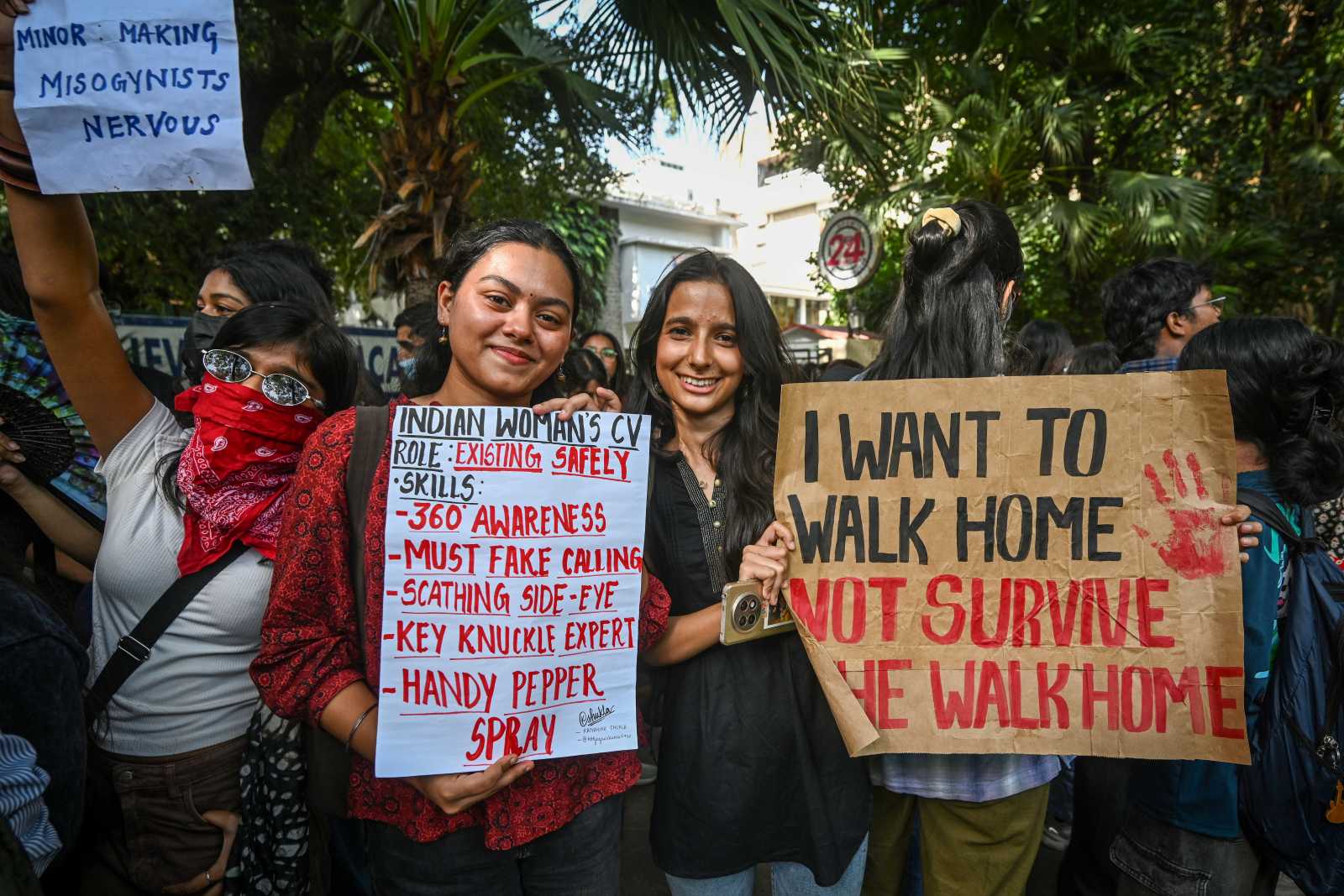
Sometimes, however, attempts to win Trump’s favour by offering his clan business opportunities backfire. For example, Albania’s government triggered protests in early 2026 by agreeing to let Kushner build a tourist resort in a nature reserve, which is a flamingo habitat. Young Albanians who lack opportunities and feel neglected by their government took to the streets. October saw protests escalating again.
Gianni Infantino, the president of the world football association FIFA, has similarly run into trouble. He wanted to sell a stake in future World Cups to Kushner’s brother Joshua and other private investors. Infantino may now lose his job, because national football federations oppose the idea. It would hurt their business models.
The definition of corruption is to generate private benefits from public office. Since the temptation to do that will always be strong, democracies must keep a check on leaders’ conflicts of interest. In the past, US institutions insisted on related norms, but they have been failing in the Trump era. The worst part was probably when the Supreme Court in 2024 granted the president immunity for all official acts. A more recent step in the wrong direction was the Republican dominated Senate’s confirmation of Trump’s personal lawyer, Todd Blanche, as the nation’s attorney general (AG). The AG is supposed to be independent of the White House and uphold the rule of law, but Blanche’s priority is evidently to please the president.
The big question is whether the American public will tolerate Trump-style corruption in the longer run. Senator Jon Ossoff, who is running for re-election in Georgia this year, has made it his central topic. His lead in the polls shows his message is resonating. Other Democrats have noticed – and that may make a difference in the mid-term elections across the nation.
Hans Dembowski is a former editor-in-chief of D+C.
dembowski@posteo.de