Public infrastructure
Why impact start-ups tend to work best where they are needed least


Some see impact start-ups as solutions to Africa’s development problems. After all, these companies are designed to address pressing societal or environmental challenges, and many of them can point to successes. Solar mini-grid companies are supplying electricity to rural households that the national grid has never reached. Agri-tech platforms are connecting smallholder farmers directly to buyers. Health-tech ventures are bringing diagnostics closer to communities where doctors are scarce. And e-mobility companies like Spiro are putting electric motorcycles on roads in Kenya, Uganda, Rwanda and Nigeria, reducing fuel costs for millions of riders and cutting carbon emissions in the process.
These are real achievements: impact start-ups are fast, creative and much more willing to take risks than governments and traditional aid agencies.
But there is a paradox at the heart of this story. Impact start-ups tend to work best in places that already have capable governments, clear regulations, reliable infrastructure and growing consumer markets. In other words, they thrive where development is already working reasonably well. In the countries and communities that need new solutions most, where states are fragile, rules are unpredictable, infrastructure is absent, and people have very little to spend, even the most innovative start-up will struggle to survive, let alone grow.

Why Spiro succeeded and Edukoya failed
Spiro’s story illustrates the first side of this paradox well. The company has deployed over 80,000 electric motorcycles and operates more than 2500 battery-swapping stations across six African countries. These stations allow drivers of electric vehicles (EVs) to replace depleted batteries with fully charged ones, reducing the daily expenses of riders and their dependence on fossil fuels.
In Rwanda, Spiro has thrived in part because the government has set clear green mobility targets, maintained a stable regulatory environment and invested in urban infrastructure. Rwanda’s deliberate policy choices created conditions where a start-up like Spiro could take root and grow.
The other side of the paradox is harder to talk about but equally important. In February 2025, Edukoya, a Nigerian ed-tech start-up that had raised Africa’s largest pre-seed funding of $ 3.5 million four years before, shut down. Pre-seed funding is the earliest stage of start-up financing, typically used to develop an idea, build an initial product and test whether there is a viable market for the business.

The company says it served over 80,000 students and answered more than 15 million academic questions. Its product worked. But Nigeria’s poor internet connectivity, limited access to devices, low household incomes and weak macroeconomic conditions made it impossible to reach the students who needed the service most. The founders concluded that their start-up was ahead of its time. What they really meant was that it lacked a supportive environment.
Examples of other failures
Edukoya is not alone. Kenya’s Sendy, a logistics start-up that raised over $ 20 million, shut down after fuel price volatility, unreliable infrastructure and a difficult funding environment made its business model unworkable.
Copia, also from Kenya, raised over $ 103 million across seven funding rounds to serve low-income consumers through a network of local agents, tackling the last-mile delivery problem that has long held back e-commerce in rural and peri-urban Africa. It was exactly the kind of impact model that development investors celebrate. Yet the logistical complexity of reaching dispersed, low-income communities and the thin margins that come with it proved impossible to sustain.
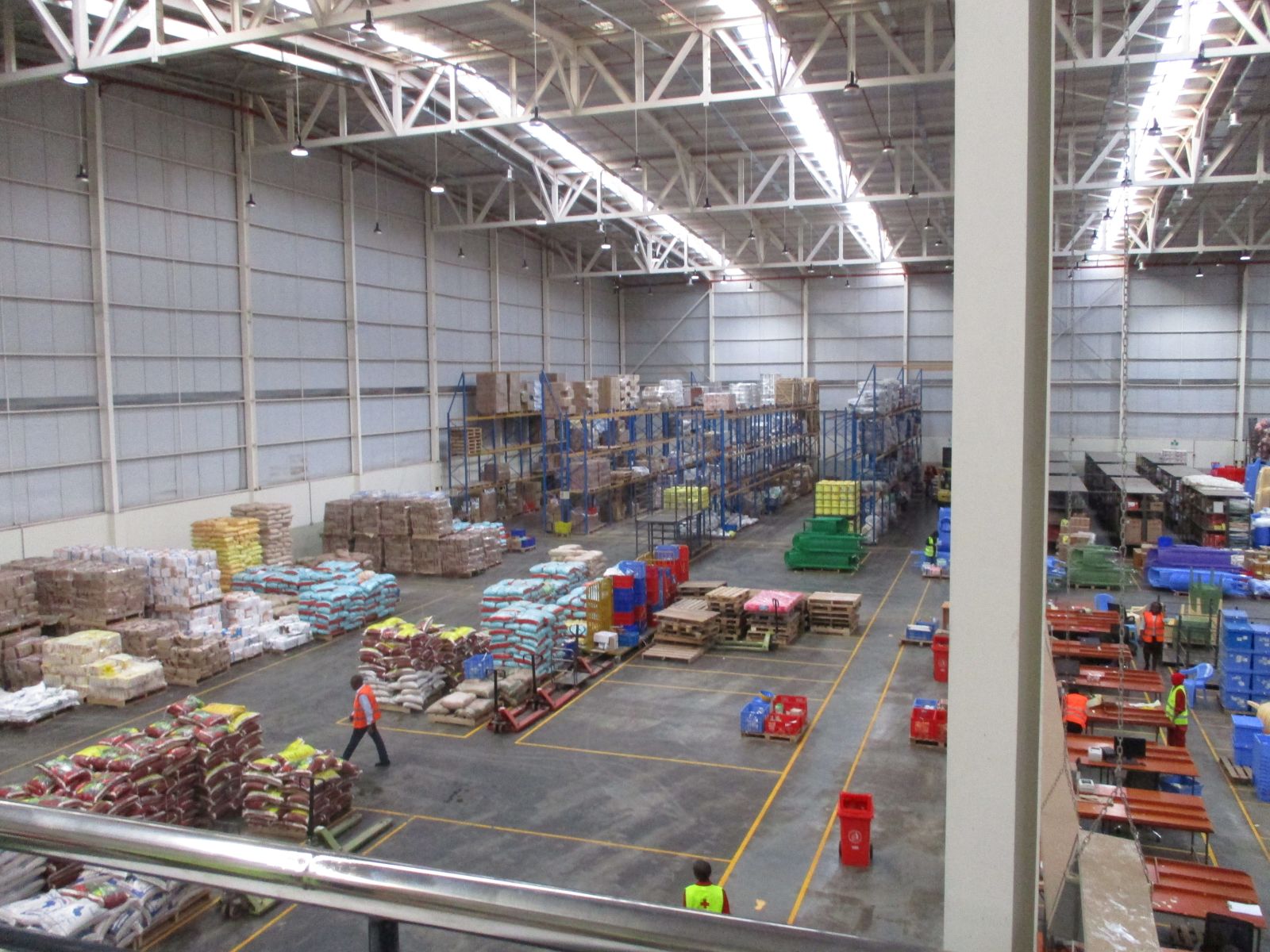
These are not stories of bad ideas or poor management alone. They are stories of what happens when innovative solutions meet environments that are simply not yet ready to support them.
Start-ups cannot replace public investment
This matters for how the world thinks about impact start-ups as development tools. There is a growing tendency among investors, development finance institutions and governments alike to treat impact start-ups as substitutes for public investment. If a start-up can provide clean energy, why fund a national grid? If an agri-tech platform can reach farmers, why invest in rural roads and extension services?
Evidence shows that this logic is flawed. Start-ups can complement public systems, but they cannot replace them. They can reach communities that governments have missed, but only if the basic conditions, such as electricity, connectivity, regulation and consumer purchasing power, already exist to some degree.
None of this means that we should give up on impact start-ups, however. The right conclusion to draw from the paradox is to view start-ups in the right context: they are most powerful when they are treated as one part of a larger development system.

Three conditions for success
Three things need to change to close the gap between where start-ups currently work and where they are needed most. First, governments need to invest in public infrastructure. Roads, electricity, broadband, ports and payment systems are not background issues. They are the foundation on which start-ups build.
According to the African Development Bank, Africa’s infrastructure needs amount to approximately $ 181 to 221 billion per year. Meeting those needs could cost over $ 100 billion in additional annual funding – a financing gap that is impacting businesses every day. A health-tech company cannot work well without clinics, data systems and trained health workers, and an e-mobility company cannot scale without a reliable charging or battery-swapping network, for example.
Second, regulations must be clearer and more supportive. Impact start-ups often work in sensitive sectors such as energy, finance, health, transport and agriculture. These sectors need rules, but the rules should not be confusing or unpredictable. Clear regulations help investors take risks and protect consumers and communities at the same time. Therefore, to increase the chances that innovations in a particular sector will benefit both investors and the public, the regulatory environment should encourage companies to develop solutions proactively and responsibly.
Third, financing methods need to be tailored to the problem a start-up is trying to solve. Many impact start-ups need patient, or long-term, capital because they are solving long-term problems. Thus, venture capital alone is often not enough, especially for companies that need physical assets, local staff, warehouses or equipment. What is generally needed is a better mix of grants, concessional finance, local currency debt, guarantees, public procurement and private investment working together.
Africa’s development challenges are too large and too urgent for any single actor, whether state, start-up or donor, to solve alone. The most effective start-ups understand this: Spiro, for example, succeeded with help from the Rwandan government’s policy framework. This relationship between a functioning public sector and an innovative private sector is a model worth replicating across the continent. The goal should be to create ecosystems in which start-ups, governments and communities can work together toward lasting change.
Olumide Onitekun is a Research and Policy Officer at the Africa Policy Research Institute (APRI).
oonitekun@afripoli.org