Humanitarian organisations
Humanitarian crisis in Chad: “How do we prioritise among priorities?”


Since the outbreak of war in Sudan in 2023, hundreds of thousands of people have fled to eastern Chad from the Darfur region. What is the current situation in the border region?
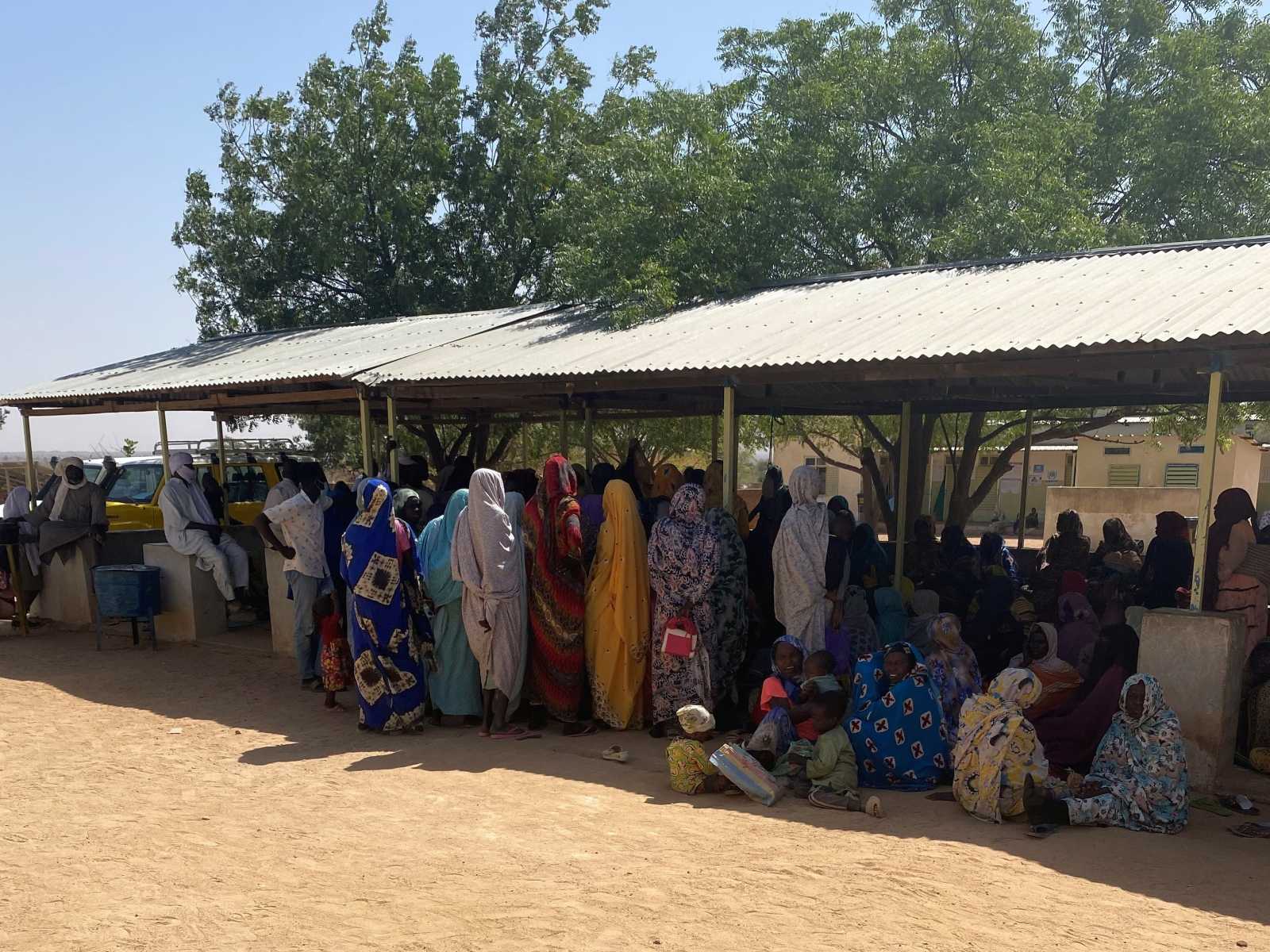
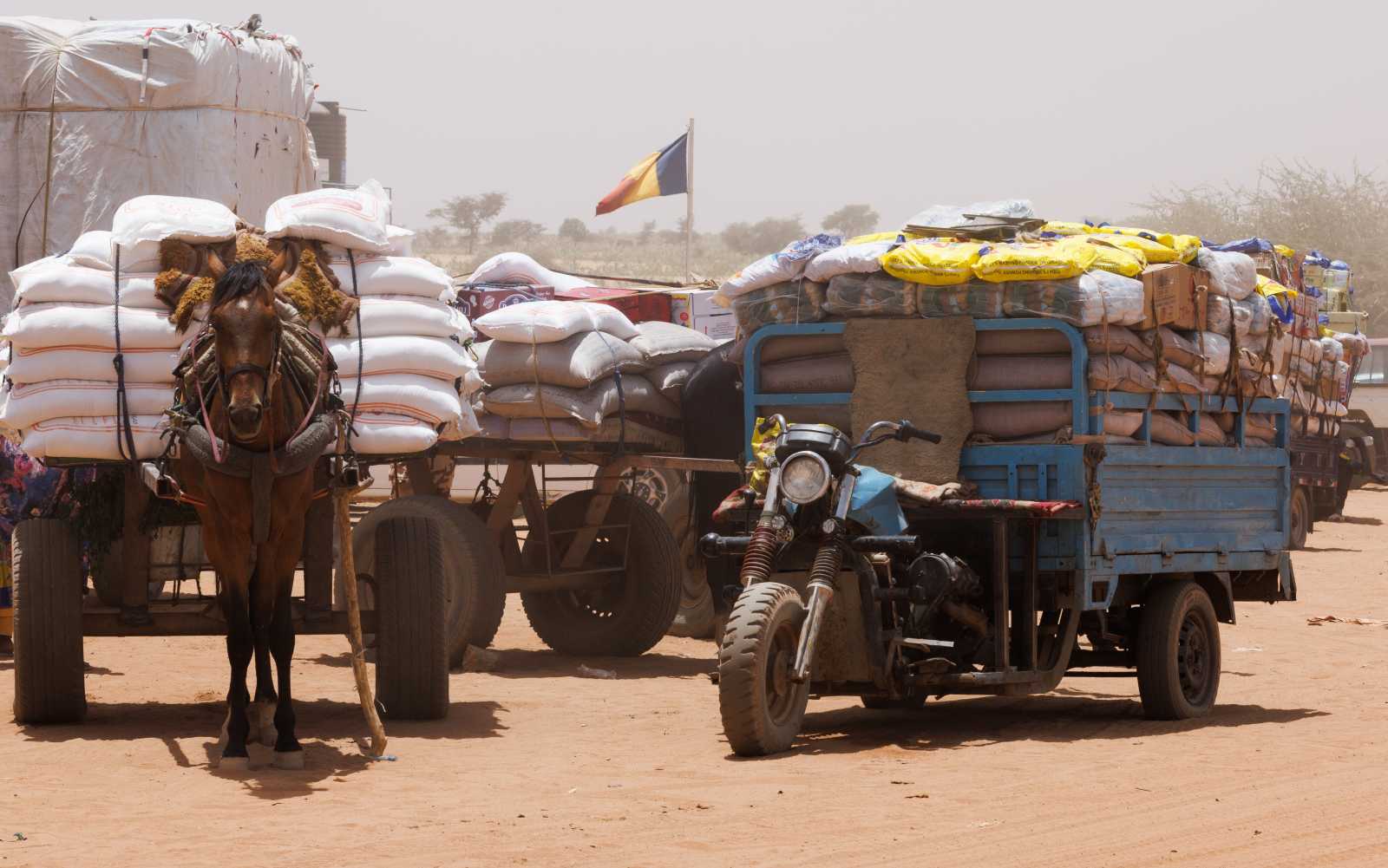
People have arrived in Chad with nothing, fleeing violence and destruction. The humanitarian community – the UN Refugee Agency (UNHCR) and its partners – mobilised quickly to provide for basic needs. They established camps along the border in addition to those already existing since the first Darfur crisis, which started in 2003. However, the pressure on resources is enormous. The border region is almost desert-like, with limited water and arable land.
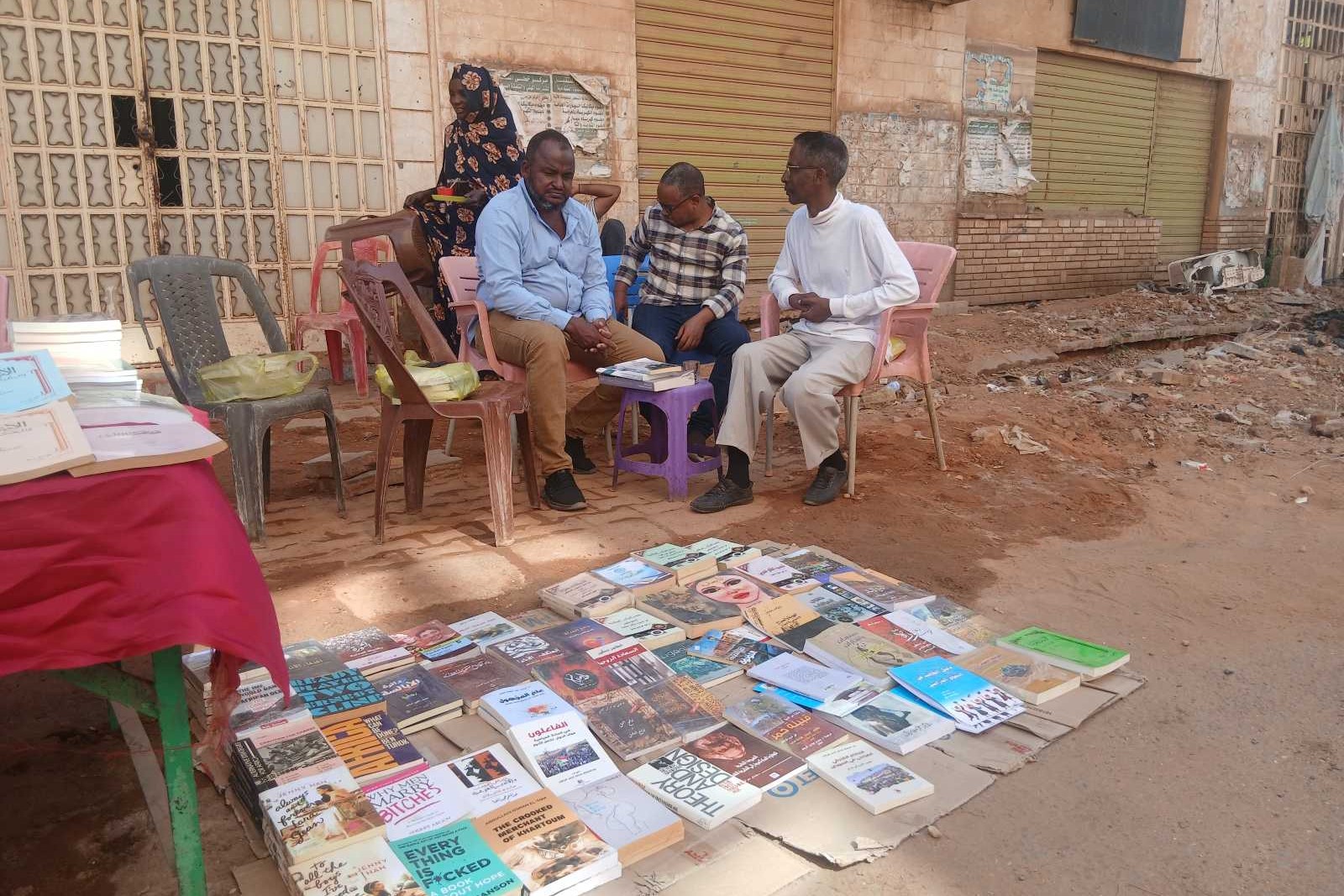
At the same time, the cost of living is rising, especially in communities near the refugee camps. Prices for basic goods have increased sharply, creating additional hardship for local populations who were already struggling. The war in Sudan has disrupted the social fabric along the Chad-Sudan border. Some ethnic groups live on both sides of the border and used to cross it freely to trade, maintain social ties, or seek medical treatment. Sudan has a reputation for good doctors and hospitals, and people relied on specialised health services there. That option no longer exists.
How have the local communities responded to hosting such large numbers of refugees?
The Chadian people have shown remarkable hospitality. Despite our initial fears that tensions might escalate into open conflict, there has been widespread acceptance and generosity from host communities – people providing food for refugees who have just crossed the border, for example. Serious conflicts over resources remain rare, though isolated incidents do occur. However, we cannot predict how long local populations will be able to sustain this level of tolerance.
What about the government? Do they provide support?
We are truly thankful that the government grants us physical access to those communities and people, and that it allows humanitarian actors who are still working in Darfur to cross the border. However, the Chadian government faces severe resource constraints and governance challenges. It struggles to provide basic services to its own population, making it nearly impossible to adequately support the new refugee arrivals. This is why the humanitarian community has mobilised so extensively to provide assistance.
But this situation creates its own problems. There is a disparity between refugees and host communities. Local villages often lack water, health centres, schools and other basic infrastructure. In contrast, refugee camps – while far from ideal – typically have at least a school, a health centre and other services. When host community members see large NGO vehicles driving past their villages to the camps, they can feel abandoned and resentful. These feelings could grow if the disparities persist.
How are international humanitarian organisations dealing with this situation?
Humanitarian actors have recognised that the traditional approach of isolating refugees in separate camps is not sustainable, especially given declining funding. They are now attempting a strategic shift. Instead of creating new camps, they aim to integrate new refugee arrivals closer to existing villages. When they build a school or health centre, it serves both refugees and host communities.
This approach also seeks to attract development partners who can invest in local infrastructure. The logic is clear: if refugees eventually return to Sudan, the infrastructure will remain and benefit Chadians. Investing millions in camps that might be abandoned makes little sense. However, this shift faces significant obstacles.
Can you give an example?
Near existing villages, there is no available land. Community members already own the land, and they are reluctant to give it up. Everyone remembers that some refugees have been in Chad for more than 20 years. If you give land to newcomers, you may never get it back. That is why authorities must identify specific locations where land is available and can accommodate 20,000 to 30,000 people at once. This makes planning and integration extremely difficult.
At the same time, the government is officially supportive, but its strategy is not realistic everywhere. While authorities may provide land and space for refugees in some areas, they rarely allow full integration into existing communities. Instead, refugees are placed in small annexes near villages – which recreates the same disparities in treatment and assistance levels.
How does the humanitarian situation differ from previous displacement situations in Chad, especially the one after the first Darfur crisis over 20 years ago?
The situation has deteriorated, primarily because of funding availability, media coverage and competition between different crises. When the Darfur crisis started in 2004, there was extensive international attention. The world spoke about the genocide in Darfur. High-profile figures like George Clooney visited the region. Funding was still limited then, but it was far greater than what we can mobilise now, and we could offer far more services.
I remember when new refugees arrived, UNHCR could mobilise different partner organisations within three to four months. Now, with the budget cuts, it is extremely difficult to react. We are one of only two health partners in the entire east of Chad. UNHCR gave us money to work for just three months this year – from January to March. After March, we do not know what we will do. This is the first time this has ever happened.
Do the experiences of the people arriving today differ from those who arrived 20 years ago?
When you talk to people, their stories are almost the same in terms of brutality and the way they have been hurt in their villages. There is rape. There is fire. They kill men. Families arrive broken. They walk for 10, 20 days – I do not know exactly how long – to reach the Chadian border. But they have no choice.
What is different now is the means of warfare. Before, there were intercommunal clashes where one group attacked another, burned villages, killed animals and destroyed food stocks. Now they come in vehicles, with drones and equipment I cannot even name. But again, entire ethnic communities are targeted.
What are currently the most urgent humanitarian needs of Sudanese refugees in Chad, and what support can the IRC offer?
We have been grappling with a question that has become a nightmare for us: How do we prioritise among priorities? We can see the enormous needs, but the resources we have after the global budget cuts are extremely limited.
In Chad, we work primarily in the health sector. This includes the full range of services: primary healthcare, nutrition, maternal and child health and mental health. We also have some funding for WASH (water, sanitation and hygiene). When refugees have just arrived, water must be provided immediately, so we use trucks to bring water to identified points and provide it to people directly.
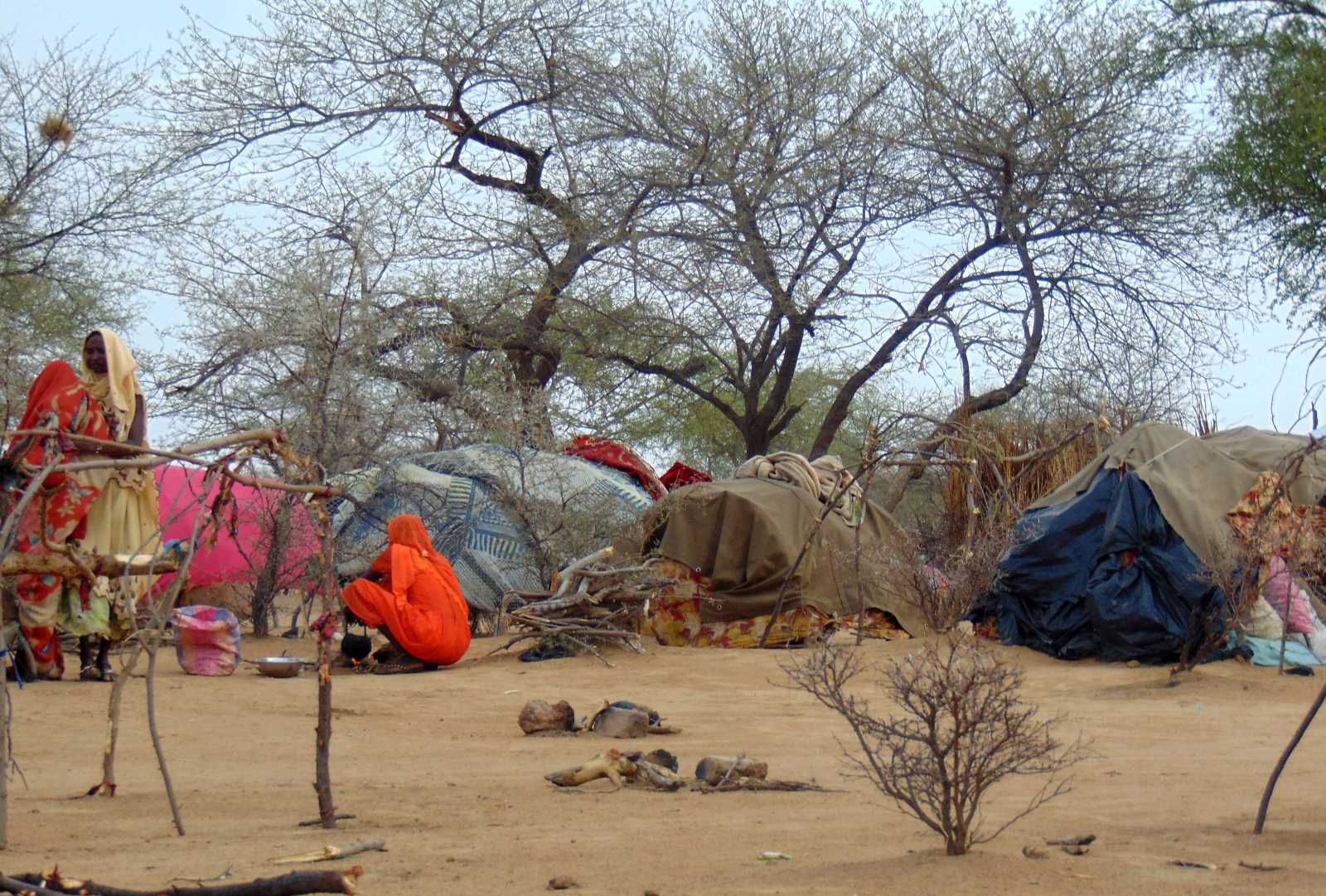
Another priority is shelter, which our partners provide, yet they too lack resources. Some refugees stay for more than six months without anything. They are sleeping under trees. And of course, food is also critical. The IRC does not distribute food, but we run nutrition centres especially for malnourished children, as part of our health programmes.
We also prioritise protection, which includes prevention and mental health support – specifically psychosocial services for victims of sexual and gender-based violence. Most women crossing the border have been victims of this kind of violence at some point.
The budget cuts are a fact, and if we look into the future, it does not seem to be getting any better. With that reality on the ground – how do you plan to manage the humanitarian situation in the longer term?
This is a very difficult question. Different things have been tried and explored by different actors, but none of them can be a standalone solution.
One is the “villagisation” approach I mentioned earlier – placing people close to existing villages. Another strategy is to work with government services, but they also have limited resources, even for their own population. We already know this is not sustainable.
Another approach some are trying now is to mobilise development actors – the World Bank, UNDP and other organisations that are not specialised in humanitarian assistance. But these actors struggle to mobilise resources as they face funding cuts in their areas as well. We also look to non-traditional donors – private sector donors. All we can do is keep trying. Money, unfortunately, is key to our work.
How did the IRC deal with the sudden funding cuts, especially from the US?
There was a stop-work order, and we had to halt our work in different camps around the world. However, the IRC mobilised some private funding for Chad, and we were able to keep our services running. Not one nutrition centre was closed, even for a single day here. For me, the way the IRC responded globally was remarkable. The organisation said: “Okay, whatever decision is coming, these are very critical services for us. We need to continue.” Because, first of all, we are humanitarians.
Would you venture to predict the future of the region in light of the war in Sudan?
I can tell you what I hope: that the conflicting parties will find a way to reach common ground; otherwise, this will never end. The two protagonists in the conflict are both strong and supported by various alliances. But the conflict will not be resolved solely through military means. Diplomacy needs to prevail in order to reach a peace agreement and ensure lasting peace.
If it lasts longer, there is a significant risk that this conflict will contaminate eastern Chad. It happened already a few weeks ago, when we had an attack on neighbouring villages. The Chadians did not fight back. They chose to stay calm. But this can escalate very, very quickly.
What key message would you like to deliver to the international community?
Do not forget. There are so many people, so many stories, so many lives that are affected by this conflict. It is easy to say: “Last year our government supported with one million euros, so we are good.” But people here are still suffering. To all those people out there who still have the heart and the mission to support: they should continue. We know the situation is very hard. There is competition between different crises and needs in many countries.
The Sudanese crisis has been going on for so long. Some people may be tired – it can feel exhausting that after so many years people are still crossing the border: new refugees, same needs. But again, try to think about the Chadian people who have been receiving these refugees. They should not bear the burden alone. They still need support to be able to provide support.
Alain Rusuku is the IRC Country Director for Chad.
alain.rusuku@rescue.org