CO₂ compensation
For VW to receive CO₂ credits, the Maasai’s cattle must run faster


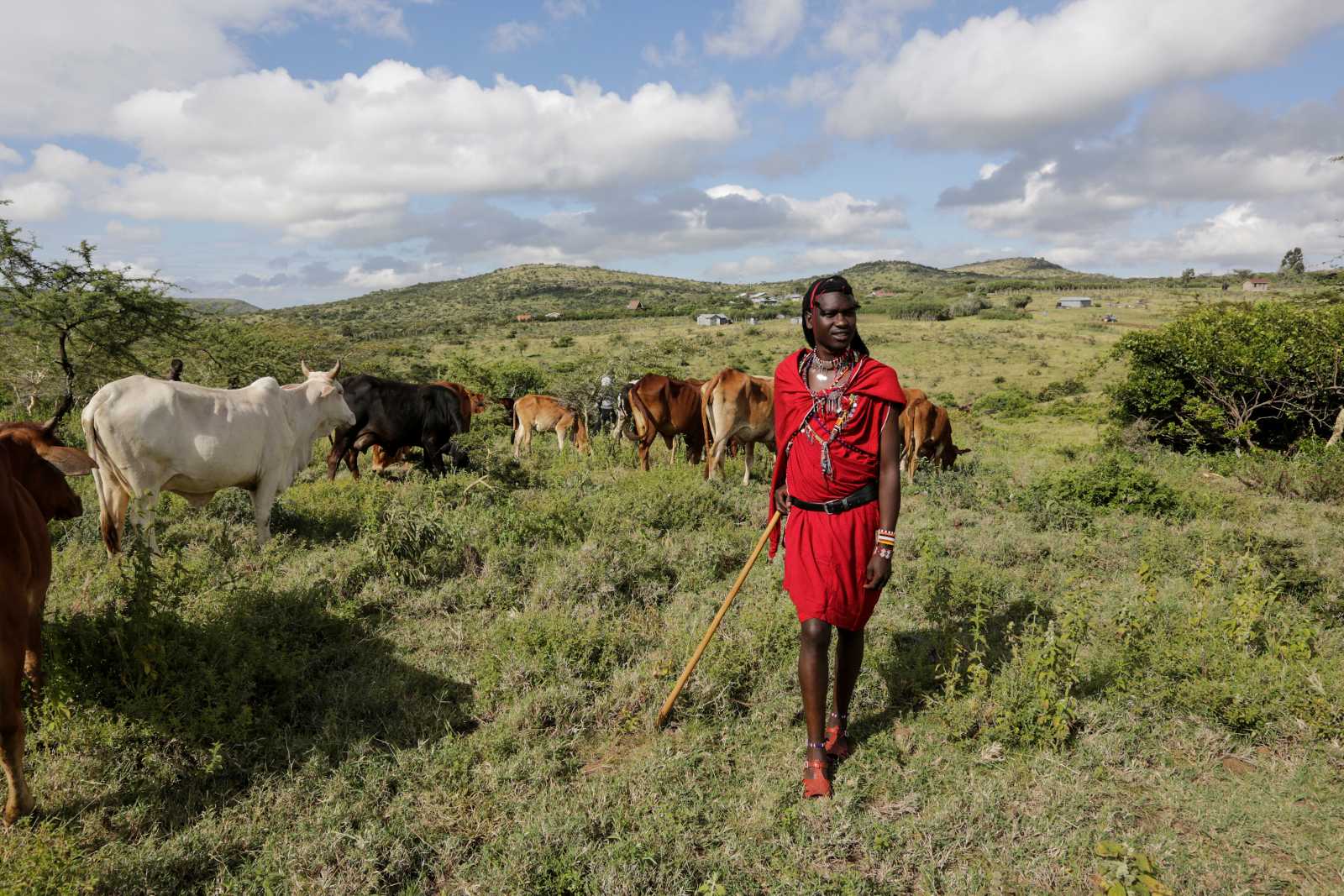
German car manufacturer Volkswagen, which in Tanzania has been known until now primarily for its car models popular with civil servants, is now in the spotlight for a different reason. It is funding a large-scale carbon offset project. The Maasai and their herds play an important role in this, but the Indigenous people largely reject the project as it conflicts with traditional practices that are vital to their livelihoods.
The Longido Monduli Rangelands Carbon Project is developed by the civil-society organisation Soils for the Future Tanzania in collaboration with the Biodiversity Research Institute and supported by Volkswagen’s environmental consultancy joint venture, Volkswagen ClimatePartner. The project is designed to promote a vast grassland ecosystem across two districts in northern Tanzania by accelerating the grazing rotation of Maasai herds.
As a result, the nomadic herders will have to move their livestock to new grazing areas more frequently. Instead of grazing on the same pasture every three months, the cattle are now to be moved to a new pasture every two weeks.
“Rapid Rotational Grazing Plan”
The “Rapid Rotational Grazing Plan” aims to maximise carbon storage in the grasses. Whilst the Maasai are used to moving freely with their herds across the vast grazing lands in line with seasonal fluctuations, under the CO₂ offset project they would have to adhere to a rigid 14-day rotational grazing cycle. According to the project design, their cattle would be grouped and moved following a fixed timetable, with the pastureland divided into time-defined blocks so that the carbon content in the soil can be measured and monitored.
One assumption underpinning the project is that rapid rotational grazing schemes enable Maasai herders to mimic the natural migratory patterns of their livestock, thereby reducing overgrazing and improving soil health. Similarly, by introducing sustainable grazing practices, the communities are expected to promote biodiversity and generate income, as the sequestered carbon can be sold to finance conservation measures. The aim is to create a sustainable financing model that supports the restoration of land and local livelihoods.
A second premise is that overgrazing by livestock destroys perennial grasses, compromises the protection of the topsoil and reduces the reliability of the food supply for livestock herds. Degraded soils lose carbon and become more vulnerable to climate risks and natural disasters. Conversely, alternating between grazing and allowing the grasses to rest leads to an increase in soil organic matter, thereby mitigating the effects of climate change and promoting the resilience of local ecosystems.
Knowledge dating back centuries
Critics of the project argue, however, that the concept of carbon offsetting is flawed in many respects. It seems that the focus here is more on the carbon footprint of a European company than on the survival of the nomadic herders.

Usually, the Maasai’s grazing routes are determined by the availability of water, the pattern of the dry season and the movements of their grazing livestock. The Maasai’s grazing patterns and mobility not only form a central pillar of their traditional culture but also make a sustainable, positive contribution to the conservation and resilience of arid grazing lands.
The Maasai know the valleys where water collects during the dry season, including the corridors they must follow when it rains, as well as the months in which they should move on or remain in one place. This knowledge is passed down from generation to generation. It is precisely these habits that make the grazing lands of the East African Rift Valley ecologically valuable.
The new project requirements make such traditional grazing practices impossible, as the Maasai must now comply with carbon sequestration requirement. There are serious concerns: the indigenous population could lose control of their traditional grazing lands and no longer be able to continue centuries-old practices. They also fear, in particular, losing access to sacred land for rituals and to medicinal plants that are indispensable to them.
Unlawful procedures?
“Our lives are inextricably linked to nature. Thanks to our deep-rooted knowledge, we understand better than anyone how to protect everything around us for future generations,” says Daudi Lembile, a Maasai from the village of Ngasavela near the Kenyan border. He adds that the practice of block-rotation grazing fails to take into account the seasonal fluctuations that are crucial for ensuring that the herds have access to salt-rich valleys and nutrient-rich plants that are available only during certain periods of the year. Oleng’yo Loketo, who is also a Maasai from the same village, takes the argument a step further: “If you drive us away from our sacred sites and ritual places, it is as if you were killing us.”
The CO₂ offset programme covers almost 970,000 hectares of pastureland, which is to be bound under contracts with terms of up to 40 years. The Maasai lawyer Edward Porokwa believes the block-rotation system is essentially designed to drive them out of areas where they have lived for centuries. Joseph Oleshangay, another Maasai lawyer and human-rights activist, has also repeatedly argued in various forums that projects interfering with people’s use of their land without their consent are unlawful.
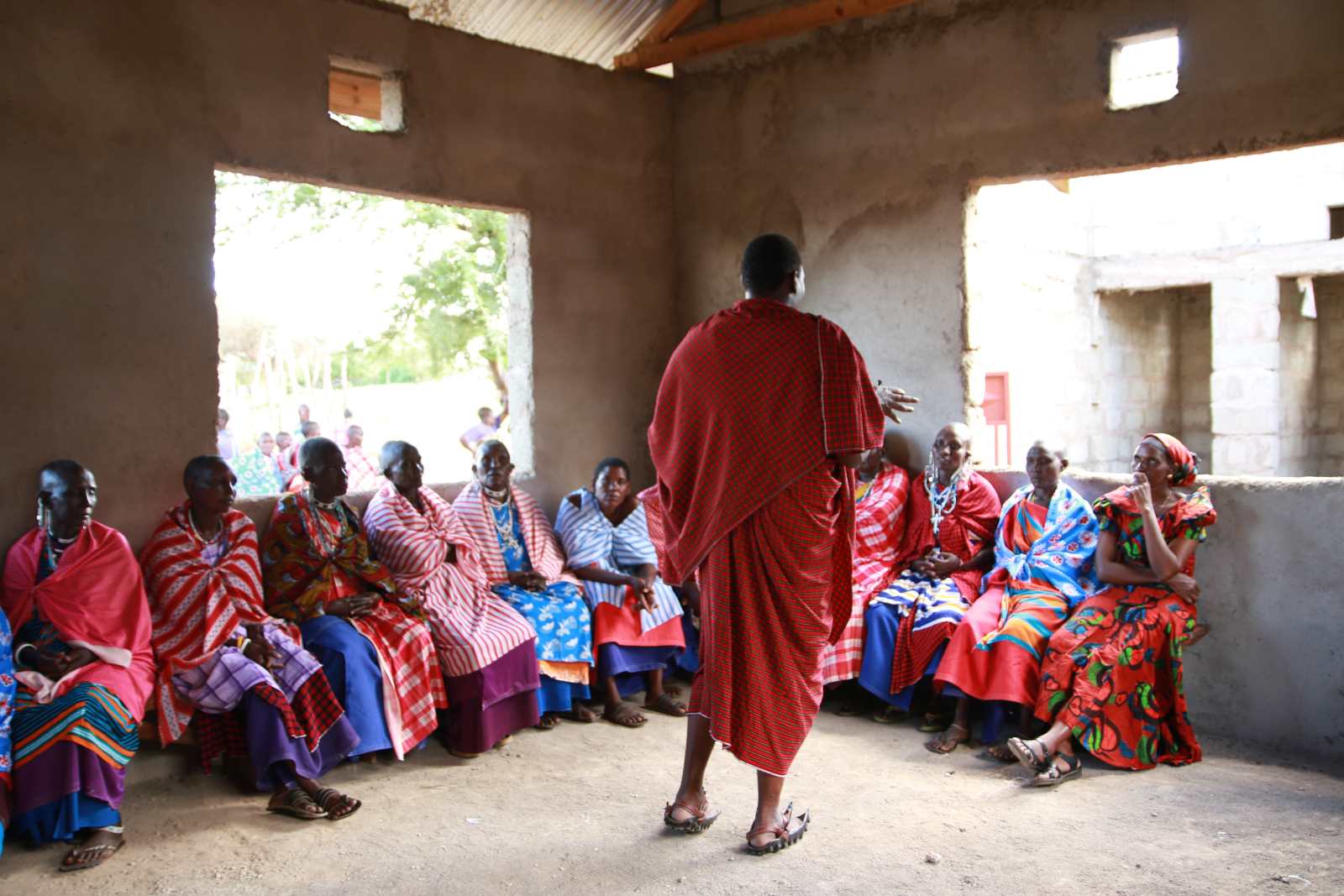
A 2025 investigation by the non-governmental organisation “Maasai International Solidarity Alliance” (MISA) revealed shortcomings in project management, such as questionable advance payments to villages and a general lack of transparency, for example when concluding contracts. According to the findings of the NGO, in some cases the communities were given contracts in a foreign language, without having received any legal advice and without being able to participate meaningfully in the process.They claim the project was being pushed through hastily to secure signatures of consent, without the local population – who lack basic knowledge of carbon markets, contractual terms and their consequences – having given their informed consent.
According to MISA, all villages are being offered a so-called engagement or dowry payment of two dollars per hectare. Greenpeace says that emissions allowances for the same areas can fetch up to ten times that amount on global markets. The organisation also points out that Tanzania’s 2022 emissions trading regulations were designed for forests, not for rangelands. This means that projects aimed at sequestering carbon in the soil operate in a grey area.
Cultural decay
However, Soils for the Future Tanzania rejects all allegations and states that the consultation meetings in the villages are held in Swahili and in the Maasai language Maa, and that no contract is signed until the communities have agreed to its terms.
With regard to traditional grazing routes, Soils for Future Tanzania states that the rotation blocks are based on traditional migration patterns and are in line with the grazing season. Furthermore, communities must retain their land rights under the project and continue to manage the land with their livestock. Moreover, according to the civil-society organisation, the majority of the project staff on the ground are Maasai from the local villages.
Lawrence Kilimwiko is a journalist based in Dar es Salaam, Tanzania.
reyegidebulambo15@gmail.com
This story is part of The 89 Percent Project, an initiative of the global journalism collaboration Covering Climate Now.