Food security
How farming initiatives preserve Zimbabwe’s mopane worms


The mopane worm is the caterpillar stage of the moth Gonimbrasia belina, which is native to southern Africa. The caterpillar feeds mainly on the mopane tree and is an important source of food for the local population, particularly in rural areas. Over the past 20 years, the mopane worm harvests in Zimbabwe have been fluctuating, affecting food security and wellbeing of people who rely on them for protein, fat and zinc in the face of drought.
Mopane worms are under threat, however. Due to climate change, deforestation and early harvesting for commercial purposes, the species has become locally extinct in some areas. In 2024, the drought caused by El Niño, which has left almost 7.6 million people in Zimbabwe hungry, has exacerbated the shortage. Low harvests have deprived communities of protein and zinc, leading to hunger, malnutrition and a lack of income.
Teaching sustainable worm harvesting strategies
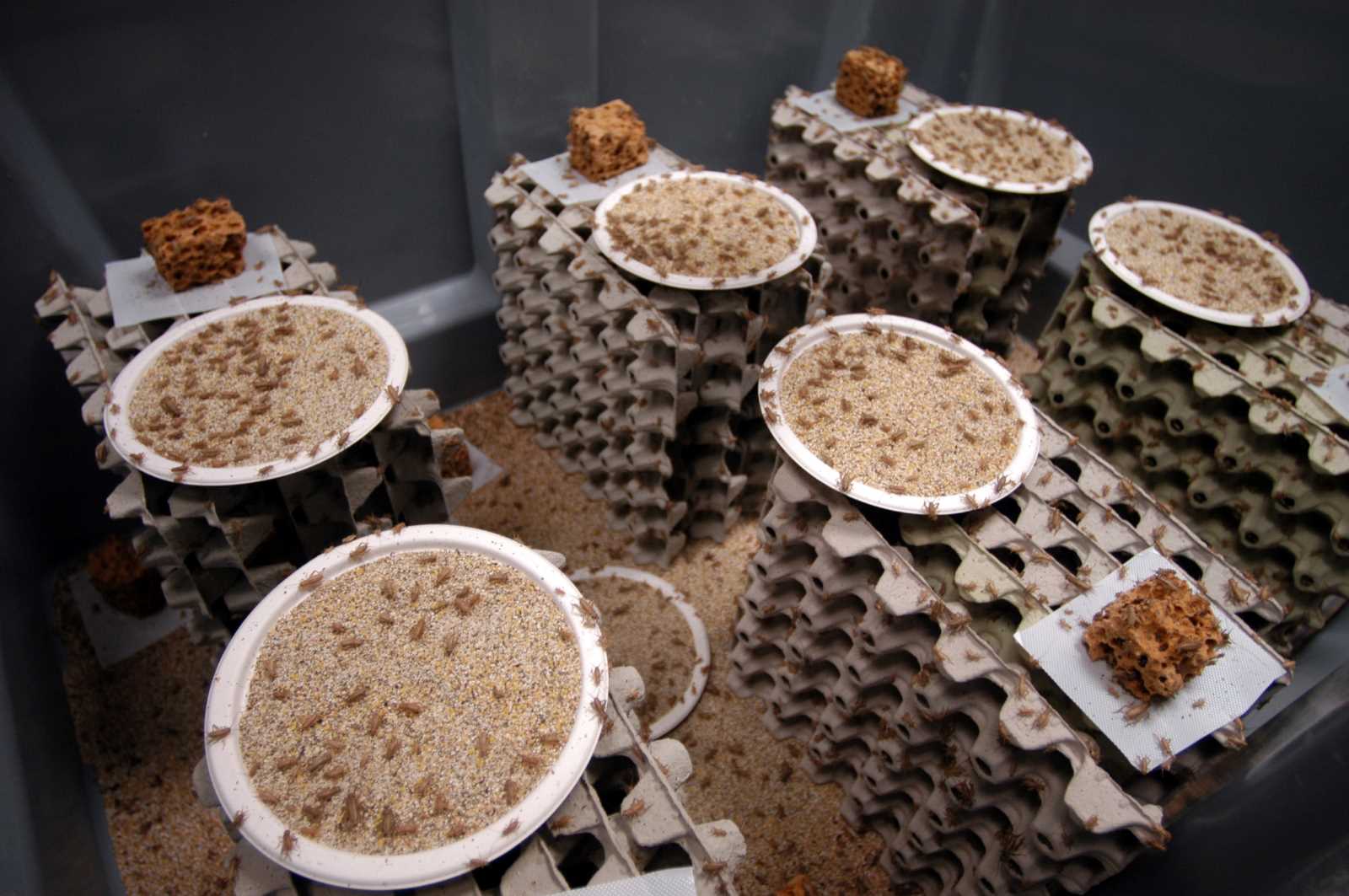
Blessing Mutedzi is a farmer based in Chiredzi, a city in the south-eastern part of Zimbabwe. He has established a mopane worm breeding project to maintain their dwindling population. The venture, which started in 2015, seeks to increase supply and safeguard the worms from unsustainable practices in the woodland such as over-harvesting and deforestation.
With the training he got from a local college, Blessing Mutedzi now educates other farmers on sustainable ways of harvesting the worms. “We are the only ones doing mopane worm farming. I’ve never heard of anyone else doing this,” he told the news platform New Zimbabwe.
The farmer said they release some of the caterpillars they breed into the forest where they turn into moths. This helps to maintain the species in the wild. Since they started doing this, he has consistently harvested around 20 kilogrammes of worms per month.
Another project has been launched to semi-domesticate mopane worms, according to Lesley Macheka, who is leading the Innovation and Industrialisation Directorate at Marondera University of Agricultural Sciences and Technology (MUAST). “It is high time we start thinking of semi-domestication of mopane worms to ensure sustainability and availability of mopane worms,” he said. “I am happy this is already happening in the country, though still at a small scale.”
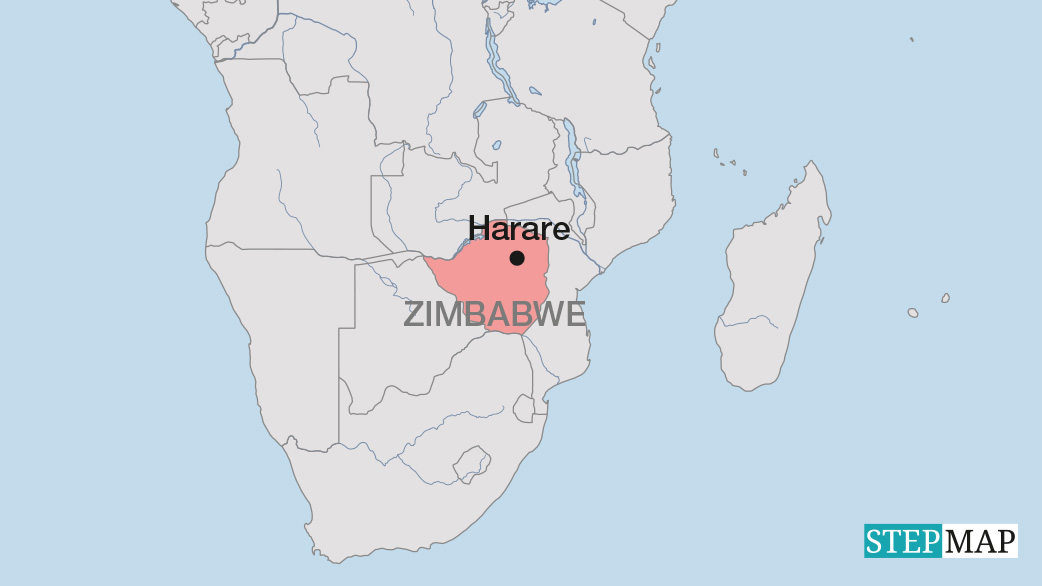
Derick Matsengarwodzi is a freelance journalist based in Harare, Zimbabwe.
derickm01@gmail.com