Democracy
What the world needs to learn from African movements


On 4 November, Zohran Mamdani won the mayoral race in New York City in a historic victory. Observers in Western democracies often praise Mamdani for his powerful messaging to voters, but they rarely acknowledge the more than 100,000 campaign volunteers he mobilised or the vibrant citizen movement they embodied. Movement building plays a crucial role in strengthening and sustaining democracies. In Africa, we understand this well: how to channel outrage and despair into collective action and organised resistance.
On the African continent, we have seen two waves of youth-led movements in the 21st century. The first wave came from my generation of millennials, spanning the period from roughly 2010 to 2020. I grew up under a dictatorship, seeing only one president for 23 years, until the revolution in Tunisia began at the end of 2010. I was part of the youth movement that changed the course of history and brought an end to President Ben Ali’s rule.
In hindsight, some now claim that democratic transitions have been “worse” than the dictatorships they replaced. I’m often asked: Was it worth it? My answer is always yes. Change may be incremental, but it adds up. Democracy is not just about hope; it’s about agency. Once people break through fear, they begin to reclaim their power and demand accountability. I believe you cannot stay silent just because you fear things might get worse. Without change, they almost certainly will. Since 2010, thousands of protests have erupted across Africa, and youth-led movements have ousted at least 10 dictators. These were not just protests – they were regime changes.
The second wave of youth-led movements is driven by Generation Z and emerged from 2020 onward. Their struggle is no longer framed as the old battle between dictatorship and democracy. Instead, it focuses on governance, accountability and on whether governments act in the public interest. This new movement is increasingly anti-colonial in nature. Gen Z is rising up against the entire system that sustains colonial legacies: IMF debt traps, currency controls such as the CFA franc, the unfinished business of apartheid and the entrenched inequalities of slum economies. Their resistance is not only directed against corrupt older leaders, but against a system designed to maintain dependency across African nations.
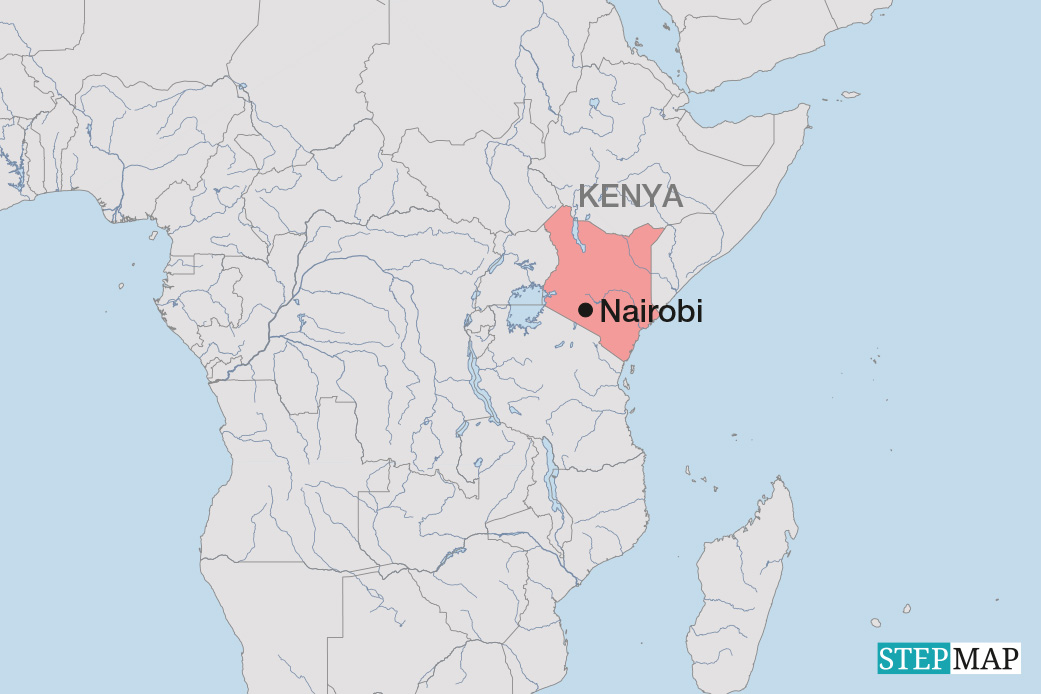
In Kenya, Gen Z protests over the past two years have challenged an IMF-backed finance bill, calling for transparency and youth-centred economic reform. In Madagascar, a recent wave of demonstrations erupted in response to chronic service failures, high unemployment and collapsing governance structures. In Morocco, decentralised networks such as “Gen Z 212” have mobilised to demand health and education services, prioritising basic rights over football stadiums and spectacle.

These youth movements offer four key lessons.
1. People’s power
Across Western democracies, even among progressive parties, the dominant concerns are now the cost of living and migration. Political debate has shifted towards managing voter anxiety rather than mobilising collective imagination. There is an overwhelming focus on voter behaviour, polls and sentiment, but little attention is paid to organising: to building movements that can sustain democracy beyond election day.
Where institutions are weak, it is citizens and social movements that hold leaders accountable. Yet rather than learning from this, many democracies have begun to define themselves by fear. In the US and Europe, there is a growing narrative that is centred around identifying an enemy – someone to blame for economic hardship or political stagnation.
But we don’t need an enemy. Politics cannot be sustained by scapegoats, democracy cannot be defended by fear. It shouldn’t be about attacking opponents or casting villains, that path only leads to polarisation. We must move beyond the politics of victimhood, the constant messaging about whom to fear, whom to blame, whom to silence. This course will ruin any politics of vision. If democracy is reduced to finger-pointing and grievance, authoritarian leaders will always win. Our task is to show that democracy is stronger when it empowers citizens, not when it demonises opponents.
2. Democracy must deliver dignity
If the cost of living is the most important issue for voters in Western democracies, voters in Africa are concerned about jobs with dignity. In Tunisia, our revolution’s slogan was “Jobs, Freedom and Dignity”. It was about financial freedom. Our concern is for the more than 12 million young people who enter the workforce in Africa every year, only a fraction of whom find decent work. In 2013, my own brother Adam was recruited by Daesh (Islamic State). He was a newly graduated engineer, educated like most youths in Tunisia, where the literacy rate among the 15–24 year olds is above 95 %, yet the majority unemployed. He had knowledge. But he had no opportunity.
Access to knowledge without access to opportunities is access to frustration. That’s what happens when imagination fails. When democracy offers no dignity, young people look elsewhere for meaning. Then we act surprised when young people rebel, leave their countries, fall into the clutches of drugs or armed groups or die in the Mediterranean in search of real opportunities. What other choice do we leave them?
That is why our fight for democracy should not be just about ballot papers and constitutions. It must be about jobs, freedom and dignity. It is about giving young people something to believe in so that they do not believe those whose promises require violence.
We need to look beyond voting behaviour, which after all is simply shaped by political discourse. It seems increasingly as if the ultimate goal of political parties is to win elections rather than to deliver for the people. Democracy has likewise been reduced to the performance of winning rather than serving the people. Western democratic parties should stop responding to far-right narratives and start organising around the everyday struggles that define people’s lives, work, housing, education, care and hope.
3. Intergenerational shared leadership
There is a leadership crisis, but there is also a representation crisis of women and young people. In Africa, the average age of our leaders is around 63, while the average age of our population is just under 20. This means that an entire generation is locked out from power. The old guards, which remain patriarchal and isolated, are systematically extending retirement ages and presidential terms while shrinking every pathway for new leadership to emerge.
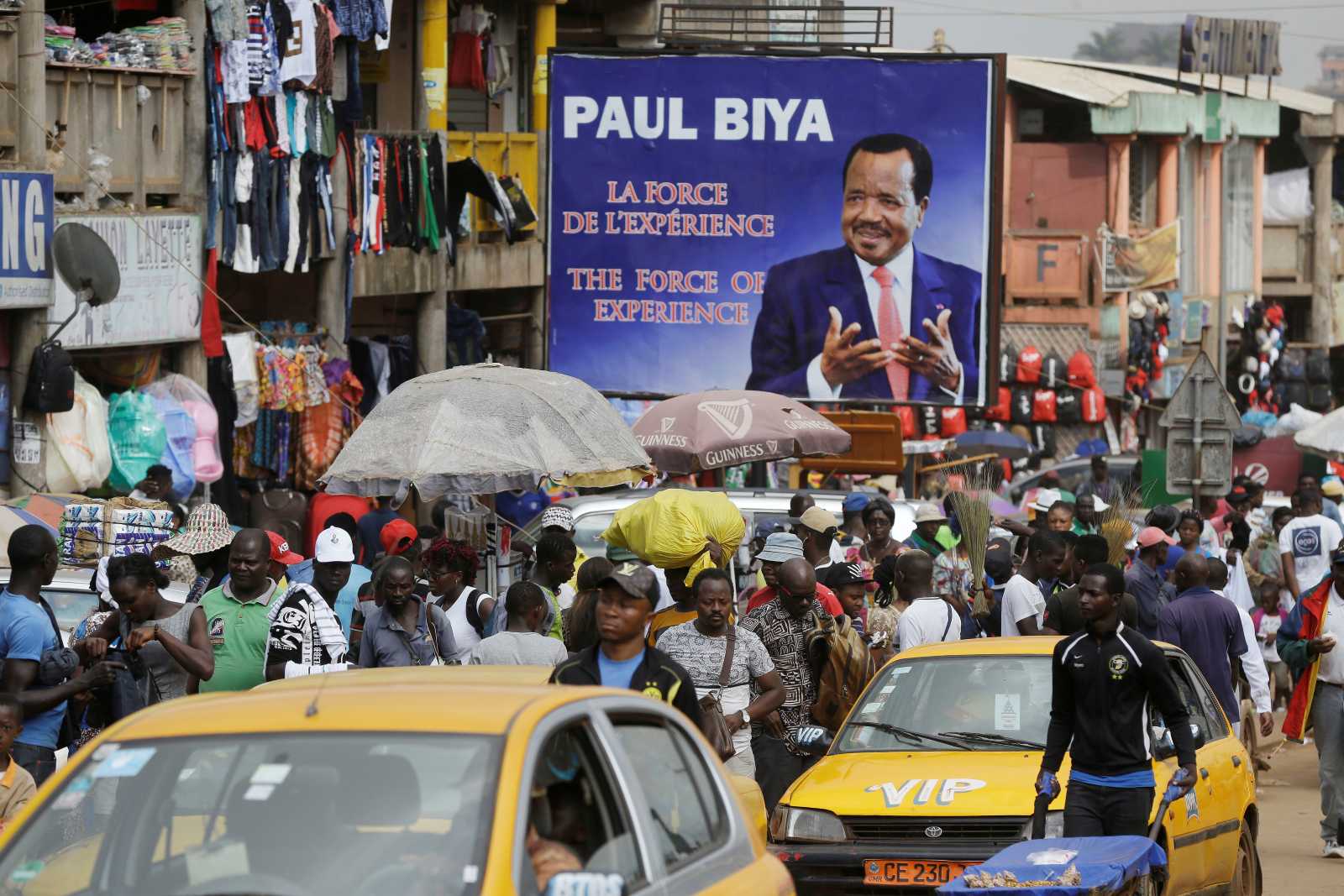
This is not just a generation gap, but a democratic blockade. The people shaping our future are those least affected by it. The result is politics that is outdated, male-dominated and detached from the pressing realities of our time like climate, jobs, technology and care.
Young people take to the streets when no one listens to them. This is why we must lead with imagination and view young people as partners, innovators and co-leaders, not as a risk to be managed. True democracy requires renewal. It must be intergenerational, feminist and fearless enough to transfer power.
For Africa and elsewhere, this means that those who wish to support democracy must invest in progressive young feminist leaders who are already building alternatives, rather than in those who are just waiting to take over broken systems.
4. Support democratic initiatives worldwide
We must address extreme inequality. According to Oxfam’s latest report, the wealth of the five richest men has doubled in the last five years, while the wealth of the five billion poorest people has declined. The problem with extreme wealth is not that it is used to buy yachts and mansions, but that it is used to buy elections, justice and public opinion. Billionaire Elon Musk alone spent more than $ 250 million on the 2024 US elections. It makes no difference whether it’s in Africa, Europe or elsewhere: rich people shape politics to serve their interests. Extreme wealth can manipulate democracy.
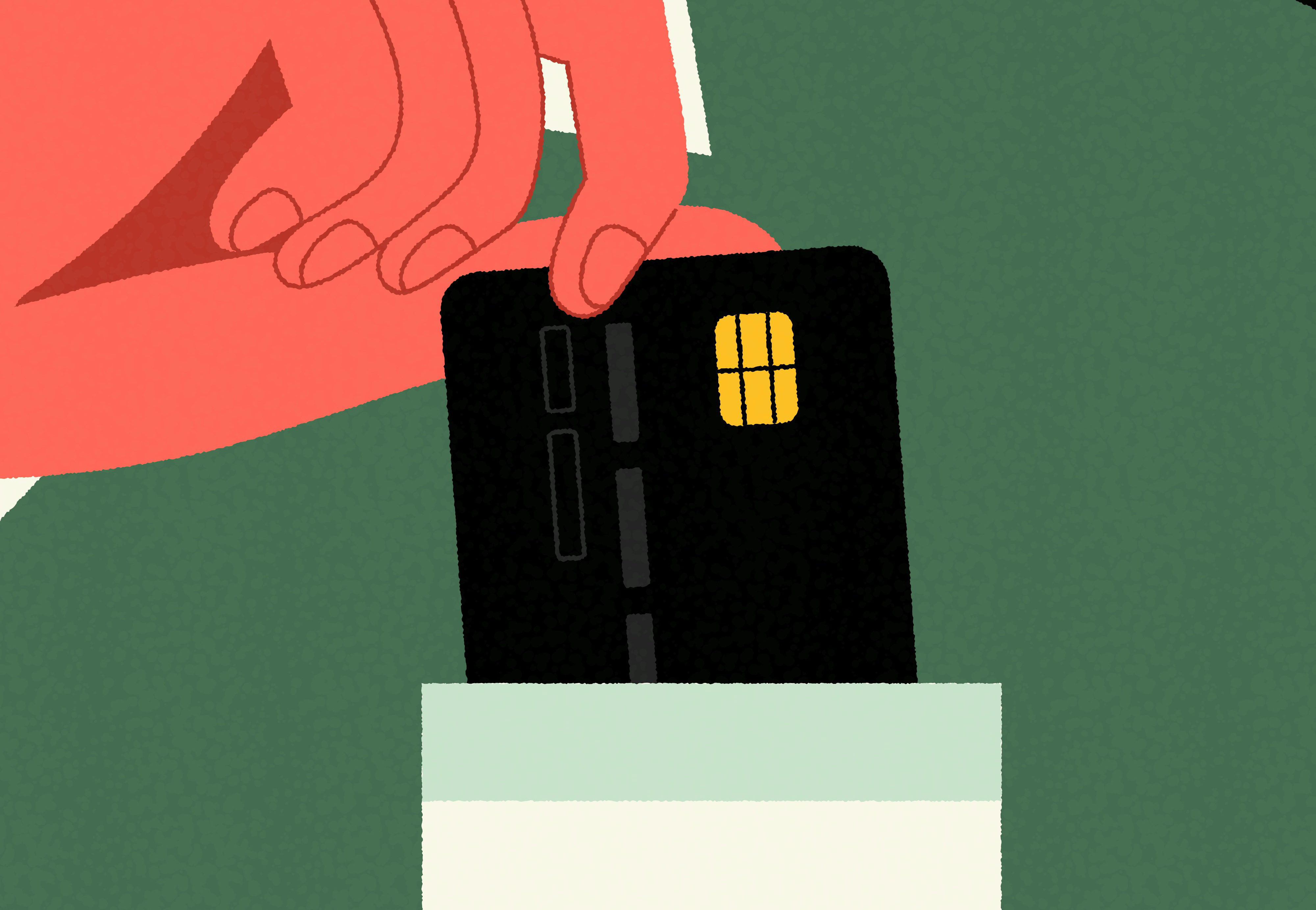
In the most recent US election campaign, extremely wealthy families spent $ 2.6 billion to get Trump back into the White House, and yet people seem surprised that the far right is winning all over the place. If the far right can mobilise billions to undermine democracy everywhere, why is it so difficult to invest in those who are fighting to defend it?
The truth is that many want to spread democracy around the world but are not willing to put money into supporting those who actually defend it. Africa is expected to take the side of Western democracies in major global conflicts, but where are the sustainable investments to build democratic trust, civil infrastructure or feminist political movements? How can you expect solidarity if you have not cultivated it?
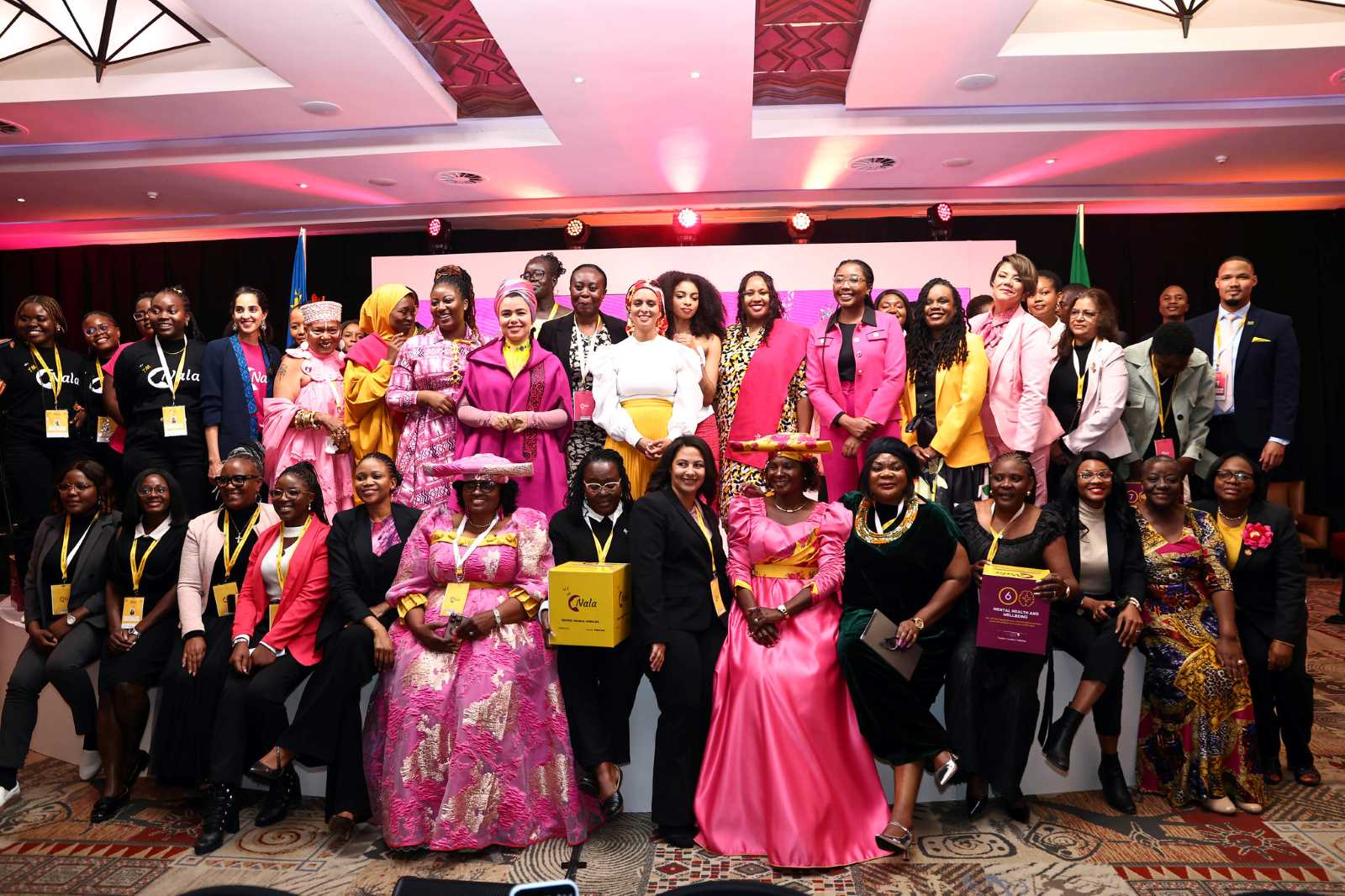
In early July, we organised the Nalafem Summit in Freetown, Sierra Leone, as a counter-event to the “Strengthening Families” conference, a far-right event sponsored by the Church of Jesus Christ of Latter-day Saints and with speakers from other conservative networks from the US to export their ideology to Africa. We brought together over 100 progressive female leaders. But not a single funder from the so-called progressive institutions that claim to defend democracy supported us. In fact, we still owe money to our suppliers.
We are defending democratic values with deficits, debts and austerity. If this does not change, we will lose confidence in global progressive actors who say the right things but are not prepared to put their money where their mouth is.
Think and act truly globally
With a view to strengthening our global progressive movement, I invite our allies in Europe and the US to think globally and act globally. When we talk about “global”, we still focus on European and American anxiety about controlling migration flows rather than addressing the root causes: wars, climate collapse, debt crises and governance failures in other parts of the world.
All too often, the West still comes to Africa to teach democracy. But perhaps today it is the West that needs to learn how to defend democracy when institutions are weak, inequality is high and hope itself is under threat. Africa is fighting this battle every day, and we are still standing.
Aya Chebbi is a Pan-African Feminist, former African Union Special Envoy on Youth and Founder of Nalafem, a multigenerational collective advancing women’s political leadership across Africa.
hello@ayachebbi.com
ayachebbi.com