Elections
Paul Biya is a time loop that Cameroon can’t seem to escape


Biya’s supporters describe his continued rule as the people’s choice, portraying him as a steady and experienced leader capable of guiding the country through national and regional turbulence and promoting development.
Others argue that Cameroon’s political system prioritises continuity and control over competition. Critics cite a complex interplay of structural, political and psychological factors – such as state dominance, elite loyalty, weak institutions and democratic deficits – that are collectively hampering Cameroon’s development. In their opinion, irregularities in the election invalidated the result.
Since assuming power in 1982, Paul Biya has entrenched his authority through a dense network of patronage, clientelism and bureaucratic control. Following the introduction of multiparty politics in 1992, he effectively dealt with political pluralism by positioning his party – the Cameroon People’s Democratic Movement (CPDM) – at the centre of state power. A study concludes that Biya has installed 1536 senior members of the political administration, 94 % of whom are CPDM members (Mişcoiu and Kakdeu, 2021).
Cameroon’s political landscape is rooted in the past and offers limited space for genuine political inclusion, let alone change. The country’s public administration plays a central role in maintaining the current political order. It is a tool for political preservation. Appointments, promotions and resource distribution depend on political loyalty rather than merit. This politicisation has blurred the line between the state and the ruling party. And while Biya’s administration has largely avoided overt repression, critics argue that it has undermined institutional legitimacy and eroded public trust in the political system.
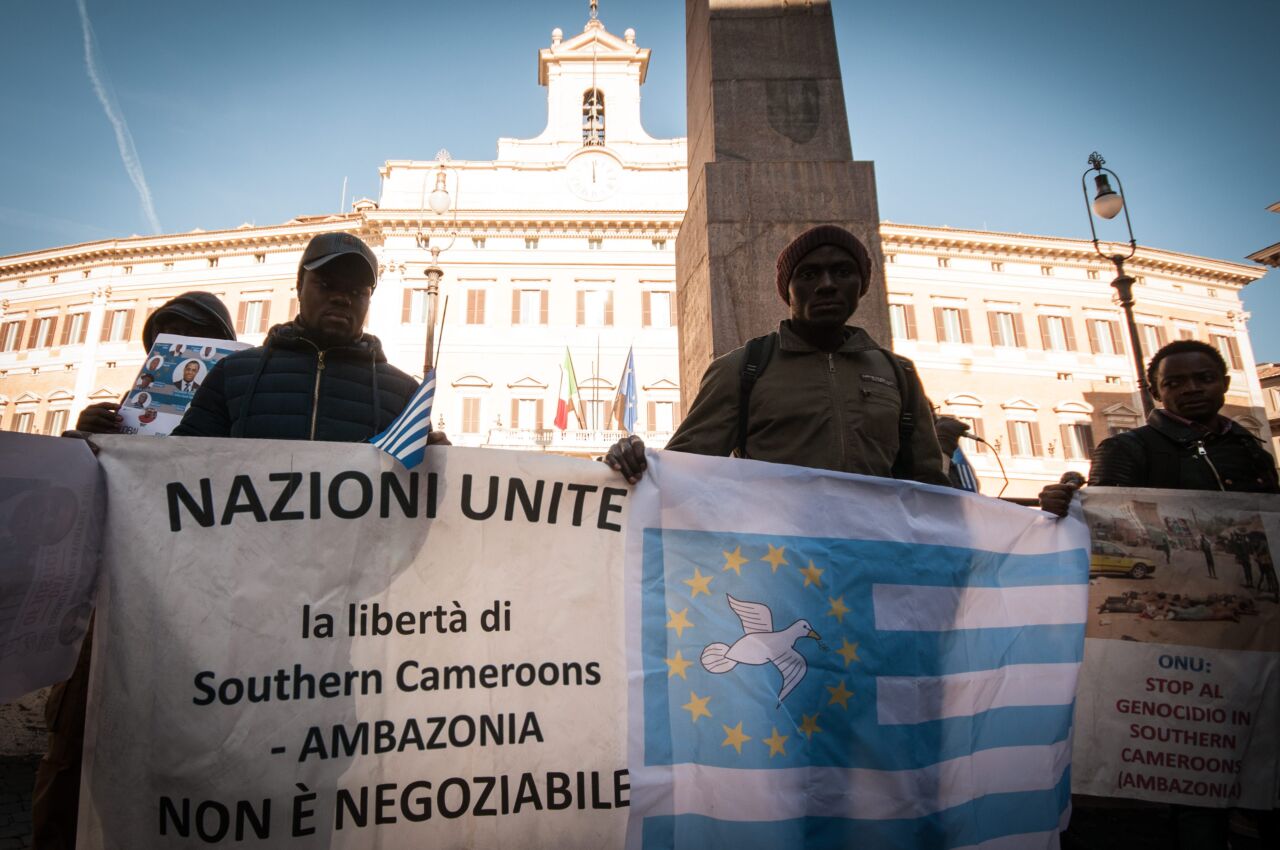
Against this backdrop, Biya’s victory in the 2025 presidential election came as little surprise. Yet many Cameroonians had anticipated a different outcome. With over 60 % of the population under the age of 25, there is a glaring gap between a government led by a 92-year-old and the country’s youth. High unemployment, limited opportunities for political participation, persistent frustration over corruption and institutional inefficiency over the decades all contributed to the sense that his re-election was unlikely. This sentiment was further fuelled by the unresolved and seemingly endless violent conflicts in various regions of Cameroon.
Democratic fatigue
Many observers describe Cameroon’s current political trajectory as one marked by “democratic fatigue” – a widespread disillusionment with democratic processes that fail to produce tangible change. For many Cameroonians, the 2025 election was not so much a democratic contest as a ritual reaffirmation of entrenched power. Although political pluralism formally exists, the opposition remains fragmented, marginalised and subject to repression. State institutions are highly politicised, bureaucratic inertia prevails, and selective justice is common. The lack of autonomy and credibility of the electoral commission further reinforces the perception that elections do not alter the balance of power. Biya’s re-election ultimately signals a preference for preserving the status quo rather than embracing reform.
Similar patterns of governance prevail across the Economic Community of Central African States (ECCAS): ageing leadership, manipulated political transitions, electoral irregularities and institutional weakness. Throughout the region, the rhetoric of stability often conceals a deeper reality of democratic stagnation.
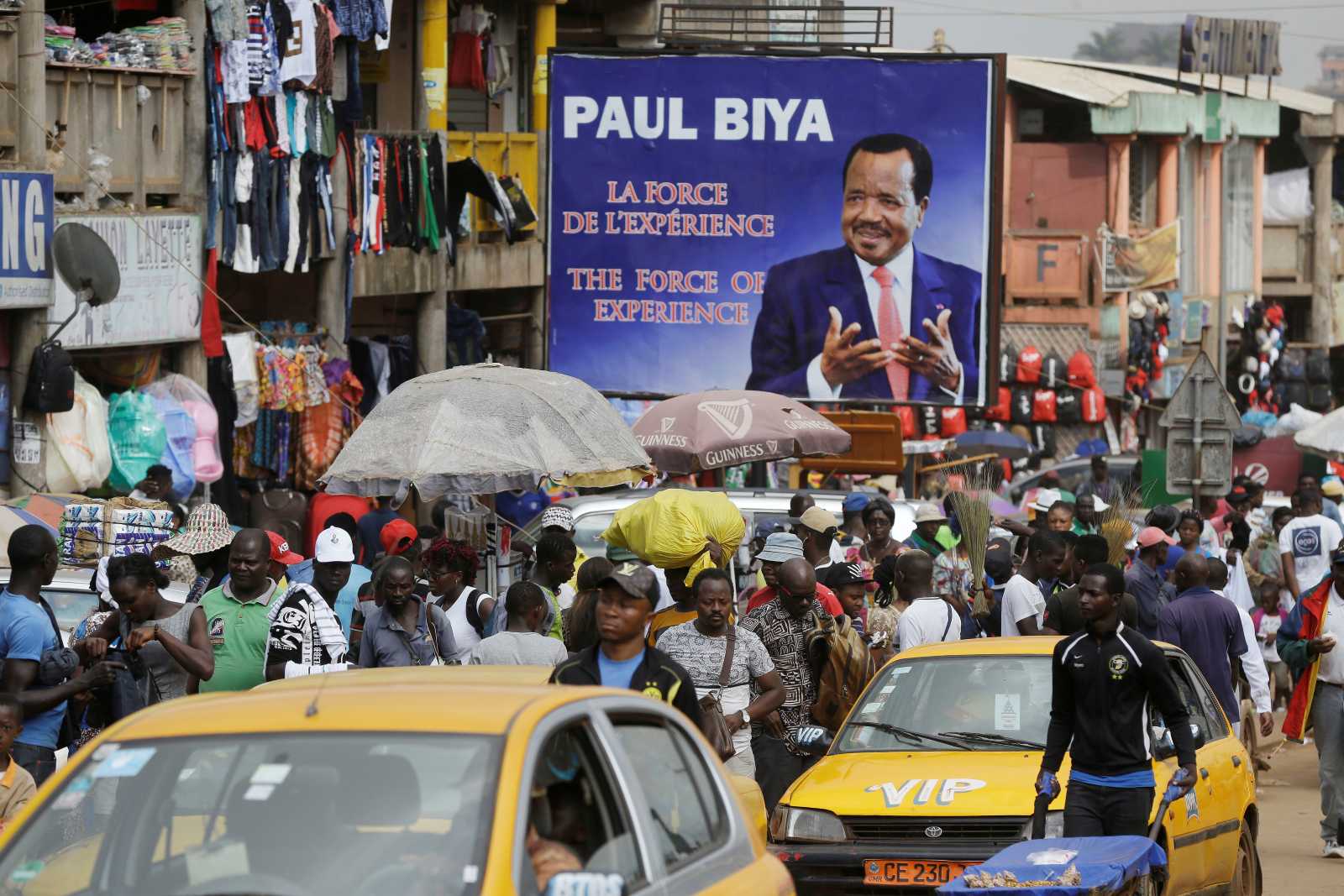
Paul Biya’s re-election sends a signal that this will continue, thereby influencing political calculations throughout the region. As a key player in ECCAS, Biya’s adherence to a policy of non-interference and gradual diplomacy raises questions about the bloc’s normative strength and credibility. ECCAS increasingly appears to be a zone of controlled instability, where conflicts are contained but rarely resolved.
Cameroon is at a critical juncture, both nationally and regionally. Domestically, the government under President Biya urgently needs to rethink its approach to leadership. Reforming Cameroon’s political culture is essential to ensuring stability, particularly with regard to a possible transition – even within the ruling elite. The reality is that, at 92 years old, Biya will not remain president for much longer, and there’s growing pressure from a young, frustrated and increasingly restless population, as well as a volatile geopolitical environment.
The pursuit of continuity could become the country’s greatest mistake. Cameroon must abandon the illusion of permanence and begin to envisage a new political order within ECCAS. To maintain its influence in the regional community, it should align itself with those global examples that prioritise inclusivity, generational change, accountability and governance reforms.
Epah Mfortaw Nyukechen is a programme assistant at the Friedrich-Ebert-Stiftung (FES).
epah.nyukechen@fes-kamerun.org