SDGs
How Peru has progressed despite political turmoil


Javier Bronfman in an interview with Eva-Maria Verfürth
Many countries in South America have a much higher SDG score than Peru, with Chile, Uruguay and Argentina at the top of the rankings. Yet Peru is the country that has made the most progress over the last decade. What has happened here?
Peru came from a low starting point and has made impressive progress, even though it is still behind in many areas. Much of this progress has been possible due to high economic growth, which has been remarkably pro-poor. The country relies on revenues from natural resources and mining exports, and a considerable part was invested in social policies such as education and social-protection schemes.
In other words, would you say that Peru’s progress towards achieving the SDGs was mainly possible because it was a period of economic prosperity for the country?
In part, yes. Chile’s economy grew a lot a couple of decades ago and there, too, the indicators improved during that period. However, while economic growth can create momentum for development, it doesn’t always have this effect. What’s notable in Peru is that growth translated into meaningful social investment, which hasn’t been the case in all Latin American countries. Progress has been driven by a combination of economic development and sound policy.
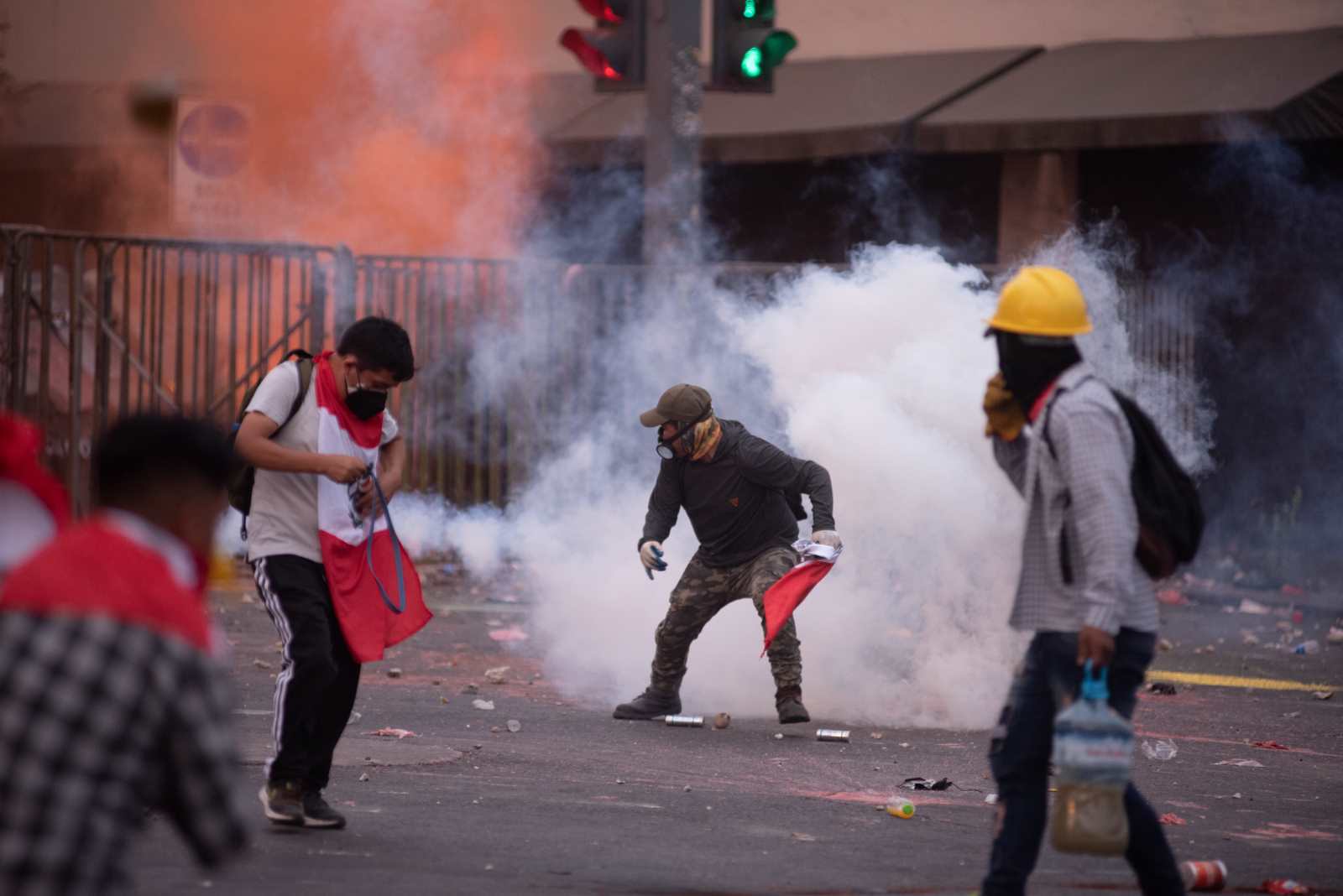
This is a surprising statement given Peru has seen high political instability in recent years. In October, former president Dina Boluarte was removed from office following huge protests and civil unrest. How could the country progress under such conditions?
Indeed, Peru has had seven presidents in just ten years, and many of them have afterwards been sentenced to prison or house arrest. Ministerial turnover has also been high. Such instability typically weakens institutions and hinders sustainable development. It also scares off foreign investment, which is an obstacle to economic growth. But that didn’t happen in Peru. Foreign investment, particularly in the extractive sector, remained strong.
Why did institutions continue to function?
One reason is strong technical leadership within public institutions. CEPLAN, for example, the National Centre for Strategic Planning, has been doing excellent work in diagnosing challenges and setting long-term strategic goals. The education ministry has also had capable leadership. These actors ensured continuity despite political instability at the higher level. They have the capacity to implement impactful policies, and they have been driving the country in the right direction. Another reason is that Peru has already had rather well-designed social policies, such as cash-transfer programmes and a focus on education.
Education is the only SDG that Peru has achieved so far. What did the country do?
Peru focused first on access to education, then on quality. Investments were made in teacher training, bilingual education and inclusion of Indigenous communities. The country has introduced new national education plans and teaching methods, and it has cooperated with international organisations. Local authorities have received more control to administer resources and investments. However, although the indicators have improved considerably, education quality is still far from excellent.
Perceived corruption is also a major issue in Peru. Transparency International ranks Peru 127 out of 180 countries. How does this not hinder development?
Perceived corruption at a high political level is one of the reasons for the current social unrest, and it definitely hinders development. A country cannot reach its development potential when its political leadership changes frequently. However, there’s another level of corruption, which is embedded in informal networks of mutual support. This goes from the bottom of the pyramid to the higher ranks. People don’t always perceive these exchanges as corruption, and in some cases, it even fosters a kind of social cohesion. When everyone participates in the network of favours and no one is left behind, it can be beneficial in an otherwise unstable and informal setting.
Could you explain a little more?
Informality in Peru is widespread – not just in the labour market, but in how society functions. People help and rely on each other because formal systems often don’t work. This gives them adaptability and resilience. It also creates flexibility: fewer formal constraints make it easier to change jobs or start a business when circumstances change. When external shocks happen, like the pandemic, people find ways to survive. But while this may have some positive effects in the short and medium term, it’s no substitute for strong, reliable institutions in the long run. In the long term, it hinders human development, and we’re already seeing growing social unrest and human-rights issues. The Peruvian case shows that in development policies, we must also consider these local settings. There is no one-size-fits-all approach, and not every country will follow the same development path.
In which areas is Peru still falling short of the SDGs?
Many areas need attention: poverty, hunger, health – especially malnutrition and anaemia – and inequality, not just in income but also in access to services and opportunities. Rural and urban areas face distinct challenges and have very different needs that must be addressed. Environmental indicators are poor too, even though regulations have been put in place and international treaties signed. However, the implementation remains weak, which is particularly troubling given that Peru is highly exposed to extreme weather events like mudslides, droughts, forest fires and heavy rains. The country needs resilient infrastructure.
Why is environmental regulation difficult to enforce, while the social sector has performed rather well?
There can be many reasons for this, such as leadership and institutional capability. However, environmental protection is also a politically sensitive area. The mining industry is key to the economy, so there’s hesitation to pursue sustainable mining seriously, for instance. Many people also still believe that climate protection means limiting economic growth, not only in Peru. But that’s simply not true. There are many business opportunities in the renewable-energy sector as well as in building adaptation and resilience to climate change.
How has Latin America as a whole fared in development in the last years?
We’re at a critical moment. The region is facing another lost decade with low productivity and little economic diversification. There have been setbacks in development, especially in the social sector. External shocks, especially climate-related ones, have hit the region hard due to weak coping systems. For example, poverty rates in the region had been falling since the 1980s, but the pandemic reversed much of that, and it’s been hard to catch up. Even though some people have moved out of poverty, they remain vulnerable and could easily be set back by any shock. In the Regional Human Development Report 2025 we have therefore set a focus on building resilience. It is not enough to simply lift people out of poverty; we must also keep them out. This involves protecting them against climate disasters, providing insurance, growing the economy to create job opportunities and offering upskilling programmes.
You’re part of the team that is writing the “Democracy and Development in Latin America and the Caribbean” report by UNDP, which will be published next year. Why is democracy a crucial topic as well?
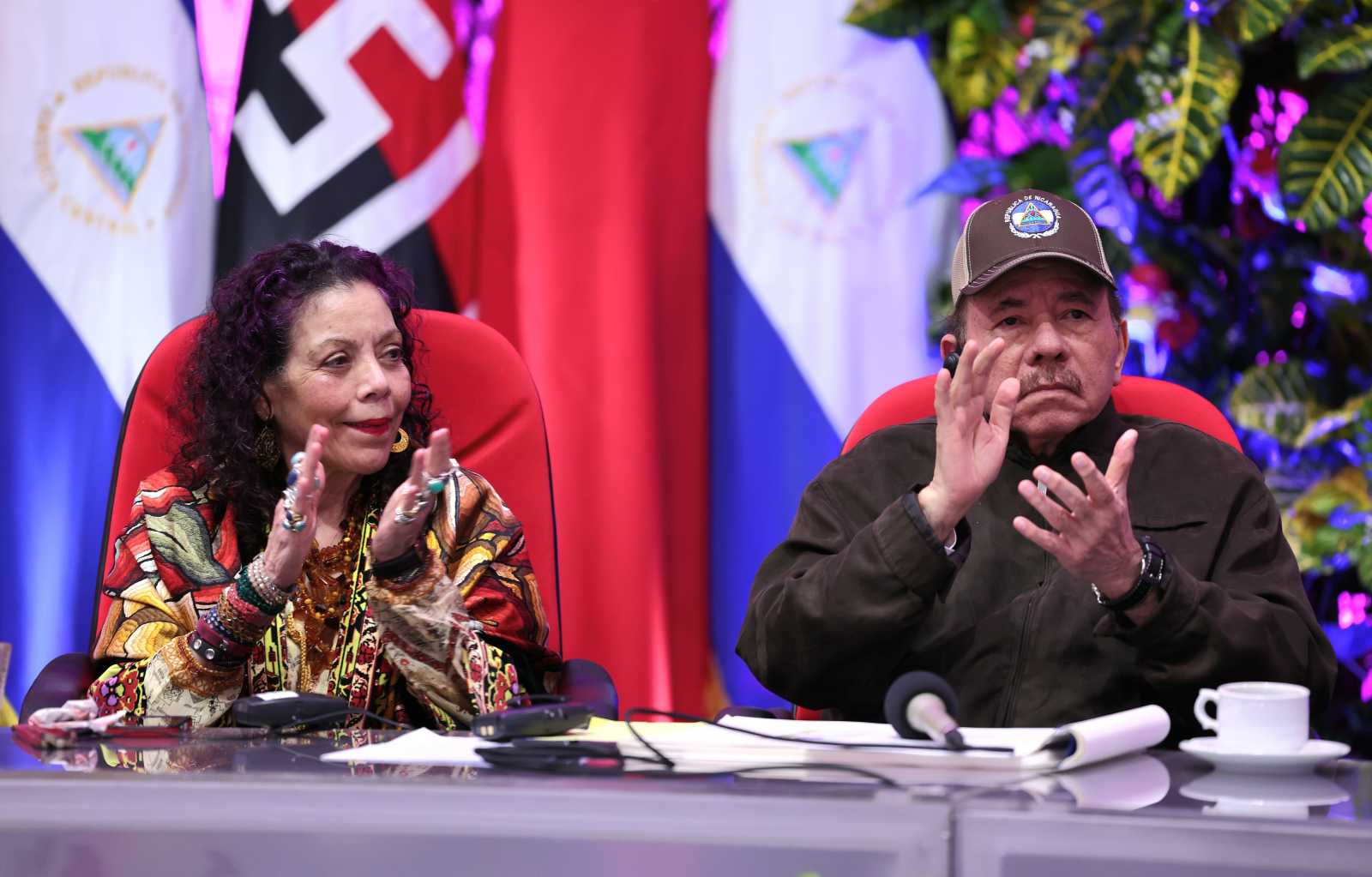
The region has made democratic progress, with most countries having sustained democratic governments and elections. But today, democracy is under pressure, even from within institutions. Polarisation is increasing and the political centre is eroding. This makes effective governance difficult and creates more space for authoritarian governments. It also has a negative effect on development outcomes and challenges any thriving economy.
Why do you think that democracies are under pressure?
I think there’s a crisis of the future. I’ve taught at university for 20 years and I see growing uncertainty and anxiety among young people. We need to give them hope again by working towards a world that invites participation and offers spaces where people can thrive, innovate and shape their lives. It is devastating that only around 18 % of the SDGs are on track to be met by 2030. However, every country has opportunities for improvement. We must identify these opportunities and tackle the challenges without getting stuck. That’s the only way forward.
Link
Briceño, V., Bronfman, J., De Los Ríos, C. and Villagarcia, F., 2024: New Effective Paths for Approaching the 2030 Agenda with Public and Private Actors amid Political Instability.
Javier Bronfman is regional adviser on SDG integration at the UNDP Regional Centre for Latin America and the Caribbean.
javier.bronfman@undp.org