Technology
How food aid sometimes serves US interests


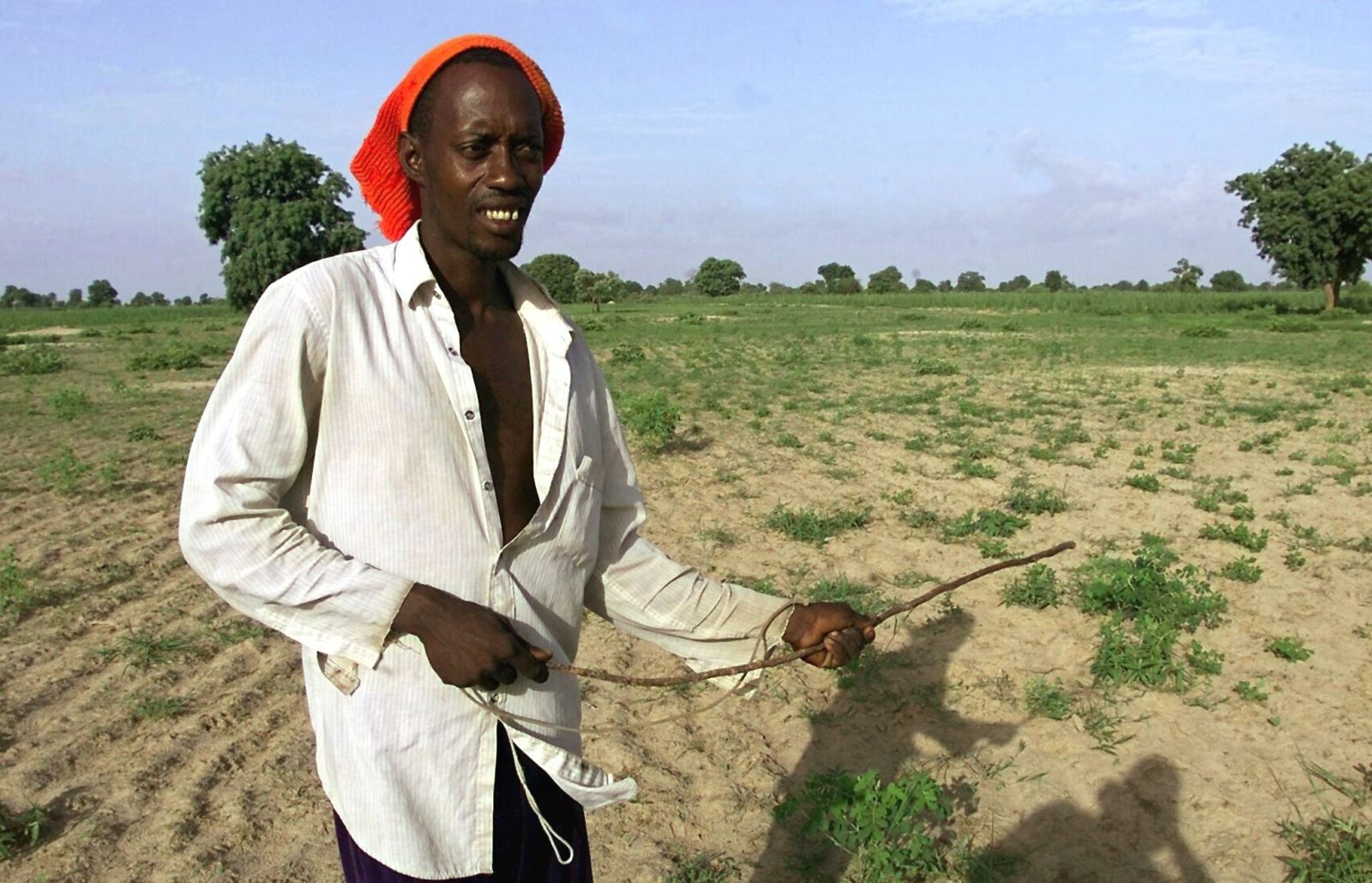
For example, the USA and the EU do not agree on the safety of genetically modified crops. In 2002, the US decided to include genetically modified maize in food-aid shipments to southern Africa. With some 14 million Africans at risk of dying of hunger, recipients gladly accepted those crops. By doing so, they implicitly also accepted the underlying technology.
Some argue that this aid package had as much to do with gaining leverage for genetic modification as with alleviating hunger. US food aid policy “was intended to promote the adoption of biotech crops in southern Africa, [thereby] expanding the market access and control of transnational corporations and undermining local smallholder production,” wrote Noah Zerbe of California-based Humboldt State University. He added that one result was greater food insecurity in Africa.
The US government might counter that genetic modification of crops helps to boost agricultural yields over time, thereby helping to prevent future food shortages. However, the US undeniably was pursuing commercial interests. The technology for genetically modifying seeds was developed in the US, and increased use of that technology boosted the revenues of the technology developers.
Charles Martin-Shields is a senior researcher at the German Development Institute in Bonn.
charles.martin-shields@die-gdi.de