Urban mobility
Walking and cycling: Africa’s undervalued path to sustainable mobility


Climate change is forcing cities to rethink how people get from A to B. The decisions made today will determine whether urban life becomes healthier and more resilient – or more congested, polluted and dangerous.
Global motorisation is accelerating, especially in Asia and Africa. Without strong policies, the number of vehicles on the road will continue to rise well into the middle of the century. In many cities, this surge is already stretching infrastructure to its limits and making it harder to meet climate goals and improve road safety. Public transport access remains uneven, with only about 60 % of the world’s urban population enjoying a convenient service. The consequences are serious: pedestrians are the most vulnerable road users and face disproportionate risks. They account for 21 % of road traffic deaths worldwide, rising to 33 % in the African region.
Although two thirds of countries have adopted walking and cycling policies, most commitments remain modest. This is a missed opportunity. Walking and cycling produce no emissions and support climate goals, especially when combined with public transport and land-use planning. They are also highly efficient, moving six to eight times more people per hour in the same road space as cars. Studies show they could replace over 40 % of short car trips. Creating safer conditions for people on foot and on bikes would also help reduce the toll of road accidents, which still claim around 1.2 million lives each year.
The benefits of walking and cycling – often referred to as “active mobility” or “non-motorised transport” – are increasingly recognised in global frameworks. They advance the UN Sustainable Development Goals (SDGs) by improving health, promoting gender equality, reducing emissions and making cities more sustainable. They are also highlighted in Nationally Determined Contributions (NDCs) under the Paris Agreement as fast, affordable, zero-emission solutions. UN-Habitat, in its work, emphasises that well-designed streets for pedestrians and cyclists, paired with strong public transport and integrated housing, reduce car dependency, expand access to jobs and services and foster climate-smart cities.
Why walking and cycling matter for Africa
Africa’s urban population will double from 700 million to 1.4 billion by 2050 – an increase of 700 million new urban residents. This growth offers great potential, yet for many people the opportunities of city life remain out of reach. Poor access to jobs, education, healthcare and social services keeps millions trapped in poverty. Transport is a big part of the problem. Today, only 34 % of urban residents in sub-Saharan Africa have convenient access to public transport – the lowest rate anywhere. Where services do exist, they are often unreliable.
Informal minibuses and paratransit services account for up to 70 % to 90 % of public transport, according to the Africa Transport Policy Program (SSATP), a forum on transport policy which comprises 43 African member countries. Though essential for daily mobility, they remain largely uncoordinated and profit oriented, covering only profitable routes with often unsafe conditions. Although new metro lines and bus rapid transit (BRT) systems are emerging, they often fail to reach low-income neighbourhoods. Affordability remains an issue too.
In the absence of reliable public transport and safe walking and cycling infrastructure, many people are turning to private cars and motorcycles. As populations grow and incomes rise, the number of vehicles in Africa could rise up to four times by 2050. Unless cities shift towards more sustainable forms of mobility, they face worsening congestion, air pollution and traffic hazards.
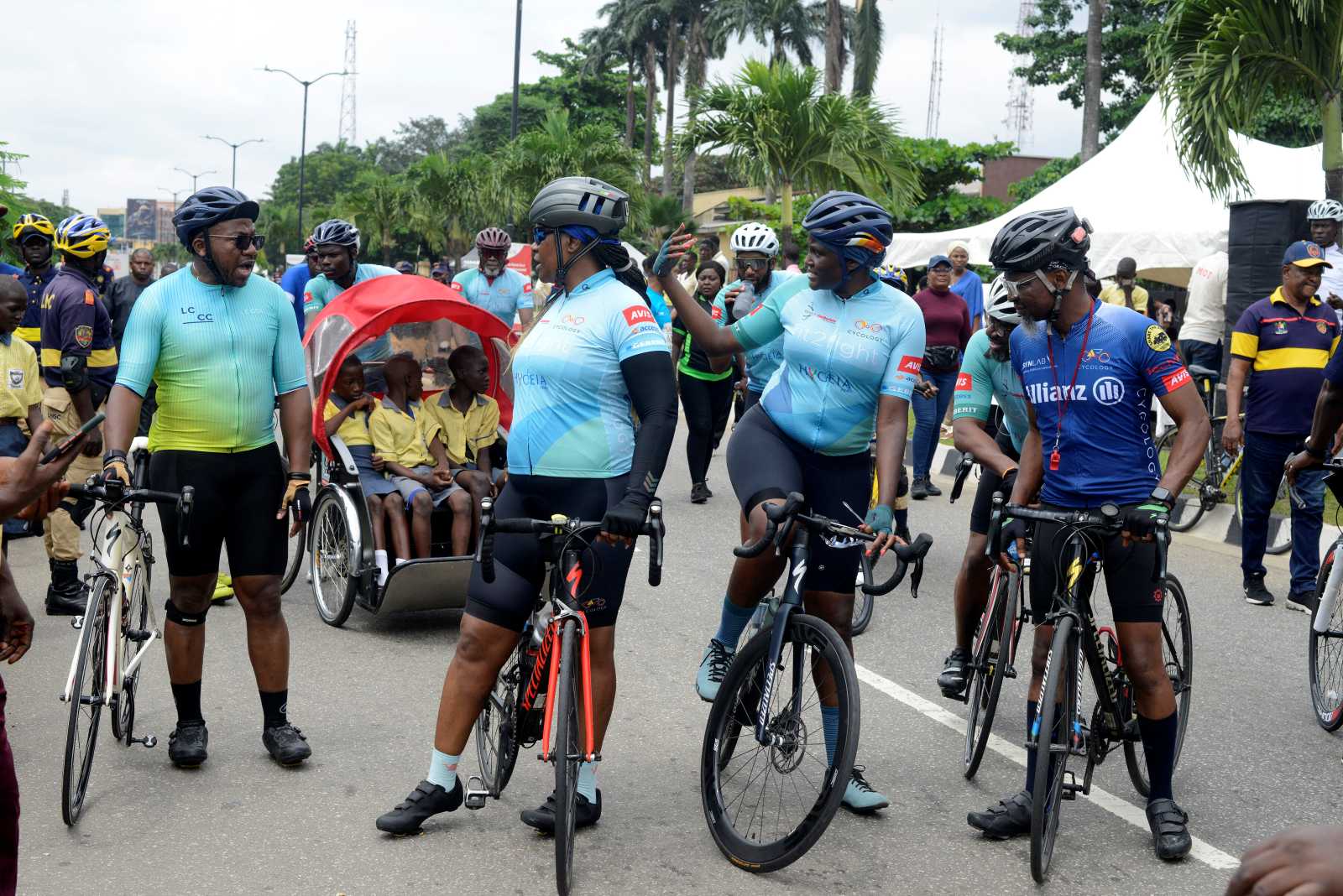
Walking and cycling offer immediate and affordable solutions. They are the most accessible forms of transport, especially for young people, women and vulnerable groups. Across Africa, they already form the backbone of daily mobility. Up to 78 % of people walk every day to reach schools, clinics, shops, workplaces or public transport – often because they have no other choice. That adds up to nearly a billion people walking or cycling for about an hour each day.
Despite their importance, walking and cycling are still overlooked in transport planning and investment. Consequently, pedestrians and cyclists often navigate streets without pavements, face dangerous crossings and contend with heavy traffic. They are exposed to air pollution and speeding vehicles. In many African cities, walking and cycling are not just uncomfortable, but deadly. Every day, an estimated 261 pedestrians and 18 cyclists lose their lives on African roads.
The future of mobility
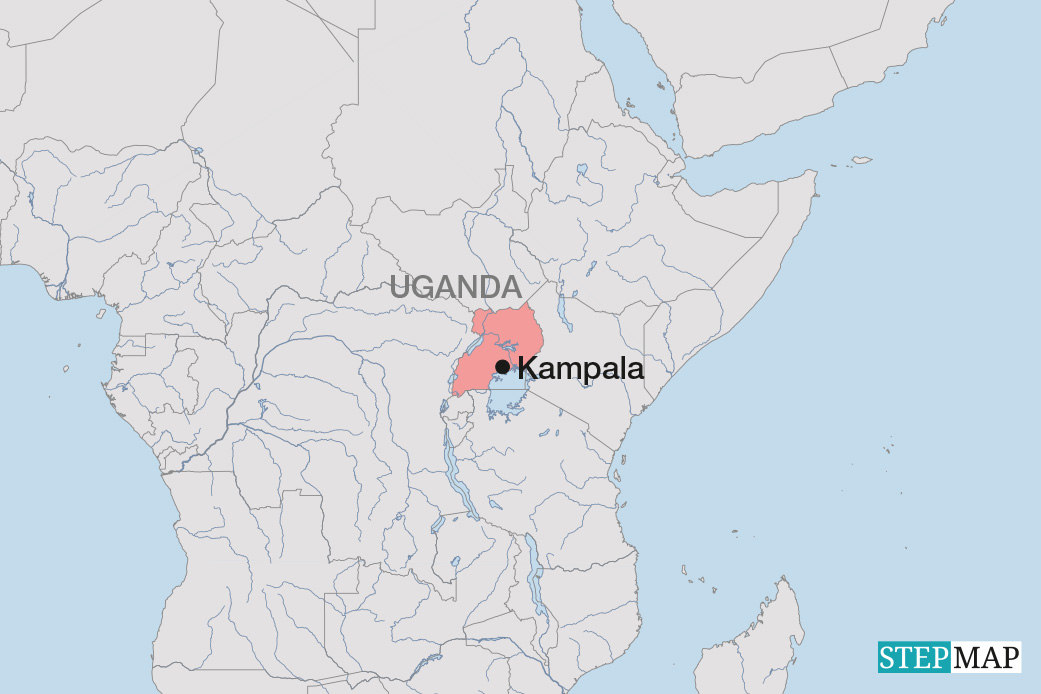
Africa’s mobility future must be planned, built and maintained with people at its heart. By putting walking and cycling first, cities can make streets safer, air cleaner and urban growth more inclusive. The benefits are well documented – what is missing is prioritisation. Countries need to shift away from large expressways and urban highways and instead invest in integrated, accessible public mobility systems. With inclusive policymaking, more equitable investments and better design frameworks, walking and cycling can shift from being options of last resort to becoming the pillars of sustainable urban development.
Momentum is building. The Pan African Action Plan for Active Mobility, coordinated by UNEP, UN Habitat and WHO with support from the African Union and UNECA (UN Economic Commission for Africa), is set for ministerial endorsement in 2026. The plan, which is already being rolled out in five countries, aims to accelerate efforts across the continent and give walking and cycling the recognition they deserve in planning, policy and investment. Cities such as Ethiopia’s capital Addis Ababa have shown how the urban environment can change for the better when walking and cycling are taken seriously and investments are made to build proper infrastructure (see box).
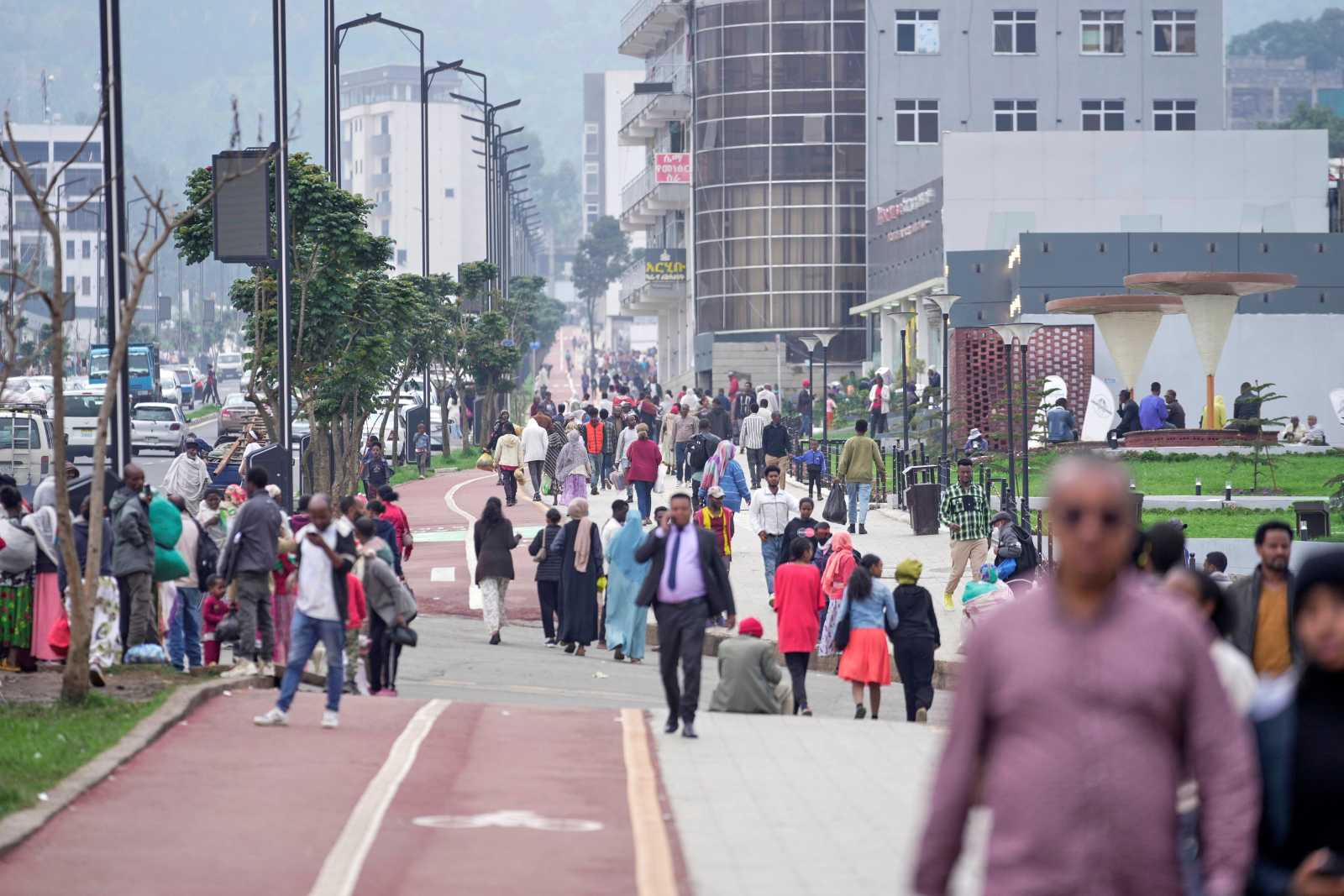
Across African cities, taking action must begin by supporting people who already get from A to B on foot, by bike or by public transport – and making those options safer, easier and more comfortable. This is as much about dignity as it is about sustainability. When cities create streets where children can walk to school safely, where women and older people can move freely, where cycling becomes a practical choice and public transport is truly affordable, Africa can shape a greener, more liveable urban future – while avoiding the downsides of rapid motorisation.
Links
UN-Habitat Urban Indicators Database
Africa Transport Policy Program
OECD et al., 2025: Africa’s Urbanisation Dynamics 2025. Planning for urban expansion.
UNEP, UN-Habitat, WHO, 2024: Pan African Action Plan for Active Mobility (PAAPAM).
UN-Habitat, 2022: Walking and cycling in Africa. Evidence and good practice to inspire action.
Stefanie Holzwarth is a Programme Management Officer for Urban Mobility in the Urban Basic Services Section at UN-Habitat. She helps national governments and city authorities around the world shape sustainable mobility policies that make cities more inclusive, resilient and people centred.
stefanie.holzwarth@un.org