Media
Prioritising royals over hunger: how media neglect the Global South


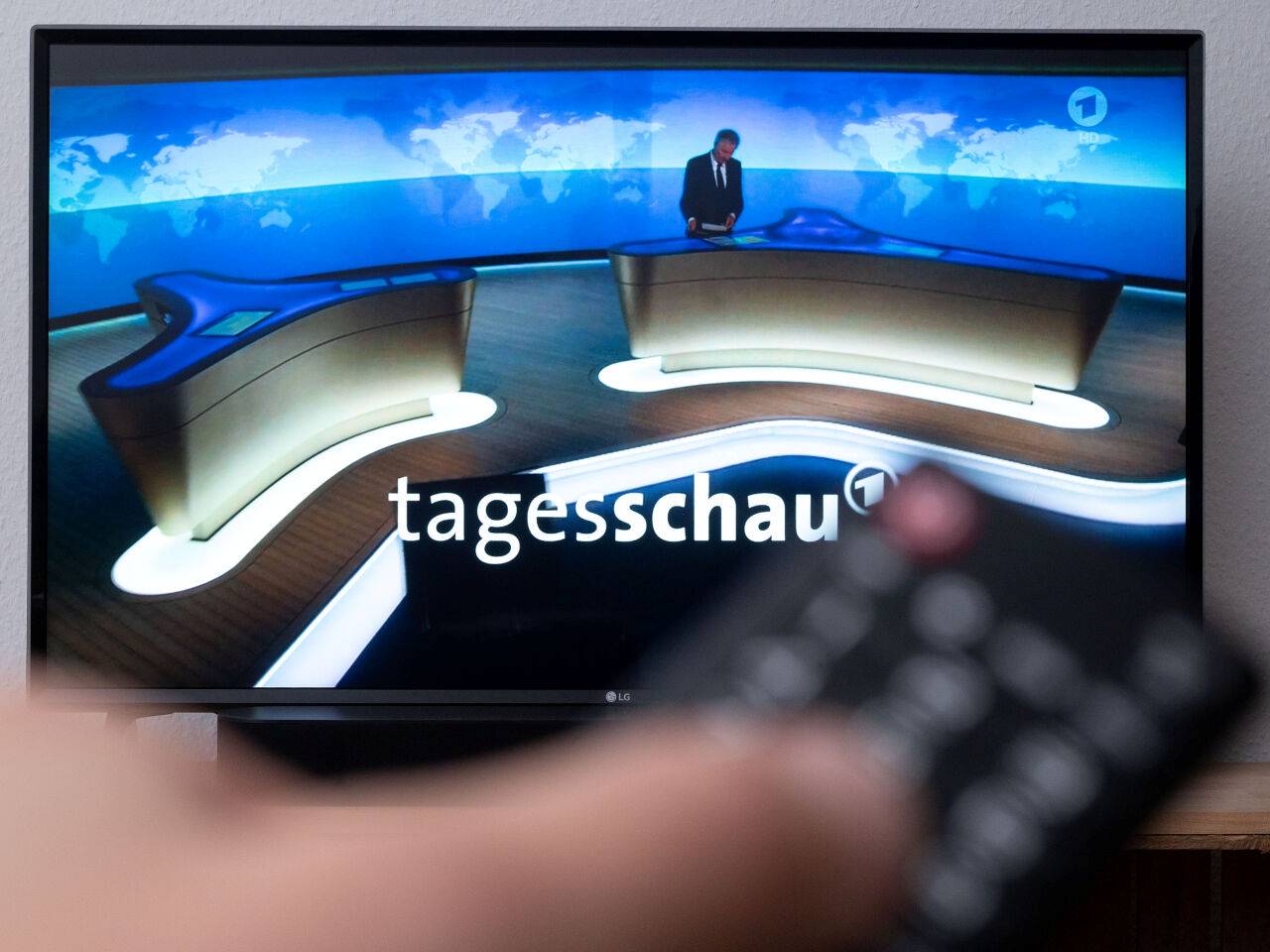
Many leading media devote only around 10 % of their articles and airtime to the Global South, even though it is home to around 85 % of the world’s population. This was the finding of numerous (long-term) studies that investigated, among other things, over 50,000 reports of the “Tagesschau”, the German-language news programme with the greatest reach. An analysis of roughly 40 other high-reach media in Germanspeaking countries (Germany, Austria and Switzerland) confirms the results. In most print media, only around five percent of the pages are devoted to countries in the Global South.
Dramatic examples of media neglect
Reporting on the Global South tends for the most part to neglect or indeed completely ignore key events in these countries. As a result, they are practically absent from the collective consciousness and memory in the Global North. This is particularly true of events in Latin America, sub-Saharan Africa and South Asia.
Examples include:
- the 2011 famine that killed more than a quarter of a million people, half of them children under the age of five, in the Horn of Africa;
- the war in Yemen that the UN described for years as the “world’s worst humanitarian crisis”;
- the war in the northern Ethiopian region of Tigray, which resulted in around 600,000 deaths and is considered the 21st century’s deadliest war;
- the war in Sudan, resulting in what the UN World Food Programme has called the “world’s worst hunger crisis”, with roughly 25 million people facing acute hunger.
Exemplary formats have only a fraction of the reach
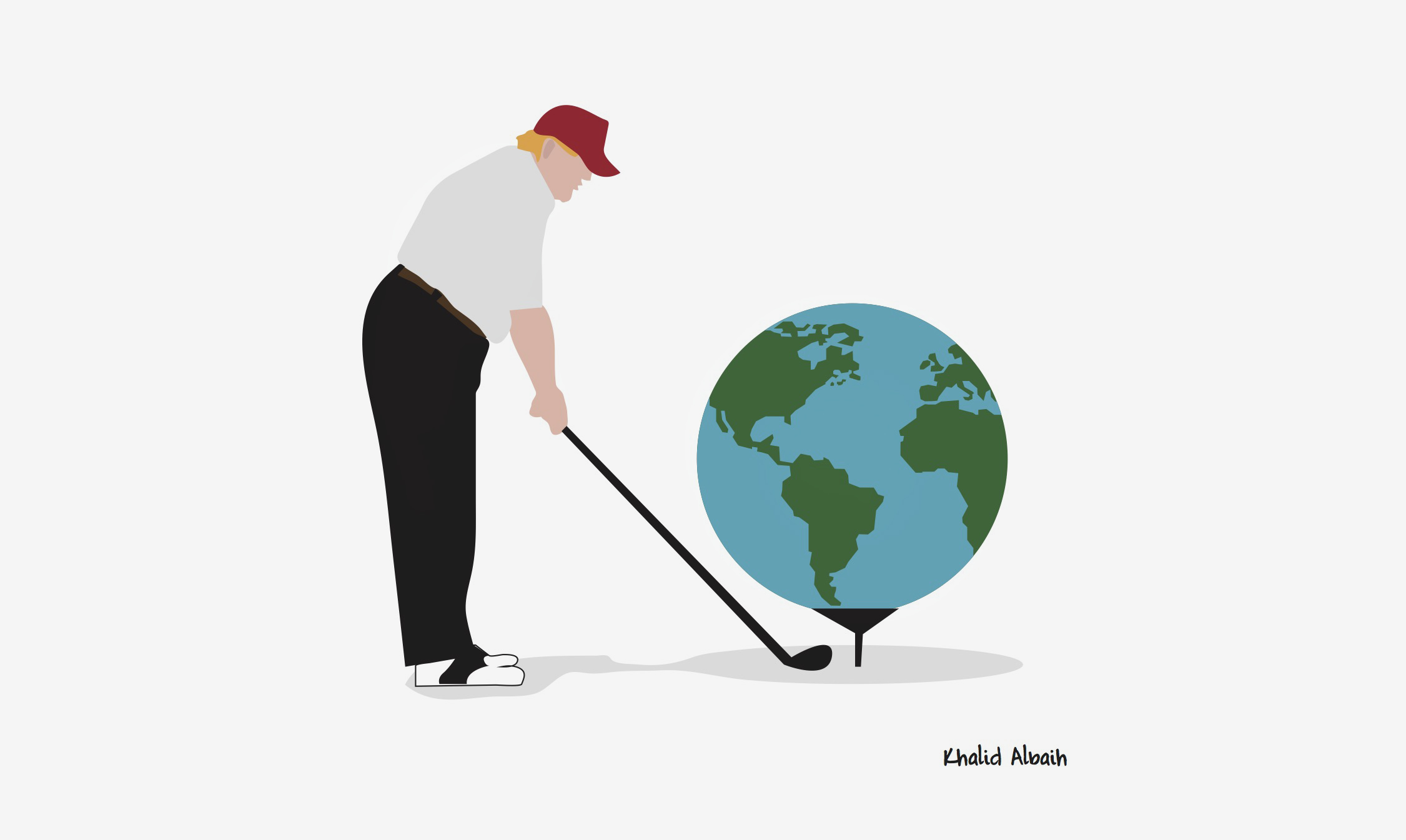
Germany’s “Tagesschau” programme devoted more airtime to sport in the first half of 2022 than to all the countries of the Global South put together. That same year, the “ZIB 1” news broadcast in Austria reported more extensively on the British royal family than on global hunger, while the slap Will Smith gave to fellow actor Chris Rock at the Academy Awards received more coverage on the Swiss “Tagesschau” than the wars in Yemen and Ethiopia combined.
In Germany, the “ARTE Journal” TV news programme and “taz” newspaper are prime examples of media that have adopted a different approach to reporting. Both formats dedicate around three times more airtime and column inches respectively to the Global South than comparable media. Reporting in both is characterised by a wider geographical perspective and places sufficient emphasis on the Global South to ensure that it’s not reduced solely to negative narratives such as crises, wars, disasters, disease and corruption. Instead, both media report also on positive stories that showcase the multidimensional nature of African, Asian and Latin American countries. That said, “ARTE Journal” can boast only a fraction of the viewing figures achieved by major news programmes such as “Tagesschau”.
Media influence and responsibility
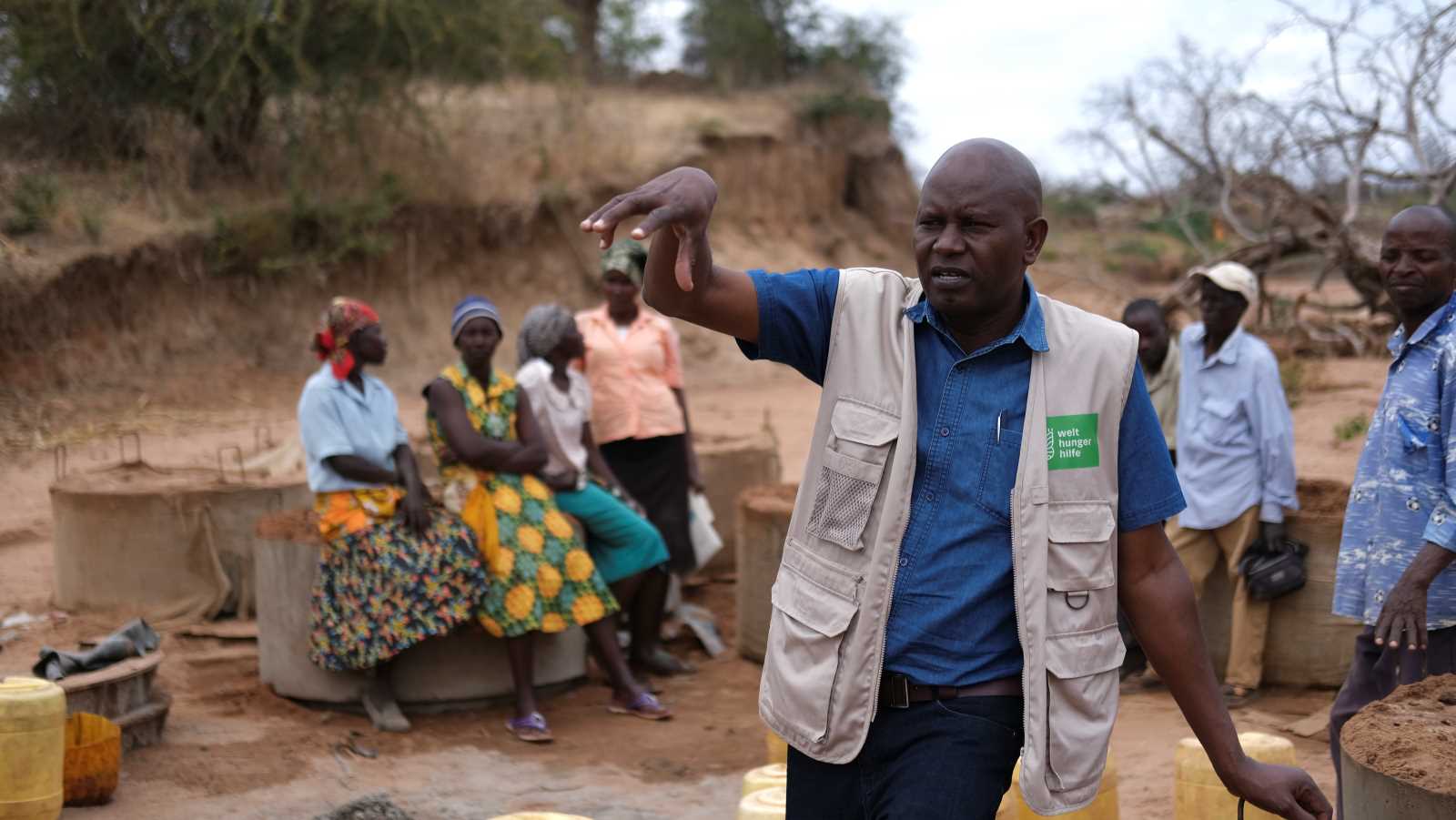
Greater awareness can be generated only if more airtime and articles focus on the Global South. Information programmes such as news broadcasts, in-depth reports and political discussions play an important role in forming public and private opinion. They not only report on and reflect publicly debated issues – they also help determine which issues take centre stage and thus influence to a major extent which problems are addressed politically and for which solutions may then be found.
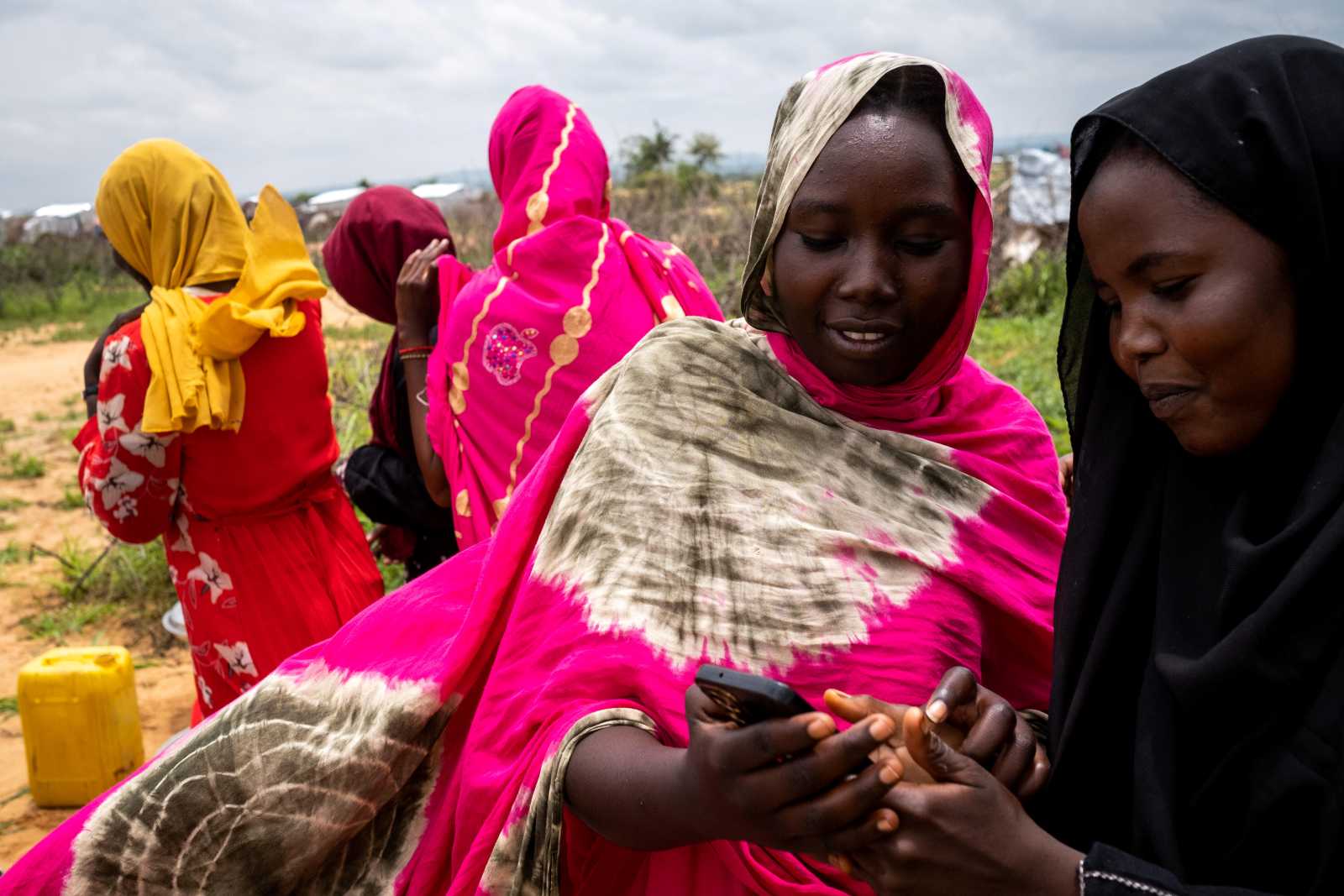
As international funding for development cooperation and to combat hunger is slashed (while hugely stepping up defence spending at the same time), it is paramount to engage in intensive public discussion about these developments – from both humanitarian and geopolitical perspectives. Media could provide a platform for such broad social debate, possibly leading to far-reaching political decisions. This makes it all the more vital for the media to judge events not solely on the basis of their geographic location but also according to human and geopolitically relevant dimensions.
Sociopolitical interest and empathy should not stop at national borders. However, comprehensive and above all consistent reporting is necessary to generate interest in a particular topic. After all, people will only be interested in an issue if they have engaged with it in some form or another beforehand.
The countries of the Global South are characterised by far-reaching developments with great transformative potential and will play an even more important role in the world in future – not only in demographic but also in political and economic terms. The people of the Global North cannot afford to remain ignorant of the events and developments taking place in countries that are home to 85 % of the world’s population.
Against this backdrop, 1369 individuals and 163 organisations have signed the author’s appeal for more media attention to be devoted to the Global South. D+C is also among the signatories. Click here to see the position paper and complete lists of supporters. It is still possible to sign the appeal.
Ladislaus Ludescher is a postdoctoral researcher at Goethe University Frankfurt am Main. His research focuses on German-American cultural relations, the Global South and, in particular, domestic and foreign media analysis.
ladislaus.ludescher@gs.uni-heidelberg.de