Energy
Can East Africa refine its way out of crisis?


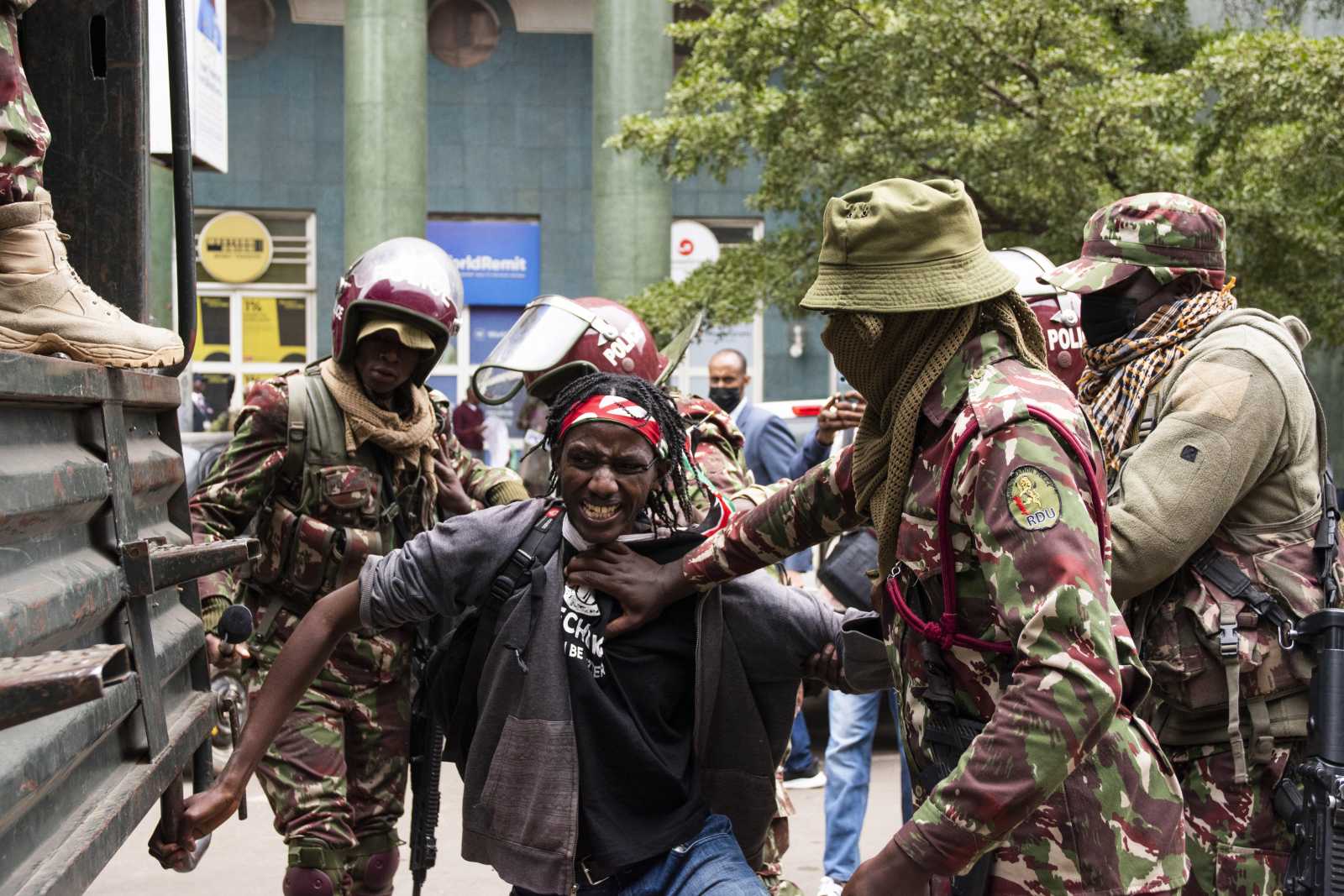
The transport sector in Kenya was paralysed for two days in mid-May by a nationwide motorists’ strike against rising fuel prices – despite the government having allowed the sale of substandard fuel that had proven more readily available.
Elsewhere in the region, such as in Ethiopia and Burundi, long queues of vehicles waited at petrol stations for fuel. Governments urged citizens to take public transport. In Uganda, some petrol station operators report that they have closed their stations altogether as they can no longer afford the high prices. In Tanzania, the government introduced a diesel subsidy to mitigate the impact of rising prices.
As this situation drives up inflation and triggers an economic crisis with political repercussions, Yoweri Museveni and William Ruto, the presidents of Uganda and Kenya, met with Nigerian billionaire Aliko Dangote during the “Africa We Build” summit in Nairobi at the end of April. They discussed plans for a new regional oil refinery, estimated to cost between $ 15 and $ 17 billion and expected to process 650,000 barrels of crude oil per day.
Having initially complained that she had not been informed about the meeting and its outcome, Tanzanian President Samia Suluhu Hassan also met with Dangote in Dar es Salaam in mid-May. Originally, Museveni, Dangote and Ruto had planned to have the refinery built in Tanga on Tanzania’s Indian Ocean coast.
Critical voices from Uganda
Uganda and Tanzania have already formed a partnership to build a 1443-kilometre pipeline to transport crude oil from Hoima in western Uganda to Tanga.
In Uganda, critical voices have questioned the feasibility of the larger regional project, as Uganda has its own refinery plans for Hoima District, albeit on a smaller scale (60,000 barrels per day).
President Museveni dismissed concerns when he met Dangote again in Entebbe in May. “We have no problem supporting a broader regional refinery that can guarantee energy security for the region, while Uganda also develops its own refinery,” he said.
Dangote prefers Mombasa
Dangote has since announced that he prefers the Kenyan coastal city of Mombasa as the site for the refinery, rather than Tanga. The continent’s richest man is interested in Kenya because it has higher demand for fuel and a stronger economy than other East African countries – and Mombasa’s port is simply larger.
He has a point: the latest figures from Kenya, published in April 2026, show that the country spent around $ 4 billion on importing almost 6.4 billion litres of petroleum products in 2025. Uganda imports about 2.5 billion litres of petroleum annually. Since Uganda’s fuel is sourced through Kenya via Mombasa, both countries draw from the same market at comparable prices, but Kenya spends two to three times as much on oil imports as Uganda. Tanzania imported 4.2 billion litres of petroleum annually in 2023 and 2024 – however, this is only 75–80% of Kenya’s import volume over the same period.
Dependent on the Middle East
Regardless of where the refinery is ultimately built, the efforts of the governments in question are necessarily aimed at reducing their dependence on imported petroleum products. Many East African countries currently source their oil from the Middle East, primarily from Saudi Arabia, the United Arab Emirates, Kuwait and Oman.
As the conflict between the US, Israel and Iran and the blockade of the Strait of Hormuz have shown, disruptions to the supply of petroleum products have far-reaching consequences, particularly for the economically weaker African countries. Though the Middle East is home to almost half of the world’s proven reserves, it remains politically unpredictable due to ongoing conflicts and instability. Surely now, at the very latest, it should be clear to everyone that Africa needs to ramp up its own production capacity.
Nigeria is benefiting from its own refinery
That’s why East Africa inevitably paid close attention whenever Dangote spoke about his refinery in Nigeria, which by the end of May had reached a production rate of 661,000 barrels per day, employed tens of thousands of people and made Nigeria, Africa’s biggest crude oil producer, a winner in the current oil crisis.
There are no longer lengthy queues at petrol stations in Nigeria, and local production has helped to stabilise prices. Dangote has also built up strategic reserves to protect the country from sudden supply shortages. It is these ambitions and successes that he wishes to replicate in East Africa, where unemployment and fuel shortages are currently threatening the survival of governments and thus constitute a matter of national security.
However, questions may arise regarding the structural risk posed by a single individual controlling a significant proportion of the continent’s energy supply. In other words, the multibillion-dollar investment spearheaded by Dangote will inevitably draw Nigeria into the dynamics of relations between Kenya, Uganda and Tanzania. Should any of these countries happen to be ruled by an unscrupulous leader, the entire transnational energy infrastructure could be at risk.
Green energy lagging behind
These are legitimate concerns. And yet the central issue really revolves around the political decision to build an oil refinery at a time when climate resilience, green energy and reducing fossil fuel consumption should be at the top of the agenda.
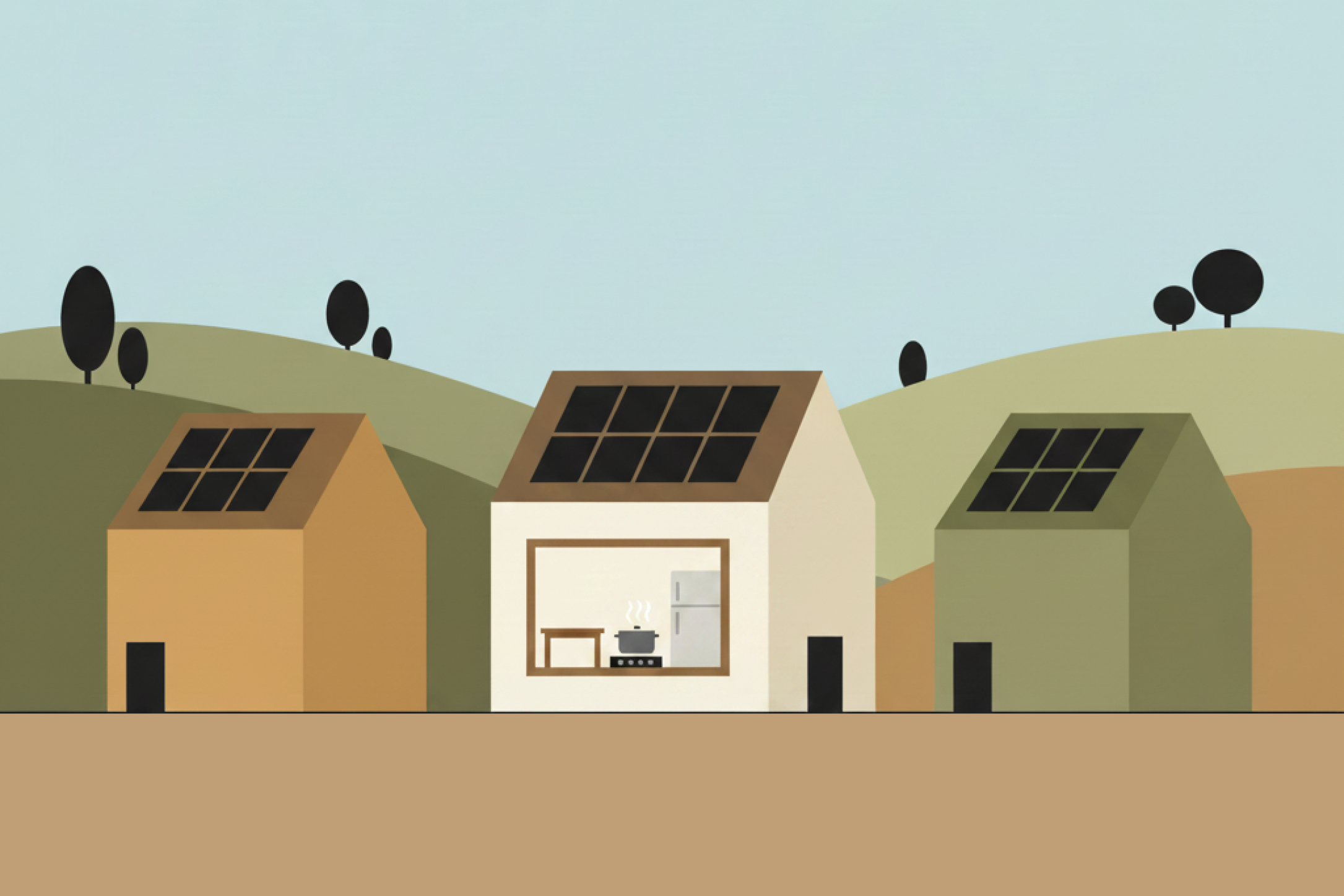
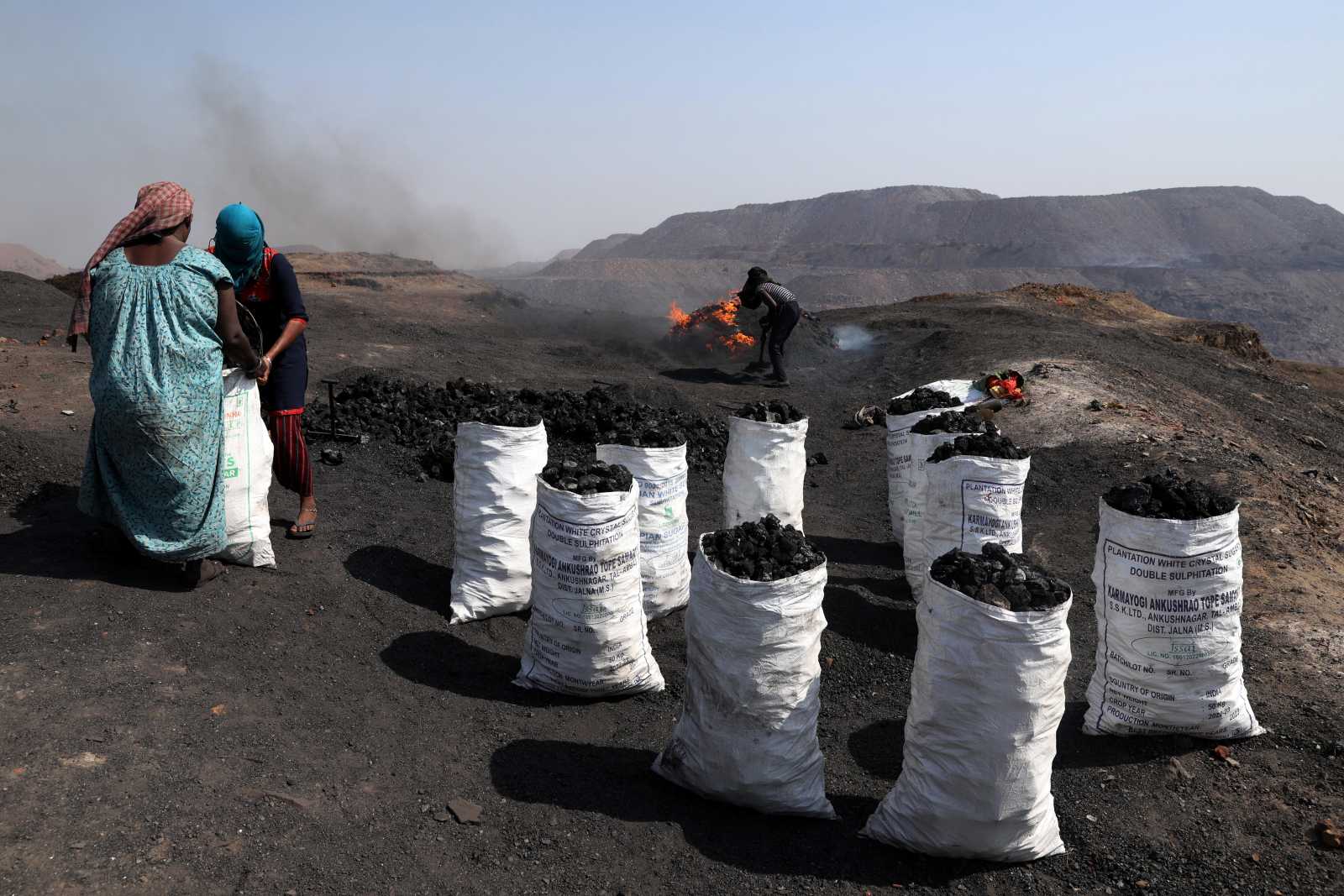
To date, the financing of green energy has in some cases been slow to materialise, subject to conditions and limited in scope. And while renewable energy sources are abundant in Africa, they are still far too underutilised. For example, Kenya’s installed electricity capacity is at 3.2 GW, with almost 90 % of this coming from renewable sources, mainly geothermal, hydro, wind and solar energy. However, most of the country’s energy needs are not met by electricity, but by wood, charcoal and petroleum products.
Yet regional initiatives to promote green energy do indeed already exist: the governments of Uganda, Kenya and Ethiopia have introduced incentives, including tax exemptions, to import electric vehicles. The idea is to reduce demand for petroleum products, which is placing a strain on their foreign exchange reserves. However, Kenya has already reversed its policy in response to pressure – exacerbated by the difficult economic situation – to generate tax revenue and plans to levy VAT of 16 % on electric vehicles, lithium-ion batteries and electric bicycles.
At present, it appears that East Africa, in order to transition to clean energy, will first have to rely on dirty fuels to boost its economy and protect itself against increasingly frequent global shocks. However obvious this approach may seem at present, the region cannot afford to continue with it indefinitely if the aim is to achieve sustainable energy security.
Alphonce Shiundu is a journalist and fact-checker based in Kenya.
shiunduonline@gmail.com