
E-mobility
Powering Africa’s trade: The promise of electric corridors


The EV industry is still in its infancy in Africa but growing rapidly. The Institute for Transportation and Development Policy Africa (ITDP), a civil-society organisation, reported in November that electric two- and three-wheelers grew by 38 % year-over-year and electric cars by 28 %. At least 30,000 EVs are active in Africa, according to ITDP.
While that number is still dwarfed by Africa’s tens of millions of conventional vehicles, there is reason for confidence. The continent’s EV market, valued at about $ 450 million in 2025, could increase tenfold by 2030, according to analysts. In countries such as Zambia, for example, imports of EVs soared – albeit from a low base – after the government removed customs duties.
Behind this shift lies a commercial logic, as the ITDP has analysed. Simply put, electric motorcycles, delivery fleets, buses and taxis save money. For example, charging costs to travel 100 kilometres by electric two- or three-wheeler in Kenya are estimated at about one dollar, compared to about six dollars or more by conventional vehicle. These figures date from before fuel prices surged following the energy crisis triggered by the Iran War.
EVs matter because they are more than just vehicles. They are rolling demands for electricity, software, batteries, charging services, maintenance jobs, insurance products, data analytics and new financing models. If this ecosystem is built deliberately, EV adoption can become not only a cleaner way to move people but an engine of intra-African commerce. The small but growing number of EVs in Africa represents a market being born and an industrial corridor opportunity for the African Continental Free Trade Area (AfCFTA).
The Road to Africa project
That opportunity became visible on 5 October 2025, in the lead-up to Africa E-Mobility Week, when a fleet of EVs left Nairobi for Addis Ababa under the banner Road to Addis. It was the first journey of the Road to Africa initiative, a multi-year effort to test, document and accelerate electric trade corridors aligned with AfCFTA. Road to Addis is an initiative by the media companies Intro Africa and Thought Leader Africa.
In order to discover what it takes to travel long distances by EV in Africa, the Road to Africa convoys target bottlenecks traders know well, such as road quality and border delays. They also check grid reliability, charging access and infrastructure gaps. During Road to Addis, artificial intelligence tools optimised routing and battery health. Engineers tested charging equipment under extreme heat and documented what worked and what failed. Over the first half of the 1600-kilometre trip, energy costs were about one-sixth of those for petrol-powered vehicles, the initiative reported.
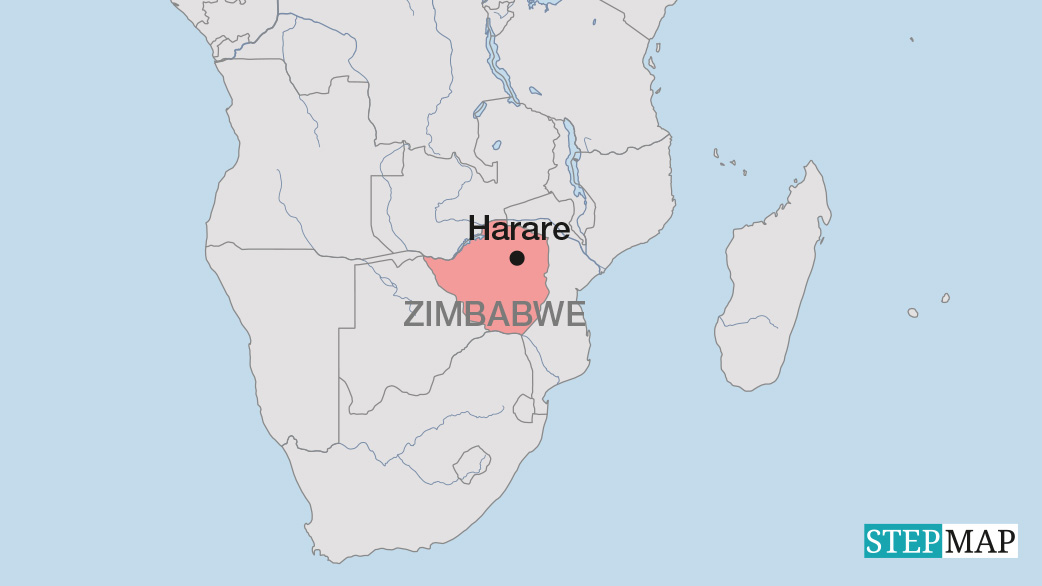
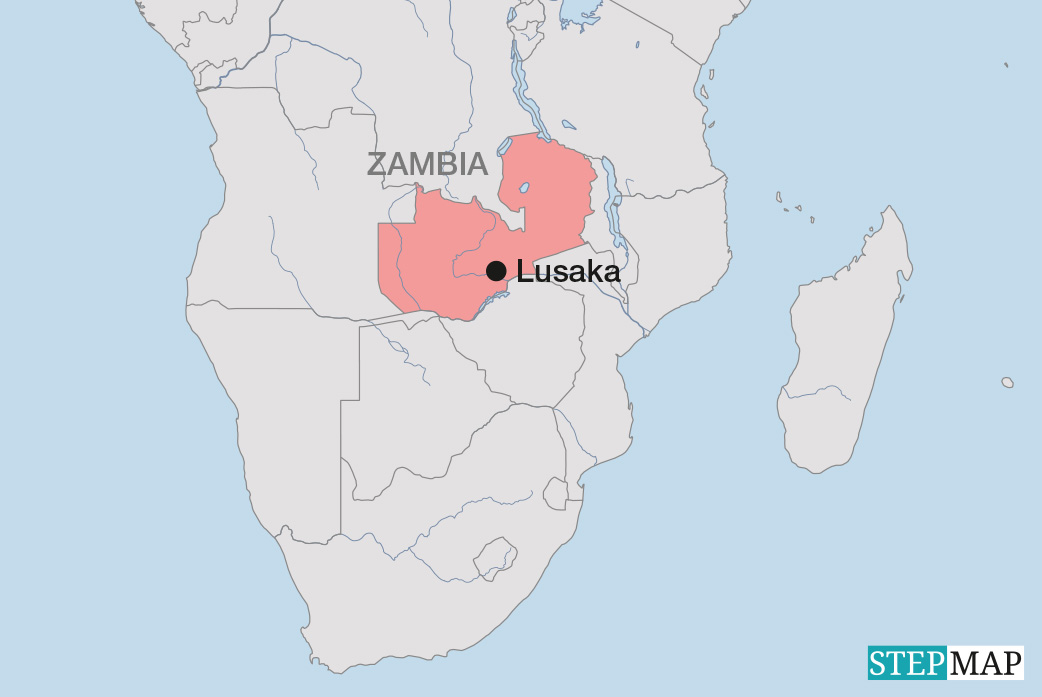
This summer, the journey continues with an expedition from Rwanda’s capital Kigali to Zimbabwe’s capital Harare and to Beira, the Mozambican city on the Indian Ocean. At the time of writing, the convoy had already reached Zambia’s capital Lusaka. The participants document infrastructure readiness, charging opportunities and the broader potential for sustainable transport.
Road to Africa’s third expedition, Road to Nairobi, is scheduled for September 2026. The EV convoy aims to retrace the project’s first trip from the opposite direction to see what has changed in the intervening time and what challenges remain.
Improving border procedures
Even before Road to Africa, one lesson had already become clear: without efficient borders, even the best EVs will get stuck at checkpoints. Moving goods more quickly, cheaply and predictably across borders is what many economic stakeholders would like to see – and what they expect AfCFTA to deliver.
When the AfCFTA’s digital customs platform was introduced in 2025, one of its aims was to significantly cut document processing times by integrating with national tax systems and providing automated risk assessment. At the Beitbridge border post, located between South Africa and Zimbabwe, modernisation and the AfCFTA’s digital customs platform have reduced truck clearance times from days to as little as three to six hours, according to trade unions in the AfCFTA. Such improvements must continue in order to keep border delays from being a stubborn brake on intra-African movement and trade.

Strengthening electricity infrastructure
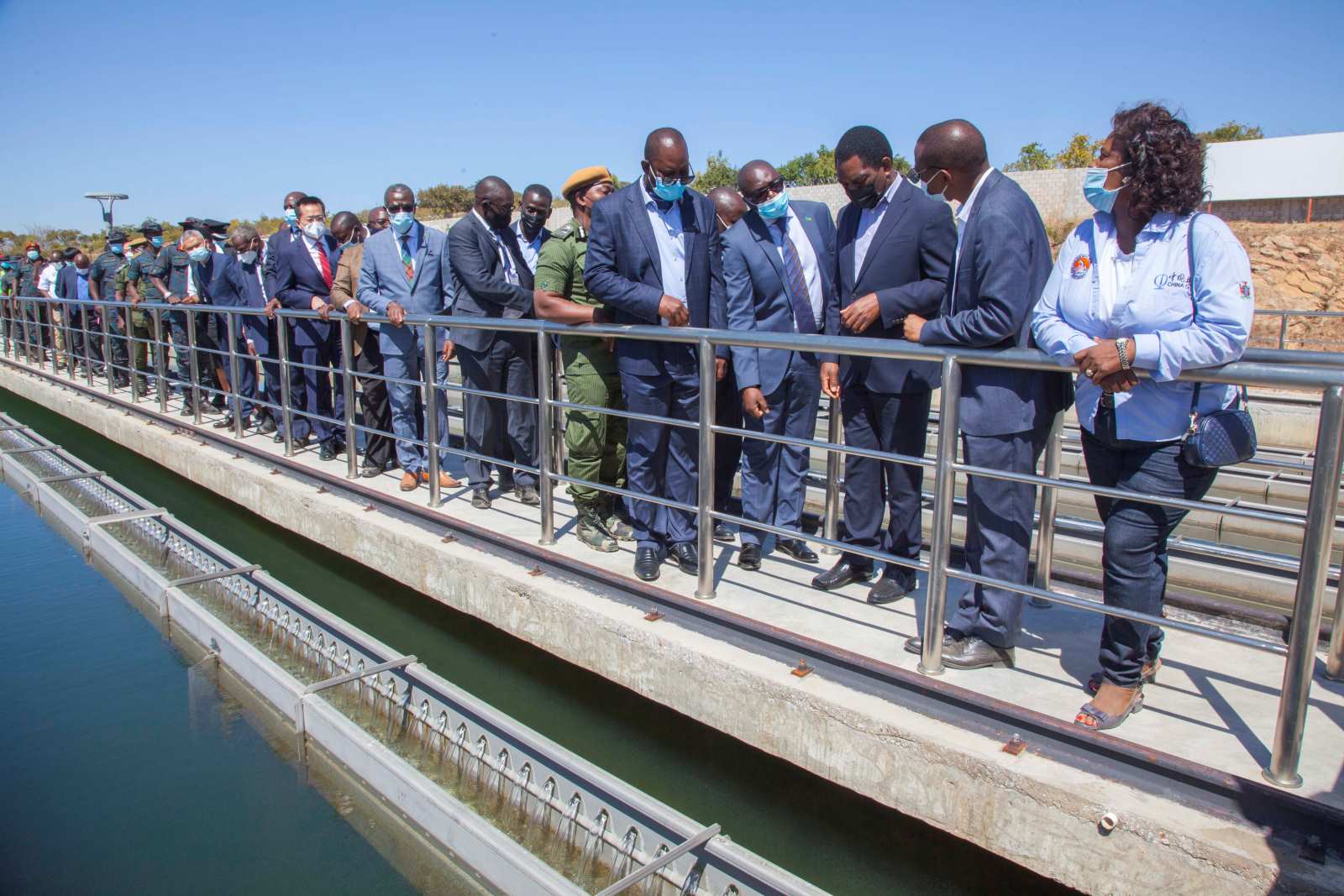
There is still a long way to go towards a more sustainable, future-oriented infrastructure in Africa. Among other things, the power grid and charging infrastructure must be expanded and powered by renewable energy to the greatest extent possible. In Zambia, more than 80 % of electricity already comes from hydropower, and the state-owned energy provider Zesco has announced plans to expand its network of charging stations.
In addition, cross-border electricity trade needs to be facilitated. Several so-called power pools exist in Africa that connect the power grids of individual countries. They could form the basis for fully integrated regional markets, but currently still fall short of expectations.
A positive development is the emergence of new partnerships between energy suppliers and manufacturers to pool resources. In September 2025, for example, the South African energy supplier Eskom signed a memorandum of cooperation with the Chinese electric vehicle manufacturer BYD Auto South Africa. One of the goals is to expand public charging infrastructure.
Expanding electric corridors
Electric corridors can play an important role in Africa’s energy infrastructure. For energy suppliers and regional power pools, they create predictable electricity demand that justifies grid updates and cross-border coordination. For investors, early corridors offer an opportunity for scalable projects.
The next steps require targeted coordination among the participating countries. In particular, governments should embed electric corridors within AfCFTA implementation by aligning standards and border procedures along key trade routes. This will help reduce costs and increase efficiency.
In this sense, Road to Africa should be seen as a gateway to a bigger vision: an Africa where electric vehicles do not merely reduce emissions but also integrate AfCFTA into daily life through faster mobility, smarter borders and industries Africans own. Electric corridors can help deliver that future.
LINKS
Kenny Suze is a researcher and analyst at the Zambian think tank Impact Center for Policy Research and Senior Security Officer at the Zambian energy provider Zesco.
kenny@impactcenterzambia.org