Women’s rights
A rose to break the silence: Shamsa Araweelo campaigns against FGM


Many people will remember “Desert Flower”, Somali model Waris Dirie’s autobiographical novel. Her story touched millions in the late 1990s. Waris was a victim of female genital mutilation (FGM) as a child and campaigns to this day to outlaw this brutal practice.
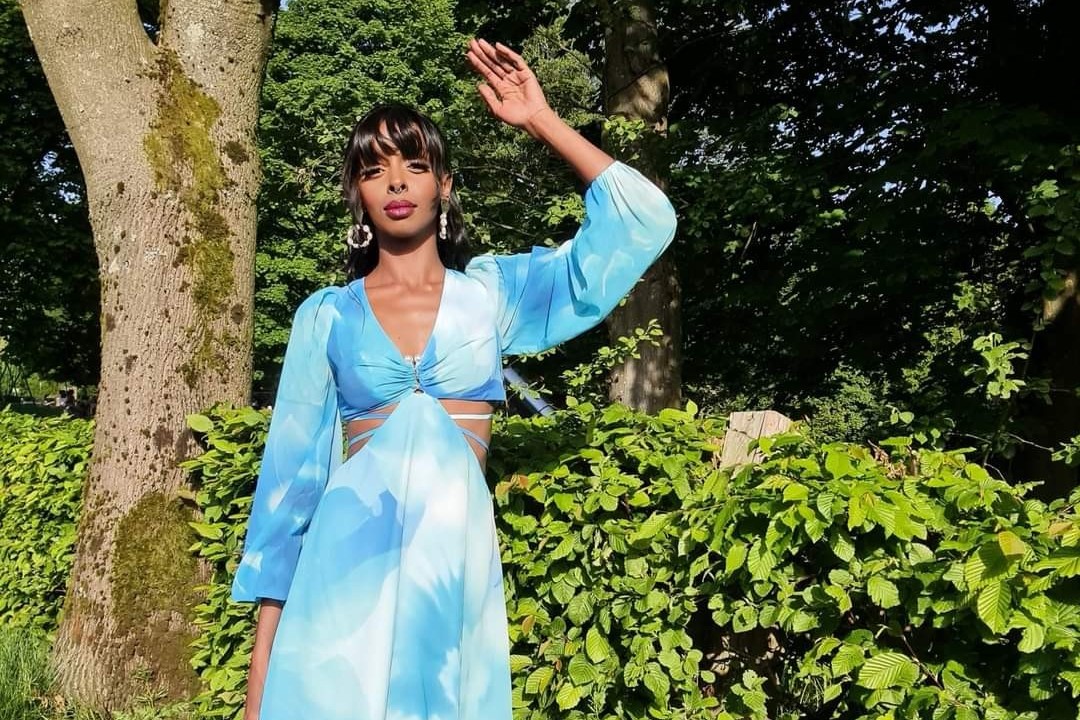
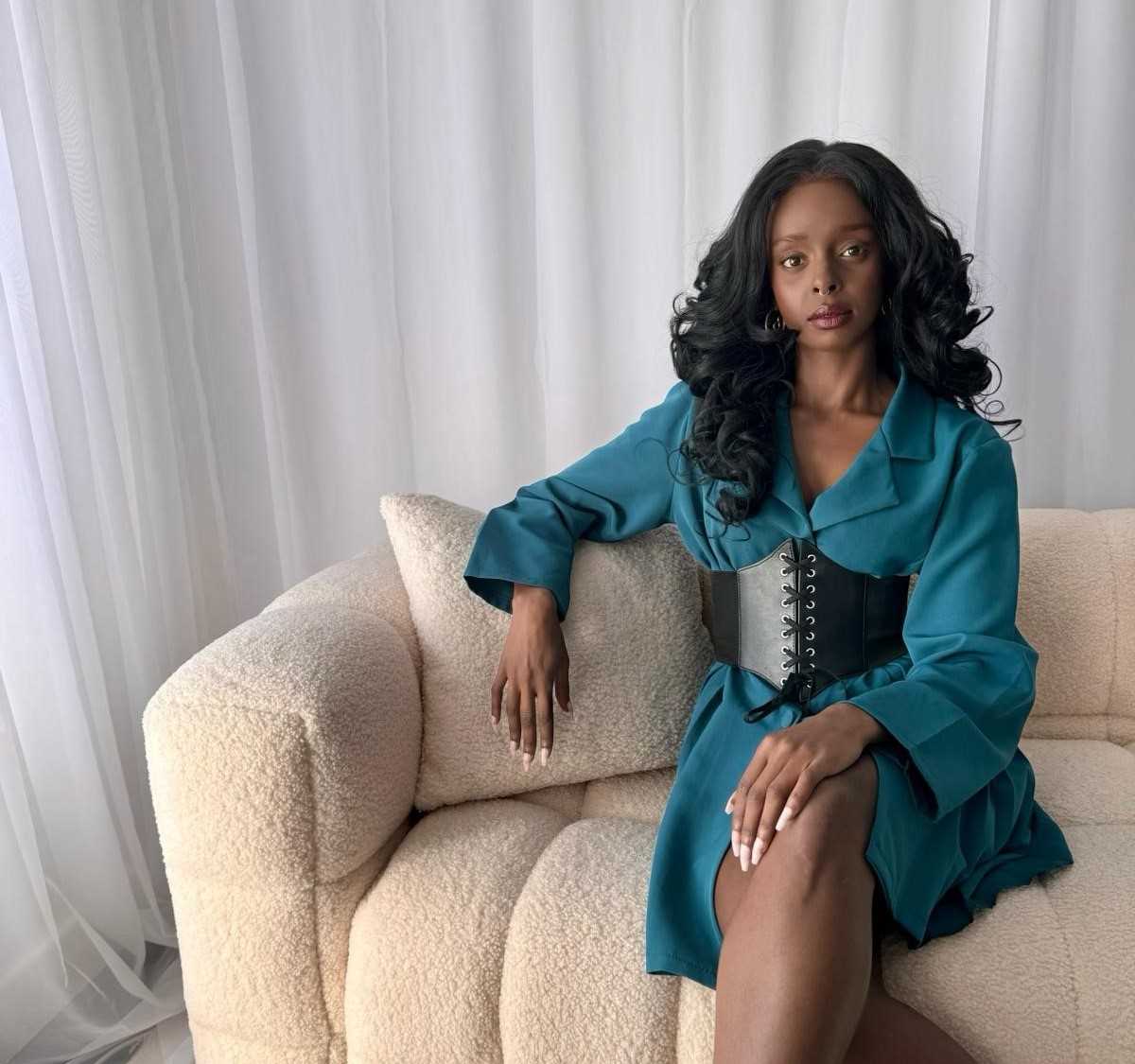
Shamsa Araweelo’s story began later but is likewise marked by unspeakable pain – and unwavering strength. The Somali woman, now 33, had both her labia and clitoris removed with a razor blade whilst fully conscious at age six. The remaining skin was then stitched together.
A year later, Shamsa moved with her parents to London. Her teenage years were anything but easy – she says she attempted suicide three times. At age 17 she was sent back to Somalia, where she was forced to marry her 15-year-old cousin. What followed was an abusive marriage of rape and domestic violence. With the help of her mother and aunts, she managed to flee back to England.
The immediate danger to Shamsa may have ended once she’d returned to the UK, yet her physical and psychological torment continues to this day. For a long time, she was unable to wear underwear and experienced discomfort whenever walking or sitting. As an adult she spent years searching for a way to obtain the reconstructive surgery that can improve the reproductive, mental and physical health of FGM survivors. Since such procedures are not carried out in England, she was reliant on donations to enable her to finally undergo surgery in Germany.
Like Waris Dirie, Shamsa Araweelo also talks about her suffering in the hope of preventing even more girls from sharing the same fate. A speaker, coach and activist, she raises awareness of FGM and provides expert advice to professionals such as London’s Metropolitan Police. She has also founded her own organisation to support FGM survivors.
Using TikTok to educate
Shamsa also takes advantage of a highly effective tool to educate people about FGM: TikTok. With close to 400,000 followers on this social media platform, she reaches more than 100 million people all over the world. There’s no sugar-coating in her videos; she talks with brutal honesty and in unsparing detail about the day of her mutilation, her escape to England and the domestic violence she suffered. In other videos she uses roses or models she has sewn to demonstrate which parts of her vagina were removed. Holding a disposable razor blade in her hand, she cuts away the petals of a white rose – a perfect yet heartbreaking illustration of what is still being done to millions of girls around the world each year.
For Shamsa, it’s not enough to tell survivors’ stories in only general terms. She firmly believes that women must overcome their shame of going into detail about what they have endured. This is the only way that stories can bring about concrete preventive measures and changes to the system. Such changes are urgently needed, for example, in healthcare, where survivors are often misunderstood and forced to relive their trauma.
The BBC named Shamsa Araweelo one of its 100 women of the year in 2023. A year later, she received the Girls’ Human Rights Award. But perhaps her greatest source of pride, which shines through in her hard-hitting videos, is her 12-year-old daughter, with whom she talks openly about her experiences – and every other girl that is able to enjoy a better childhood thanks to the way Shamsa has used her own story to shine a spotlight on FGM.
Katharina Wilhelm Otieno belongs to the editorial team at D+C/E+Z and is based partly in Nairobi.
euz.editor@dandc.eu