Faith-based organisations
From gurdwaras to churches: Religion tackles India’s drug crisis


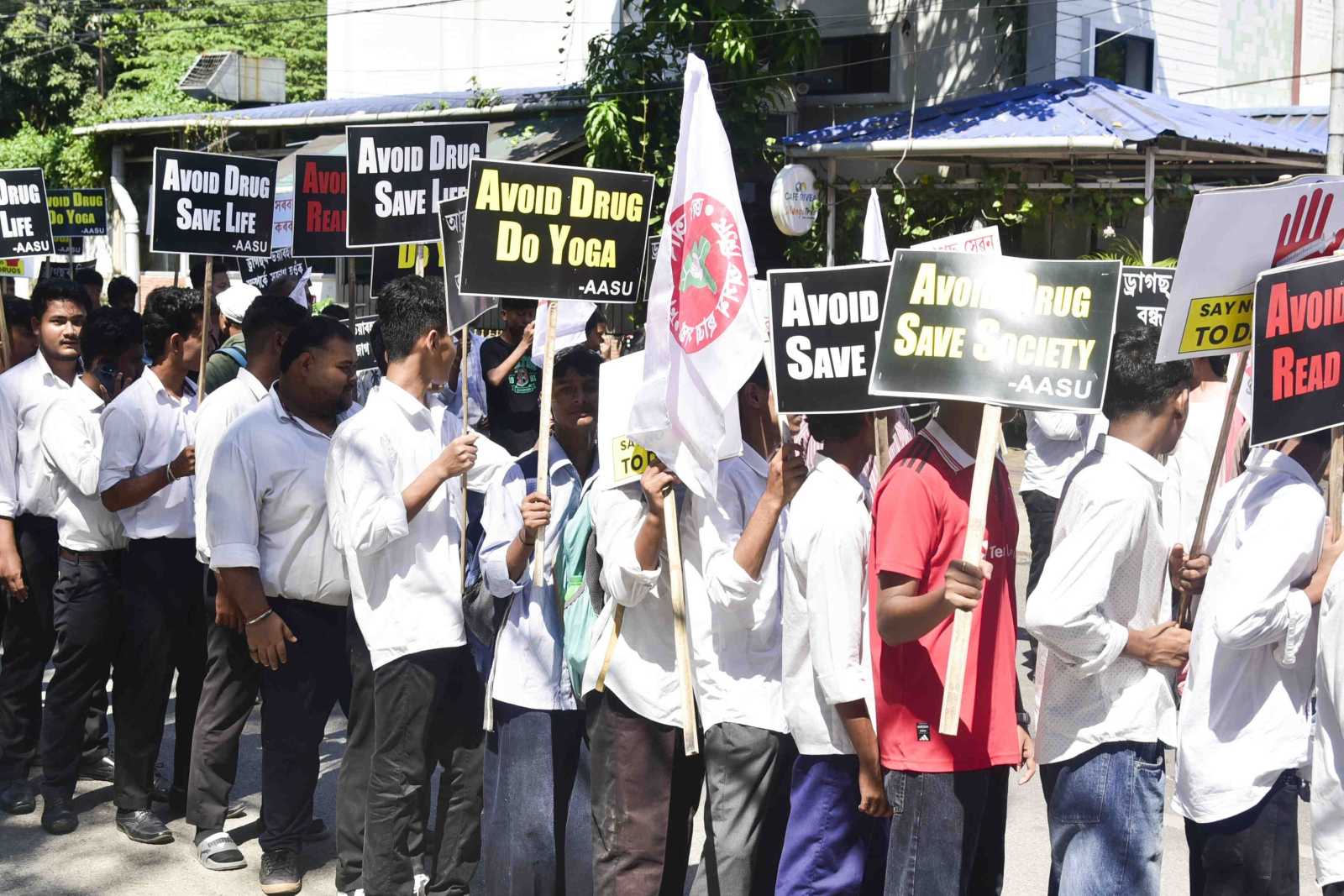
India’s drug crisis has reached critical dimensions. The state of Punjab records some of the country’s most alarming figures: in 2024, over 230,000 people were addicted to opioids there, and the opioid use rate stood at 9.7 %, compared with a national average of 2.1 %. Punjab has a population of about 30 million and lies directly on the “heroin corridor” that runs from Afghanistan to India via Pakistan.
That same year, 9,025 criminal cases were registered in Punjab under the Narcotic Drugs and Psychotropic Substances (NDPS) Act. Despite a downward trend, this is still the second-highest figure in the whole of India after the state of Kerala. The most frequently consumed drugs in Punjab were heroin, opium and abused medication.
At the same time, Punjab’s public addiction treatment system is severely overburdened. The state operates 529 Opioid-Assisted Treatment (OAT) outpatient clinics, which are supplemented by around 180 private treatment centres.
Religious organisations have stepped into this gap with a degree of effectiveness that the state has so far found difficult to match. The reasons for this are not hard to understand. In communities plagued by addiction, trust in state systems is weakened. Religious organisations, on the other hand, possess moral authority, a reach that goes right down to the community level and an understanding of recovery that is as much spiritual as it is medical. They do not merely treat those affected; they reintegrate them into society.
The Gurdwara model in Punjab
The concept of “Seva” – selfless service – has a long tradition within the Sikh faith. It has made gurdwaras, the Sikh places of worship and learning, ideally suited to providing social care. In Punjab, some of these have evolved from merely providing free meals to running comprehensive rehabilitation programmes. In some gurdwaras, patients receive support with detoxification, counselling, vocational training and – crucially – a community that continues to accompany and support them even once they have been discharged.
The need for continued support is underscored by research on opioid dependence in India. A study of 466 patients who underwent inpatient opioid detoxification at a treatment centre in Amritsar found that around 32 % had relapsed during the year following discharge. Another Indian study of patients undergoing treatment for opioid use disorder found that one-third relapsed within a 90-day follow-up period. These findings highlight the challenges of maintaining recovery after detoxification and the potential importance of continued psychosocial and community-based support.
The gurdwara model integrates what addiction experts refer to as “social capital” directly into the therapy itself. A recovering addict is not simply discharged into anonymity – they return to a community that knows them, looks after them and offers them job placements through its own networks. The drug crisis in Punjab is, in fact, also an unemployment crisis. Studies consistently link substance abuse to unemployment in rural areas. Data from the periodic labour force survey for the period April to June 2025 showed that youth unemployment (among those aged 15–29) in Punjab stood at 20.2 %, which was above the national average. The gurdwara programmes tackle both drug abuse and unemployment simultaneously.
Meanwhile, the state-run infrastructure is facing serious credibility issues. Punjab introduced new regulations on the treatment of substance use disorders in 2025. The reform followed the emergence of a major scandal that involved private rehabilitation providers diverting millions of buprenorphine tablets – an opioid used to treat opioid use disorder and acute and chronic pain – onto the open market. A centre in Patiala is reported to have sold 2.6 million tablets in less than eight months, despite only 55 patients having been registered there. This incident starkly illustrates the risks of a commercialised rehabilitation sector operating without adequate oversight – and strengthens the case for community-based alternatives.
The Church steps in across the north-east
Almost 3,000 kilometres to the east, in the hills of north-eastern India, another religious community is making similarly extensive efforts. The region – comprising states such as Mizoram, Nagaland, Meghalaya and Manipur – is predominantly Christian. It borders Myanmar, which alongside Laos and Thailand comprises the Golden Triangle of the opium and heroin trade, and is one of Asia’s largest narcotics-producing areas. India’s 1,643-kilometre-long, largely unfenced border with Myanmar runs through three of these states, allowing heroin and methamphetamine to enter the country relatively unhindered.
In Mizoram, around 87 % of the population identify as Christian. The largest denomination, the Mizoram Presbyterian Church, has recently signed an agreement with the government under which the Jordan Centre – one of the largest rehabilitation centres in Mizoram – will be handed over to the church’s synod for a period of 15 years. The state will provide an annual grant of around $ 52,000, and the church has allocated $ 238,000 from its own budget to revitalise and expand the facility, which had become largely non-functional under state management.
The logic is the same as in Punjab, just expressed in different theological terms. “The government found it natural to reach out to them,” Francis Kharshiing, head of the state-run Drug Reduction, Elimination and Action Mission (DREAM), told UCA News. He mentioned a similar collaboration between the Church and the state in Meghalaya. “By combining resources, trust and grassroots reach, we aim not just to treat addiction but to restore dignity, rebuild lives and protect future generations,” he said. In Nagaland, the Catholic Church’s Shalom Rehabilitation Centre in Chumukedima has been in operation since 1993; its director was officially honoured by the state governor in October 2024 for the centre’s three decades of work.
In June this year, churches of various denominations – Presbyterians, Baptists and Catholics – teamed up with civil society organisations in Mizoram to form a joint anti-drug coalition. The “Central Young Mizo Association” and the highest church body, the “Mizoram Kohhran Hruaitute Committee”, had convened the meeting as a matter of urgency. “Drug abuse is one of the most serious problems facing both the churches and civil society today,” Bishop Stephen Rotluanga of Aizawl told UCA News.
The women the state overlooks
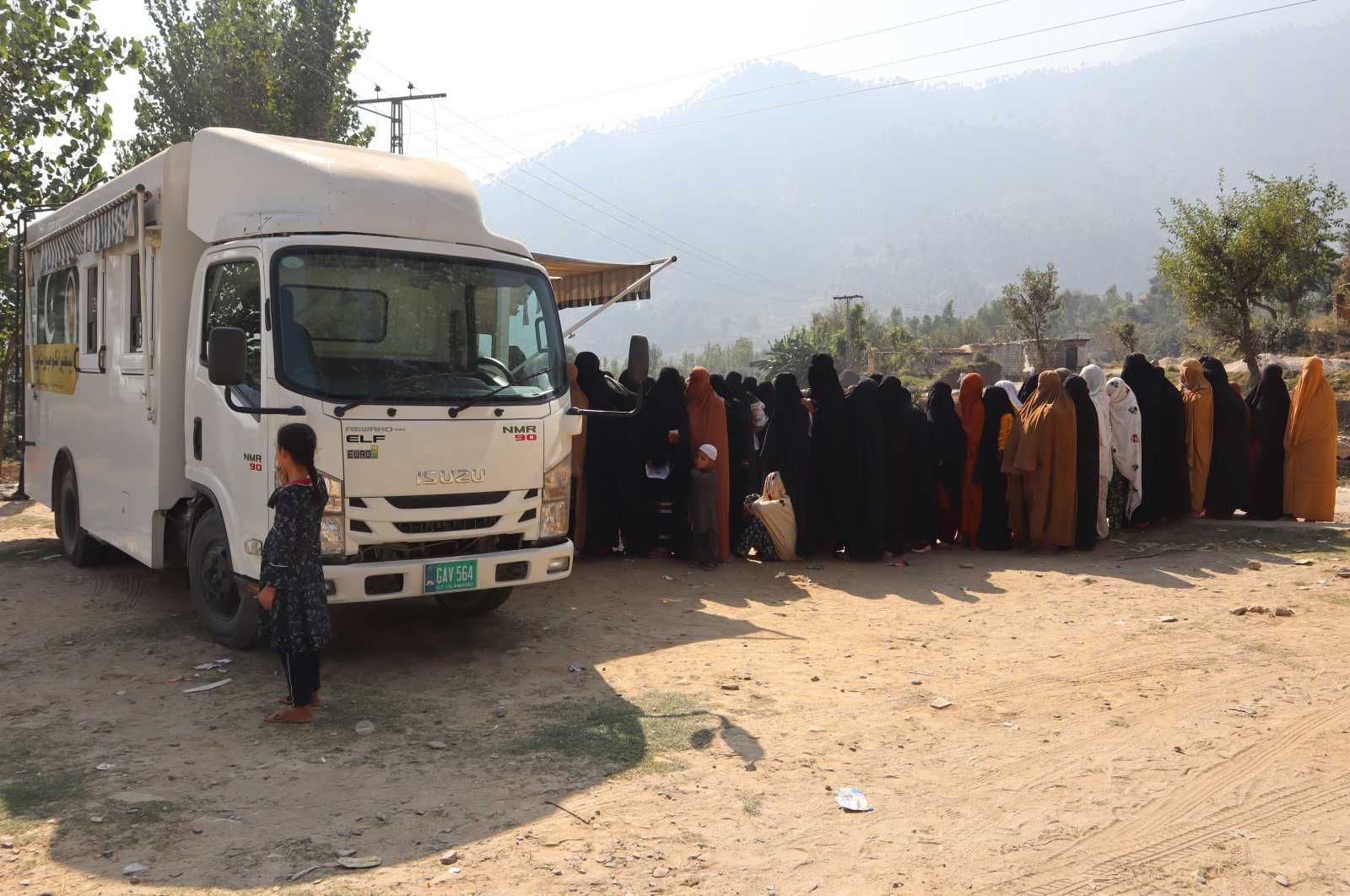
India’s drug crisis has another dimension that is scarcely reflected in the official data: women. The country’s drug rehabilitation infrastructure has been geared almost exclusively towards male patients. In the past, addiction research, diagnosis and treatment approaches were based on models that focused primarily on men, while the specific realities of addiction among women have often been overlooked. In India, these realities are exacerbated by a stigma so pronounced that women with addiction are rarely identified at all – families hide them away, communities exclude them and state-run facilities, where they exist at all, are often inaccessible.
Women face a wide range of overlapping barriers to addiction treatment, including stigma and shame, limited family support, caregiving responsibilities and concerns about safety and privacy. Indian studies of women seeking treatment have documented limited social support, childcare responsibilities, self-stigma and family stigma as obstacles to entering or remaining in treatment.
Faith-based organisations that operate within communities rather than from outside are sometimes better placed to reach these women. Church networks in the north-east, for example, have developed peer-counselling models and home-visit programmes, so women do not have to publicly admit to their addiction or leave their families in order to seek help. Programmes linked to gurdwaras in Punjab have also begun to develop services specifically for women, as it has been recognised that addiction in families rarely affects only the men.
Nevertheless, the gaps in the provision of treatment remain enormous for both genders. According to the Ministry of Social Justice and Empowerment, 768 treatment and rehabilitation centres are currently funded under the National Action Plan for Drug Demand Reduction (NAPDDR) – far too few for a country where millions of people require treatment for substance dependence. Against the backdrop of these institutional shortcomings, religious organisations are now not only filling a part of the gap; they are shouldering a disproportionately large share of the burden.
India’s drug crisis is also a crisis of belonging: people turn to drugs when they feel disconnected from economic life, from their families and from the future. The most effective rehabilitation work currently being carried out in India is done by institutions whose very existence revolves around helping people feel a sense of belonging – both spiritually and physically – to a community and to a higher purpose.
Rishabh Jain is a freelance journalist and documentary filmmaker covering topics such as climate change, health, human rights and migration. rish.jain8899@gmail.com