Migration
“It is desperation that drives these journeys”


Frantz Celestin in an interview with Katharina Wilhelm Otieno
What are the main drivers of migration in East, Horn and Southern Africa?
The region we are looking at is highly mobile. A confluence of factors forces people to leave their homes. Climate change is a major driver: floods, extreme drought and land that can no longer sustain livelihoods are pushing people out of their communities. And the increasing severity and frequency of these shocks leave people little space to cope or recover. Political instability, insurgencies and limited economic development also drive mobility. All these factors often compound one another.
Another key issue is that many young people are leaving because their societies cannot meet their aspirations: they do not find decent work, they are not heard politically and cannot take part in decision-making. If young people do not see a future in their country, community or village, they will do what they need to do to get out.
Which of these drivers of migration need more attention?
We should focus on the factors that set other problems in motion. In many countries, the severity of climate change is the catalyst. If land can no longer sustain people, livestock die and livelihoods disappear. Families may move to neighbouring areas with their animals, increasing competition over land, water and other resources.
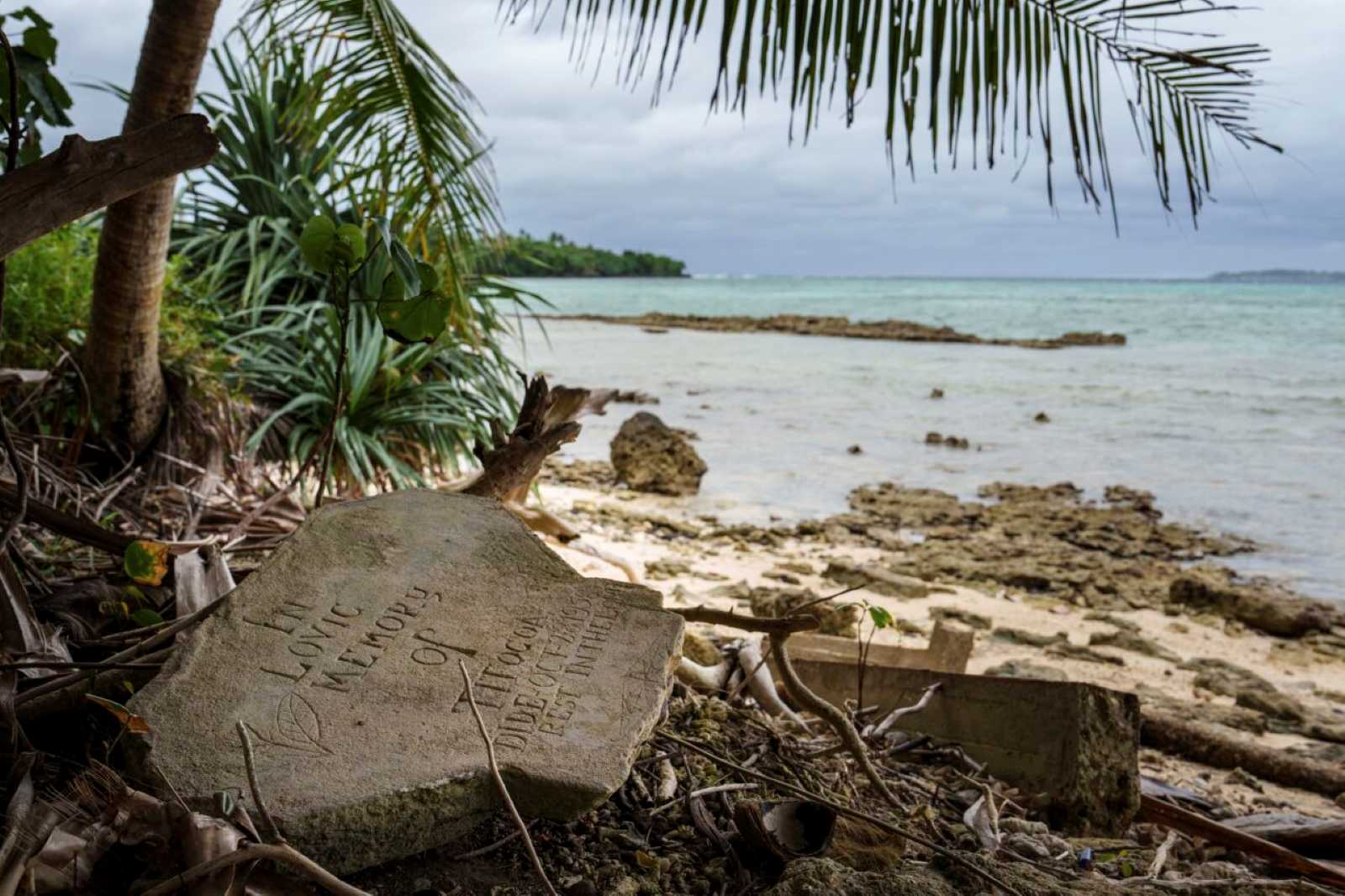
This can fuel tensions and conflict, which in turn cause further displacement. People may move to towns or cities in search of livelihoods, placing additional pressure on urban areas. This is a cascading effect.
At the same time, especially in urban settings, economic opportunity deserves more attention. Many young people spend years pursuing university degrees, then find that there are no jobs for graduates. Education should prepare young people for labour markets and provide practical skills, not only a certificate. They need decent work, access to education, justice and healthcare, and a sense that they can build a life where they are.
As you have described, people are fleeing due to a confluence of factors, which is why migration in the region is often described as “mixed” and includes refugees, labour migrants and people fleeing violence or drought. To what extent is this distinction useful for the provision of aid?
There is policy, and there is reality. When I see a group of people on the move, I do not look for a label on their foreheads to determine what I can assist them with. The immediate task is to assess their vulnerability and respond to their needs. Their status can be determined later.
One person may be a refugee, another an economic migrant, another a trafficked person. But it could as well be somebody who started the journey as one and became another. For example, someone may leave a place voluntarily and pay a smuggler to travel from one place to another, but become trafficked and exploited along the way. That is why labels alone do not tell us what assistance a person needs.
If people are leaving the region, where are they going?
There is a lot of circulation happening within the region, particularly within the Horn of Africa. Across Africa, the vast majority of people who move remain within their own country or region. Only a small share moves beyond the continent, but these are often the journeys that make international news.
The region is home to around 16 million international migrants, and many people are also internally displaced. We see four key routes:
- The eastern route runs mainly from the Horn of Africa through Yemen towards Saudi Arabia. Last year, we tracked 527,000 movements towards the Gulf States.
- The southern route leads towards South Africa and involves, on average, around 150,000 people per year.
- The most recent route crosses the Western Indian Ocean: people, often from Burundi or the Democratic Republic of the Congo, use Tanzania as a departure point and travel towards the French territory of Mayotte, or sometimes to the Comoros or Madagascar.
- Migration from Africa to Europe has almost halved overall, but movements from Eastern Africa to Europe have doubled. The figure is still comparatively low, at around 19,000 people, but the trend matters. It appears to reflect the growing exposure of East Africans to the drivers of migration, including severe drought in Somalia, rising tensions in Ethiopia and limited economic opportunities across the region.
Let’s talk about some of the conflict hotspots that are influencing migration flows in the region and along these routes. Fighting between Houthi forces and Saudi Arabia-backed government troops in Yemen has intensified significantly since September. Thousands of Yemenis have fled to Djibouti by boat. At the same time, as you mentioned earlier, numerous migrants from Africa continue to cross the Gulf of Aden. What are you currently observing on this route, who is making this journey, and what has changed for these people recently?
The conflict in Yemen has displaced tens of thousands of people within the country. At the height of the conflict, several thousand Yemenis arrived in Djibouti. The first few days of arrivals were quite shocking to the system and put local capacities under considerable pressure, but the Djiboutian authorities stepped up and managed it quite well.
At the same time, migrants continue to use the route from Djibouti and Somalia to Yemen. Between January and September of this year, we tracked around 130,000 people arriving in Yemen from Djibouti. Many are not Djiboutian; Djibouti, as well as Somalia, serves as launching points towards the Gulf States.
There are therefore three overlapping movements: Yemenis fleeing to Djibouti, migrants travelling towards the Gulf and migrants returning towards Djibouti after being unable to continue. That means despite the conflict, people are still moving. It is desperation that drives these journeys. People know that Yemen is a conflict zone, but when people face extreme hardship at home, they often take risks that would otherwise seem unacceptable.
The war in Sudan has caused the world’s largest displacement crisis. What is the situation for displaced people and host communities in the region?
There are now 8.6 million people displaced. Although conditions have improved in some localities, people are far from returning to their pre-war lives. Some people are returning home, but this does not necessarily mean that it is a sustainable solution for them. They may return to places without schools, hospitals or running water, but home still feels safer and more familiar.
In the Tigray region of neighbouring Ethiopia, tensions appear to be rising again after the devastating war there ended in 2022 with the Pretoria Peace Agreement. How does this affect movements in the region?
Full implementation of the Pretoria Agreement could be a factor in reducing tensions. What we do know is that, before 2022, a large number of Ethiopians travelled towards the Gulf every year. Much of this movement was driven by a lack of economic opportunities, not specifically by conflict. Current and previous tensions add complexity and provide an additional reason for people to leave. The broader pattern is clear: movements have increased steadily over the years.
At the same time, we are receiving reports from Kenya that people from Ethiopia are currently crossing its northern border, a situation linked to conflicts between the Oromo and Somali communities in that region. What is the situation there?
The conflict there is not new; it flares up from time to time. What is different now is its intensity. The violence involved, the ferocity of the response on both sides and the types of weapons being used are shocking. This could potentially lead to a large number of displacements. We need to get to the bottom of what has made this round of violence so severe. Right now, we do not have an answer to this question yet.
In the eastern Democratic Republic of the Congo, too, armed conflict continues to uproot millions of people.
The same applies here. The conflict is nothing new. It has flared up time and again, but the current intensity and pace of events are different. The developments involving the M23 rebel group and the opening of new fronts have changed the situation. Territories have changed hands before, but the speed and consolidation of power this time are striking.
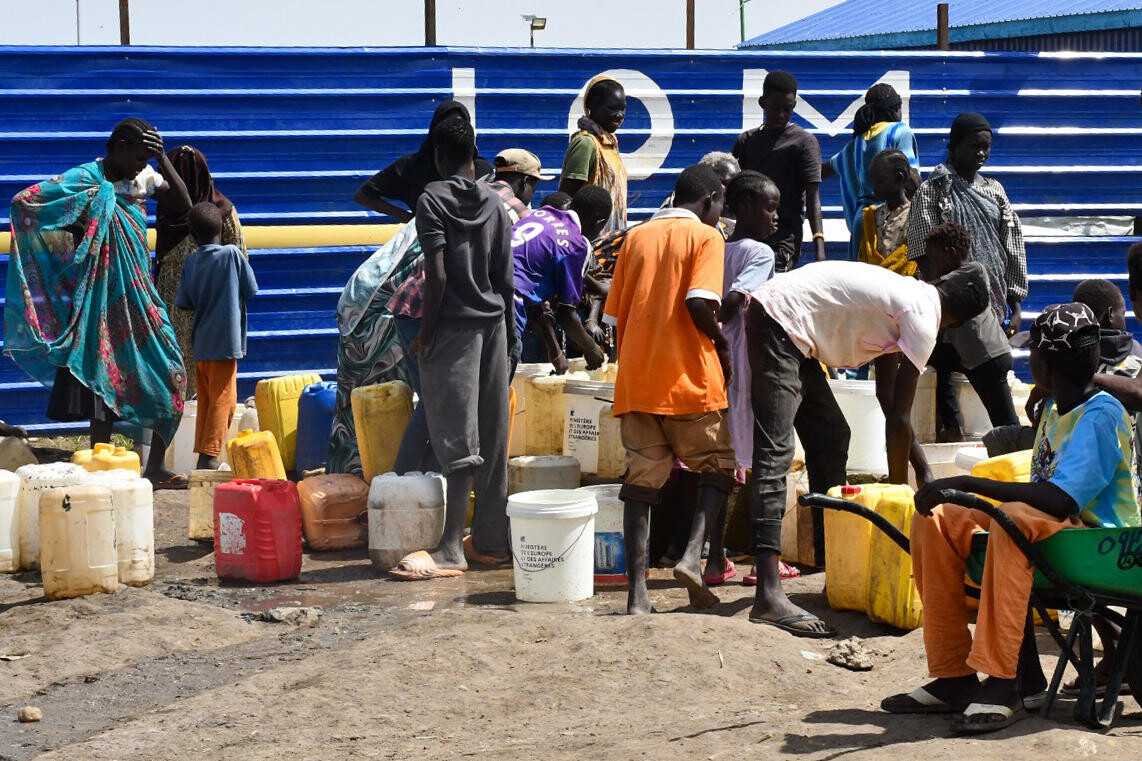
More than 5.3 million people are now internally displaced in the DRC, most of them living with host communities. Those are communities that were already struggling, and they now must share scarce services and resources. This can create tensions between displaced people and host populations. Some people have now been forced to flee three or four times, causing profound trauma.
How does the current Ebola outbreak play a role in the region?
The Ebola outbreak adds another layer of difficulty. At the beginning of November, more than 10,000 people had contracted the virus, and more than 5000 have died. The virus has spread faster in the first 166 days of the outbreak in the DRC than it did during the comparable period of the 2014 West Africa outbreak – but international and regional solidarity is considerably weaker than it was in 2014.
The region has nevertheless contained cases outside the DRC relatively effectively. Uganda managed to contain the outbreak, and Kenya responded quickly when cases appeared there. Nigeria also contained cases. But the DRC remains extremely complex, with conflict, disease and repeated displacement affecting the same communities.
Amid all these ongoing conflicts, aid budgets in the region are under severe pressure due to global funding cuts. How has this affected the IOM’s work, and what trade-offs do you face when setting priorities?
The most difficult question is who receives assistance when everyone is in need. We have to assess the severity of needs and focus limited resources on saving lives rather than providing comfort. At the same time, the system can become more efficient. Agencies need to coordinate, share data and avoid duplication. If IOM is working in a particular area, other agencies should not do the very same thing in the same area.
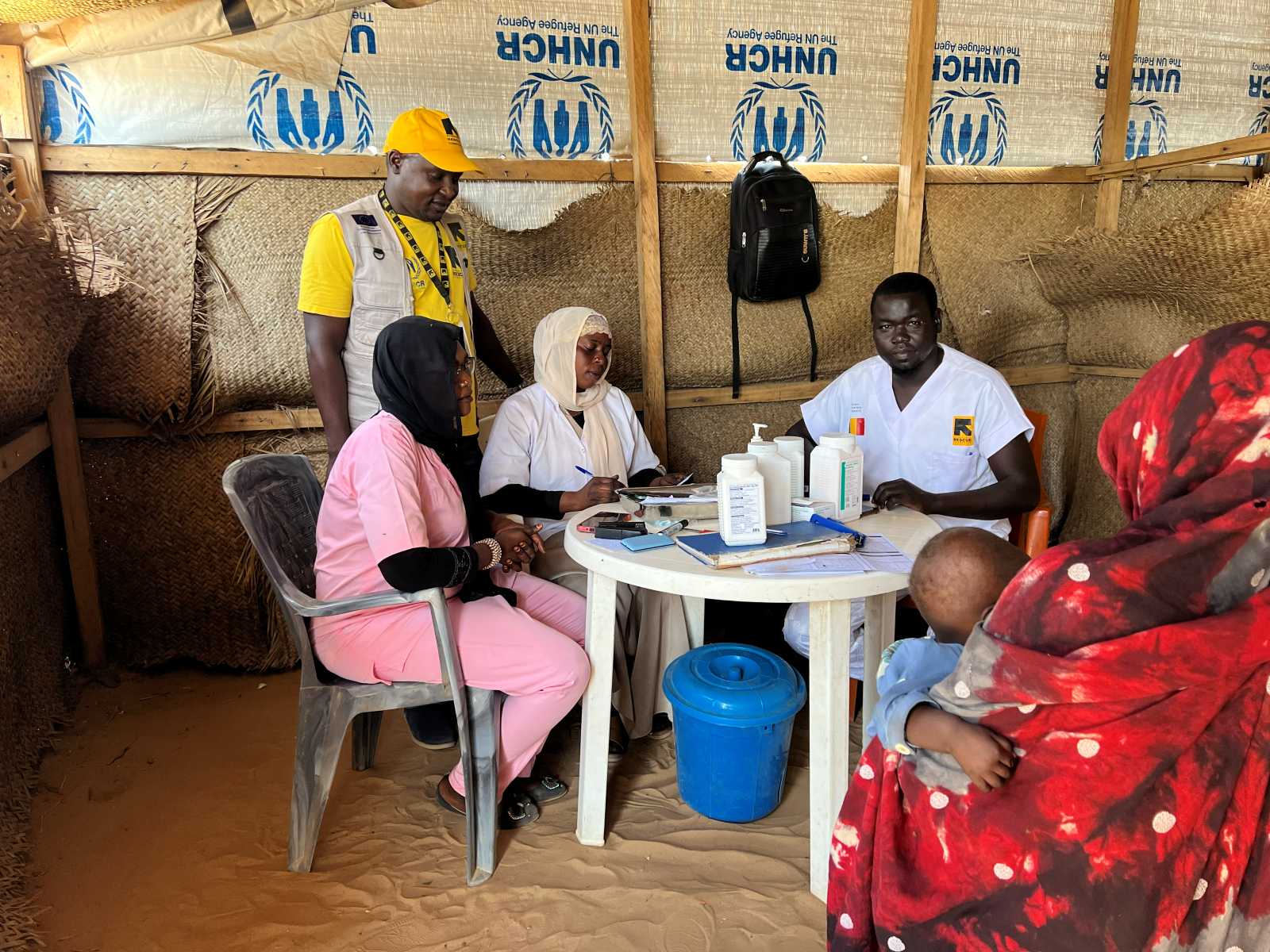
The goal should not be to claim that we can do more with less. It’s about coordinating, effective targeting and truly understanding what urgent needs are. Then we can do much more with the resources that are available.
Many of the conflicts mentioned have led to the permanent displacement of people in the region, and some have been living for decades in camps such as Kakuma in northern Kenya, one of the largest refugee camps on the continent. What do these people need? Which integration measures have been successful in the region, and where are the challenges?
The best approach is local integration for people who want it. Uganda has done this particularly well. It allowed people to become part of the wider population, move freely, and it gave them the documentation they needed to work, study and care for their families.
At the same time, support must not disadvantage host communities. If refugees receive services that local people do not have, tensions can grow. Host communities are also carrying a burden and showing generosity, so support should benefit both groups.
In Kakuma, for example, there are symbiotic relationships between refugees and host communities. Some local people grow vegetables and sell them to refugees; others work, trade and do business with them. The aim should be to make it difficult to distinguish between refugees, displaced people and members of the host community in everyday life.
What developments do you expect to see in the region in the coming years?
We can expect more people to move. Economic conditions in the region are not improving: fuel and food prices are rising, wages are not keeping pace with inflation, and there are not enough jobs, especially for university graduates.
At the same time, not everyone can move, so we need solutions that enable people to stay. If climate change drives displacement, the response must include climate adaptation and resilience. If conflict drives movement, the response must include social cohesion and community stabilisation. If unemployment drives young people away, the response must create jobs and give them a voice in political life. People do not expect others to solve all their problems. But they want to be heard. Young people, in particular, need a seat at the table as an incentive to stay.
Frantz Celestin is IOM’s Regional Director for East, Horn and Southern Africa.
euz.editor@dandc.eu
This story is part of The 89 Percent Project, an initiative of the global journalism collaboration Covering Climate Now.