Humanitarian aid
The fact that funds are lacking to relieve suffering is scandalous


Every day, people arrive at the hut made of straw mats and tarps that the UN Refugee Agency (UNHCR) has built in the sand of the Chadian border town of Adré. They are all fleeing the brutal war in Sudan. Almost 1000 refugees registered here every month, then the Chadian government closed the border at the end of February “until further notice.”
I travelled to that border region in Chad in January. While accompanying the International Rescue Committee (IRC), one of the largest humanitarian aid organisations in the world, I visited refugee camps, health centres and reception sites (a detailed report can be found in the focus section of this issue).
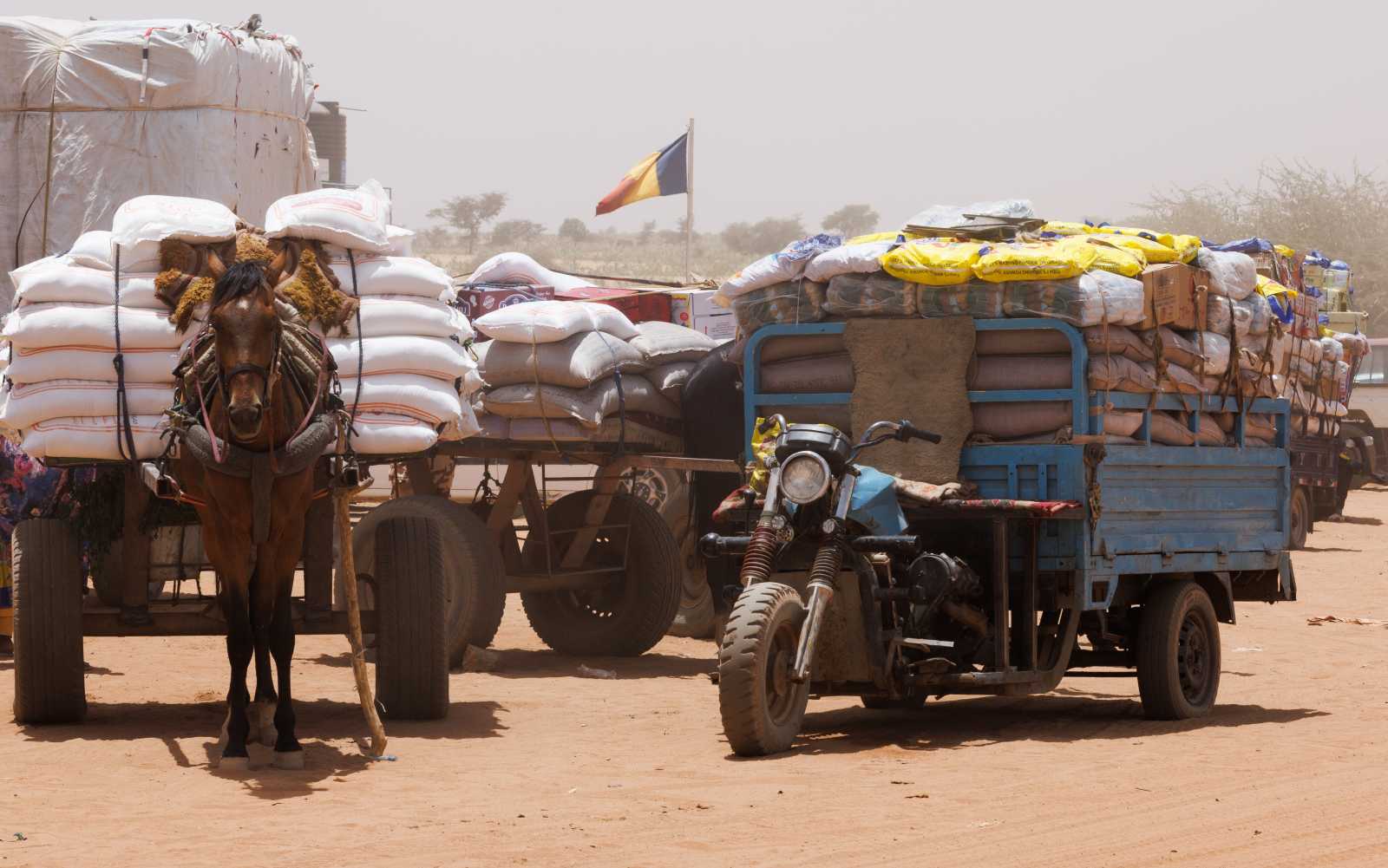
People often cross the border with nothing but the clothes on their backs and severely traumatised. Their despair is almost unbearable when they talk about how their children died in bombings and women were raped while fleeing. On Chadian soil, their lives now depend on aid organisations such as UNHCR and IRC. Chad itself is extremely poor and has been unable to provide for the many refugees since the outbreak of the war in 2023.
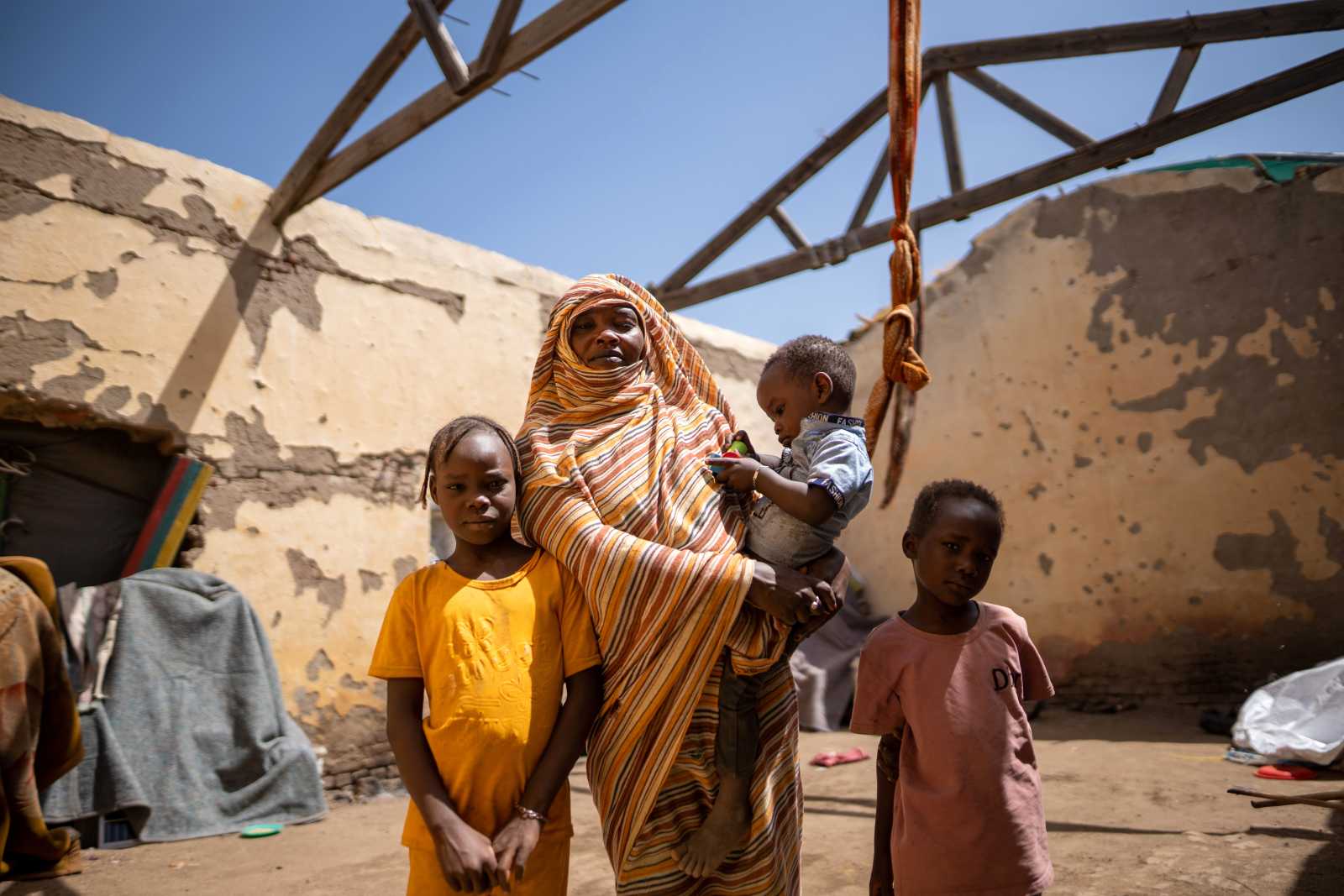
The problem is that aid organisations will soon be unable to do so either. The budget cuts imposed by most Western governments, especially the US, are too severe. The despair at the border extends to the organisations’ offices in Chad’s capital N’Djamena, where employees no longer know how they will continue their programmes beyond the first quarter of this year.
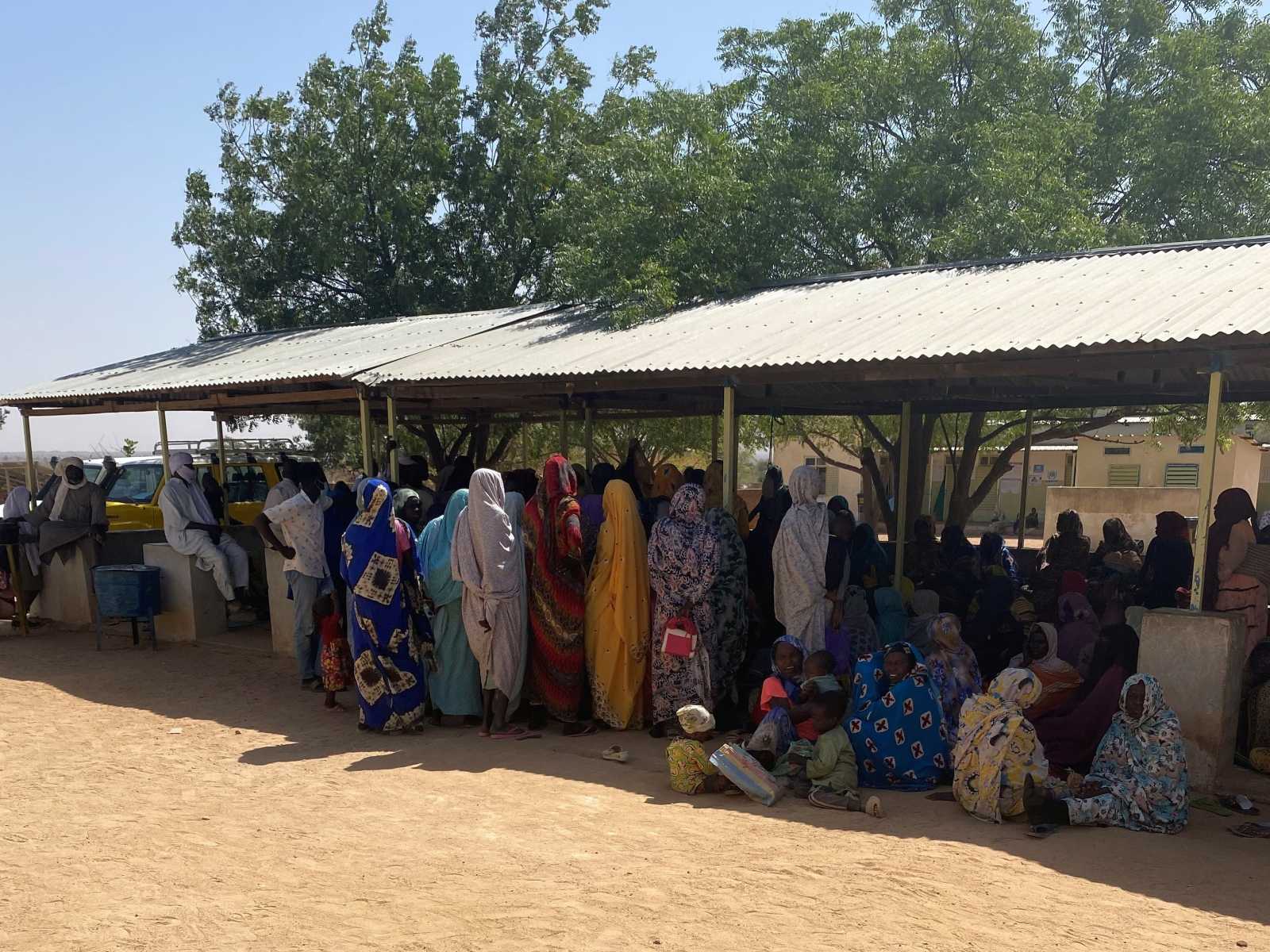
According to the UN, 239 million people could require humanitarian aid in 2026 – a figure that many NGOs consider to be too low. At the same time, the UN states that only about 23 % of planned international aid projects had been financed by the end of October 2025.
One billion for aid, 50 for the military
Germany’s humanitarian aid budget amounts to around one billion euros, less than half of what it was in 2024. For comparison: in December, the German parliament approved orders for military equipment worth € 50 billion. The situation is similar in many Western countries.
In concrete terms, that means: less clean water, less food, fewer doctors, fewer midwives, less housing and less psychological counselling for the people who need all of these things most urgently because wars, natural disasters or other crises have left them in desperate straits.
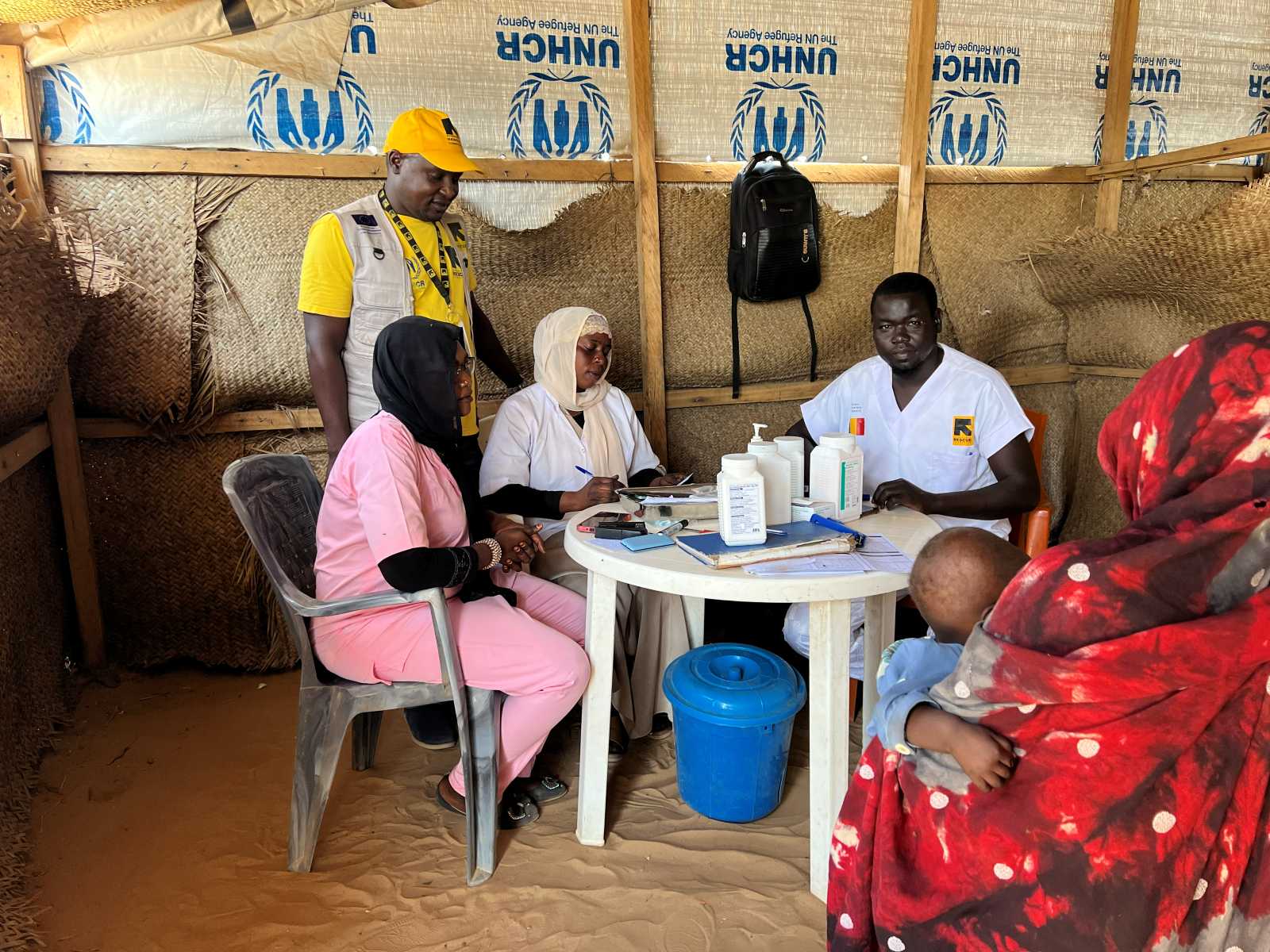
The four humanitarian principles of the UN are “humanity,” “neutrality,” “impartiality” and “independence.” One look at eastern Chad shows that when a lack of funding forces humanitarian actors to weigh basic needs against each other and make cuts in essential areas, even the first principle is no longer being fulfilled.
Katharina Wilhelm Otieno belongs to the editorial team of D+C and works partly in Nairobi.
euz.editor@dandc.eu