Poverty reduction
When poverty is your family legacy


In the dim, overcrowded one-room house the Musa family rents in Kano State in northern Nigeria, the air is heavy with the smell of kerosene from a small lamp. The cracked walls bear the stains of years of dust and heat, and the single window barely lets in light. Outside, the rattle of motorcycle taxis and the shouts of street vendors fill the evening air. Inside, Aisha, the mother of the family, sits on a low stool and sorts onions for the next day’s sales. She vividly recalls her father, a subsistence farmer, telling her that “school is for those who can afford to eat every day.” Married off before she turned eighteen, she now struggles to raise five children on the uncertain earnings of petty trading.
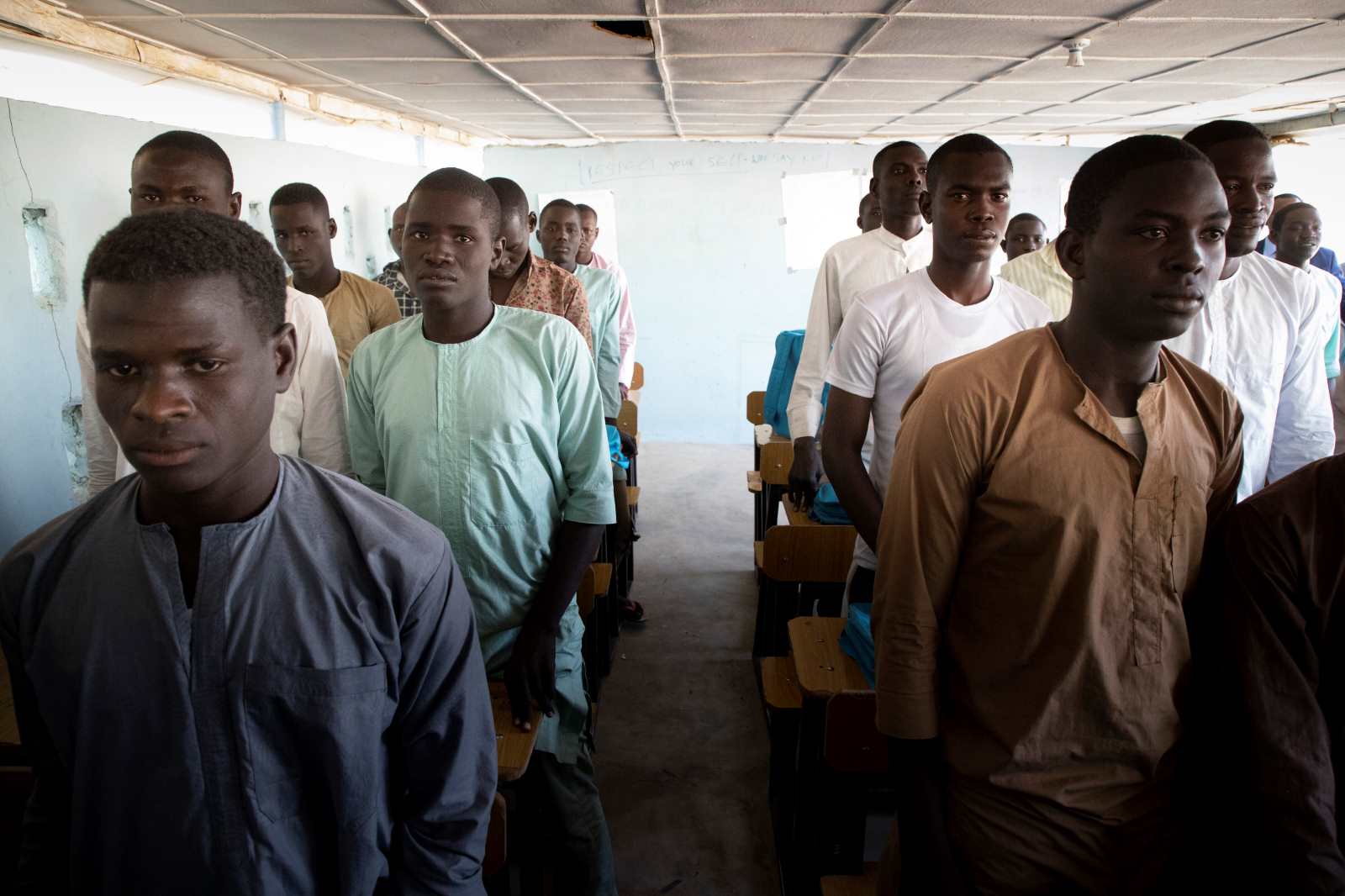
Her eldest son, Yusuf, embodies both the promise and the disappointment of his generation. A university graduate, he once imagined himself in an office, managing projects or drafting policies. Instead, he spends his days navigating Kano’s chaotic streets in a battered taxi, weaving between potholes and traffic jams and listening to passengers lament the rising cost of food or the latest political scandal. “I didn’t study for four years to end up here,” he says quietly. His sister Fatima, bright and determined, dreamed of becoming a nurse, but the tuition fees were an insurmountable barrier. For the Musas, as for millions of Nigerians, each generation inherits the same cycle: limited education, underemployment and poverty.
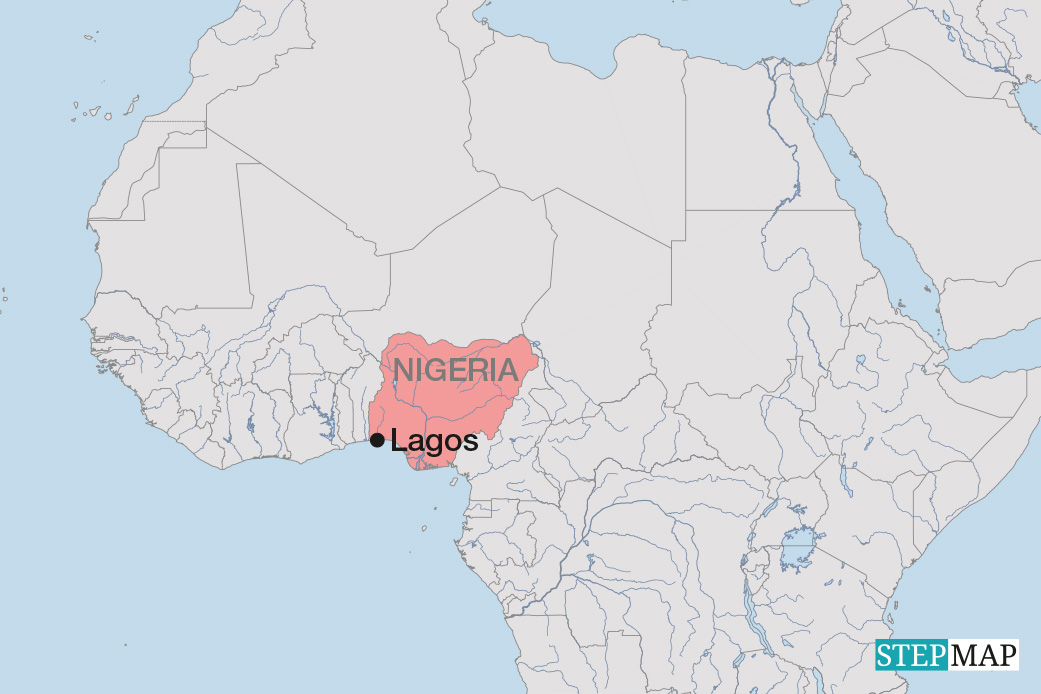
This is the paradox of Nigeria: Africa’s third-largest economy is rich in oil, gas and human talent, yet it also is among the countries with the highest number of people living in extreme poverty worldwide. The World Bank estimates that 30.9 % of the country’s population lives below the international extreme poverty line. Youth bear the heaviest load: unemployment for people between the ages of 15 and 24 is significantly higher than the national average. Underemployment swells the figure further, as graduates like Yusuf take on work far beneath their qualifications.
Not just an economic problem
The Musa family’s story is a microcosm of generational poverty. When parents cannot afford quality schooling, their children enter adulthood without the skills needed for formal employment. Even those who beat the odds and graduate often find themselves stranded in a labour market that has no place for them. The International Labour Organization warns that youth unemployment is not just an economic problem – it fuels frustration, erodes social cohesion and drives migration. Without decent jobs, young Nigerians cannot save, invest or educate their own children and thus end up perpetuating the cycle.
For many, the only way to break this cycle is to leave the country. Nigeria has become one of the largest sources of irregular migrants in the world. Every year, thousands risk their lives in the Sahara and on the Mediterranean in pursuit of the promise of work in Europe or the Gulf. Yusuf has considered it more than once. He’s aware of the opportunities migration might bring, but also of the dangers. “If I stay, I’m wasting my life. If I go, I might lose it,” he sums up. While remittances can ease the strain for families back home, the exodus robs Nigeria of the very talent it needs to develop. The current brain drain will undoubtedly have long-term costs.
The consequences of youth unemployment are also not merely financial. Idle youth are more vulnerable to recruitment by extremist groups, militias or criminal gangs. In the Nigeria’s north, where the poverty rate is very high, insecurity has worsened, creating a vicious cycle in which violence deters investment and job creation, which in turn fuels more unrest. Trust in government is thin; promises of job creation are met with scepticism borne of years of disappointment.
Breaking the vicious circle
Breaking this cycle is possible, but it will require more than rhetoric. Expanding access to quality education should be the first step. Countries like Rwanda have shown how targeted scholarships and investment in girls’ education can transform outcomes within a generation. For Fatima, such a policy could have meant a nursing degree instead of a stalled dream. Diversifying the economy is critical too. South Korea’s post-war transformation from an agrarian society to a manufacturing powerhouse offers lessons on how strategic investment and industrial policy can create millions of jobs. Nigeria could replicate elements of this by boosting agriculture, manufacturing and the digital economy, while at the same time promoting youth-focused entrepreneurship programmes.
Labour market reforms must bridge the gap between skills and demand. Apprenticeships, vocational training and private sector partnerships can align education with real opportunities. Yet these measures face barriers: corruption, poor infrastructure and policy inconsistency have derailed many well-intentioned programmes. Poorly designed job schemes risk creating dependency rather than empowerment. Social protection, through conditional cash transfers and microcredit, can provide immediate relief, as seen in Brazil’s Bolsa Família programme, which lifted millions out of poverty while improving school attendance.
Migration governance also needs attention. Legal migration channels and bilateral labour agreements could allow Nigerians to work abroad safely, send remittances home and return with skills – thereby turning the brain drain into brain circulation. The African Development Bank notes that such frameworks, if well-managed, can benefit both sending and receiving countries.
The cost of inaction, on the other hand, is staggering. With Nigeria’s population projected to exceed 350 million by 2050, failing to harness the potential of its youth could deepen poverty, fuel instability and strain governance to the breaking point.
The Musa family’s future – and that of millions like them – hangs in the balance. Imagine Yusuf managing a logistics firm instead of driving a taxi, Fatima tending patients in a well-equipped clinic and Aisha expanding her trading business with access to credit. These are not impossible dreams; they are the tangible outcomes of deliberate, sustained policy action.
Nigeria faces two scenarios: transform its demographic boom into a dividend that drives inclusive growth, or allow it to become a demographic disaster. The Musa family’s cramped room in Kano is more than a symbol of hardship – it is a reminder of the urgency to act. The nation’s greatest resource is not its oil, but its people. To waste them is to squander the future.
Audu Meera is a Nigerian writer who writes on social development and everyday African experience.
auduogelehameerah@gmail.com