IPC favours unconditional cash transfers
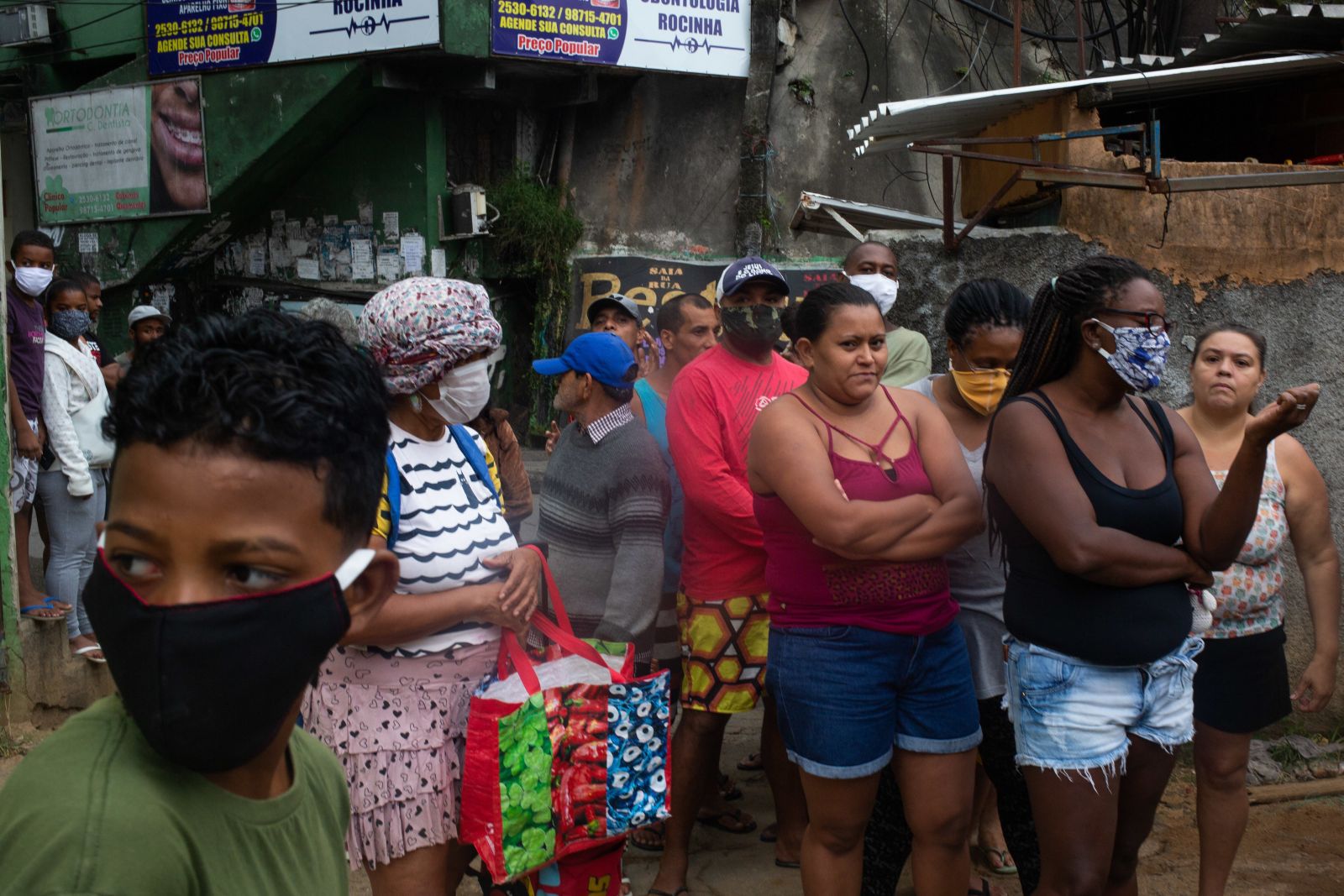
Cash transfers to needy families in developing countries are better than delivery of relief supplies. According to a new study by the International Poverty Centre (IPC) in Brasilia, it is easier and more transparent to give money to poor households than to provide them with food, for instance. What is more, cash enables assisted families to make their own decisions, using the money to meet their most urgent needs. The surprising thing about the new IPC study is that it comes out clearly against conditional cash transfers. Using handouts as incentives to change family behaviour is paternalistic, it says, even if the changes sought are generally accepted goals, such as ensuring that children attend school. Programmes like Oportunidades in Mexico have “evolved into complex mechanisms of social engineering”. In an earlier IPC study last summer, authors argued that conditional cash transfers were effective in Latin American countries and made good sense.
(ell)