Older populations
Ageing in the shadows


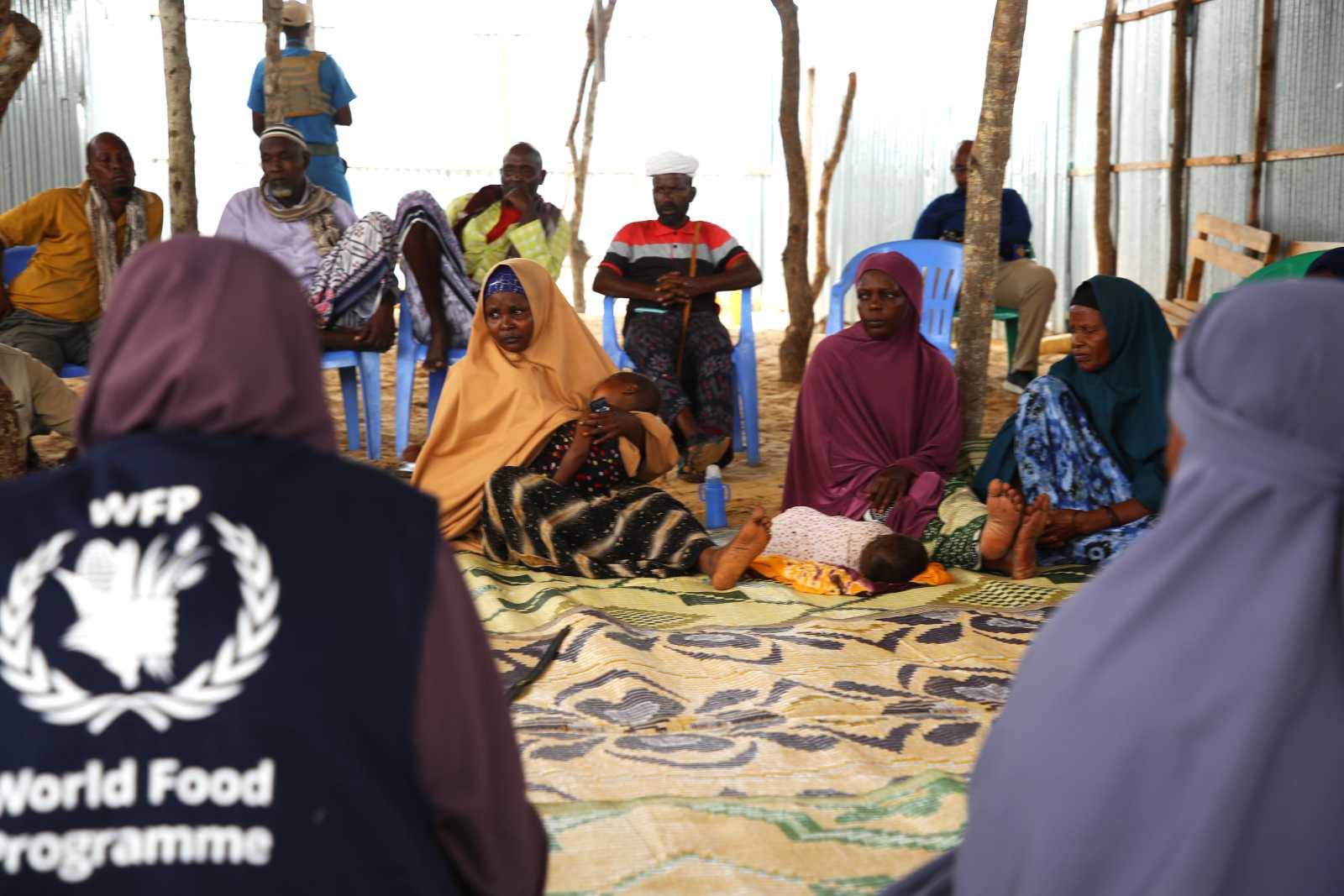
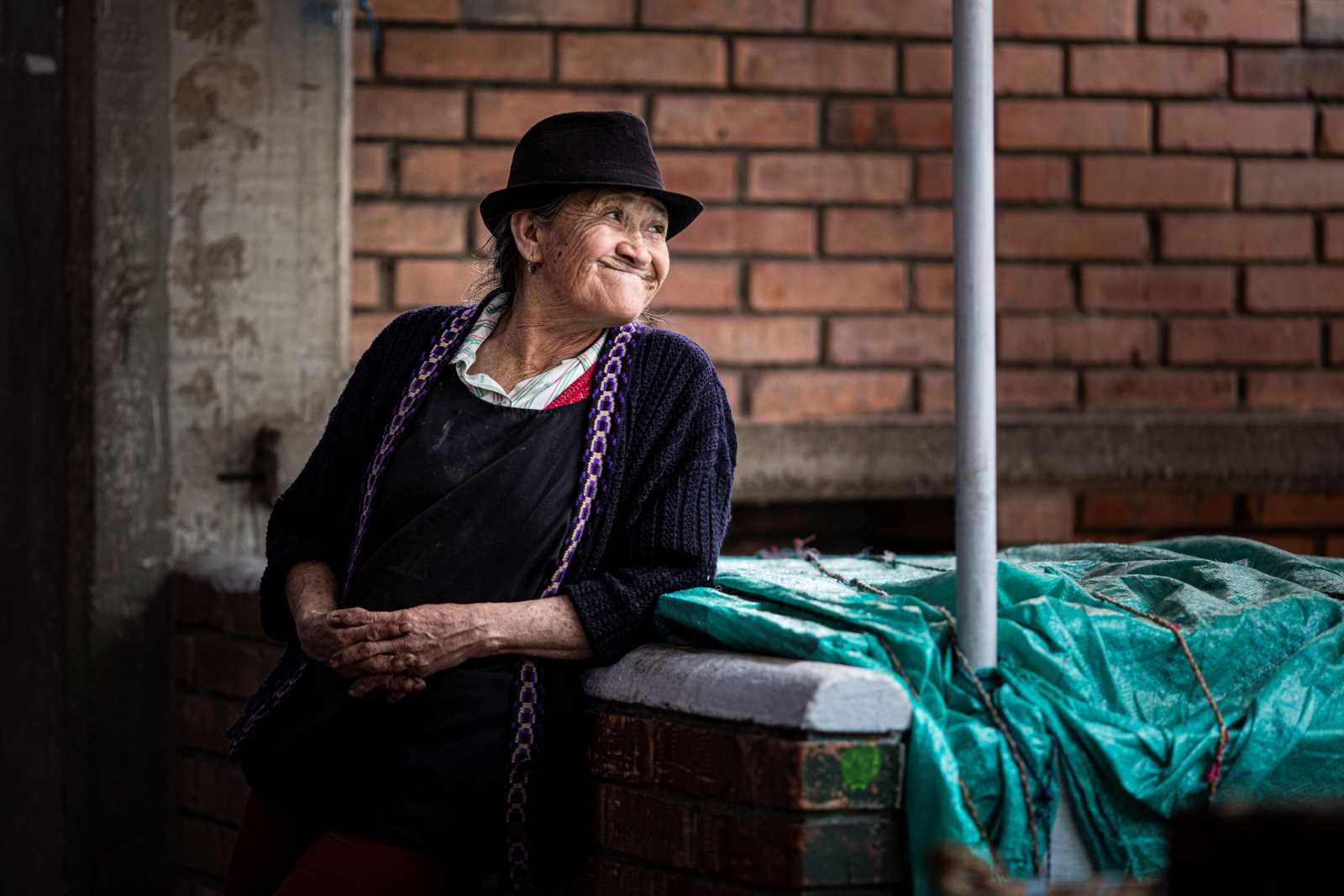
Africa is seeing a significant increase in its older population, with more people entering their later years than ever before. This change entails serious challenges, especially for those living in rural and remote areas.
Although many African communities have traditionally cared for and respected their elders, modern pressures such as urban migration and economic strain have weakened those support systems, leaving many older adults at risk of neglect and marginalisation. Various groups and community initiatives are drawing attention to these issues and working on practical responses, but the gap between what older people need and what is currently available remains wide.
Kenya reflects many of these continental trends. A growing number of older people live in rural areas where health services, income opportunities and social support systems are already limited. As younger family members move to towns and cities for work, older adults are increasingly left to manage farms, households and care for grandchildren with little support. Furthermore, older persons in Kenya’s rural communities face growing vulnerability due to climate change, including crop loss, flash floods and waterborne diseases.
Nonetheless, older citizens remain largely excluded from climate adaptation planning and public health responses. Field experience shows that local climate and health policies rarely consider the specific needs of ageing populations, who often depend on rain-fed agriculture and have limited access to healthcare or disaster preparedness resources.
The lack of participation of older people in decision-making exacerbates their marginalisation. This exclusion deepens inequalities, hinders sustainable adaptation and compromises community well-being.
Age, poverty and rural isolation
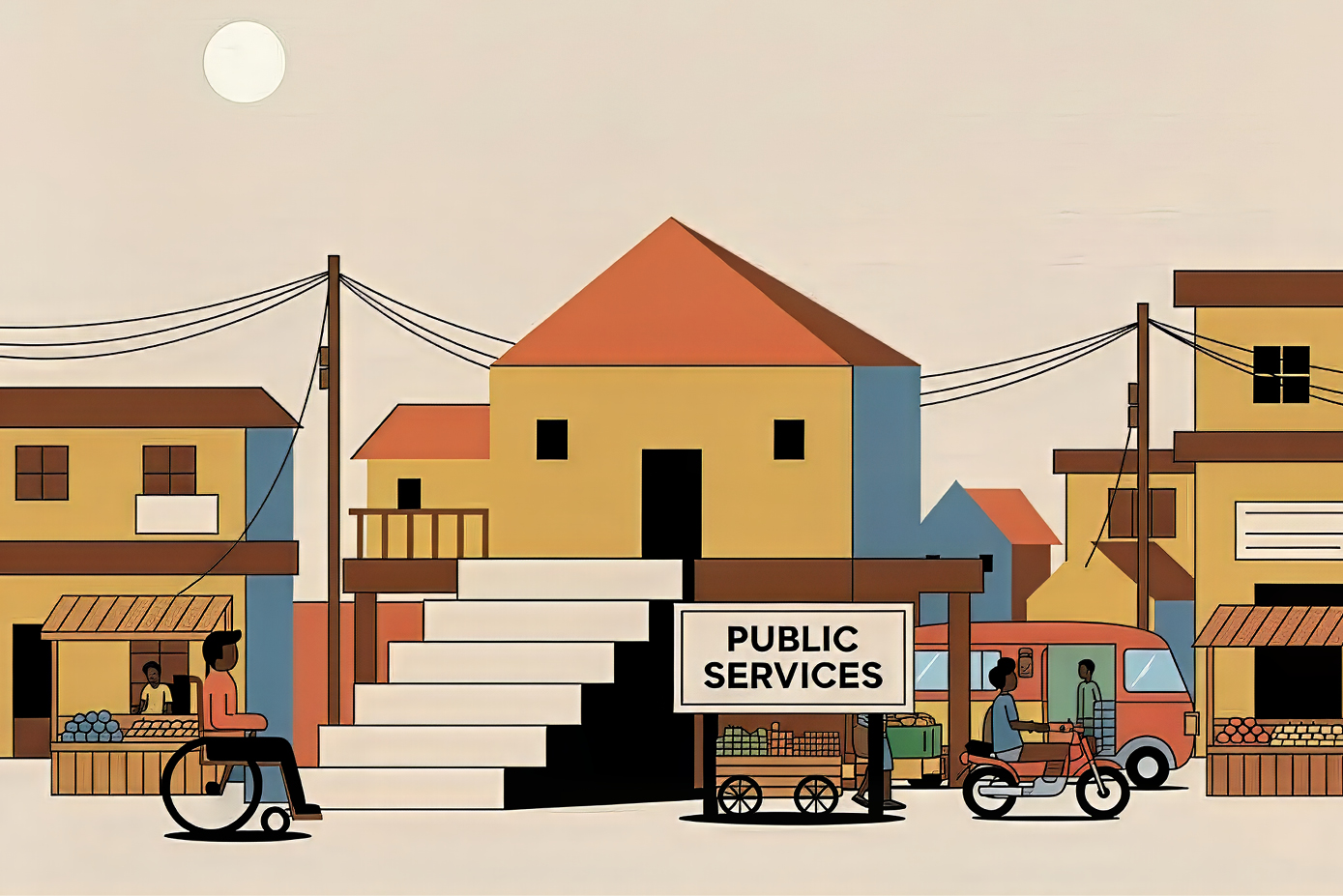
While government programmes, community schemes and civil society efforts aimed at improving elder people’s well-being do exist, the resources available are often insufficient to meet the needs on the ground. Kenya’s experience shows how ageing and related health issues, poverty and rural isolation intersect, creating several complex key challenges that require sustained attention:
- Economic insecurity and poverty: Poverty is arguably the most pervasive challenge. Many older adults in rural areas have spent their lives engaged in informal labour without access to formal pension schemes or retirement benefits. When their physical strength declines, so too does their ability to undertake strenuous agricultural work, which is the primary livelihood in most rural areas. The resulting drop in income leaves them unable to afford basic essentials such as adequate nutrition, housing repairs and medical expenses.
- Lack of social protection: Most African nations offer little to no formal income support. Even where social pensions or cash transfers exist (like in South Africa and Kenya), coverage is often inconsistent, the benefits are too small or the eligibility process is complicated, requiring documentation that many rural residents lack.
- Dependence on remittances: The migration of younger generations to urban areas in search of employment often means older family members are left behind. While remittances can be a lifeline, they are often irregular and insufficient, leaving many older adults to run households and periodically care for grandchildren with limited resources.
- Social isolation and neglect: The erosion of traditional extended family systems, largely due to socioeconomic changes, has increased social isolation among the rural elderly.
- Stigma and discrimination: In some rural communities, older women are especially vulnerable to mistreatment and harmful stereotypes. They may face blame for misfortunes or be viewed as burdens, which can lead to social exclusion, verbal abuse or even physical harm. These attitudes deepen isolation and make it harder for them to access support.
- Inadequate healthcare access and services: Rural areas are often characterised by low population densities and significant geographic distances, making it difficult and expensive to establish and maintain a comprehensive healthcare infrastructure.
- Distance and cost: Older persons in rural areas often have to walk long distances to reach the nearest health clinic, a significant challenge given age-related mobility issues, poor eyesight and chronic conditions such as arthritis. The associated transport costs, along with out-of-pocket medical fees for consultations and prescription drugs, pose immense financial burdens, prompting many to forgo necessary care.
- Systemic neglect: National health systems in Africa have historically focused on maternal and child health and infectious diseases, with a significant gap in capacity for geriatric care, chronic disease management (such as hypertension or diabetes) and mental health services. Older patients often face long waiting times and a lack of trained geriatric professionals, which can lead to negative interactions and a reluctance to use formal health services.
- Reliance on traditional medicine: Due to the inaccessibility and cost of formal healthcare, traditional healers are often the only available source of care for many older persons, reflecting the deep-seated challenges in the public health sector.
Addressing these challenges requires a comprehensive, multi-sectoral approach involving governments, NGOs, communities and families. Several organisations are helping to fill gaps in care for older people in rural areas.
AgeWatch Africa Foundation (AAF), a Kenyan-based older persons’ organisation, is one of them. The foundation partners with communities to provide mobile health services, nutrition support, caregiver training and advocacy for better geriatric care. Its model centres on dignity and community-based support, including home visits, local engagement and plans for future long-term care options. By creating a more coordinated system of services, it helps reduce loneliness and ease the effects of poverty for older adults. After piloting this approach in one county, the foundation is now working to expand its reach to more parts of Kenya.
Rural ageing in Africa comes with complex challenges, but there is progress. With continued focus and stronger policies, older adults can live healthier and more secure lives. Their wellbeing is not just a social responsibility but an important part of building resilient and inclusive communities.
LINK
AgeWatch Africa Foundation
Richard Waindi is the founder and CEO of AgeWatch Africa Foundation and the Chairman of CommonAge Kenya Chapter.
richard@agewatchafrica.com