Technology
AI is man-made and should be subject to human regulation


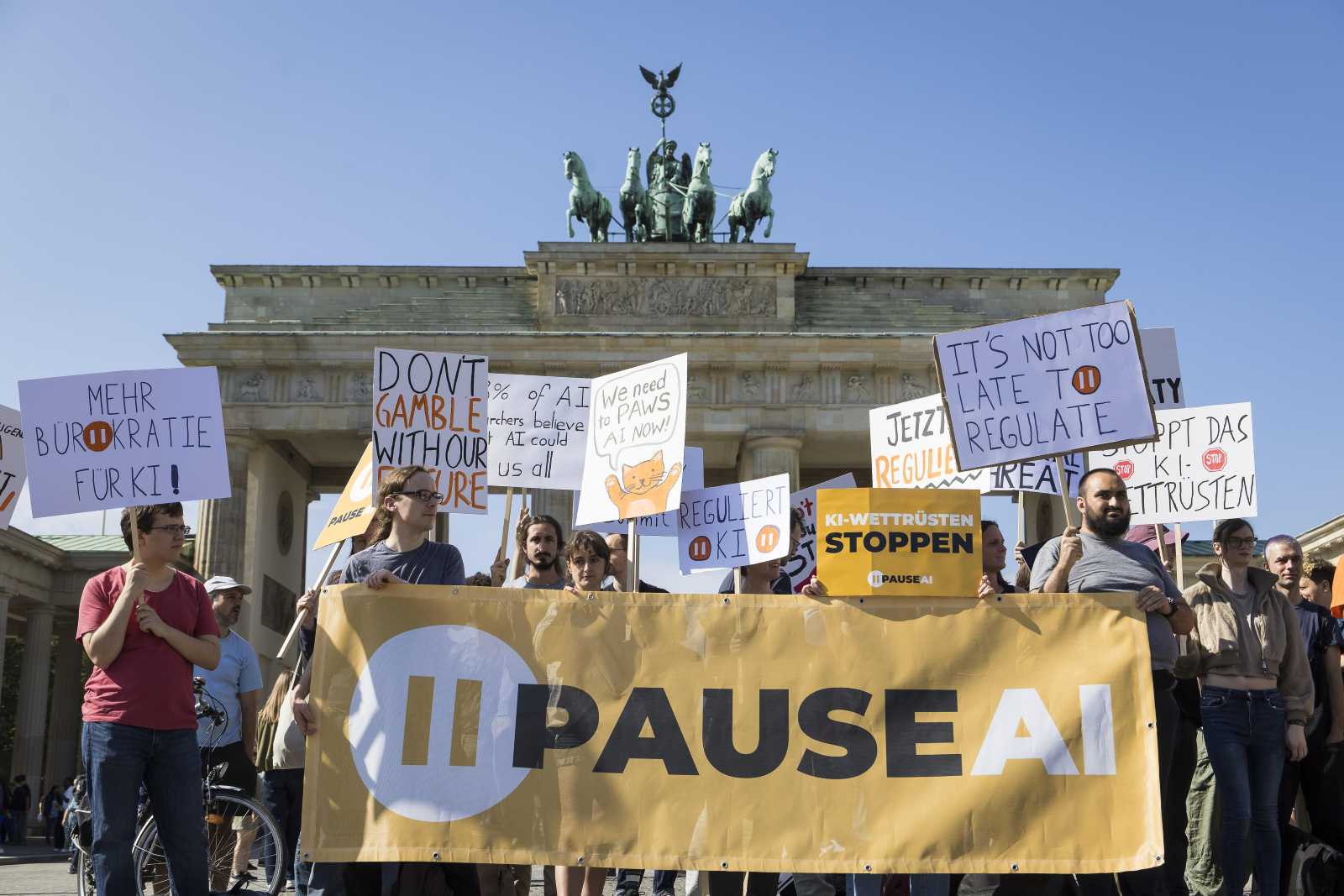
The ongoing discourse on artificial intelligence tends towards polarised extremes. On one side, tech enthusiasts and venture capitalists praise AI’s capabilities and dismiss possible harms as scare tactics. On the other, researchers and sceptics warn of the existential dangers of an AI they perceive to soon become superintelligent. Even the Doomsday Clock, a proxy mechanism for human-made global catastrophe due to unchecked technoscientific advances, has pleaded for AI regulatory guidelines. But are we really 85 seconds from midnight?
Brazilian legal scholar Clara Iglesias Keller warns that personifying AI undermines human agency. She argues that a much more productive conversation would arise from focusing on the real people responsible for this technology. At an online session of the Bonn Symposium organised by the Germany-based Development and Peace Foundation (sef) in September 2026, she and German AI expert Marie Kilg stressed the need to discuss the concentration of power in the hands of a few private companies.
AI technology, Keller and Kilg argue, is creating new power structures while being embedded in an environment of massive geopolitical power imbalances. They view AI as a multidimensional tool enmeshed in society, politics, economics and science – increasingly shaping decision-making and social interaction.
AI regulation has a long way to go
As the regulatory arms race currently stands, legislation is falling behind and allowing Big Tech to fill the AI governance vacuum. AI regulation is therefore primarily composed of voluntary frameworks rather than binding mandates. Private corporations are dictating the rules of the AI conversation and granting themselves the responsibility of abiding by them.
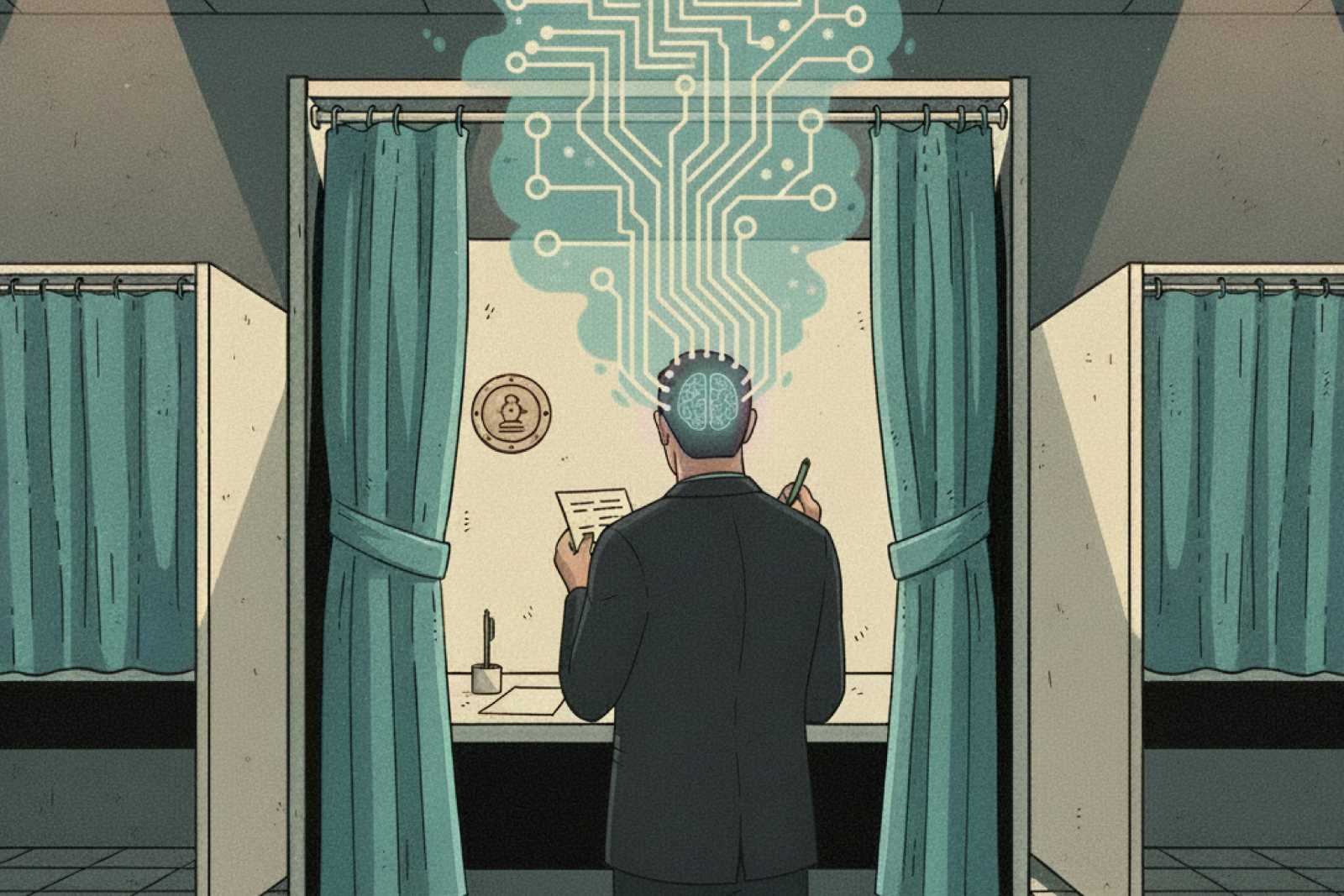
For Keller and Kilg, it is past time the public sector joins in and steers the private sector towards democratic values of transparency and accountability. The belated, widespread approach to digital governance based on risk assessment, they argue, is not only limited but obscures the political construction of this technology. They are therefore calling for AI technologies to be subject to a human rights assessment obligation.
During the Bonn Symposium, Keller stressed that people need to know what could happen and what their rights are in the face of the overlap of technology and inequalities. Kilg pointed out that our history of product regulation could be useful in the construction of an AI regulatory framework based on the idea of rights. For her, the creation of repositories – places which store information or knowledge – in charge of monitoring and creating best practice baselines, such as the African Observatory on Responsible Artificial Intelligence, is a positive first step in that direction, although an institution for reinforcing compliance with existing policies is still lacking in many places.
As Keller and Kilg see it, there is no single silver bullet. Big Tech is strengthening its political lobby, while states fear regulation would impede innovation and market competition.
Regional regulations instead of global rules
While Keller sees little space for global governance on the matter, Kilg contends that this is a positive thing. Kilg’s point is that meaningful AI governance cannot be globally imposed. Rather, responsible AI governance must be attentive to each country’s public-sector capabilities and socioeconomic asymmetries. Above all, it should aim at transparency and inclusivity, upholding human rights and mitigating associated risks, Kilg argues. She is therefore in favour of regional and multilateral agreements which foster a broader diversity of approaches. She also points to the fact that gaps in digital and AI readiness across nations may lead to undesired economic, social and political shifts that disproportionately affect vulnerable communities and lower-income countries.

Artificial intelligence is a tool built by humans for human purposes. Every aspect of it is man-made. As such, human rules and obligations apply – we need only remember our power to create and enforce them.
Julia Florêncio studies sociology and science and technology studies (STS). She wrote this article as an intern at D+C’s editorial office.
euz.editor@dandc.eu