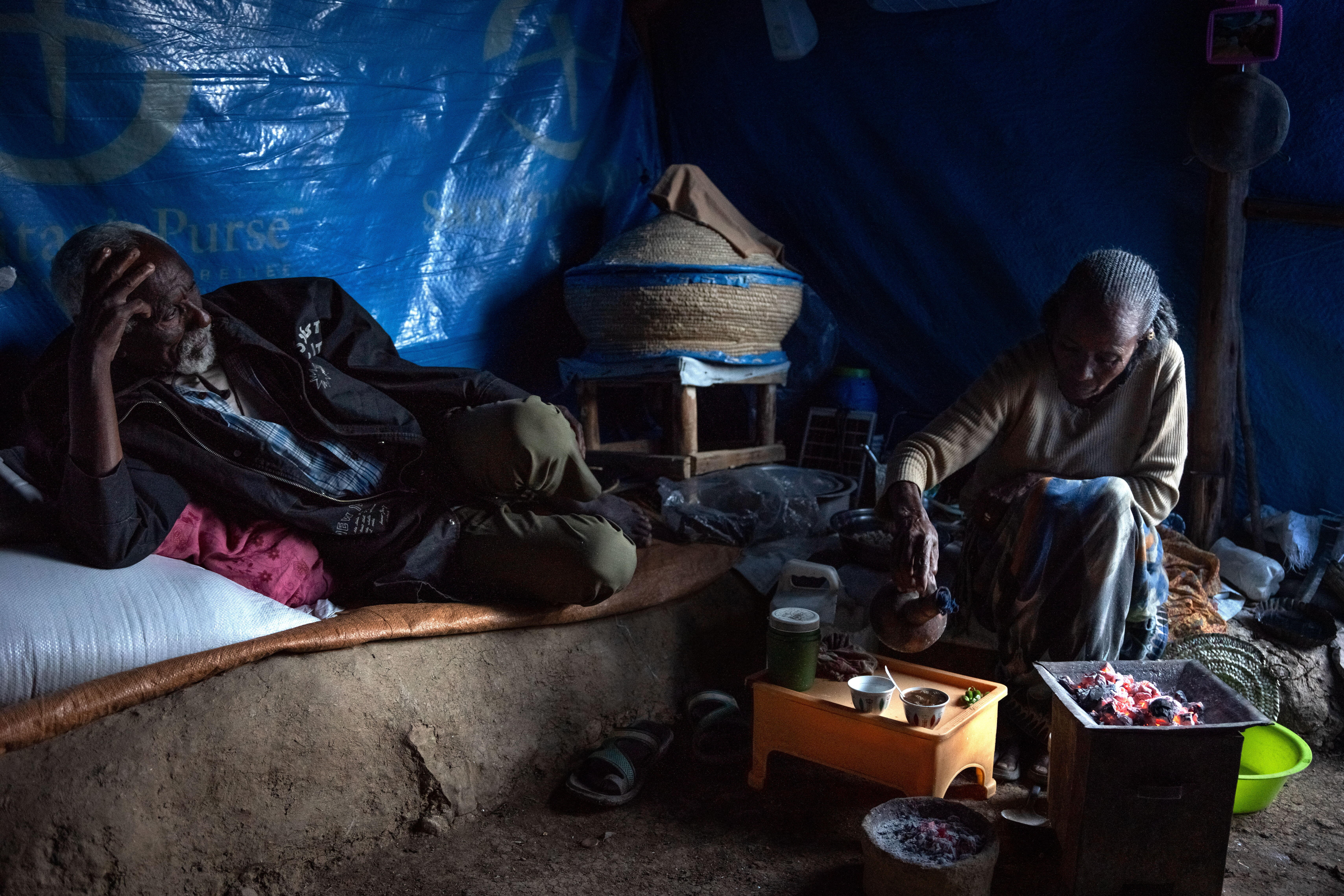
Humanitarian crisis
Burundi’s refugee camps overwhelmed after new fighting in the DRC


Tens of thousands of people have crossed into Burundi in the past months, fleeing renewed fighting in the eastern DRC. They arrive exhausted, often separated from family members, and are directed to transit and refugee sites scattered across the country. For many, safety has come at the cost of dignity.
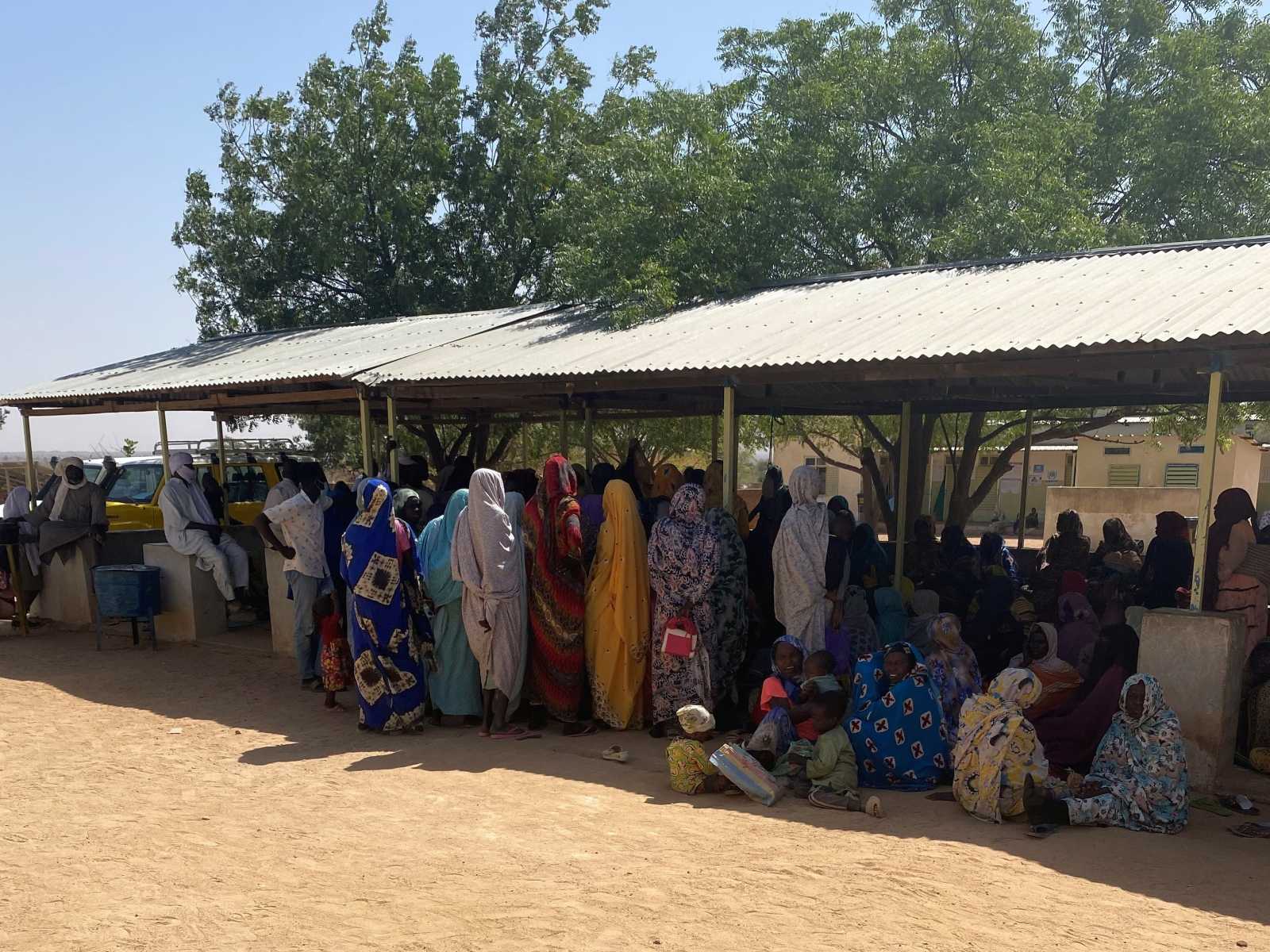
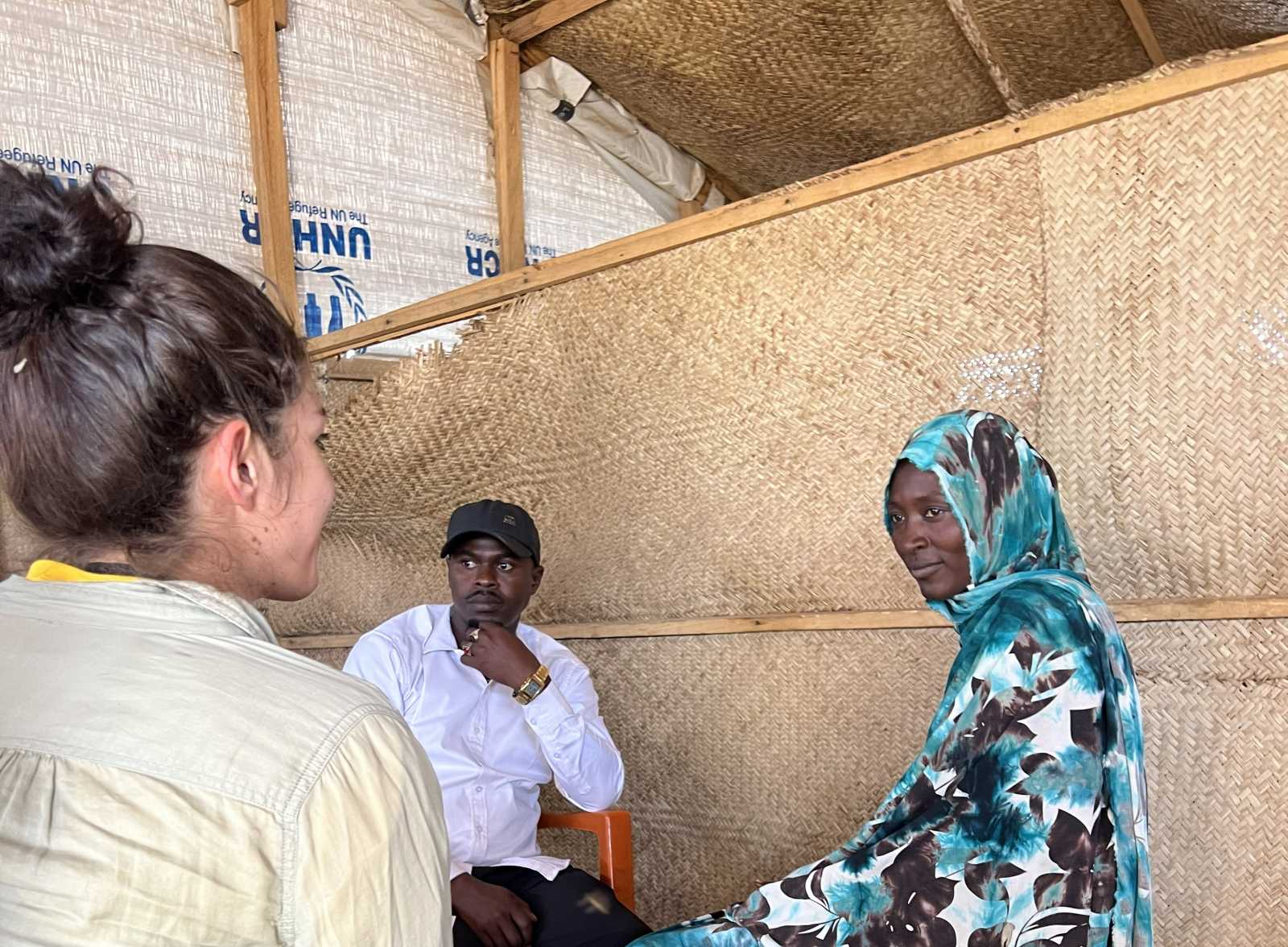
On a hilltop in Cibitoke Province in Burundi, close to the Congolese border, the temporary Cishemere transit site shelters thousands of Congolese refugees. Smoke from cooking fires hangs in the air. Torn tarpaulins flap next to newly installed ones. Aid workers move in and out of the camp while women and children wait anxiously under the sun.
Near her makeshift shelter, 39-year-old Consolée Nyiranziza washes clothes with murky water. She fled her hometown of Luvungi in eastern Congo after fighting intensified between the Congolese army and armed groups. During the chaos, she was separated from her husband.
“Water is scarce and often unsafe. There is not enough food. We suffer from cold, poor sanitation and untreated illnesses,” she says. “This is a daily struggle.”
The violence that forced Consolée Nyiranziza to flee is part of a broader conflict in eastern Congo involving several armed groups, including the March 23 Movement (M23), which emerged in 2012 and operates mainly in North Kivu. The group took control of key cities such as Goma, Bukavu and Uvira, triggering large-scale displacement. The Congolese government accuses Rwanda of supporting the M23, a claim Kigali denies.
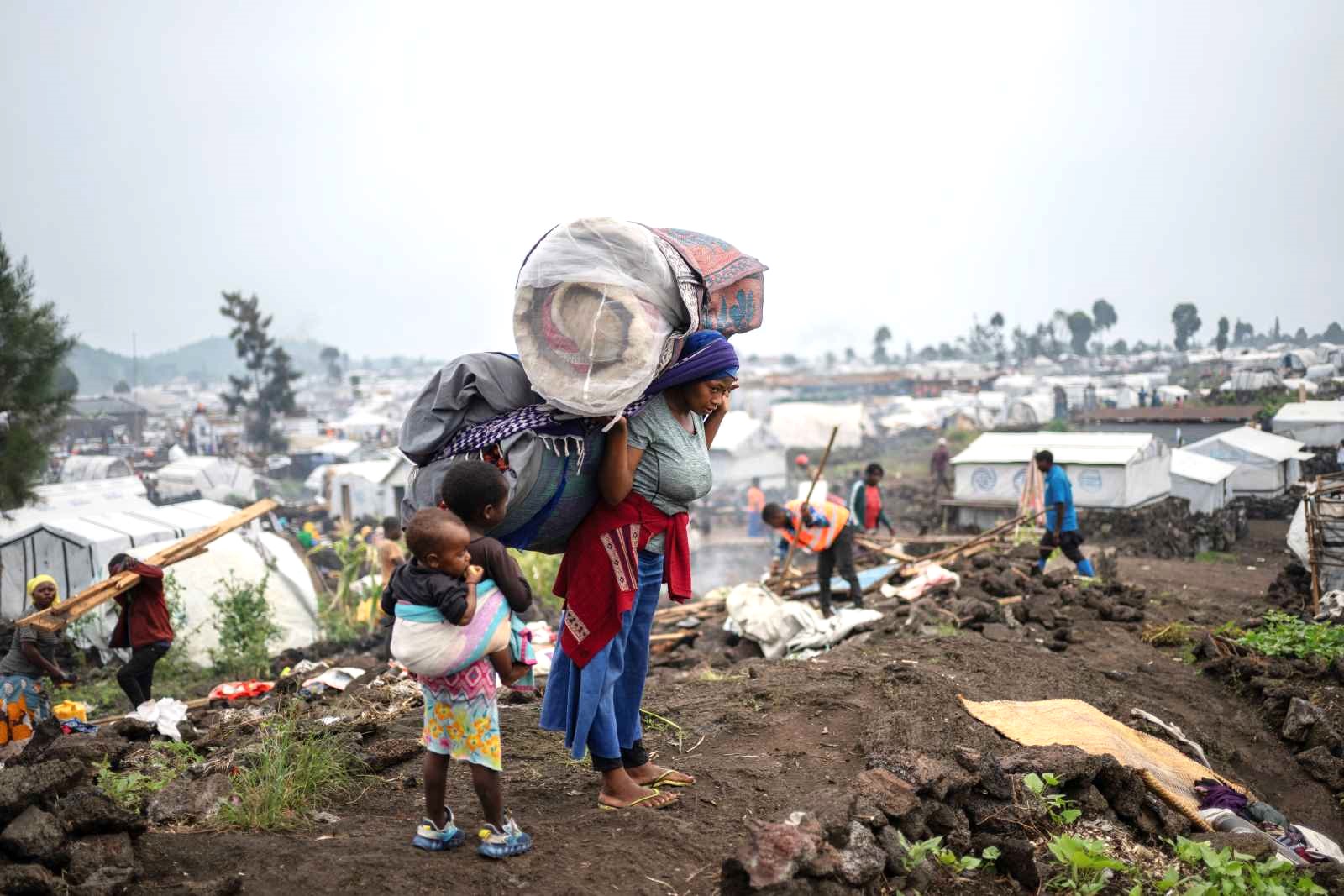
As a neighbouring country, Burundi has become a major destination for those fleeing the fighting. According to the United Nations High Commissioner for Refugees (UNHCR), since early December 2025 more than 100,000 people have fled, increasing the total number of Congolese refugees registered in Burundi to more than 200,000. Many cannot seek refuge in Rwanda because of strained relations between Kigali and Kinshasa.
Moving camps, same hardships
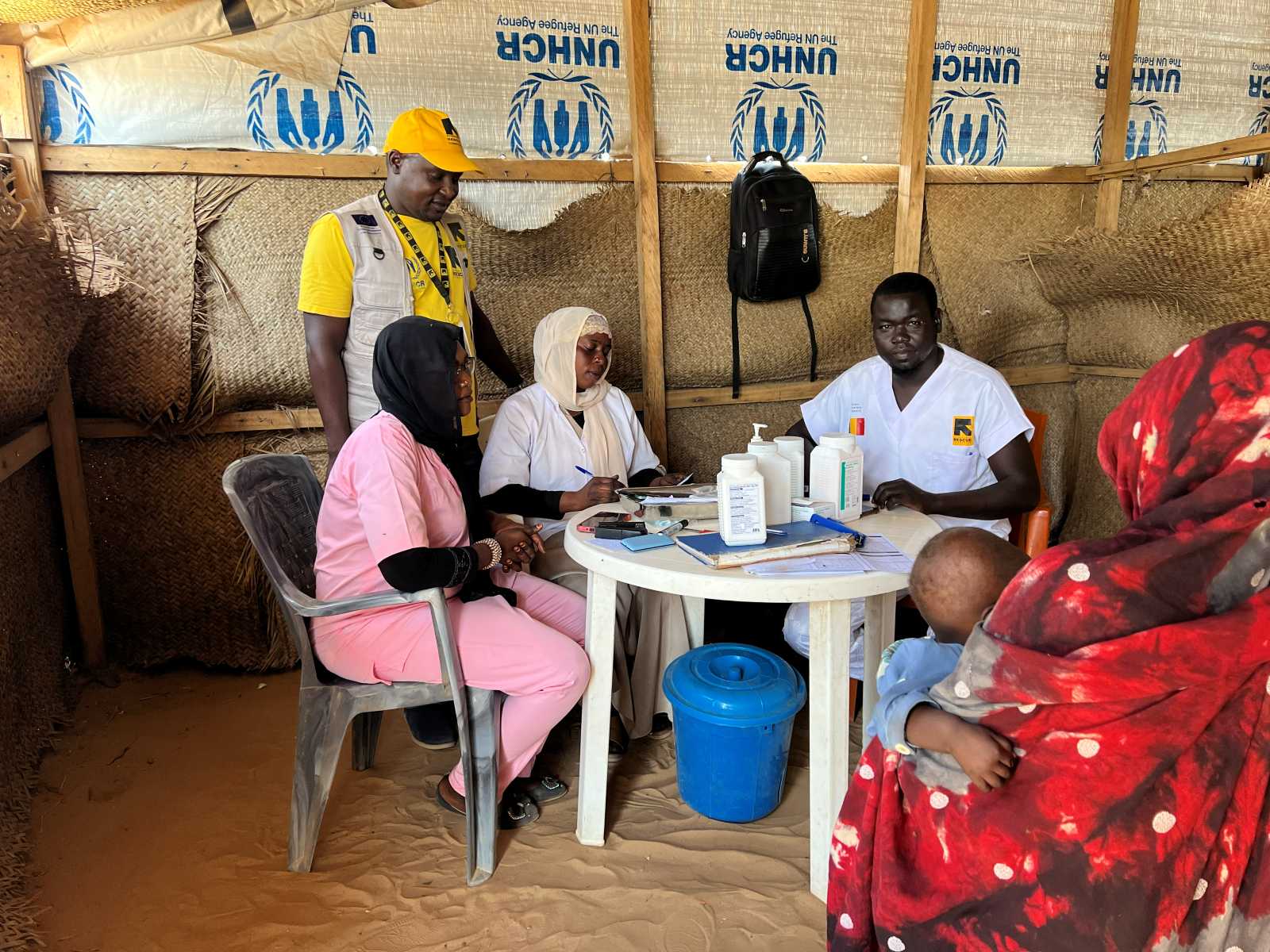
For Denis Nepa, 34, relocating has brought little relief. After leaving Cishemere, he was transferred to the Busuma site in eastern Burundi, which hosts more than 65,000 Congolese refugees according to UNHCR. “Access to clean water is still a serious problem,” he says. Although water trucks deliver water two or three times a week, many refugees are forced to rely on contaminated water from nearby marshes. Diarrhoeal diseases have spread, sometimes with fatal consequences.
At UNHCR, officials acknowledge the severity of the humanitarian situation. Frédérick Cussigh, the agency’s emergency coordinator in Burundi, says plans are underway to improve water access. “A spring-capture system will soon be installed,” he explains. “Our goal is to provide 15 litres of safe water per person per day, compared to the 2.5 litres currently available.”
Burundian authorities have repeatedly requested international support. While the UN appealed for $ 33 million in urgent funding in December, only between $ 6 and 7 million had been made available by the end of January 2026, according to Edouard Bizimana, Burundian Minister of Foreign Affairs, Regional Integration and Development Cooperation. Despite the harsh conditions, many refugees hold on to one hope: that the war in eastern Congo will end and allow them to return home. For now, they wait – suspended between a violent past and an uncertain future.
Mireille Kanyange is a journalist and reporter of Radio Isanganiro in Burundi.
mika.kanyange@gmail.com