Children in conflict
Child soldiers are still a reality in South Sudan


South Sudan has been struggling with ongoing violence for decades, which has turned civilians, including children, into victims of displacement, disease and hunger. Many have assumed responsibility for feeding their families, while others are being used in the fighting.
The UN’s Optional Protocol to the Convention on the Rights of the Child regarding the involvement of children in armed conflict, which was adopted by the General Assembly on 25 May 2000 and went into effect on 12 February 2002, seeks to safeguard children from being recruited and utilised in hostilities. It prohibits its 173 member nations, including South Sudan, from recruiting individuals under the age of 18 as soldiers or using them in armed conflict in any way.
South Sudan ratified the protocol on 27 September 2018, shortly after signing the Revitalized Agreement on the Resolution of the Conflict in the Republic of South Sudan, which aimed to end the civil war that devastated the country from 2013 to 2018.
Despite this commitment, the ongoing conflict between government forces and opposition groups is still putting children’s rights in jeopardy throughout South Sudan. In a report to the UN Security Council on 27 May 2025, UN Secretary-General António Guterres indicated that children remain at extremely high risk of becoming the victims of serious rights violations, both at the hands of state and non-state actors.
The report indicates that there were 630 violations of children’s rights throughout South Sudan during the period from 1 July 2022 to 30 June 2024, including abductions for recruitment, sexual violence during the abductions, as well as killing and maiming following the abductions.
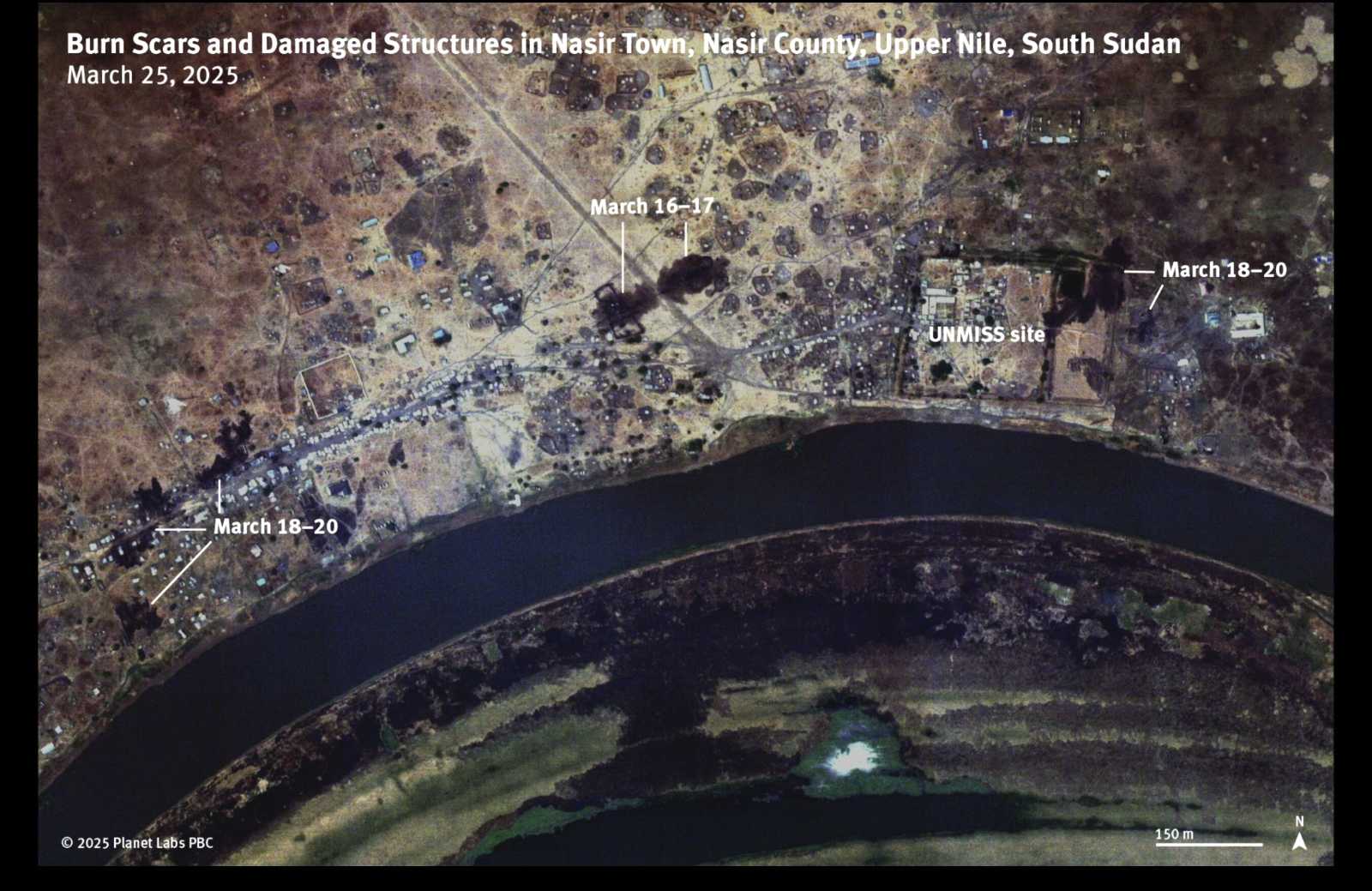
It notes that Western Equatoria State had the highest number of violations, totalling 141; Upper Nile State followed with 137 cases, while Jonglei State reported 120 violations against children.
Drivers of child recruitment
Decades of civil war, current conflicts, climate shocks and a severe economic downturn are all factors that make South Sudanese children vulnerable to exploitation. In connection with this UNICEF estimates that 65 % of school-aged children in the country do not attend school.
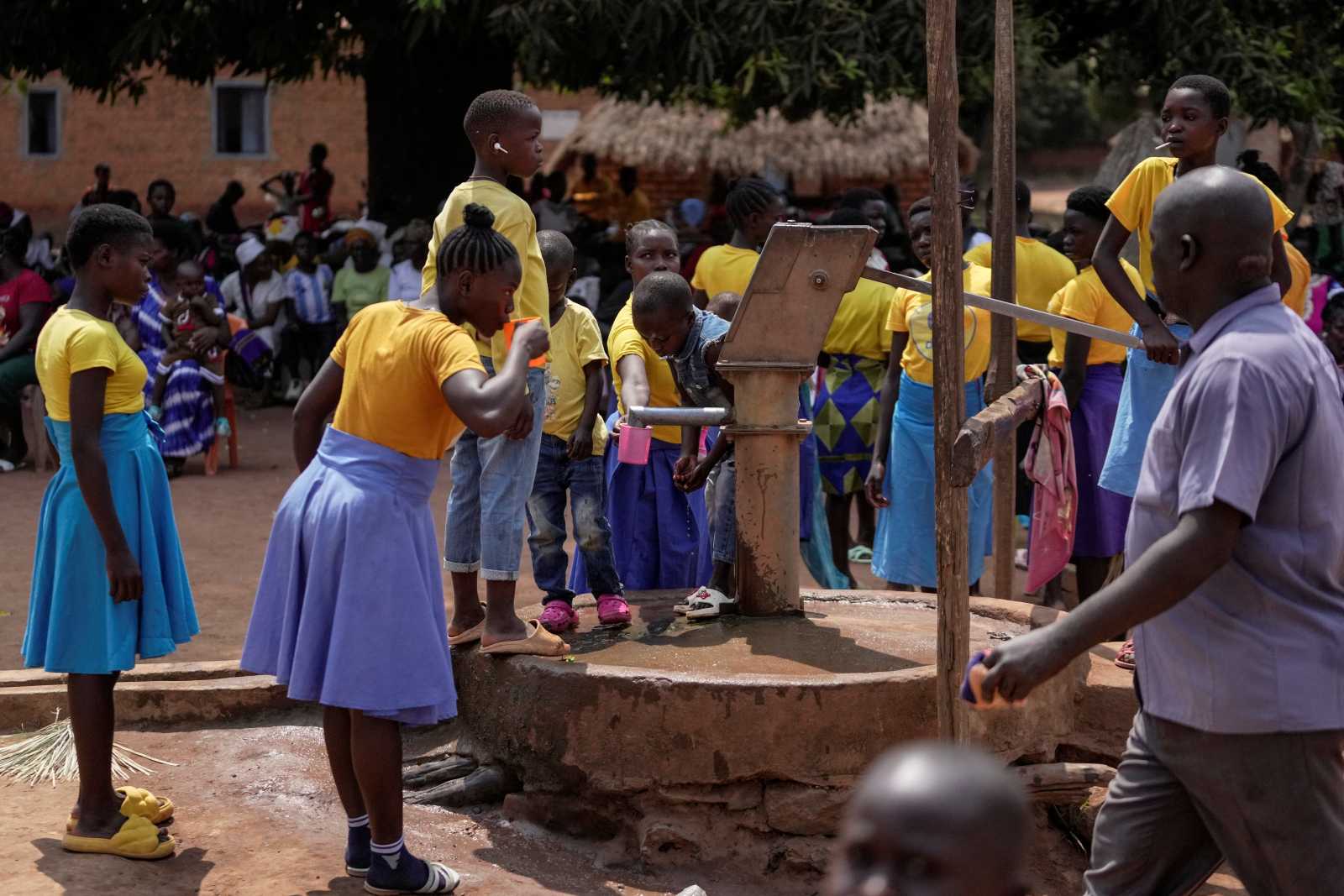
Wanga Emmanuel, the chairperson of Western Equatoria’s Network for Civil Society Organisations, believes that in addition to the conflicts and the difficulty of upholding the rule of law, the government’s inability to address the problem of street children is a major factor driving recruitment. As South Sudan’s then-Minister of Gender, Child and Social Welfare, Aya Warille Benjamin, explained in 2024, some children are forcibly abducted, but there are others that join armed groups to escape poverty. The UN report indicates that children are sometimes coerced to enlist with promises of financial compensation. Solana Jeremiah Chuei, the chairperson of Upper Nile State’s Civil Society Network, furthermore points out that mistreated children also sometimes turn to violence as a survival tactic.
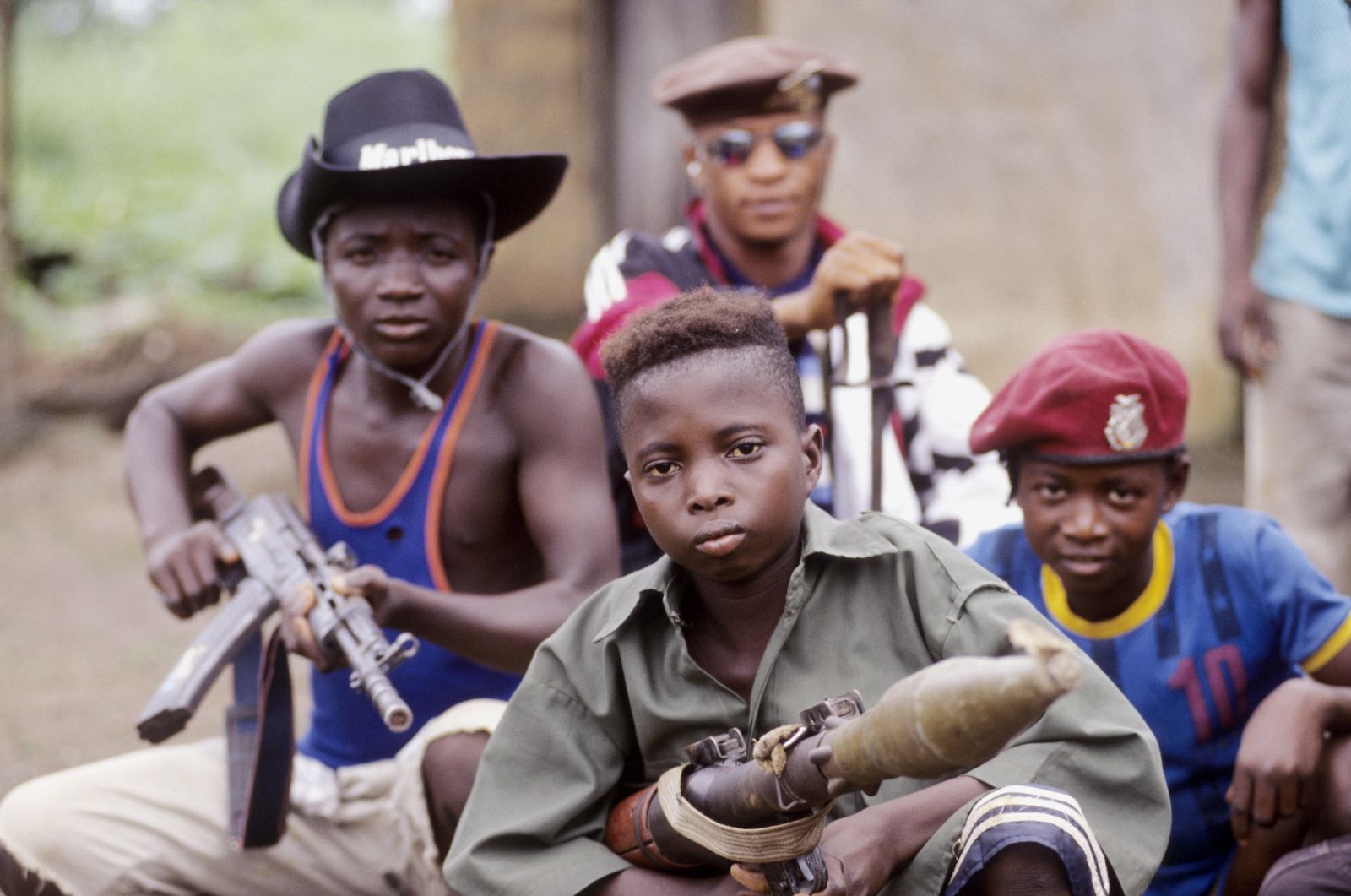
Increased security tensions appear to go hand in hand with increased child-rights violations. Progress in implementing the Revitalized Agreement on the Resolution of the Conflict has been limited, and ongoing conflicts have led to fighting between armed youths as well as to the child-rights abuses that the UN report lists. Of the 630 violations that the country task force was able to verify, non-state actors were responsible for 45 %, government security forces for 31 %, and 24 % remained unattributed.
Peter Ngwojo, the Minister for Information in Upper Nile State, has stated that the government now has a strict policy against the recruitment of child soldiers and denies witnessing any continued use of them in state forces. John Bariona , the Minister for Cabinet Affairs in Western Equatoria, similarly claims that the government of his state has a definite strategy to protect children from exploitation, but admits that recruitment continues, even though he says he cannot identify who is behind it.
The UN report acknowledges that some progress has been made, but emphasises that low accountability is enabling and perpetuating sexual violence by government forces, for example. Secretary-General Guterres calls on the government to increase accountability, oversight and training of armed forces to prevent child-rights violations. He also calls on all parties to the peace process to fully implement the Revitalized Agreement on the Resolution of the Conflict, including its provisions relating to children.
Successes and continued challenges
The UN peacekeeping mission in South Sudan (UNMISS), UNICEF and national partners have worked together on numerous occasions to secure the release of children associated with both state and opposition forces. As recently as December 2025, 22 children who had served with the South Sudan People’s Defence Forces (SSPDF), the country’s official military, were handed over to child protection authorities in Western Equatoria. They will receive psychosocial support, be reunited with their families and enrolled in vocational training to help them reintegrate into civilian life.
Despite such successes and the government’s expressed commitment to ending the use of children in the conflict, troubling reports continue to emerge. In an interview, Chuei, the civil-society activist, reported possible cases of recruitment in Malakal, the capital of Upper Nile State, in August 2025 at a UNMISS Protection of Civilians site and within the city. Young boys were allegedly arrested for committing crimes, but locals believe that recruitment was the true motivation for their detention. Ngwojo, the Minister for Information in Upper Nile State, also reported that the spiritual leader Makuach Tut, who commands the Nuer White Army militia group, recruited children to serve as soldiers in a planned assault on Malakal. Ngwojo points out that the government has no control over rebel operations in regions where they hold significant sway – a reminder that children will likely remain at risk for as long as hostilities continue.
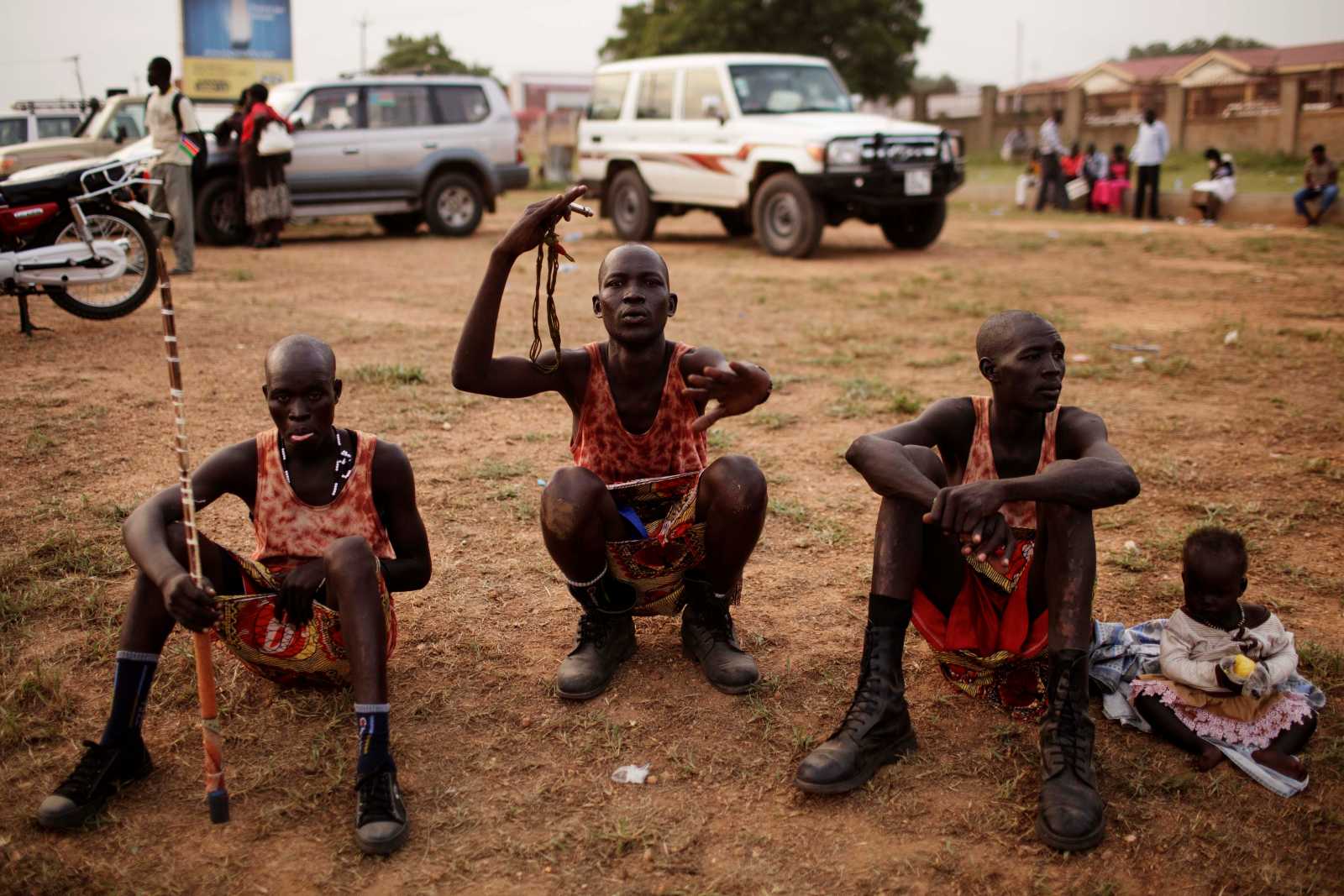
Chuei calls on the government to provide ample educational resources to prevent children from engaging in or being affected by violence. “Those of us in civil society are raising our voices for children to be treated well and for their human rights to be respected,” he said.
Secretary-General Guterres also underscores the need for better access to education, as well as robust legal frameworks, peacebuilding efforts, long-term sustainable development and concerted action by the South Sudanese government and the international community to address the causes of the serious violations currently impacting the country’s children.
Mamer Kuot is a South Sudanese multimedia journalist.
saysabbath@gmail.com