Mining
How Zimbabwe’s gold rush is poisoning water


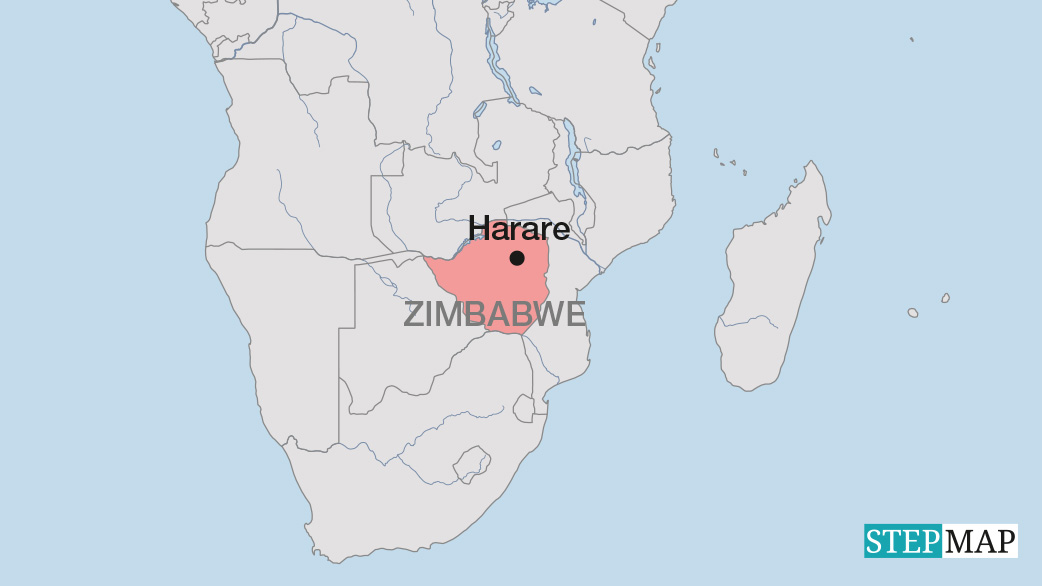
Zimbabwe is awash with gold. According to the finance ministry, the country earned $ 2.5 billion from gold exports in 2024 – an increase of 37 % compared to the previous year.
Much of this trade is driven by informal networks. Syndicates dealing in chemicals such as mercury – used to extract gold from ore and sourced from China and other countries – supply thousands of unregistered small-scale and artisanal miners. These miners are commonly known as “makorokoza”, a term that comes from Zimbabwe’s Shona language.
Most “makorokoza” use simple tools like picks, shovels and pans to extract gold. They are responsible for around 65 % of Zimbabwe’s annual gold production, which amounted to approximately 28 tonnes from January to August this year. However, a significant share of this output is not officially declared.
Much of the gold is laundered through South Africa and eventually ends up in the United Arab Emirates, where it is certified as “clean gold.” In 2024, the US Department of the Treasury sanctioned a global gold smuggling network that operates in several countries, including Zimbabwe.
Mercury dealers
But while gold prices remain at historic highs on the London Metal Exchange and the New York Mercantile Exchange, mercury used in illegal mining is contaminating previously clean water sources in Zimbabwe. “Artisanal miners of gold ore are reckless with mercury; only profit matters,” says Farai Maguwu, director of the Zimbabwean Centre for Natural Resource Governance.
According to the UN Environment Programme, 96 % of artisanal and small-scale gold mining sites in Zimbabwe still rely on mercury to extract gold from ore. An estimated 24 tonnes of the chemical are used each year. In 2025, the agency warned that miners, nearby communities and ecosystems face chronic exposure to toxic pollution.
“Most of the mercury chemicals we get are smuggled into Zimbabwe by dealers who import them from China, Dubai and South Africa,” says Hardy Madoza, an artisanal miner in Penhalonga. “And the dealers are untouchable,” he adds.
Toxic water
Penhalonga, a gold-rich area on the outskirts of Mutare – Zimbabwe’s fourth-largest city – illustrates the scale of the problem. Once known for its pine-covered hills, the landscape is now scarred by countless brown pits as thousands of miners dig for river gold. Downstream, in settlements near Mutare, the activities in the Penhalonga hills are having increasingly severe consequences.
“We’re losing sleep over water that we drank worry-free for decades,” says Shatai Moyo, a resident of Penhalonga. “We dread the water now because it has turned brown.”
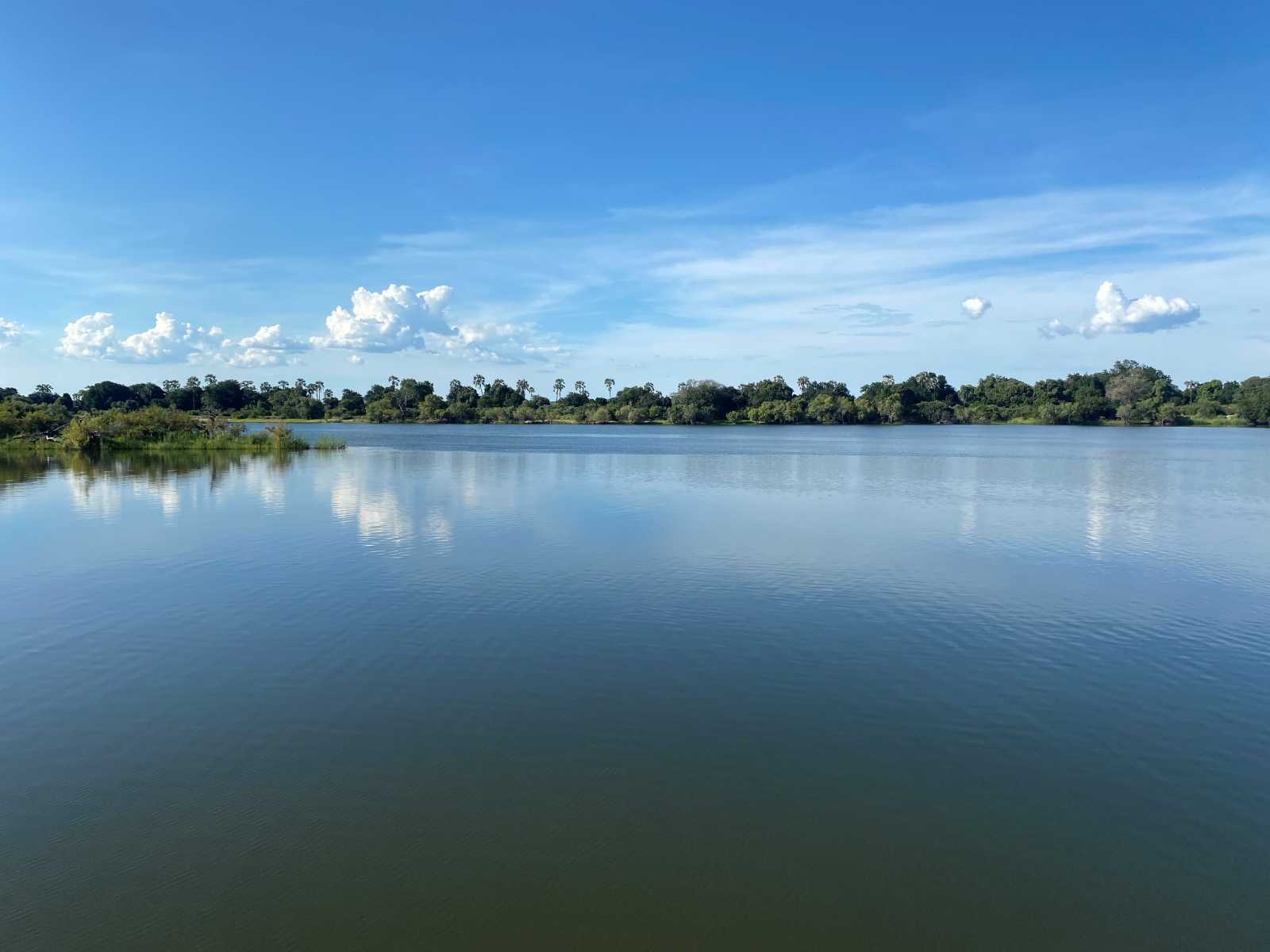
In June 2022, toxicology samples from Lake Alexander, a critical water source downstream of the Penhalonga hills, revealed mercury contamination levels of 0.898 milligrammes per litre. This is well above the national safety threshold of 0.02 millligrammes per litre according to the Standards Association of Zimbabwe, which conducted the tests. Given that Lake Alexander supplies about a quarter of Mutare’s drinking water, the Environmental Management Agency warns that the contamination poses a serious health risk to local communities.
Mutare is significant because it is one of the few cities in Zimbabwe that still has relatively uncontaminated water and a reasonably reliable water-supply system, Maguwu said, pointing to the deterioration in water quality in Zimbabwe’s largest cities. In the capital Harare, for example, residents often fear drinking municipal water, which is frequently contaminated and has been linked to illness among those who consume it out of desperation.
Even breast milk is contaminated
The threat facing communities around the gold-rich hills of Penhalonga mirrors the environmental disasters already unfolding in other gold-mining regions of Zimbabwe, such as Shurugwi and Kadoma in the country’s centre, says Tapuwa Nhachi, an environmental expert with the Institute for Law, Development and Democracy (ILDD). “If it’s not mercury getting into fresh water, then it’s cyanide poisoning or artisanal miners polluting the once-clean water with rocks and soil,” he explains.
On paper, the import of mercury into Zimbabwe is strictly regulated. Importers must obtain a license and demonstrate compliance with the Minamata Convention on Mercury, which Zimbabwe ratified in 2020. The convention sets out strict rules for the use and trade of mercury. In practice, however, a thriving black market has emerged. Corrupt customs officers are allowing mercury dealers to smuggle the chemical across borders.
“Mercury sells for around two dollars in Zimbabwe’s artisanal gold mining communities. It is traded at scale, and the dealers often enjoy political protection because influential politicians are the gold lords,” says Nhachi.
Although police frequently raid mining sites and rivers, arresting anyone caught with mercury without a license, political pressure often leads to the swift release of dealers without charges. “The mercury trade goes on,” Nhachi adds. And the threat extends beyond contaminated drinking water. “An entire ecosystem is at risk – from fish to human breast milk,” he warns. In 2017, tests in the gold mining districts of Kadoma and Chakari found traces of mercury in the breast milk of women. “We are going to pay a high price if we keep putting gold ahead of human health,” says Nhachi.
Tsitsi Bhobo is a journalist who reports on energy transition, ecology, climate change and livelihoods in Zimbabwe.
tsitsibhobo@gmail.com