Youth employment
Two Chinese wheels and a steady income for young Zambians


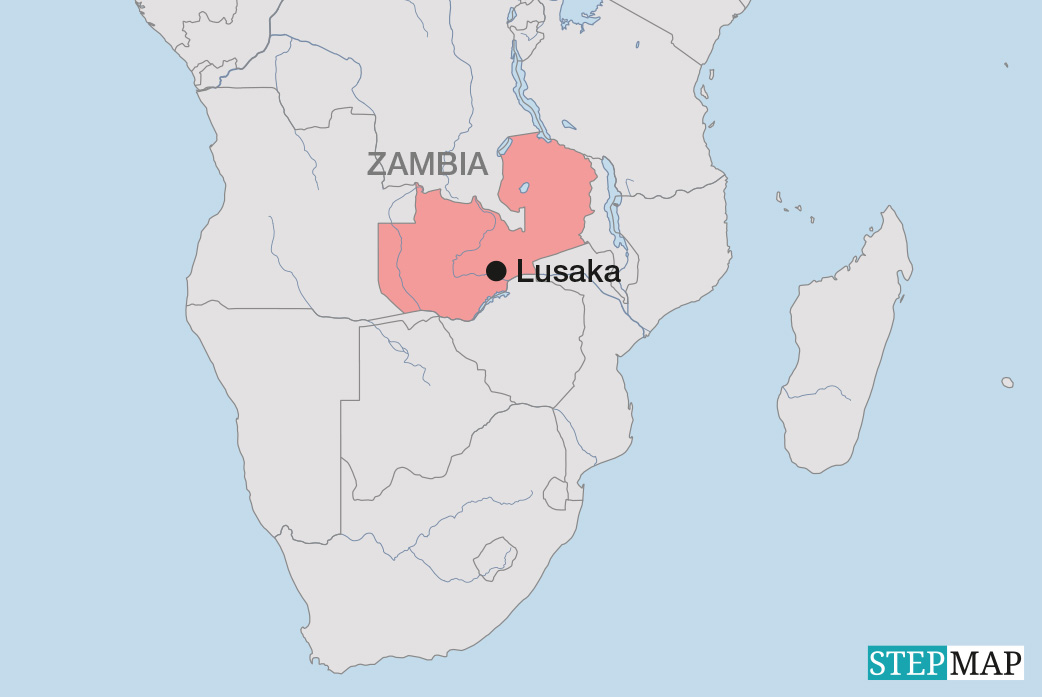
Amid the hustle and bustle of Lusaka, Zambia’s capital, a swarm of small, swift and brightly coloured Chinese-made motorcycles has become a familiar sight. Over the past months and years, they have become the primary transport and delivery means in a city where jobs are scarce and opportunities limited. “Working in the courier business is a dream come true. With my bike, I can now earn more than twice what I used to make as a driver in the industrial area,” 34-year-old Chileshe says as he kicks the starter and the engine rumbles to life with a satisfying growl.
Chileshe’s red Xianfeng motorcycle isn’t just a workhorse, he says, but his lifeline as most Chinese-made brands such as Haojue and Lifan are known for their reliability, affordability, their fuel efficiency and ease of maintenance. The young man began working as a delivery rider two years ago when he finally managed to purchase a Chinese motorcycle. Since then, he has successfully leveraged this opportunity to improve his livelihood. “Now, I have flexible working hours and a steady income, which not only enhances my economic stability but also gives me a sense of purpose and well-being,” he says. “Now I can even set aside some savings.”
A steady income amid unemployment
Chileshe’s story is one of many. Lots of young people in Zambia have found a new way to greater prosperity with the low-budget motorbikes. The Chinese-made vehicles provide them with job opportunities via courier platforms amid high unemployment. Young riders earn income through delivering various goods such as food, flowers, household appliances and parcels and receive payment for each delivery. Speaking to them on the streets often yields the same response: they no longer struggle to look for another job and are happy to earn a living via a courier business, enabling them to pay rent and provide food for their family.
Interestingly, the influx of Chinese-made motorbikes has also led to an increased skills transfer among young motorbike repairers and spare-parts dealers in the southern African country, says Joel Phiri. The young and aspiring motorcycle mechanic recently recognised the abundant availability of motorbike spare parts, particularly from Chinese manufacturers that allow for easy maintenance and customisation. It inspired him to establish a motorcycle-based garage along Lusaka’s Lumumba Road, the city’s important commercial and transport corridor, to make a living from the growing demand for motorcycle repairs and modifications in the city. “Actually, I no longer worry about the high cost of living in Lusaka. I make a stable daily income as the demand for bike repairs is really high,” says Phiri.
Local hopes amid growing Chinese exports
As Chinese investment in motorcycle production and assembly plants is growing across Africa, including Zambia, Phiri hopes that some of these investments promote greater local production and create further employment opportunities. Yet, most of the motorbikes are being exported from China to African countries. In the first quarter of 2025 alone, Zonsen Motorcycle exported over 130,000 motorcycles worth nearly $ 90 million, said International Department Manager Zhou Chun in a China Daily article. “Africa is one of our most important overseas markets,” he added.
Phiri’s expectations do not seem too far-fetched. A delegation from a Chinese company recently expressed interest in establishing a motorcycle assembly plant in Zambia’s Kapiri Mposhi district, an important transport and logistics hub located at the intersection of two major railway lines. Officials have welcomed the investors and expressed hopes that the plant will create employment opportunities for local residents as well as revenues for local authorities that could be used to fund public services and infrastructure projects.
Derrick Silimina is a freelance journalist based in Lusaka.
derricksilimina@gmail.com