Football stories
A success for Afghan women’s football


FIFA, world football’s governing body, hasn’t exactly shown itself to be the most ardent defender of human rights in recent past. When it decided in April to recognise a team of refugee Afghan women as their country’s official national team, however, the association did nonetheless set a precedent: for the first time, it has given its seal of approval to a national squad without the consent of the member association in question.
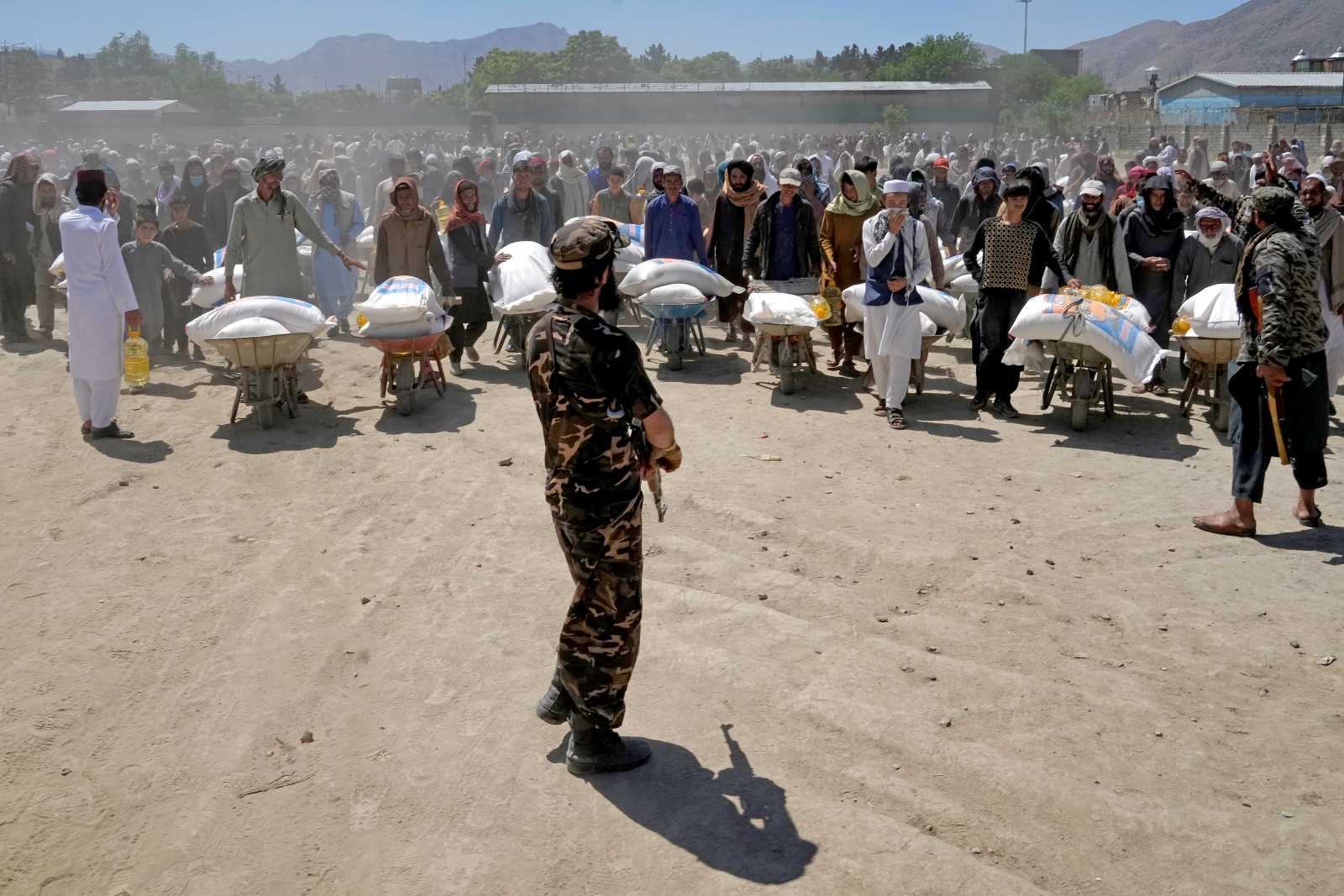
“A hard slap to the face of the Taliban” is how national goalkeeper Elaha Safdari described the decision in an interview with Deutsche Welle. Her team had already taken part in a minor tournament in Morocco during the FIFA United Women’s Series in 2025 – as they had not yet been fully recognised as a national team, however, they competed under the name “Afghan Women United”. But now the team has the chance to qualify for major tournaments such as the World Cup, the Asian Cup or the 2028 Olympic Games in Los Angeles.
From a purely sporting perspective, in other words, the decision is already an important step. Nonetheless, the players are keen to stress that women in Afghanistan continue to face massive restrictions and repression. The team’s presence can thus also serve as a platform for drawing continual attention to what is happening in the country. No matter how many states may be seeking pragmatic diplomatic means of engaging with the regime at the moment, such a state of oppression must never be normalised.
Isah Shafiq is a student of political science at Goethe University Frankfurt and a student assistant at D+C.
euz.editor@dandc.eu
This is the first article of our football stories. You can find more stories here.