Mining
How to limit hazards of energy transition


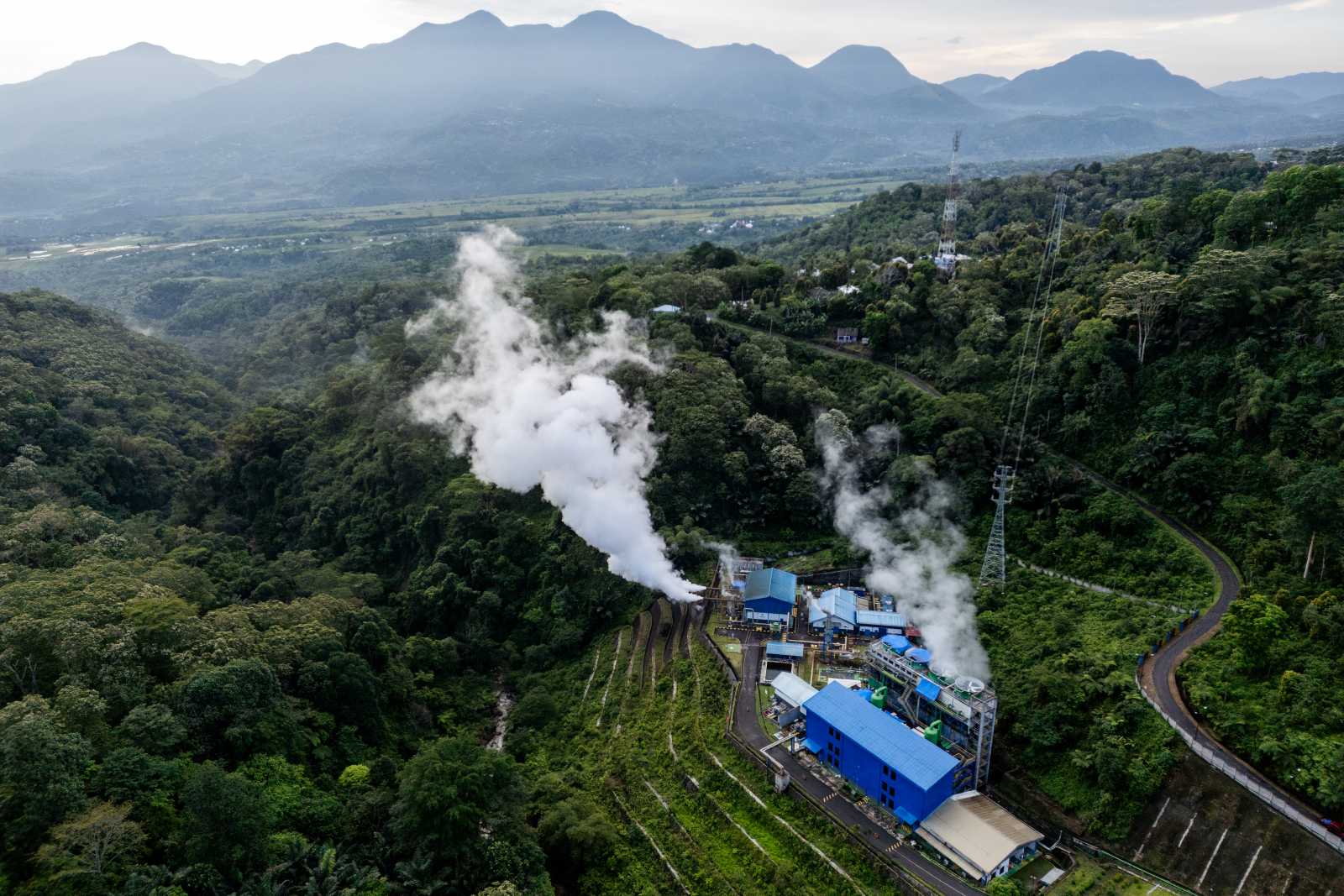
The expansion of clean-energy infrastructure will lead to more and stronger battery capacities, refurbished grids as well as vastly increased generation of both solar and wind power. Related projects will require commodities such as copper, cobalt, lithium, nickel and rare earths. Seventeen minerals are essential for the energy transition, so demand for them is set to rise fast. The International Energy Agency reckons that such demand must increase fourfold from the current level by the end of this decade. Otherwise, the goals of the Paris Agreement on Climate Change cannot be achieved.
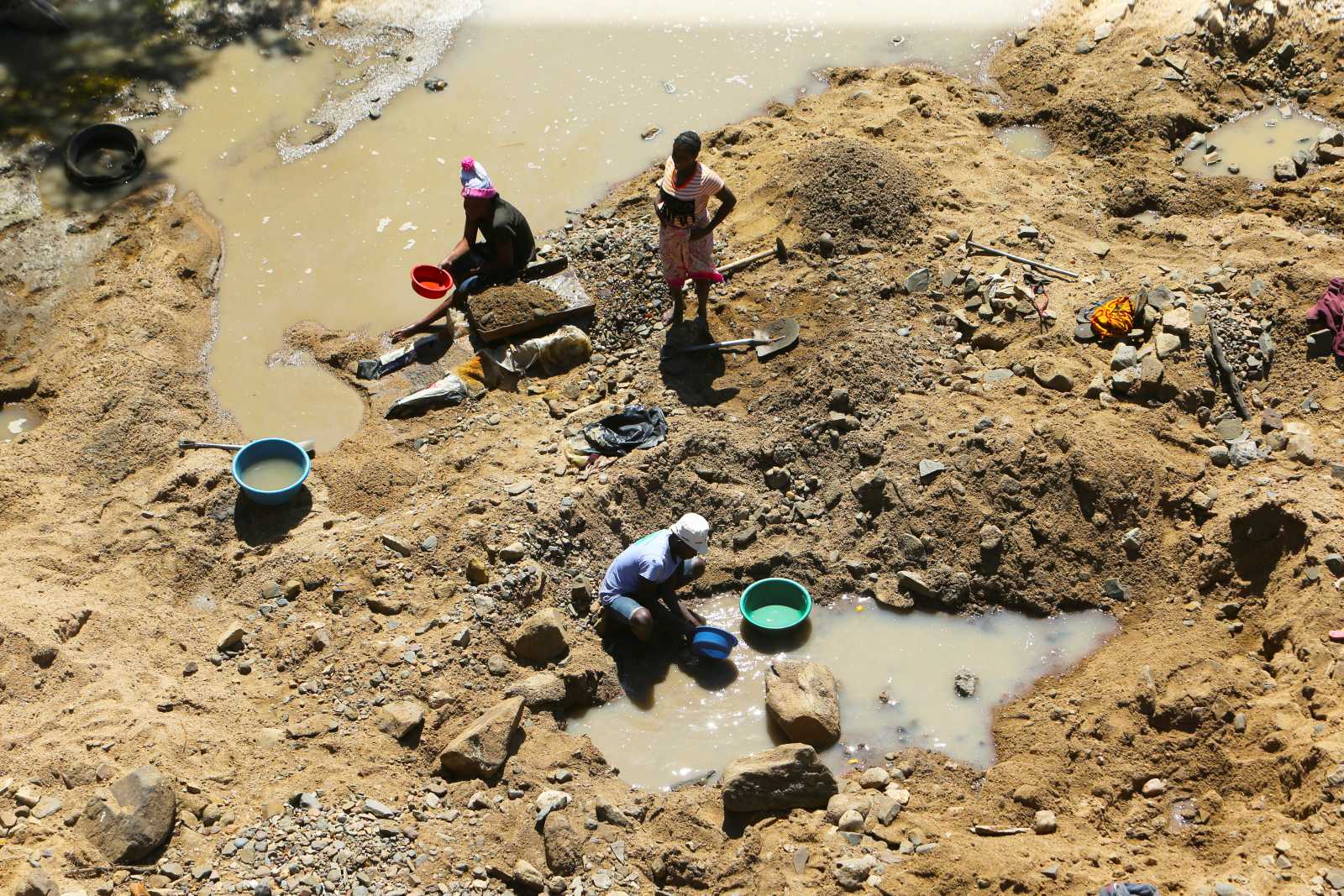
Mining is an environmentally disruptive industry. That is particularly true in biodiversity hotspots. According to research done by the World Wide Fund for Nature (WWF) in cooperation with the Boston Consulting Group (BCG), about seven percent of the relevant minerals are found in such places. As a matter of fact, not quite nine percent of the currently operational mines are located in key biodiversity areas. Almost seven percent of exploration is happening there too. The WWF published the study with the headline “Critical minerals at a critical moment” in May 2025.
The erosion of biodiversity is a challenge of equal magnitude as the climate crisis. Therefore, the authors want us to minimise the harm mining can do. Ecosystems depend on a multitude of species. They cannot be restored once they are destroyed, and that happens when species dwindle or even disappear. Such losses can end important ecosystem services such as the provision of freshwater to local communities or pollinators for plantations. If natural carbon sinks are destroyed, moreover, that contributes to making the climate crisis worse.
Global heating and the dwindling of biodiversity are interrelated in many ways, but they are also different phenomena, so it is impossible to assess some kind of global trade-off that might define what kind of nature destruction is acceptable for the sake of climate mitigation. Both trends are dangerous.
The WWF points out that, on the upside, the transition to clean energy can dramatically reduce the need to produce fossil fuels. That kind of mining obviously causes environmental harm too, and it is happening at a much larger scale than mining for energy-transitional minerals ever will. Nonetheless, the harm of critical-mineral mining is quite specific and dangerous in itself. Nation states and the international community must limit the damage and do their best to protect biodiversity and especially fragile ecosystems.
Quadrupling supply in a responsible manner
Increasing supply by a factor of four is a huge challenge. The good news the WWF conveys, however, is that this does not necessarily mean a quadrupling of critical-mineral mining. The better we become at reusing and recycling, the less newly mined commodities we will need. Technological innovations, moreover, may help to reduce the need for mining, for instance if they make the use of minerals more efficient.
The damage mining causes typically only occurs slowly, so the general public hardly takes notice. Occasional accidents, however, reveal how dangerous this industry is. The WWF authors are right to insist that mining must be done in responsible ways in order to reduce the damage that cannot ultimately be prevented. Prudent spatial planning, for instance, will ensure that no mines are started in particularly valuable ecosystems. Efficiency matters too. Well-run mines use water sparingly, and they extract as much of the desired raw materials from the ground as possible. They also manage waste prudently.
Minimising the harm of mining obviously increases the costs. In a short-term business sense, the relevant measures are thus unattractive. We know from experience, moreover, that mining in remote forests with fragile ecosystems is often not done responsibly. Though the environmental impacts can be severe in the long term, they do not figure much in business calculations. The reason is that mining companies do not believe that they will bear those costs.
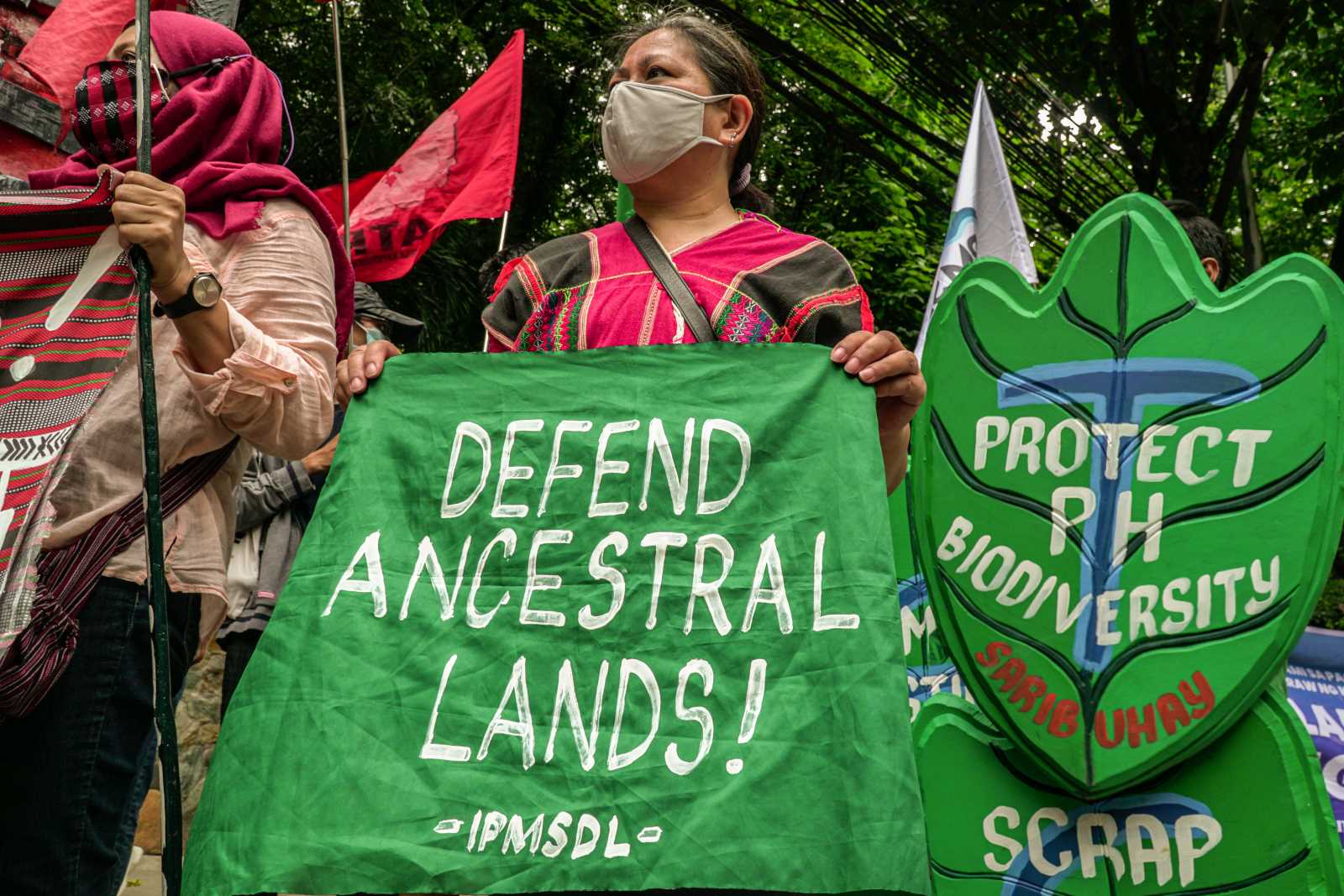
All too often, that assumption is correct. Others must bear the brunt. The rights of local communities and especially Indigenous Peoples tend to be violated. Where environmental standards are neglected, labour stands tend to be ignored too.
These things must change, if we do not want the environmental costs of the energy transition to be higher than necessary. They may indeed prove excessive, should vital ecosystems be destroyed. The warning spelled out by the WWF makes sense.
Hans Dembowski is the former editor-in-chief of D+C.
dembowski@posteo.de