Conflict
Europe’s arms supplies and Africa’s illicit weapons trade


In 2004, the African Peace Facility (APF) was established to support regional peace and security missions. It was funded by the European Union (EU) through the European Development Fund; the missions had to be approved by the African Union (AU). In 2021, however, the EU replaced the APF by establishing the European Peace Facility (EPF) – a more comprehensive body whose remit extends beyond the original scope of the APF, as it operates globally rather than solely in Africa and, unlike the APF, can also cover expenditure on weapons and ammunition. It therefore also supplies military equipment to various regions of the continent.
The primary aim of EU arms exports is to counter the escalating wave of terrorism in certain regions of Africa. The aim is to enable inadequately armed national armed forces to stand up to, or even thwart, the increasingly complex tactics and weapons systems employed by today’s terrorist networks. However, given the rampant cross-border illicit arms trade in Africa, the question arises as to what extent these arms supplies are actually sensible.
As with many cross-border crimes, there are both state and non-state actors involved in the transnational arms trade. According to a research report published in 2019 by the “Small Arms Survey” and the AU, African non-state actors (civilians, companies such as private security firms and armed groups) are estimated to possess more than 40 million small arms and light weapons (SALW) – almost 80 % of all SALW on the continent. State actors (the military and law enforcement agencies), by contrast, are estimated to possess fewer than 11 million of these weapons. Fewer than 6 million of the civilian-held firearms are officially registered.
It is likely that 85 % of these weapons can be classified as illicit, having been acquired through trafficking and the illegal arms trade in the region. This is a worrying situation that justifies the concerns of various decision-makers in Europe as to whether Africa is a suitable destination for a continuous supply of weapons to stabilise the security situation.
Terrorism as a lucrative market
Whilst there are many actors involved in the cross-border illegal arms trade, transnational criminal organisations (TCOs) and corrupt state actors are at the forefront. TCOs thrive in secret and are actively supported by well-connected moles in the highest echelons of power.
Ethnic conflicts and civil wars, the exponential rise in crime among the young population, high unemployment in many areas and the inadvertent diversion of weapons are among the causes of the proliferation of the illegal arms trade in Africa. However, the spread of terrorism remains a primary driver – and the most readily accessible lucrative market for smuggled weapons, most of which travel via the following routes:
- Corrupt state actors responsible for military equipment.
- Attacks on poorly secured or remote weapons depots.
- Attacks during the transport of weapons from exporting countries – which are now on the rise in the age of AI, where even top-secret systems can be infiltrated and data accessed, thereby making it available to criminal networks.
Terrorism also plays a significant role in sustaining the TCOs, which in many cases supply terrorist organisations not only with weapons but also with a wealth of information and the illegal fuel they urgently need to keep their operations on the ground running.
There are also cases in which weapons inadvertently fall into the hands of terrorists, although many of these go unrecorded; for example, when a government patrol unit in a remote area is forced to abandon its vehicles because it has run out of fuel or has to flee from attackers.
Cows for ammunition
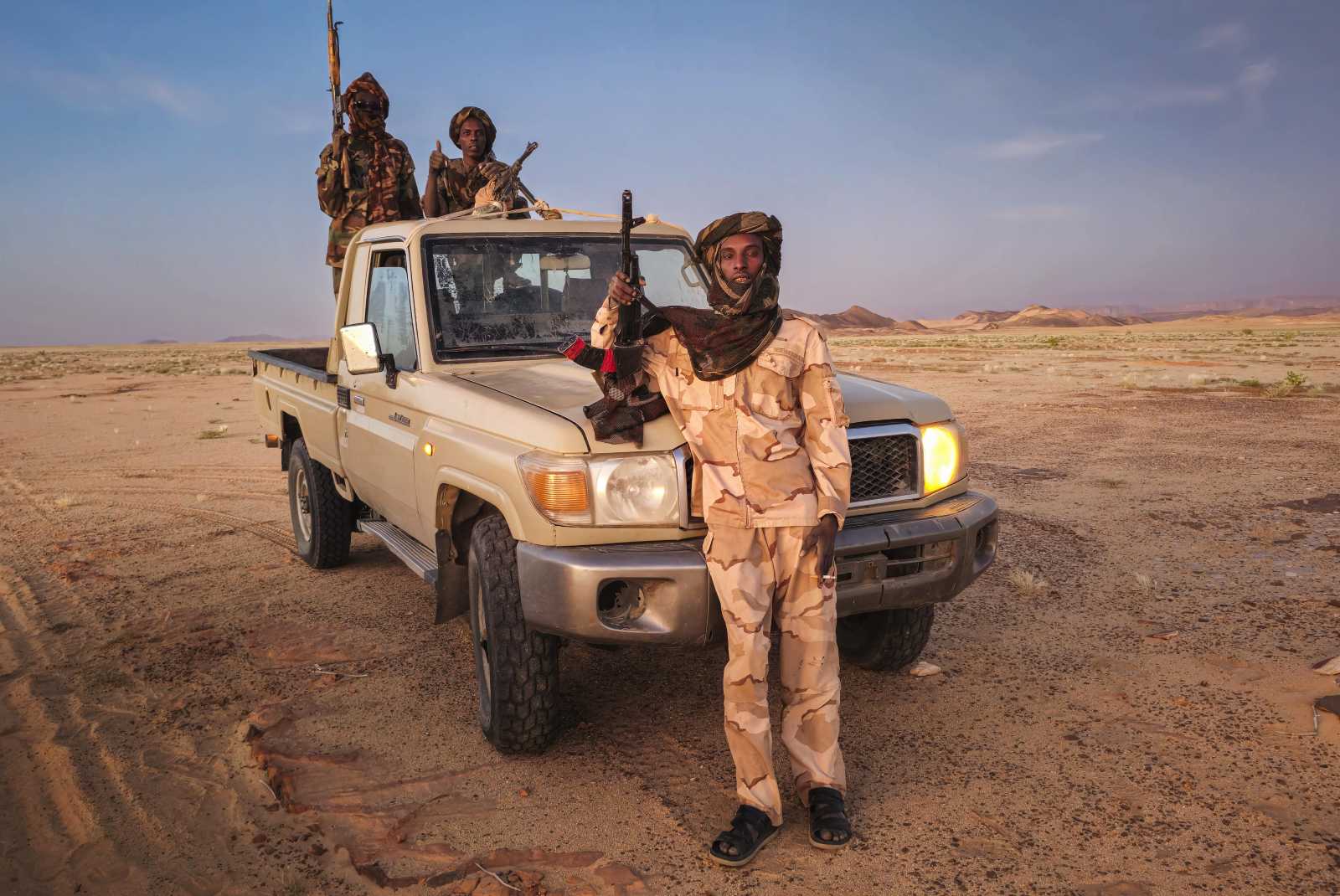
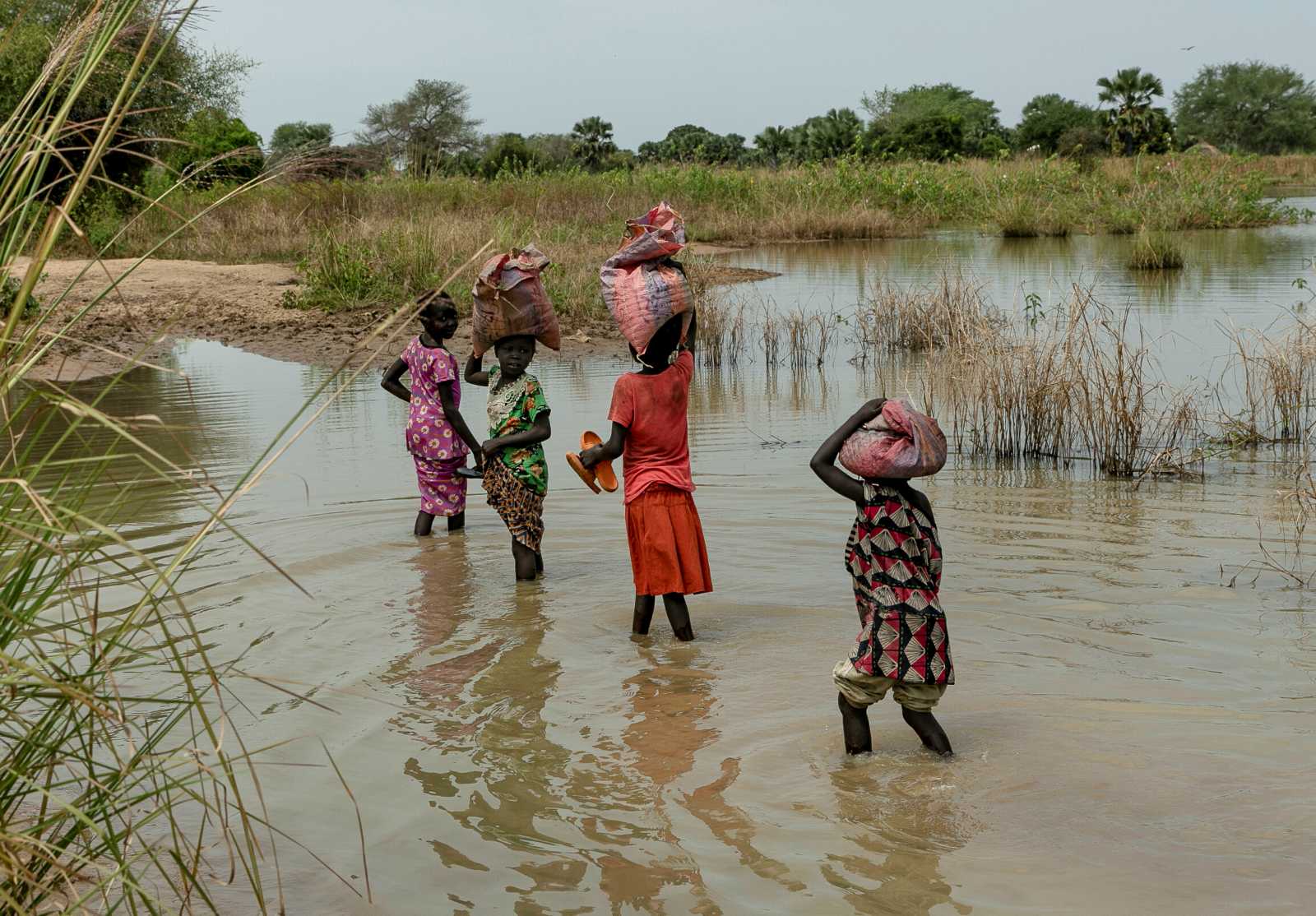
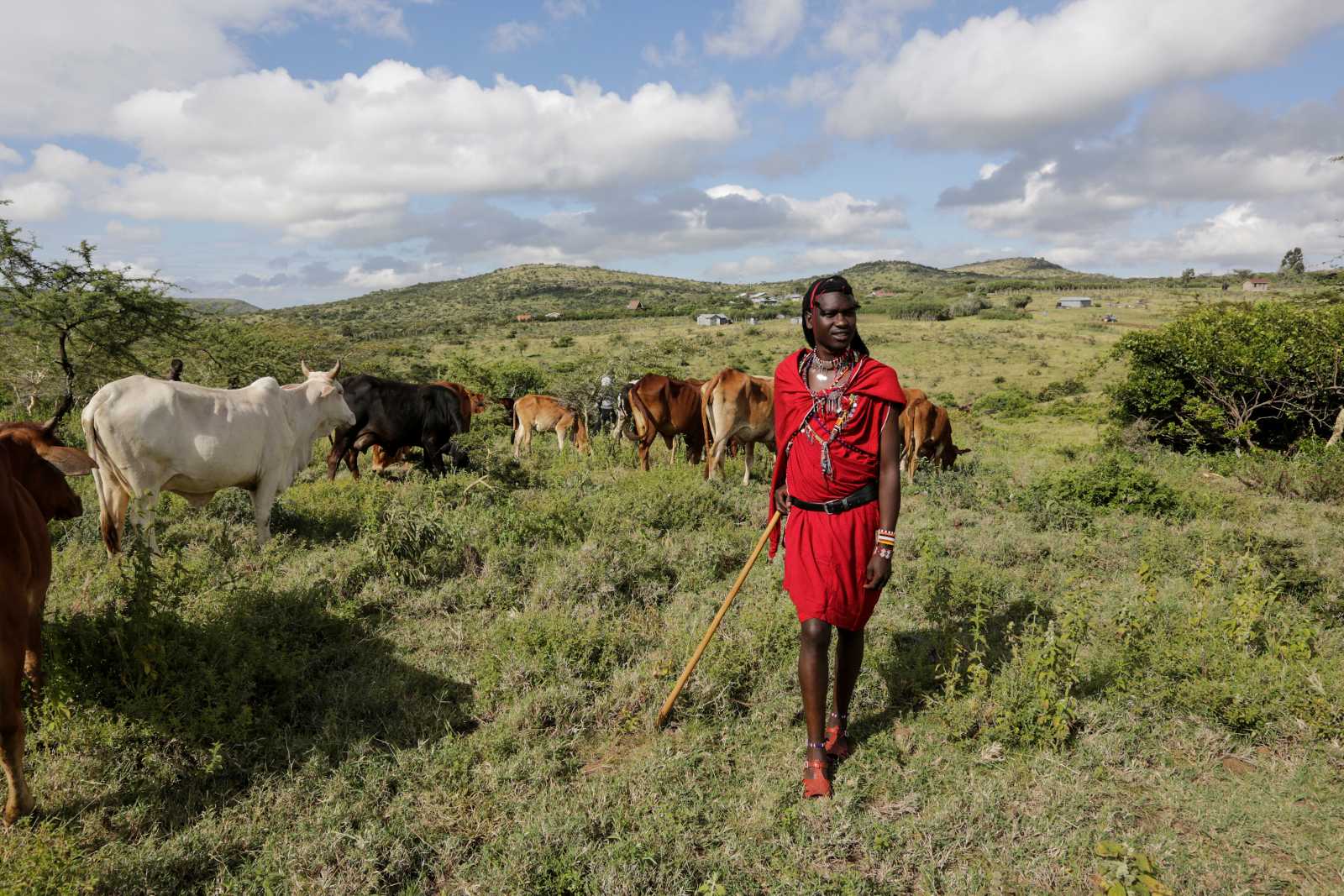
In the affected areas – situated predominantly in the Sahel, the Horn of Africa and East Africa – criminal organisations frequently employ the tactic of using nomads to transport weapons to recipients. In such cases, the TCOs often successfully coerce or recruit people with limited ability to refuse – who are considered less likely to arouse suspicion – such as children, women and elderly people. The same approach is also used in coastal and lake regions, which are other hubs for the illicit arms trade. Here, fishermen are used to transport illicit weapons in their fishing nets.
It has also been observed that warlords, particularly in regions affected by ethnic conflicts, exchange ammunition and rifles for cows. The “Small Arms Survey” reported that 500 rounds of ammunition can be exchanged for a cow, which provides an incentive for cattle herders to become involved in the illegal arms trade.
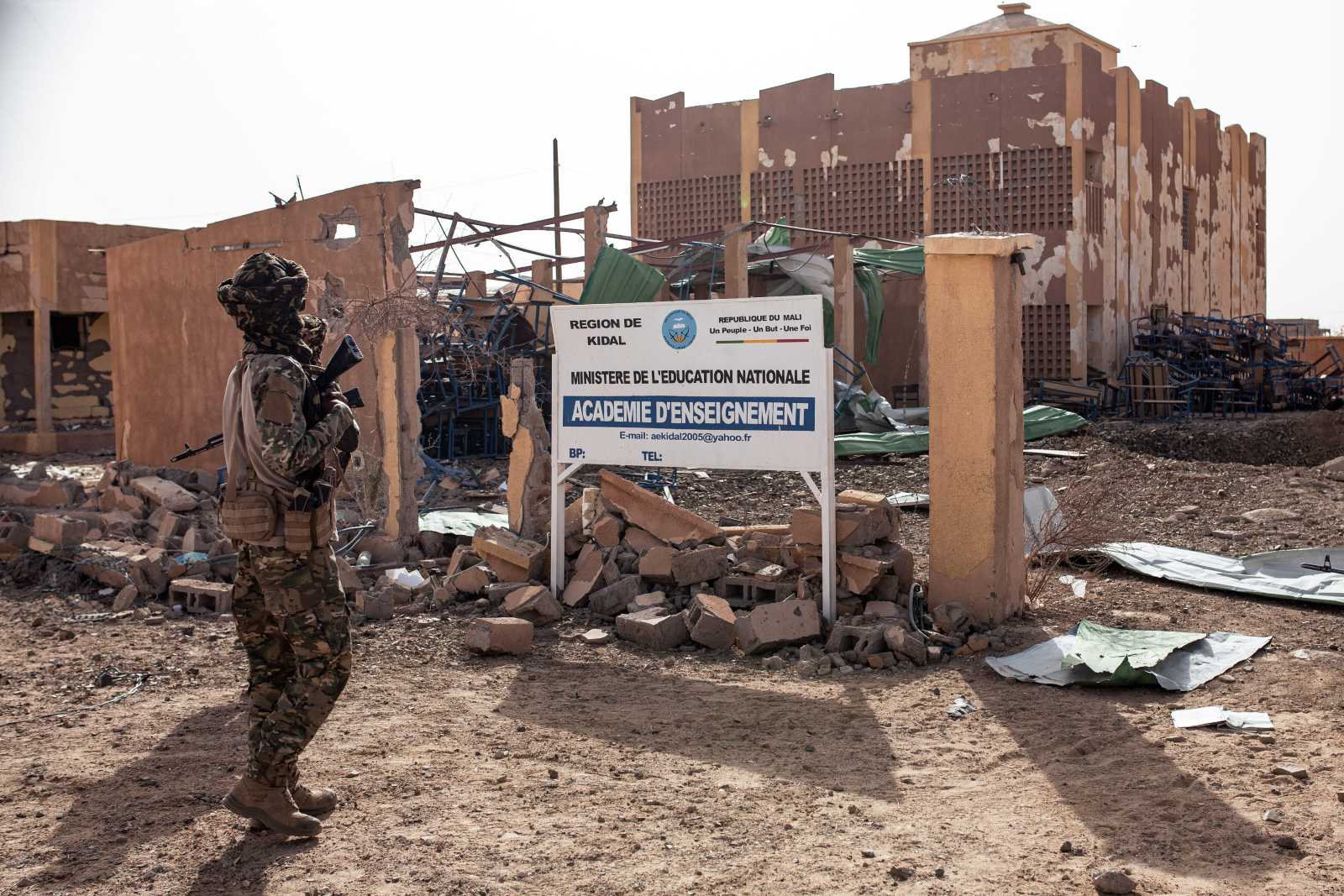
The spillover effects from war zones also play a decisive role in the surge in the arms trade. Organised criminal groups exploit crises to a great extent. A notable example is the NATO-led military intervention in Libya during the Libyan Civil War, which had devastating knock-on effects, with heavily armed, hostile militias attacking weapons depots and seizing stocks of foreign weapons. According to reports, an alarmingly large proportion of these weapons found their way into many countries in the Sahel, a region notorious for having one of the highest levels of terrorist activity in the world.
Even though states here and elsewhere hold a monopoly on the use of force, in certain contexts they can only exercise it at great risk to their own populations, risking an escalation of conflicts that could lead to numerous civilian casualties. Agreements between the state and terrorist groups are therefore sometimes a comparatively viable solution. In the Sahel and the Horn of Africa in particular, states have often found themselves with no better alternative than this.
For example, illegal mining sites are widespread in many countries of the Sahel. These sites are controlled by militias and also serve as storage facilities for illegal weapons, as well as recruitment and training centres for terrorists. Essentially, this is a calculated strategy, as the militias are always keen to ensure a steady concentration of civilians at these sites. In such regions, it should also be noted that these very militias create jobs for civilians and – more crucially – provide social services which the states themselves find very difficult to deliver in such hostile regions.
As they feel neglected by their own government, vulnerable civilians then tend to pledge their allegiance – sometimes under coercion – to the militia groups rather than to their government and thus become accustomed to the militias’ system of governance. This is a worrying pattern in various militia-controlled regions, such as in Nigeria, Chad, Niger, Sudan and Somalia.
The right approach to disarmament campaigns
Disarmament campaigns have encountered numerous obstacles. Some governments want to enforce disarmament through military measures, for example, whilst civil society groups consider this dangerous. The forcible disarmament of groups in possession of illegal weapons carries the risk of significant collateral damage and civilian casualties – particularly in densely populated areas controlled by militias.
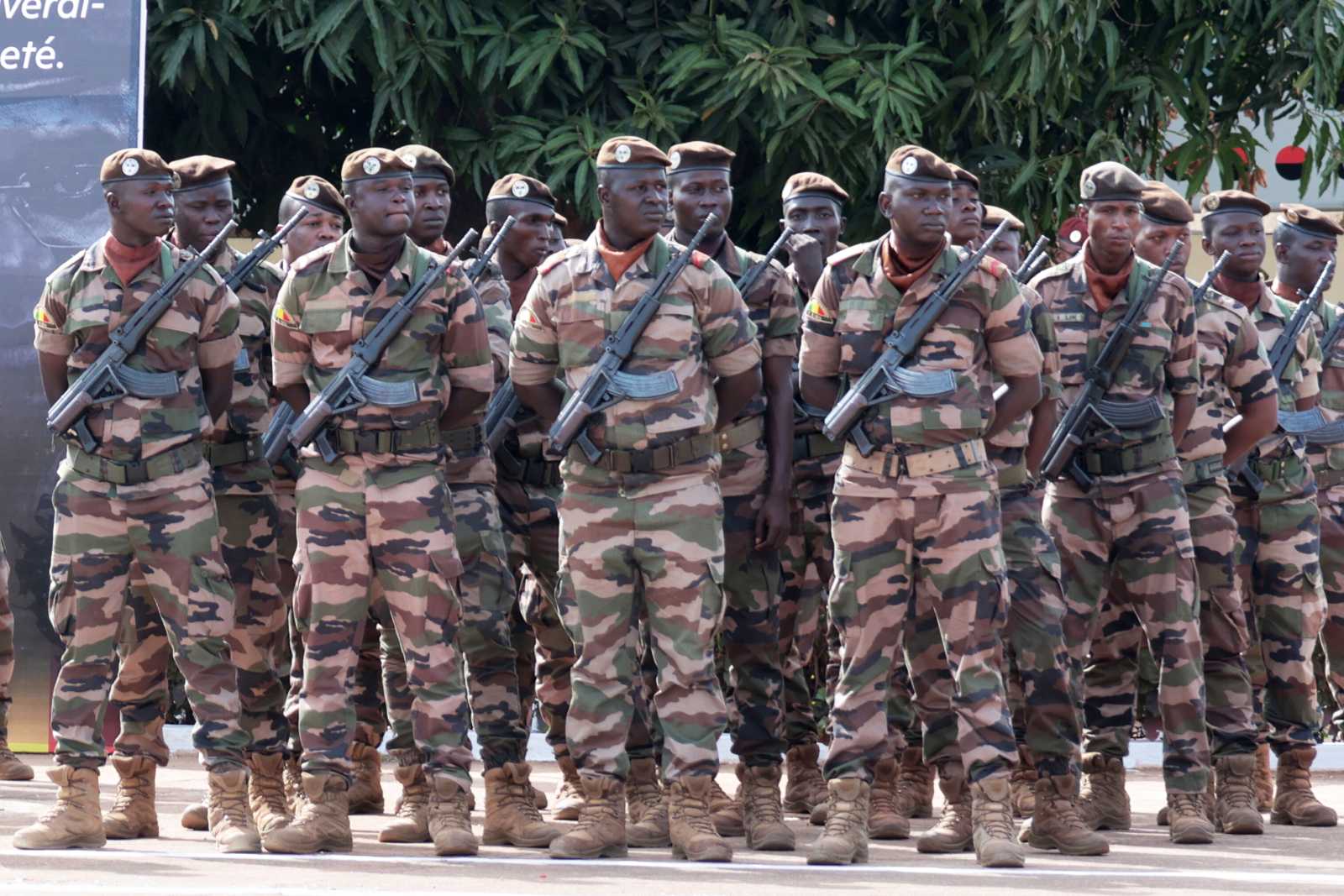
Civil society groups favour targeted disarmament campaigns based on public education. Stricter regulations on the legal possession of firearms by private individuals and companies are also being proposed. However, as some experts argue, this approach does not yield results commensurate with the threat. The weapons seized as part of such campaigns are merely a small cog in a much larger machine.
There are, however, a number of specific measures that can be taken in this regard:
- The government bodies responsible for issuing licences to private individuals and companies as gun owners should impose stricter conditions for obtaining authorisation to legally possess firearms. When granting a licence to possess firearms, public safety must not be subordinated to the personal or self-serving interests of the individual.
- Criminal state actors found guilty of arms trafficking should face the full force of the law, without exception.
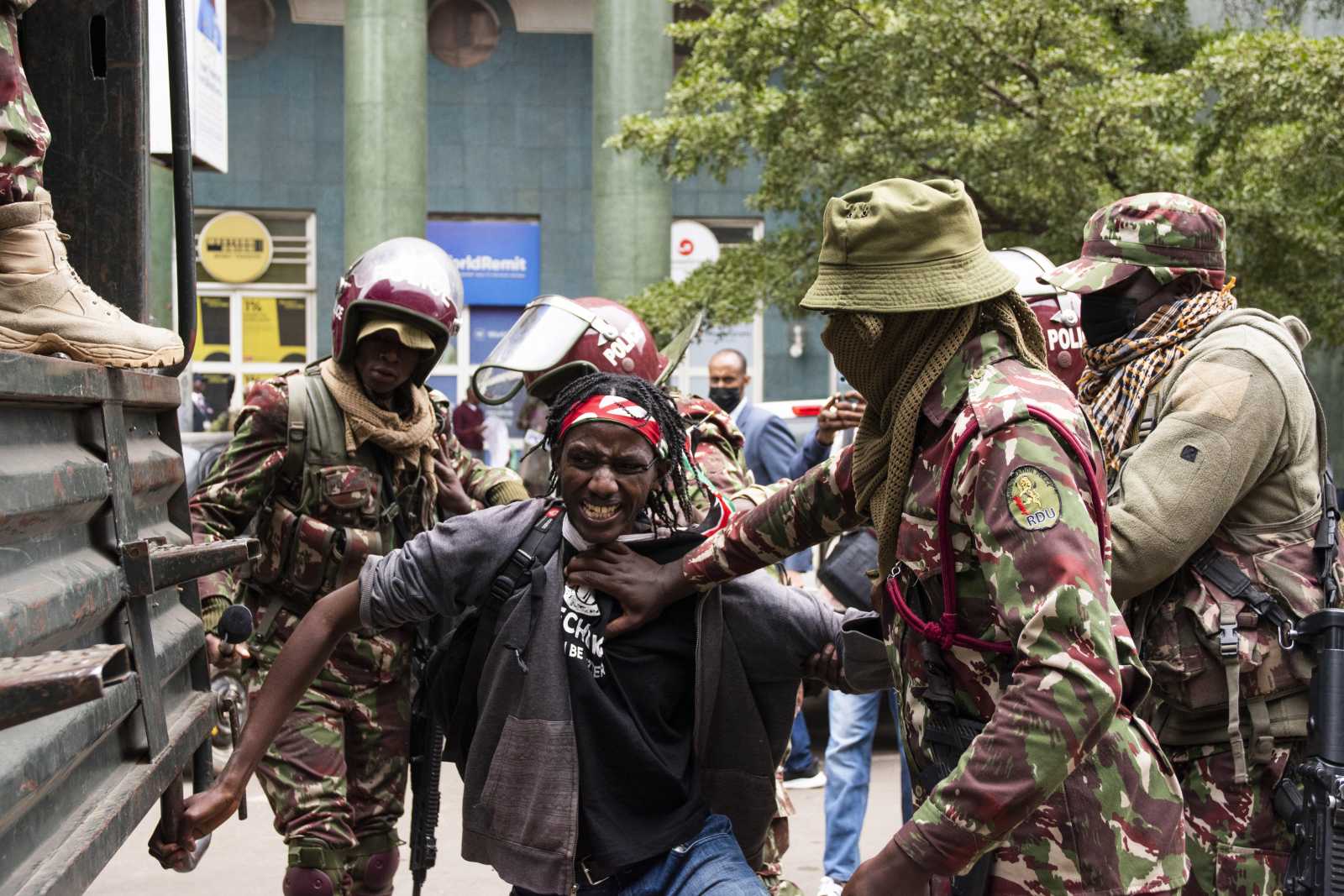
- The state authorities responsible for disarmament campaigns should neither arrest nor torture individuals who are willing to hand over illegal weapons (even if these are military-grade weapons). This instils fear in many others who wish to do the same.
- Software – particularly in the age of artificial intelligence – capable of infiltrating military installations or paralysing critical infrastructure (such as CCTV networks) should neither be publicly available nor acquired without state authorisation.
- The state should form and train specialised disarmament units drawn from its law enforcement agencies, rather than relying on the police in general for this purpose.
African and European decision-makers should be aware that simply allowing matters to take their course is a recipe for escalation. The EU and the AU should therefore strengthen joint mechanisms to monitor arms transfers, prevent diversion and support effective, locally informed disarmament efforts.
George Livingstone is an independent researcher specialising in cross-border organised crime in sub-Saharan Africa. He has worked with organisations such as the National Geographic Society, Armed Conflict Locations & Event Data (ACLED) and other think tanks.
gorgelivingstone@gmail.com