Conflicts and climate change
“The Sahel states have to make peace with their own peripheries”


Kamal Donko in an interview with Marius Moniak
Since 2012, violent conflict has affected the western Sahel. In Mali, Burkina Faso and Niger, military leaders seized power in coups between 2020 and 2023. One of the juntas’ main promises was greater security. Have they been able to keep that promise?
By independent measures, violence has intensified. Burkina Faso, Niger and Mali are all among the five countries most affected by terrorism in the Global Terrorism Index 2026. Millions of people remain internally displaced across the region. Large parts of Burkina Faso and rural Mali remain outside effective state control.
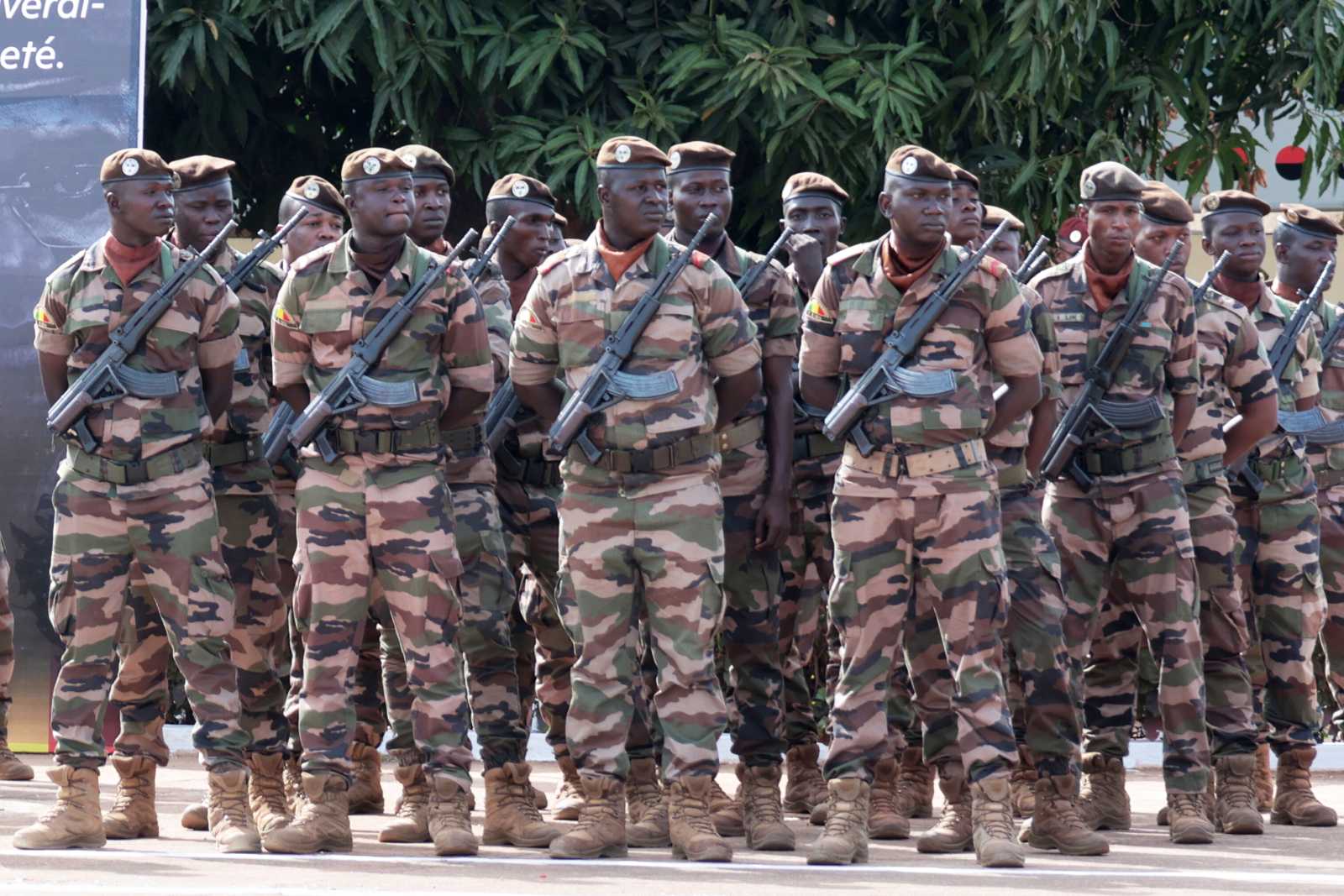
In April, Jama’at Nusrat al-Islam wal-Muslimin (JNIM), an alliance of jihadist groups and the Tuareg-led Azawad Liberation Front (FLA) launched one of the largest coordinated offensives in Mali since 2012. The FLA claimed control of the province of Kidal, while coordinated attacks struck multiple sites, including targets in and around the capital, Bamako. Mali’s Defence Minister, Sadio Camara, was killed.
Yet, the most important developments often remain hidden behind the headlines. Armed groups like JNIM do not need to control Bamako to exercise power. They can exert influence over key trade routes, fuel supplies and cattle markets, while also extorting ransoms.
Increasingly, armed groups are seeking to control not only territory but also the movement of goods and people, and with it the economic and social life of entire communities.
How does this affect people’s daily lives?
For local communities, survival often depends on who controls mobility. People need to move to cultivate fields, take their livestock to pasture and reach markets. What matters is whether they can move safely. In some rural areas, armed groups such as JNIM increasingly impose the conditions under which movement is possible. Communities may be required to pay levies or taxes imposed by JNIM in order to cultivate, harvest or move goods.
At the same time, many people feel abandoned by state security forces, particularly in peripheral areas. In some rural regions that have been marginalised for decades, JNIM has sought to provide forms of dispute resolution and justice.
Are armed groups seen as an alternative to the state? How are national governments responding?
Governments have deployed more soldiers to rural areas, but their military presence has not been matched by effective governance. States have often failed to manage disputes over land or provide reliable access to justice. Human security has remained precarious. In some regions, state security forces have also lost legitimacy because of documented serious abuses. In April 2023, 156 civilians were killed in Karma, Burkina Faso, in a massacre that Human Rights Watch linked to members of the Burkinabè armed forces. In Moura, Mali, a UN fact-finding report found strong indications that Malian troops and foreign military personnel had systematically killed more than 500 people during an operation in March 2022. The Russian Wagner Group is accused of having been involved.
Meanwhile, JNIM is one of the most consequential armed actors in the region and a major driver of jihadist violence across the Sahel. Its operations and networks extend from Mali and Burkina Faso into northern Benin and Togo, while other jihadist organisations, including Islamic State affiliates and Boko Haram factions, remain active across the wider region, particularly around Lake Chad.
How is climate change affecting the dynamics of the current conflicts?
The region is facing prolonged droughts, flash floods and other climate extremes. Rainfall has become more erratic, disrupting farming and pastoral calendars and changing how farmers and herders interact with land and water. In some places, shifts in seasonal timing can bring livestock movements into cultivated areas before harvests are complete. Such disruptions can sharpen local tensions, especially where mediation mechanisms are weak.
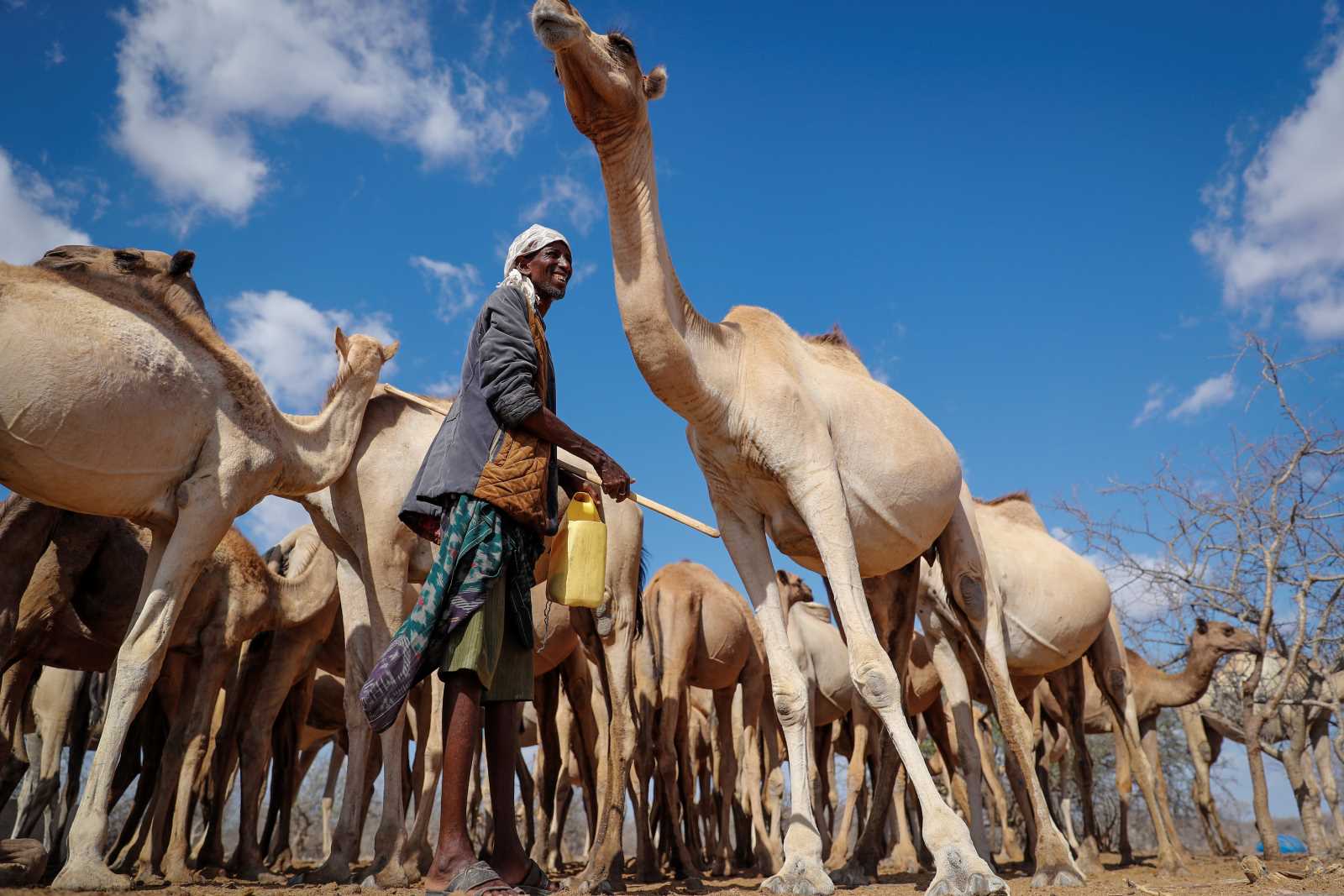
Armed groups know how to exploit difficulties aggravated by climate change. In some places, they understand local grievances more closely than distant ministries do. They use disputes over water, land and access to pasture to mobilise people and gain influence, often filling gaps left by the state. Governments have failed for decades to resolve many land conflicts and to invest sufficiently in peripheral areas. Climate stress worsens the conditions in which armed groups operate, but the deeper drivers are political: marginalisation, impunity and unresolved disputes over land, justice and public authority.
Climatic extremes have always required people in the Sahel to adapt. What is new, however, is that conflict and political neglect have weakened the local institutions and forms of self-governance that have long made adaptation possible.
So, climate change is a factor that exacerbates conflict, but not the main cause of the ongoing conflicts?
Yes. Climate change is one of the culprits in this story. But because climate change cannot be prosecuted like a person, it can become a more convenient explanation for governments, and sometimes for donors, than the failures of political decision-makers. The conflict in Darfur in Sudan, for example, was described in 2007 as the “world’s first climate war”, framing what happened primarily as an environmental crisis. That interpretation risked obscuring the very political organisation of violence in Sudan and the responsibility of specific actors.
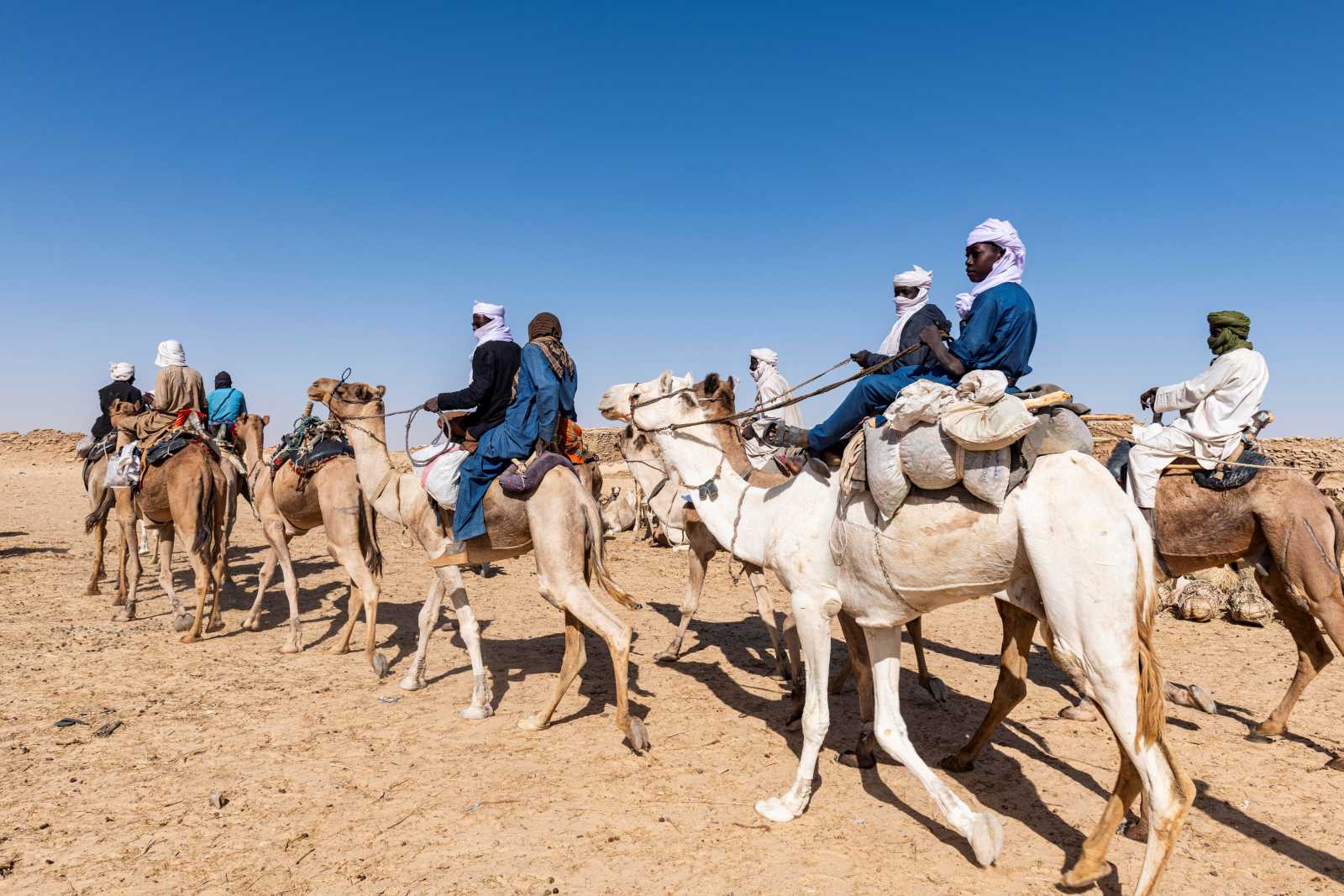
As the climate crisis progresses, the political conflicts are eroding the ability of Sahel communities to adapt. For generations, people have coped with drought through mobility, migration and reciprocity. War, border closures and insecurity increasingly restrict those strategies. In many areas, communities can no longer safely reach pasture, farmland or markets. When movement is controlled by armed groups, they can decide who may pass, cultivate or settle. This can leave communities dependent on them for access or protection. That gives armed groups a major advantage, particularly where they understand peripheral areas better than state security forces do.
What role do climate-related projects play in building peace in the region?
Too much climate finance still fails to reach precisely those peripheral districts where vulnerability is greatest because they are difficult to access and considered risky by donors. Peacebuilding programmes, on the other hand, frequently focus on power-sharing and disarmament while paying insufficient attention to water, pasture and the everyday disputes that drive conflict at the local level.
What works is usually very local and very specific. For example, mediators such as the Centre for Humanitarian Dialogue have helped to broker agreements between farming and herding communities. These initiatives have included demarcating livestock corridors and establishing agreed rules for post-harvest access to fields. Where such arrangements are locally accepted and enforced, they can reduce recurrent disputes.
Every land commission that works can reduce the space armed groups are able to exploit. JNIM, however, has sought to mediate land and water disputes in local communities to win people’s trust. Peacebuilding at the local level has therefore become a competition. The state and its partners need to out-govern armed groups in places where state institutions have previously failed to provide effective governance. This is even more difficult in areas no longer under effective state control.
The worsening climate crisis and failures in governance are making it increasingly difficult to rebuild peace. What can be done?
The Sahel states have to make peace with their own peripheries. They need to show presence through justice and public services, not soldiers alone. Togo’s emergency programme, which directs services and investment towards its northern regions, points in the right political direction, even while terrorist attacks continue.
I reject fatalistic narratives about climate change. Sahelian societies have long adapted to enormous climatic variability, and they are able to do so in the face of climate change. As mobility is one of their oldest adaptation strategies, it will be of crucial importance to restore people’s ability to move freely and safely across peripheries and borderlands.
The lesson for governments and donors is to invest in ways that restore trusted public services in peripheral areas and help to resolve disputes and inequalities that shape people’s everyday lives. Climate finance must be designed with conflict sensitivity and reach conflict-affected peripheries, rather than flowing primarily to capitals.
The future of the Sahel will depend in large part on how policymakers address land, mobility and security. We should also remember that the region has one of the youngest populations in the world, vast solar potential and access to growing coastal markets for energy, production and trade. There is considerable potential in the Sahel.
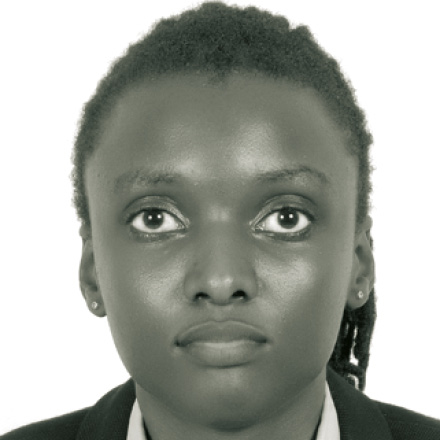
Kamal Donko is a political geographer and expert on conflict and borderland governance in West Africa. He is a researcher at the Laboratoire d’Études et de Recherche sur les Dynamiques Sociales et le Développement Local (LASDEL) in Benin.
kamaldonko@gmail.com
This story is part of The 89 Percent Project, an initiative of the global journalism collaboration Covering Climate Now.