Our view
The world’s greatest game


In the World Cup final on 19 July, just outside New York, multimillionaires will face off on the pitch, revered as demigods. It’s possible that some of those who watch the action unfold will have paid over $ 2 million for their tickets. In late April, that was the price quoted for one ticket on the official resale website of world football’s governing body FIFA. The original price was $ 8860.
To put this into context, the annual per capita gross national income in Senegal is $ 1680. If Senegal reaches the final, fans from there could find it difficult to come and cheer on their national team – though not only for financial reasons. In January, US President Donald Trump announced that people from 39 countries, including Senegal, would be banned from entering the US to attend the World Cup.
The bans were initially lifted again in mid-May. However, people from the 47 countries that are taking part in the tournament alongside the US, making this World Cup the biggest ever, may not learn whether they will actually be allowed to enter the country until they arrive at the airport.
FIFA President Gianni Infantino calls the World Cup “inclusive” nonetheless. He had already displayed his lack of judgement in December when he awarded Trump the newly created “FIFA Peace Prize” in a grandiose ceremony. Less than three months later, the award-winner started a war.
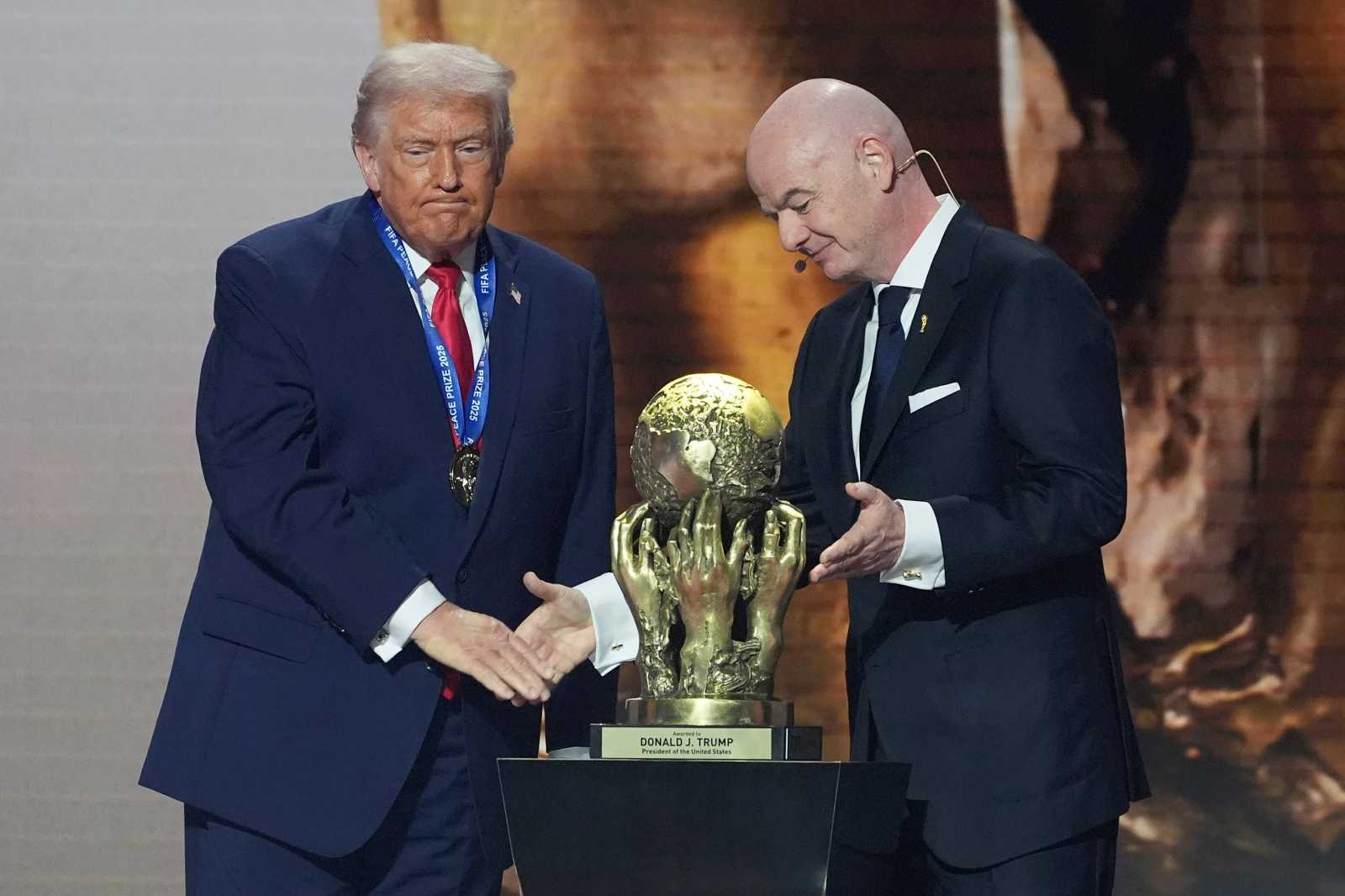
The two faces of football
I already watched a final last year. It was to decide which of Kenya’s regional teams would be promoted to the third league. The mood certainly did not need to shy away from comparison with the spectacular World Cup events that we can expect to see in the USA, Canada and Mexico. Every time a goal was scored, fans stormed the pitch, which had been turned into a mud bath by the rain. The entire arena was a cacophony of screams of jubilation, outbursts of anger and vuvuzelas.
For the players, it isn’t even just about winning. On the day, I was supporting the NGUVU Homeboyz – a team created by a social sports project for which I volunteer. The young men from deprived backgrounds play to stay away from drugs and crime, but also because the project provides them with hot meals and vocational training.
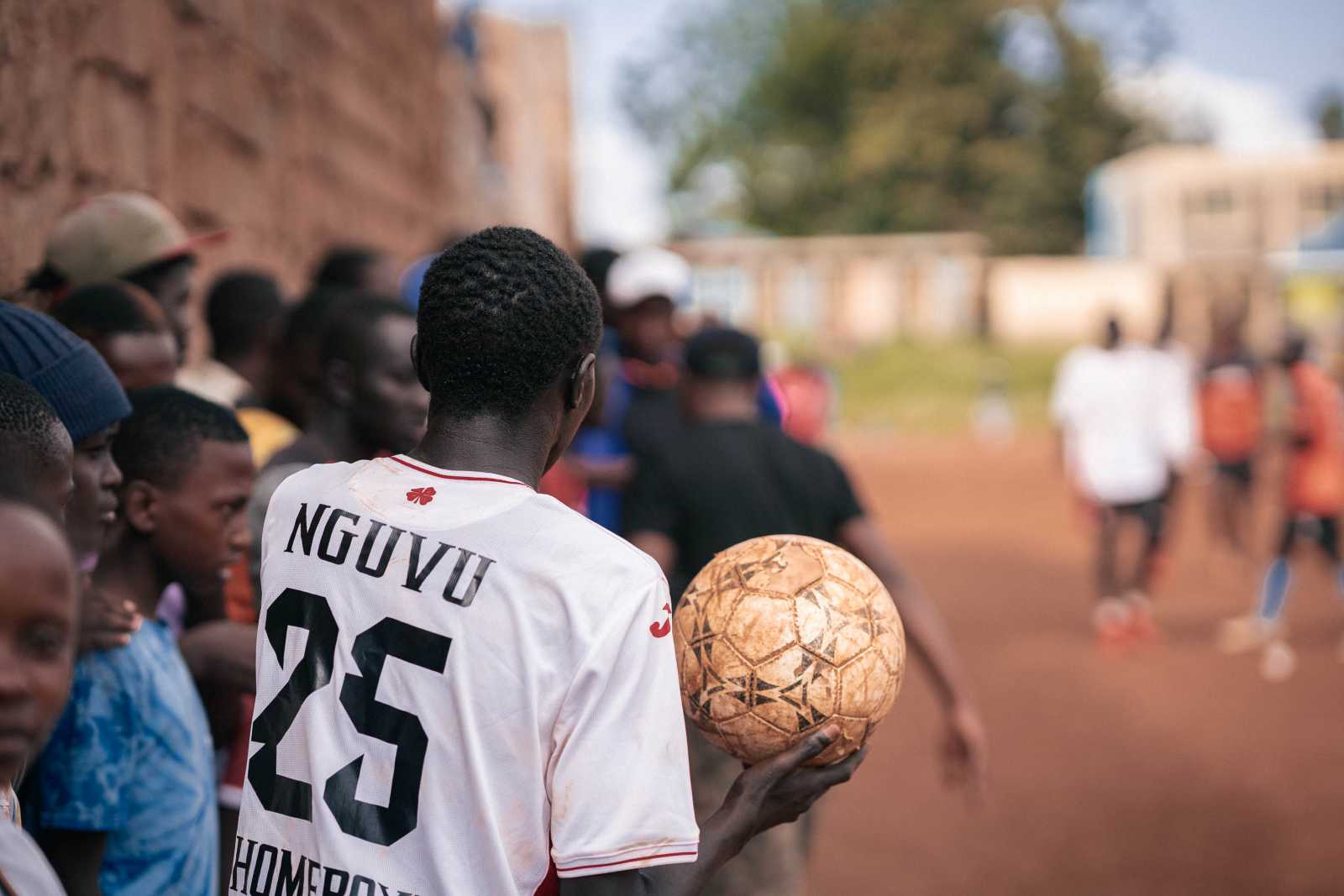
Using sport as a tool for social development is nothing new in development cooperation. The “Sport for Development” approach works with any sport – but football projects are at the forefront around the world.
A sport that many people can agree on is a good thing in today’s divided world. As the articles in this edition show, the appeal of football consistently manages to bridge ethnic divides and, increasingly, gender divides as well. And if you’ve ever watched a regional league match on some dusty pitch somewhere, you’ll know that football doesn’t need any FIFA glitz and glamour to have impact.
Katharina Wilhelm Otieno belongs to the editorial team at D+C and works partly in Nairobi.
euz.editor@dandc.eu