Gender equality
Speaking out about violence against women in Cameroon


“I didn’t know that I would survive,” says Mary. The young woman from Cameroon’s conflict-affected North-West region struggles to talk about that day years ago when she was raped by a group of soldiers. “They left me there naked after taking rounds on me.”
Years later, she says, the physical injuries have healed, but the experience continues to shape her life. “How do I get my revenge when no one listens to me?” she asks. “It breaks my heart to know that what happened will never be acknowledged or punished.”
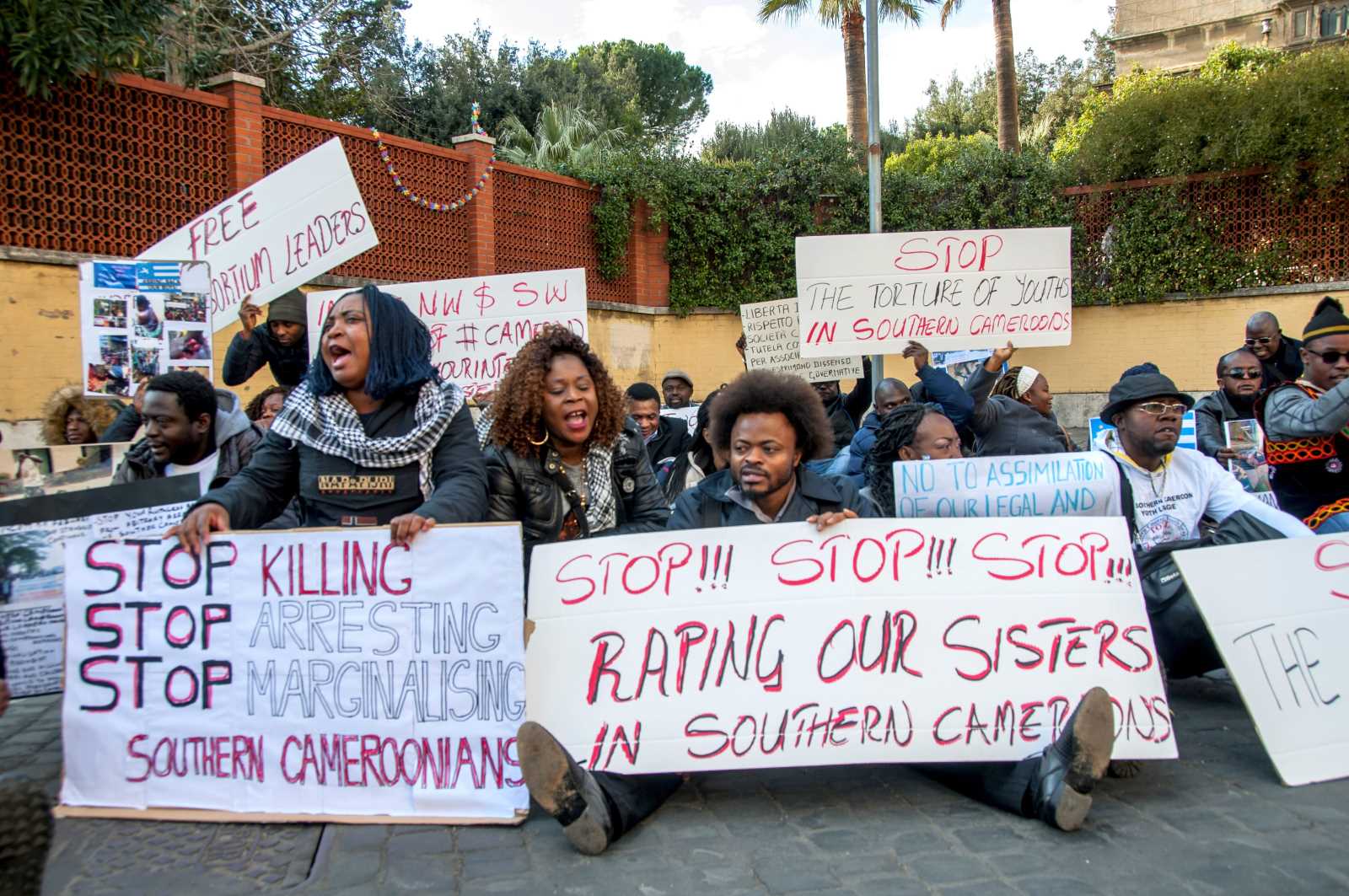
Mary’s story is one of many emerging from Cameroon’s conflict regions, where years of violence have left women facing not only insecurity but also enormous barriers to justice. Cameroon is grappling with several overlapping crises, including the Anglophone conflict in the North-West and South-West regions, the Boko Haram insurgency in the Far North and displacement linked to insecurity in the East. All these conflicts have exposed women to all kinds of violence, exploitation and forced displacement.
Breaking the silence
And yet, violence itself is often only the beginning of the ordeal. In conflict areas, courts and other institutions are often weakened. Women are caught in a system that is unable – or unwilling – to help.
Yet Mary and many other women don’t want to remain silent. Testimonies collected by women’s organisations such as the Association for the Promotion of Women’s Rights and Peacebuilding point to abuses committed by both armed groups and security forces. Mary now shares her story so that “other women can have the courage to speak up too.”
Despite the lack of support from institutions that are supposed to protect them, they want to find a way to slowly bring attention to all the injustice that women face in Cameroon: violence affects women’s ability to work, to support their families and to participate fully in community life. Many are forced to rebuild their lives while carrying the psychological burden of trauma.
To really bring about lasting change, women must be given greater opportunities to participate in decisions that affect their lives, says Esther Omam, Executive Director of the civil-society organisation Reach Out Cameroon and a member of the National Women’s Convention for Peace in Cameroon. “The respect for women’s rights promotes economic growth and reduces poverty, improves family wellbeing and strengthens peace and social cohesion,” she says. “When these rights are neglected, society loses a significant portion of its human capital.”
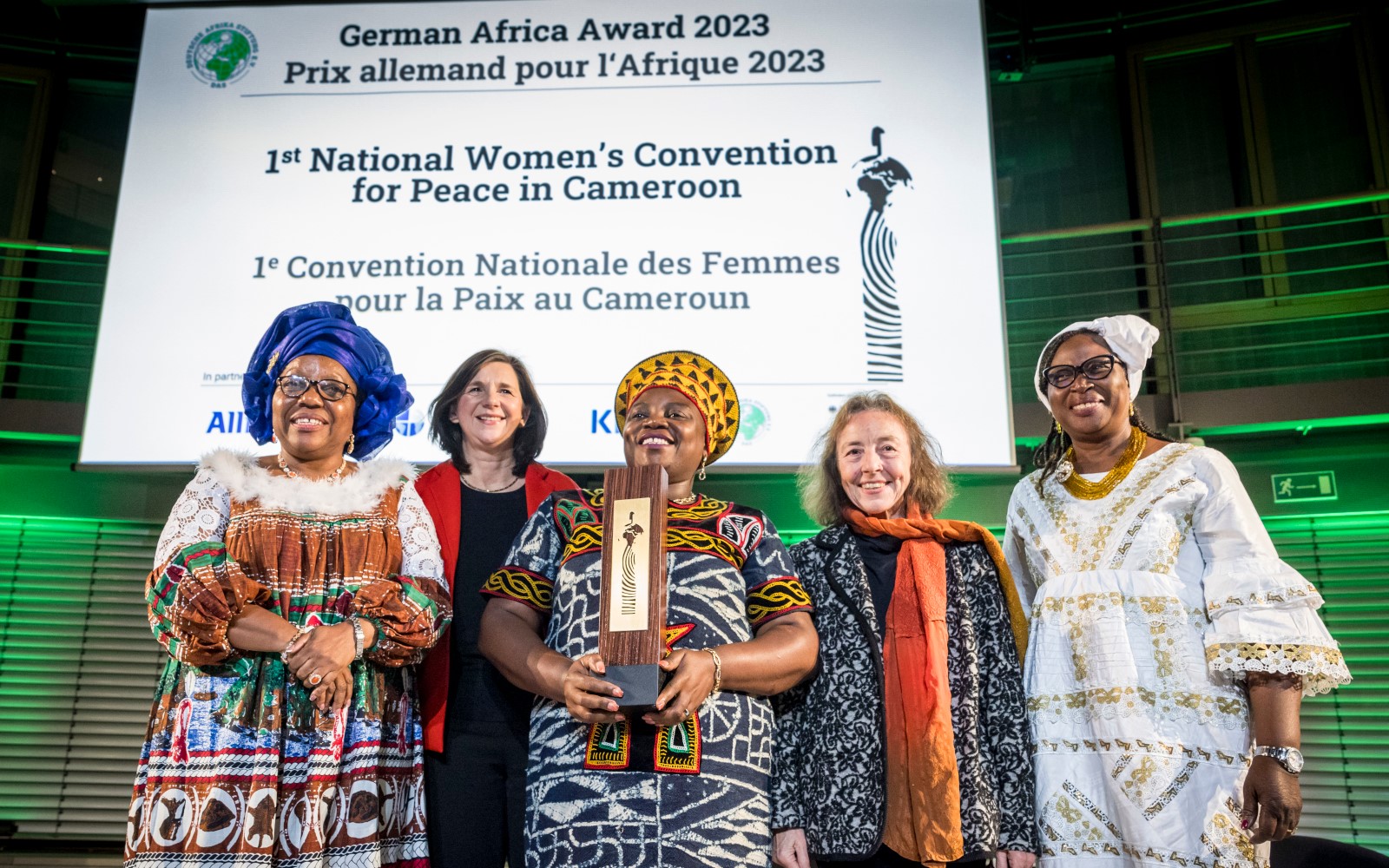
A voice that shapes the future
But how can women be encouraged to stand up for their rights and engage in political spaces? For political activist Sandrine Diribe, improving women’s rights is not only about responding to violence that happened to themselves or those close to them. It’s about a general shift in society’s mindset: “Women must start by knowing their rights to protect them,” she says. “When they know their rights, they must now engage in decision-making processes to promote and defend these rights.” Women, for example, must reclaim a seat at the table even in small communities when they discuss everyday challenges or how they want to develop – step by step.
For Mary, such statements may seem distant from the realities she faces every day. “If I had my way, I would take matters into my own hands, but I’m powerless,” she says. And yet, the process may begin by speaking openly about experiences that many women have long been expected to keep private. That’s why, Mary says, she continues to speak publicly about what happened to her. “I share my story so that other women can have the courage to speak up too.”
Glein Neneng is a programme associate and community manager at the Friedrich-Ebert-Stiftung for Cameroon and Central Africa. Among his main fields of interest are social inequality, gender equality and inclusive development.
nenengglein@gmail.com