Rehabilitation
Inside Zimbabwe’s controversial drug rehab camps


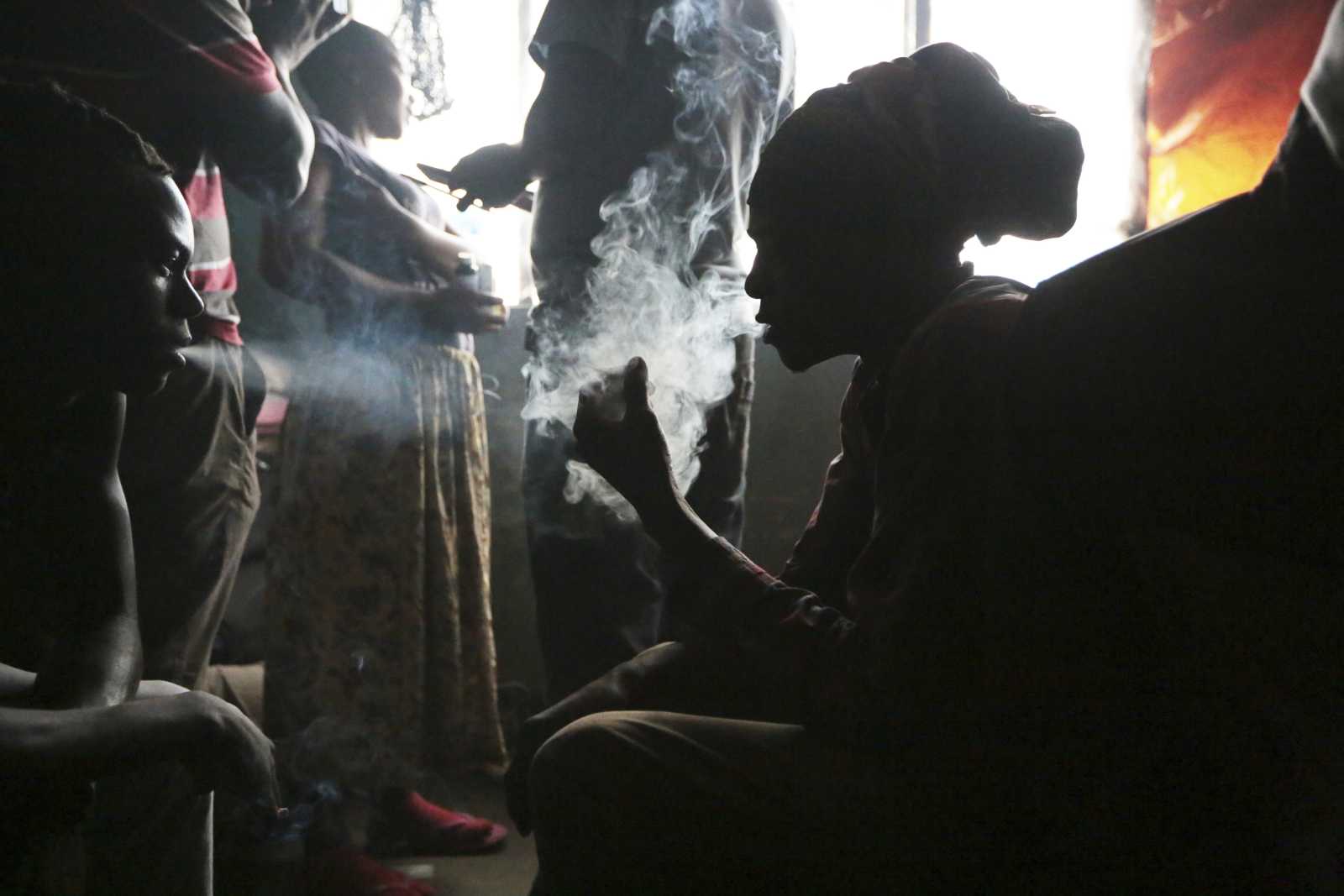
There is a troubling economy flourishing in Zimbabwe’s capital, Harare. “The drug trade is in full swing,” says John Gwada, community leader and pastor of the Zimbabwe Apostolic Church. This shadow economy is built on the shattered lives of Zimbabwe’s so-called “lost generation” – young adults born after the year 2000 who constitute the section of the population hardest hit by the country’s devastating employment crisis.
Although there are few comprehensive national surveys, studies by the Zimbabwe Civil Liberties and Drug Network (ZCLDN) and the Zimbabwe Youth Development Initiative estimate that over 60 % of young people in urban areas have already experimented with drugs, with around 35 % using them regularly. “It’s chaos – children are dropping out of school; some are driving their parents out of the house; others are selling off all their household belongings just to buy their next fix,” says Gwada.
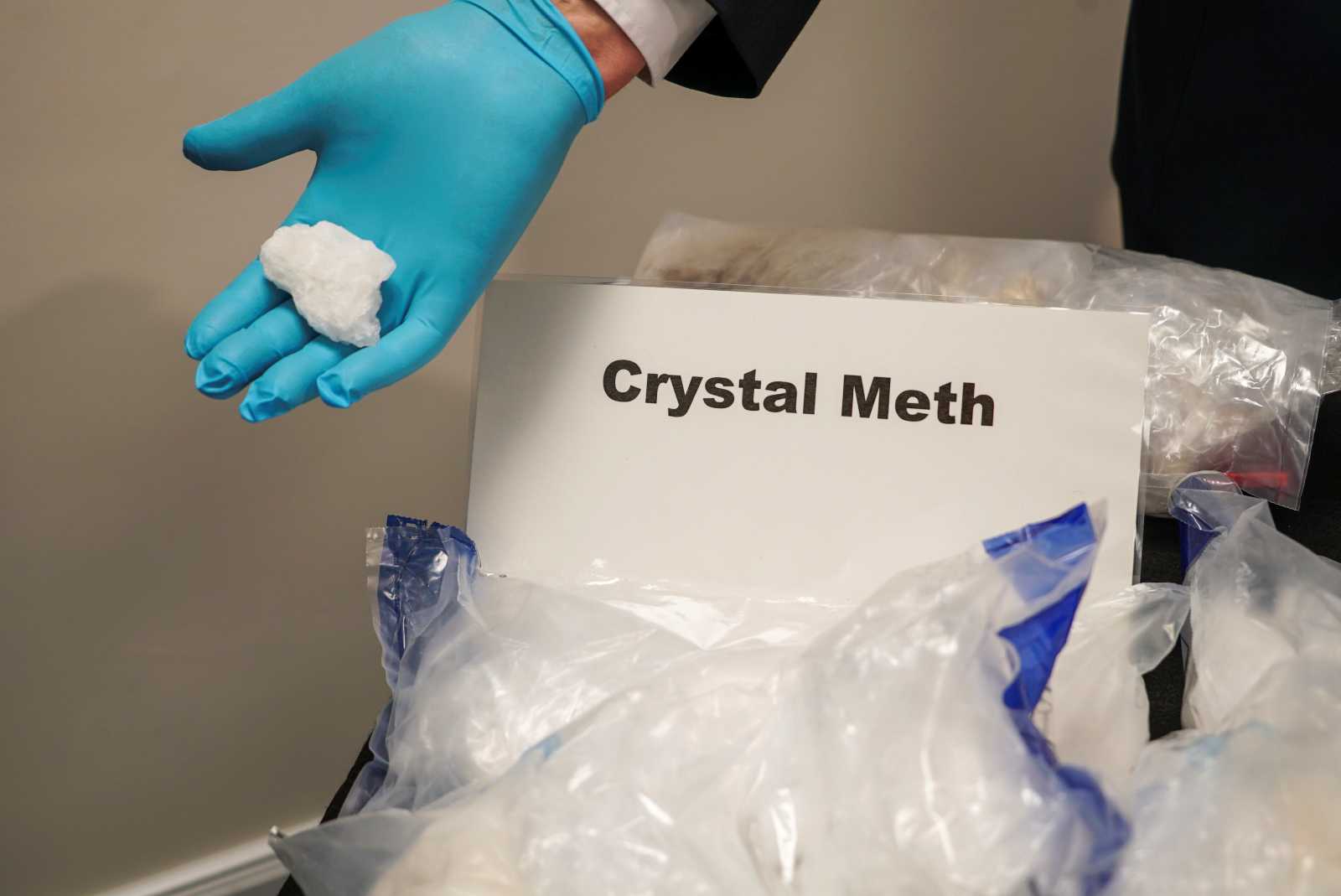
But the horror does not end on the streets, where drugs and illicit alcohol are readily available; for some addicts, it only really begins behind the steel bars of so-called “rehab boot camps”, which claim to rehabilitate young people suffering from addiction.
The drug rehabilitation centres in Zimbabwe, which are springing up like mushrooms, have become hotbeds of corruption and brutality, where politically connected elites have turned a public health crisis into a lucrative business. Those affected and their families report that at facilities such as the Matrix Rehabilitation Centre and the Angel of Hope Foundation in the capital, their journey to sobriety has been marred by bribery, military-style torture, forced detention and a disregard for human rights.
Fewer than 20 Registered psychiatrists
For a desperate mother like Chipo Ganga (not her real name), who had to watch her 19-year-old son waste away due to his drug addiction, it was all too easy to be taken in by the stylishly designed adverts on TikTok and Facebook, which prominently promote these drug rehabilitation centres.
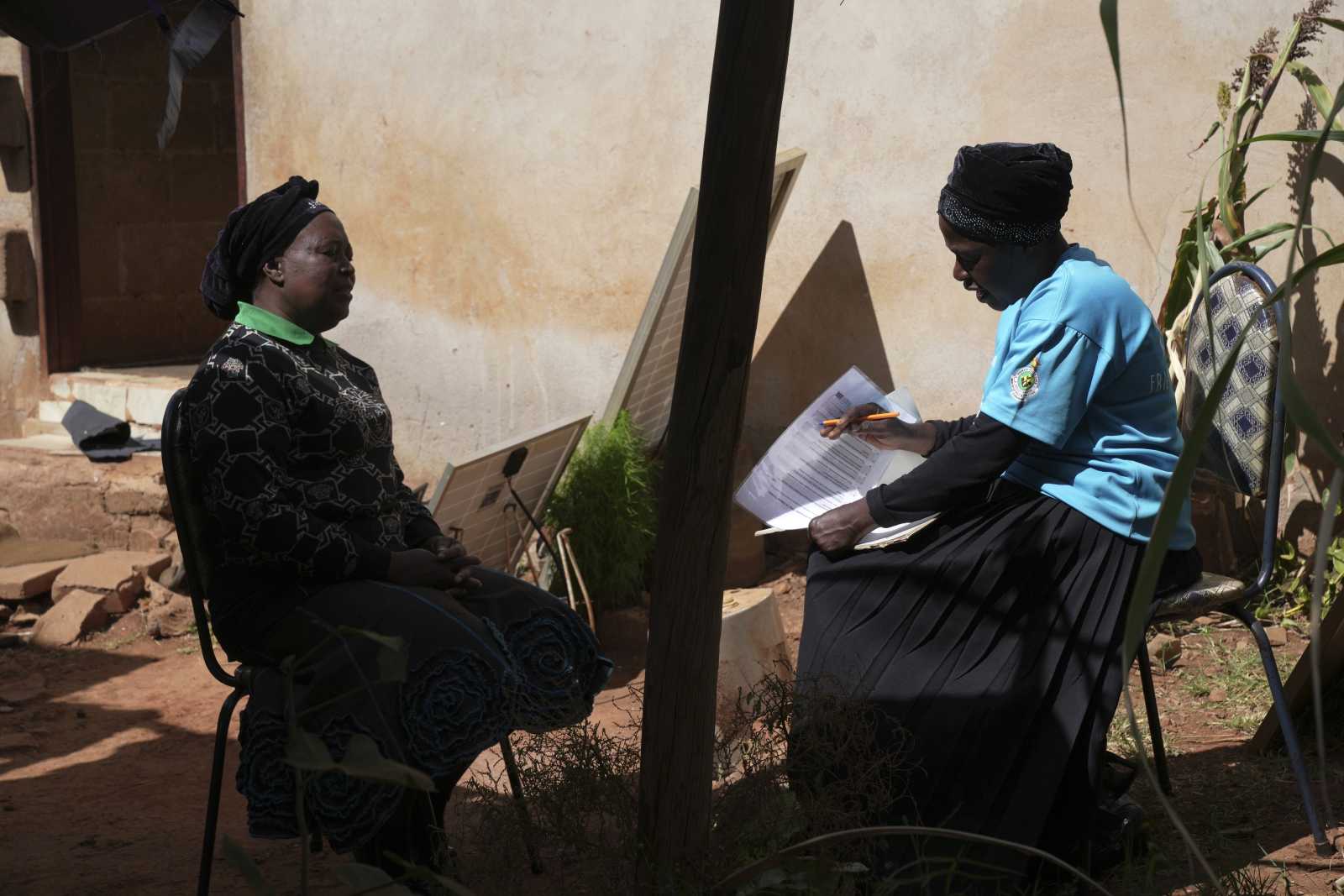
“In 2025, I was desperately trying to save my teenage son – the adverts for the rehabilitation centres seemed like a gift from heaven,” she says. They promised “holistic therapy”, “psychological assessments” and a path back to mental health, as well as a return to school or work for “rescued young people”. In Zimbabwe, a country where the mental health system is virtually non-existent – with fewer than 20 registered psychiatrists and fewer than 40 clinical psychologists available for a population of 17 million – these seemingly charitable drug rehabilitation centres present themselves as the only remaining hope for parents whose children are addicted to drugs.
The Matrix Rehabilitation Centre, run by Tafadzwa Chidawa, a former police officer and social media personality, and Angel of Hope, a foundation headed by Zimbabwe’s First Lady Auxillia Mnangagwa, are the best-known of these rehab centres. They claim to offer free or subsidised programmes lasting between one and three months, designed to transform young people struggling with addiction into productive members of society.
“The Matrix Rehabilitation Centre promised me that my 19-year-old son, who had dropped out of his first year of law at the University of Zimbabwe, would stop using drugs within a month – and would return to university on his 20th birthday,” says Ganga. But as soon as the gates closed, her son was subjected to military-style drill, she reports. He told her that his day began at 3 am – he was doused with cold water and had to roll about in the muddy backyard, slap other young people and endure five slaps to the cheek himself every day. His only meals consisted of “breakfast” at 3 pm and a light supper at 10 pm. “He slept four hours a day and lost seven kilos in a month,” she says. At the same time, the rehab programme, which had initially been presented as free of charge, turned into a financial nightmare. The operators demanded $ 500; otherwise, her son would be held there for six months. “I had no choice but to sell my fridge to pay them,” says Ganga.
“Patients as young as twelve who are battling addiction are stuck in these dubious rehabilitation centres, which are designed to make a profit rather than provide paediatric care,” says Jigga Saro (not his real name), a former security officer who claims to have alerted the Zimbabwe Republic Police to Matrix and to have gone into hiding after the owner of Matrix was briefly arrested in 2025.
Snatchers as “health workers”
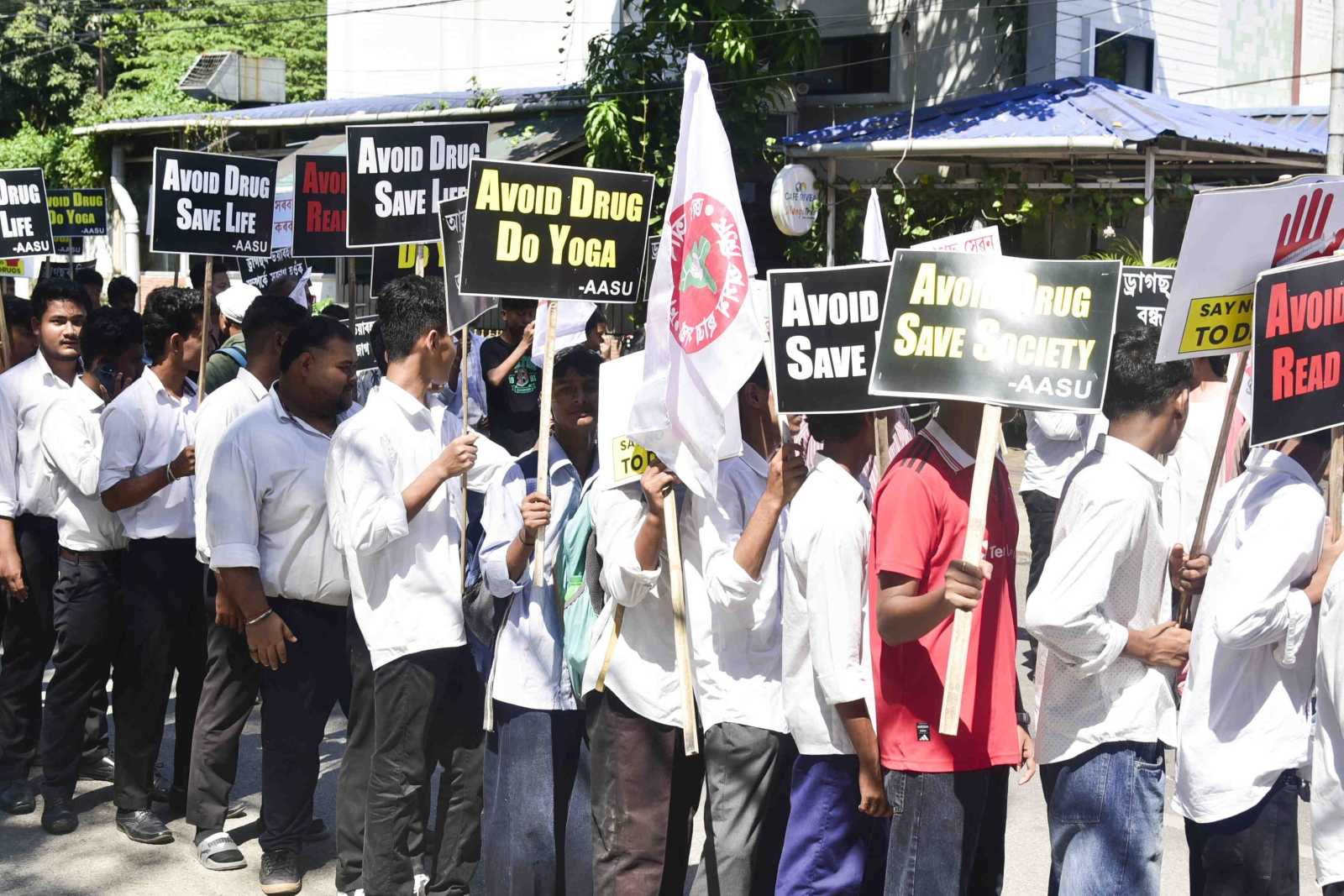
One of the most worrying aspects of these rehabilitation centres is the way in which they “recruit” their clients, alongside promises made on social media. There are numerous allegations that rehab centres such as Matrix employ private bouncers as “kidnapping squads”. These squads pick up troubled young people off the streets and forcibly take them to their centres, says 22-year-old Irimayi Goto (not her real name). This is what happened to the young mother, who struggled with alcohol and ecstasy addiction for three years and spent two months in a centre before her uncles, who live abroad, paid a fee of $ 900 to secure her release.
The men in these gangs stroll through the streets of Harare and lure suspected drug users into their vehicles under the pretence of taking them for a medical examination or a seminar on “empowering youth”, says Goto. As soon as they are taken behind the gates of the rehabilitation centres, brutal methods are employed. The “patients” are held against their will, she says. “This is not medical treatment – it is kidnapping.”
Goto adds that what lies behind these forced detentions is not medical concern, but the financial value of every drug addict who is sent to rehabilitation centres. Families have to pay between $ 400 and $ 800 a month if their children are held in these camps – or even more to secure their release.
Inside the “boot camp”
Goto recounts that daily life in the rehabilitation centre was more like that of a prison inmate than that of a patient in rehab. “We were woken from our brief sleep to take part in roll call, forced singing and gruelling training,” she says. This included, for example, “air seating” – remaining in a squatting position for 30 minutes or longer – or “frog marching”. “Beatings were also a daily occurrence,” says Goto.
The exercises took their physical toll and often left her feeling dizzy and on the verge of fainting. But showing any sign of weakness would have resulted in beatings with a water pipe. There were no doctors or nurses specialising in addiction to treat the inmates as promised on admission. “Just muscular men who mocked and beat us. We were told we were useless to our families and the country because we were drug addicts. If we complained too strongly, they threatened to send us to the war in Ukraine and Russia to die there,” she reports.
Several leaked videos from the rehabilitation camps corroborate these accounts. Some footage shows inmates, fully clothed, being doused with water and forced to stand still while fellow inmates, egged on by staff, mock them.
Another unsettling aspect of the “boot camps” was the so-called “medical procedures”, says Chipo Ganga, mother of the 19-year-old law student. She reports that her son had blood taken and strands of his hair tested for “traces of cocaine” while at the rehab centre. Video footage available on the facilities’ social media platforms also shows how inmates are subjected to compulsory “medical” tests upon admission.
Investigations have since revealed that consent had been faked, the methods were rudimentary and no experts were present. This constitutes a flagrant breach of Zimbabwe’s Public Health Act and the Medicines and Allied Substances Control Act.
Corruption and the First Lady’s foundation
While the Matrix Centre has become notorious for its alleged brutality, the Angel of Hope Foundation represents, according to whistleblowers, another facet of the crisis: systemic corruption.
The First Lady’s rehab centre in Zimbabwe does not use snatchers to get addicts off the streets, says Ethan Soko (not his real name), 24, a former prospective patient who dropped out of his accounting degree at the University of Zimbabwe due to his abuse of cough medicine. Angel of Hope takes a different approach – a “pay-to-play” system, he says. Wealthy families allegedly pay hefty bribes to secure places for their troubled children, thereby pushing ahead of those like him – the destitute young people from poor neighbourhoods who cannot afford private rehab clinics.
“I’d been addicted to codeine-based cough syrup for five years, and after waiting a long time, a spot opened up at the First Lady’s boot camp for three months. I was thrilled,” he says. On the day Soko enrolled, however, his place was cancelled indefinitely. No reason was given. Guards later told him that the troubled teenage son of a wealthy politician had paid $ 1200 to snatch his place. Soko was devastated – and, as he says, now suffers from depression, drinks alcohol and continues to abuse codeine cough syrup.
Tafadzwa Chidawa, director of the Matrix Rehabilitation Centre, dismissed claims that his centre was operating illegally and “drilling” inmates using torture methods. “That’s nonsense – we don’t hold anyone against their will. Our methods are humane – some of the videos you’ve seen of the exercises are AI-generated and fake. We operate within the law – and the families are delighted that we’ve changed their children for the better,” he says. Requests for comment from the First Lady’s Angel of Hope Foundation went unanswered.
The police are not doing enough
The Zimbabwe Health Professions Authority, a state regulatory body, has issued a statement warning that several rehabilitation centres, such as Matrix, are operating illegally. That said, the Zimbabwean government’s response to such warnings has so far been half-hearted.
The operator of Matrix was briefly arrested in March 2025 for allegedly running an illegal rehabilitation centre and posing as a child protection officer. He was released shortly afterwards. The Zimbabwean police ignored several requests to explain why critics accuse them of being too lenient towards influential figures who allegedly run illegal rehabilitation centres.
The Zimbabwean Ministry of Health has merely expressed what it calls its “concern”. Yet it seems its hands are tied when such “boot camps” are linked to influential figures in politics and government, says Soko, who lost his place at the First Lady’s rehab centre. “These are not drug rehabilitation centres; they are blackmail boot camps that use dubious methods to instil fear in young people struggling with addiction,” he says.
Deogracious Kalima is a freelance journalist based in Malawi and Zimbabwe. His work focuses on human rights and public health.
https://x.com/deokalben22