Fragile states
Which crisis is the worst in South Sudan?


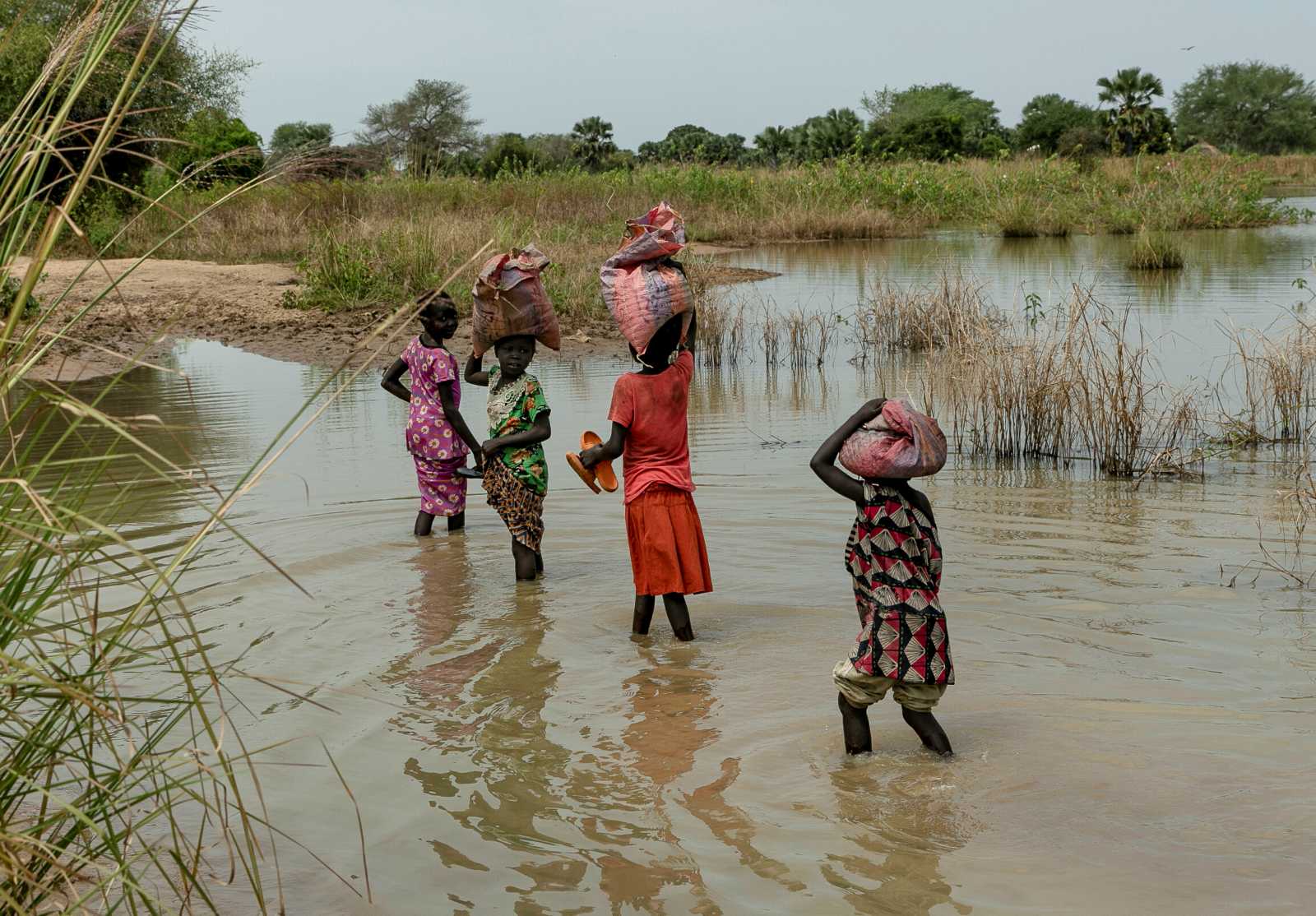
South Sudan is one of the countries most vulnerable to climate change in the world. Extreme weather events such as floods, droughts and heatwaves are increasingly undermining people’s livelihoods and putting pressure on communities that are already struggling with limited resources. In 2024, according to the UN, more than 1.4 million people were affected by the worst floods in decades, and around 380,000 people were displaced.
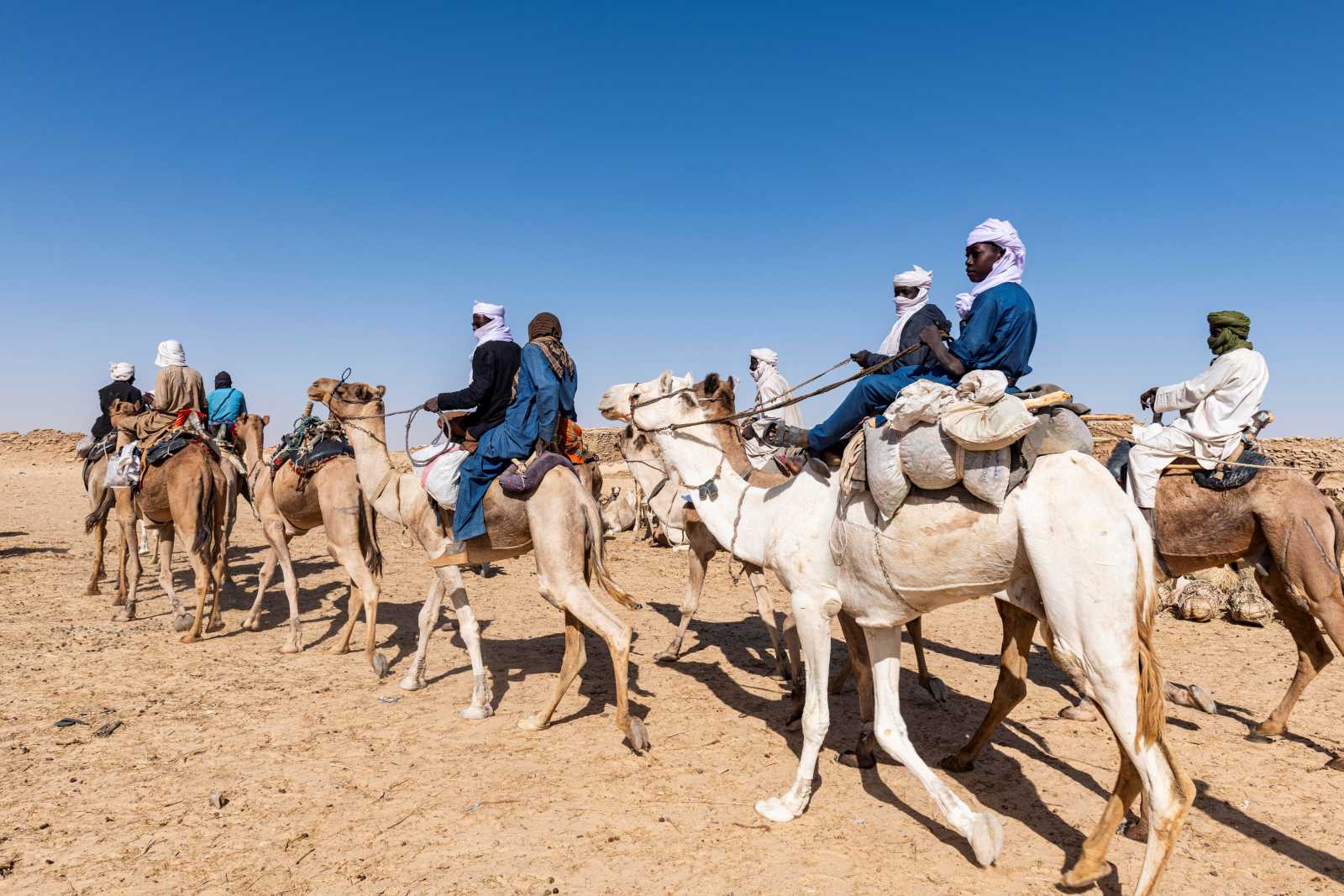
According to the UN, more than 95 % of South Sudan’s population relies on climate-dependent livelihoods. Agriculture and livestock farming are particularly vulnerable to changes in rainfall and temperatures. When climate shocks restrict the availability of resources such as water and land for cultivation, traditional arrangements governing access and freedom of movement come under pressure, and conflicts over land intensify.
In the dry savannah of the northern state of Northern Bahr el Ghazal, for example, a combination of rising temperatures, unpredictable rainfall and frequent flooding alternating with droughts has contributed to crop failures, soil degradation and water scarcity. Time and again, people are forced to flee, and agricultural production and grazing land are in decline.
The situation is also making itself felt in places that have traditionally benefited from more favourable weather conditions. In Eastern Equatoria, a state in the southeastern part of South Sudan that is home to green forests, prolonged drought and insufficient rainfall have disrupted the agricultural cycle, so farmers are unable to cultivate their land or produce enough food.
The situation is the same across the country: when harvests fail and household food supplies dwindle, families become increasingly reliant on humanitarian aid. South Sudan is thus caught in a vicious circle: erratic rainfall means reduced agricultural production, which exacerbates food insecurity and poverty, while the resulting crises and conflicts drain resources that could otherwise be invested in long-term climate adaptation measures.
The 2024 survey “Public Perceptions of Peace” quantifies how these pressures are perceived by the people in South Sudan. Conducted among 4769 participants across all ten states and one administrative area, the survey found that 93 % of respondents believed climate change was directly affecting their communities. 67 % said members of their communities had been displaced by flooding or drought in the previous three years, while 89 % said climate change had severely affected farming, and 79 % reported impacts on pastoralist activities.
Yet the survey also revealed a gap between the scale of the problem and confidence in the state response. While 54 % felt the government was doing enough to address climate change, only 19 % considered the national government the most effective institution in helping communities cope, compared with 43 % who identified UN agencies.
The world’s youngest country
The UN notes that climate stressors in South Sudan and elsewhere do not, in themselves, trigger conflicts. Rather, they interact with pre-existing political, economic and social vulnerabilities, thereby exacerbating tensions over land, water and other resources.
South Sudan gained its independence in 2011 and is considered the world’s youngest country. Following independence, years of conflict and political instability meant that many institutions and the country’s economy were unable to establish themselves properly. This situation is exacerbated by recent developments, as the country is struggling to cope with the repercussions of the war in neighbouring Sudan, for example.
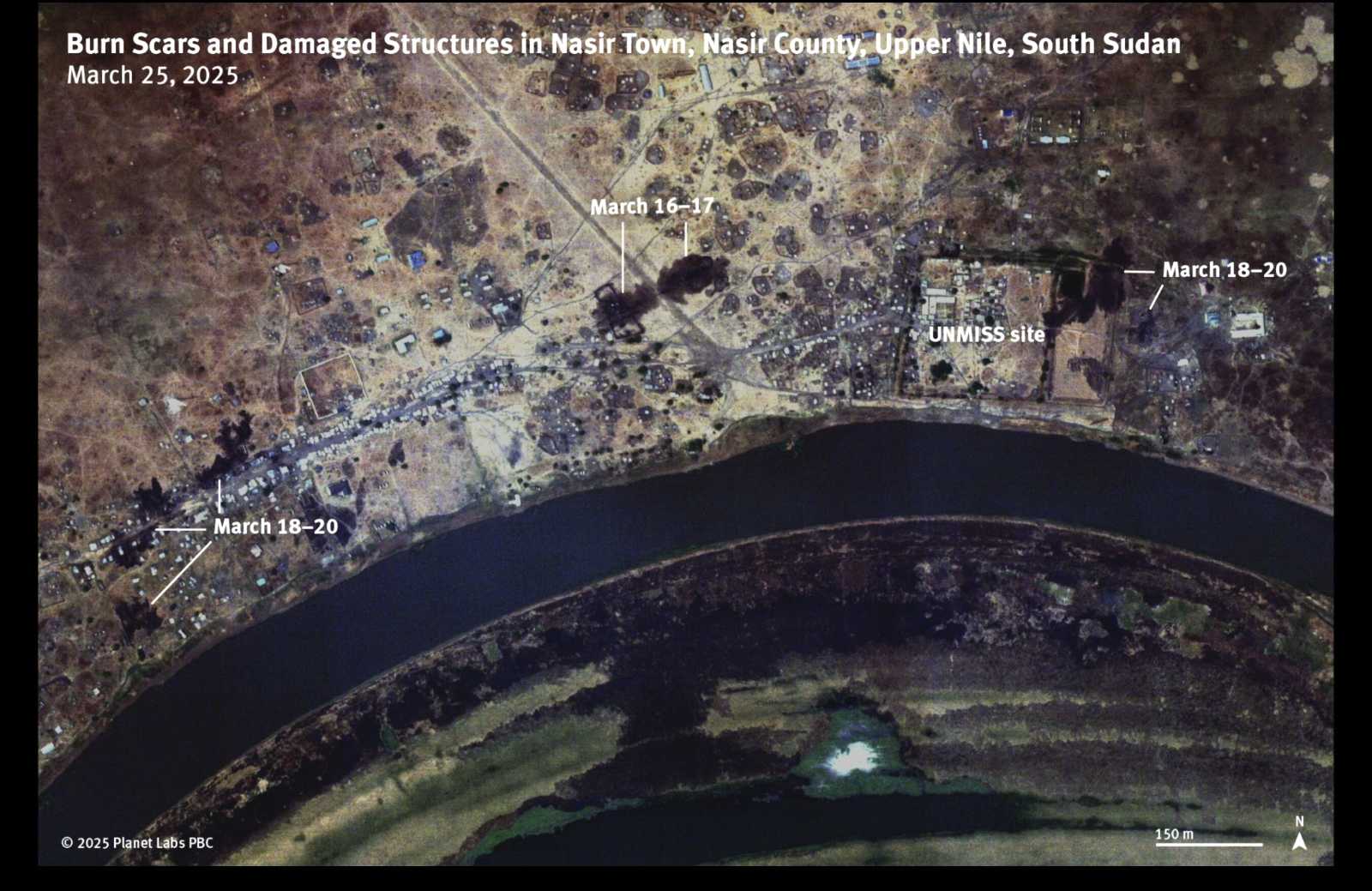
A World Bank study from 2024 found that 76 % of South Sudanese live below the national poverty line. More than two-thirds of the population live in extreme poverty and have to make do on less than $ 2.15 a day. The World Bank attributes the poverty in the country to a combination of conflicts, weak governance, limited state capacity and recurring natural disasters.
Schools show long-term consequences
When these natural disasters strike, communities need food, shelter, clean water and medical assistance. Roads and schools need to be repaired. People who have lost their homes need to be relocated. And these are just the short-term demands being placed on the government, which are draining its already scarce resources for emergency aid.
But in the long term, without sufficient investment in flood defences, early-warning systems, climate-resilient infrastructure and alternative livelihoods, the same communities will find themselves in the same emergencies time and time again.
The bottom line is that climate change is quietly and steadily undermining development progress. Schools are a clear example of this. Extreme heat disrupts lessons, whilst flooding forces schools to close or turns educational establishments into emergency shelters. When children repeatedly lose access to education, the consequences extend far beyond the immediate disaster.
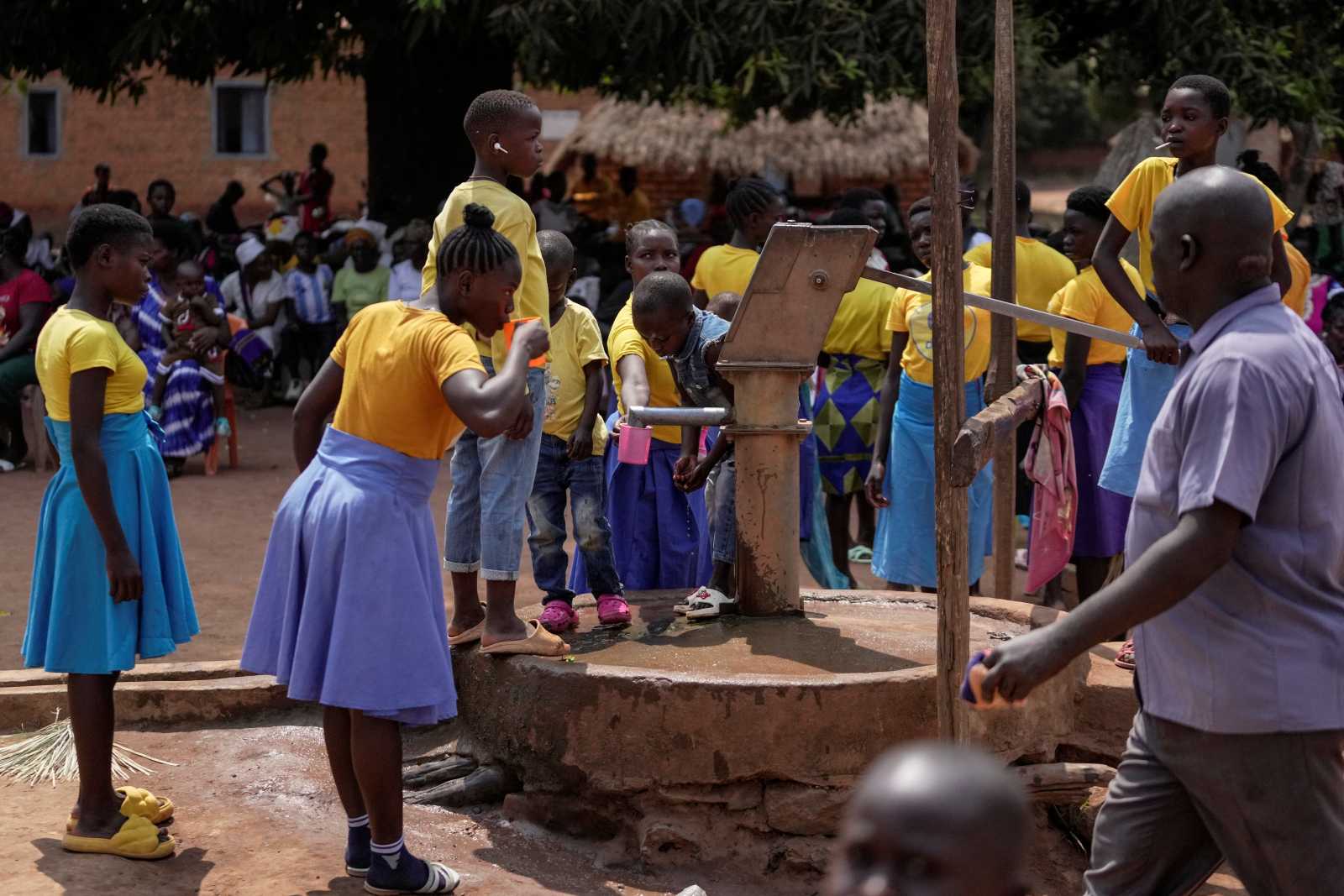
Everyone in South Sudan is aware of climate change
South Sudan needs to ensure that climate-related considerations form part of the country’s overarching development, peace and humanitarian planning. The construction of roads that remain passable even during floods, the improvement of water infrastructure, the strengthening of early-warning systems and support for farmers and livestock keepers in adapting to changing conditions can help reduce future humanitarian costs.
For South Sudan, the question is no longer how to raise awareness of climate change. Everyone in the country is aware of it. The more difficult question is rather how a country struggling with poverty, conflict and other humanitarian crises can muster the resources to prepare for the next climate shock before it strikes.
South Sudan’s experience highlights the dilemma facing many vulnerable countries: those most exposed to climate shocks also have the fewest resources with which to prepare for them. However, treating climate change as a secondary issue because there are more pressing problems could prove to be a costly mistake. For South Sudan, climate action is not a luxury for a more prosperous future. It is increasingly part of the country’s struggle for food security, peace and development.
Alba Nakuwa is a freelance journalist from South Sudan based in Nairobi.
albanakwa@gmail.com
This story is part of The 89 Percent Project, an initiative of the global journalism collaboration Covering Climate Now.