Fair trade
Critical minerals: unearthing injustice


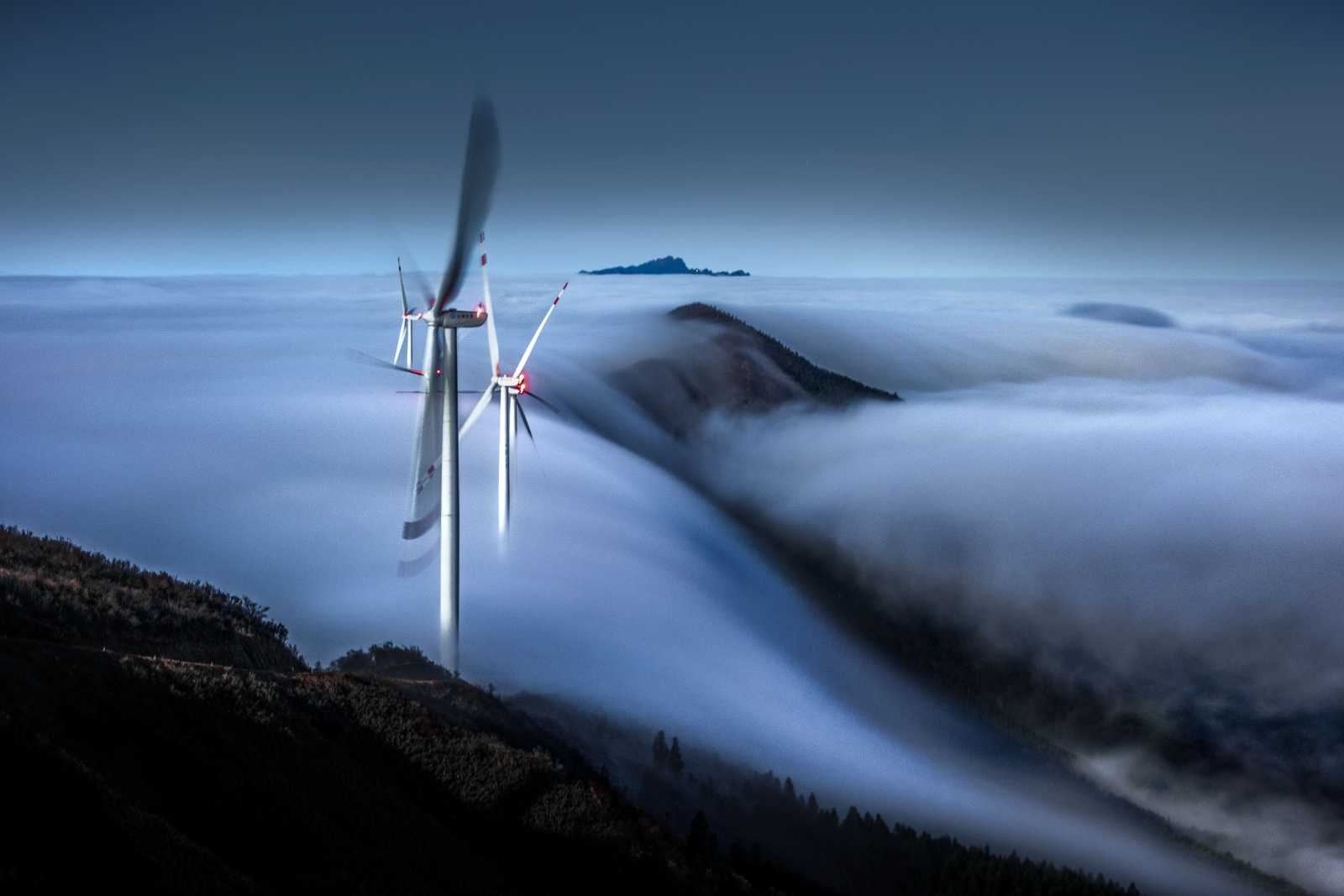
Brazil and Germany intend to work more closely together to extract and supply raw materials, announced heads of government Luiz Inácio Lula da Silva and Friedrich Merz on the sidelines of the world’s largest industrial fair in Hanover in April. Brazil has what Germany needs: critical minerals like cobalt and copper, as well as the world’s second-largest reserves of rare earth elements, surpassed only by China. Without these commodities, no smartphone would run, no electric vehicle would drive, no windmill would turn. They are key components of the energy transition, which is urgently needed. Industrialised countries depend on them.
For countries in the Global South, earnings from commodity exports continue to represent an important source of income. In Guinea and the Democratic Republic of the Congo (DRC), mined products make up over 80 % of exports, according to the UN. Importing countries like Germany are also interested in reducing their reliance on China, which dominates the rare earths market, for example.
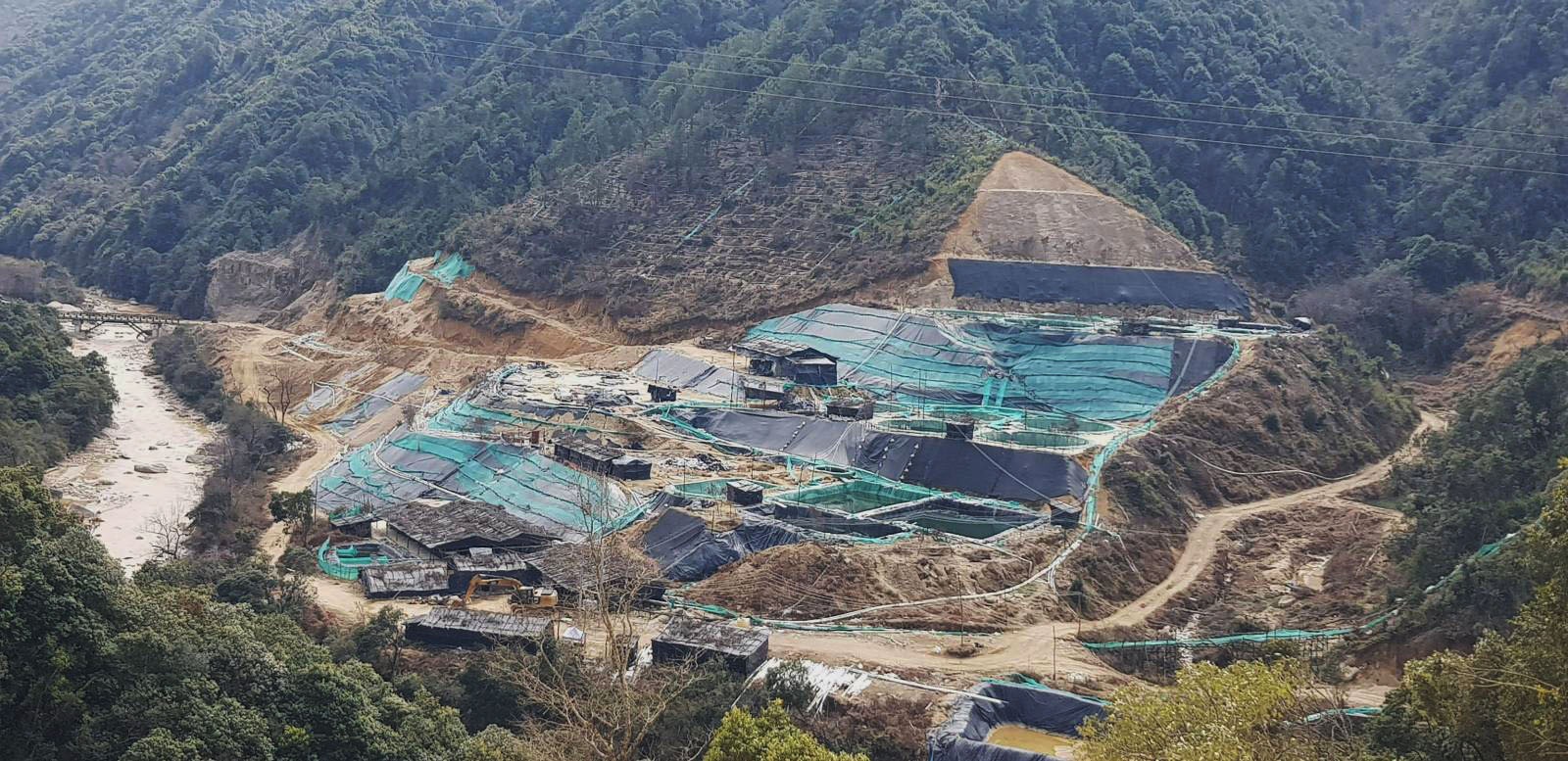
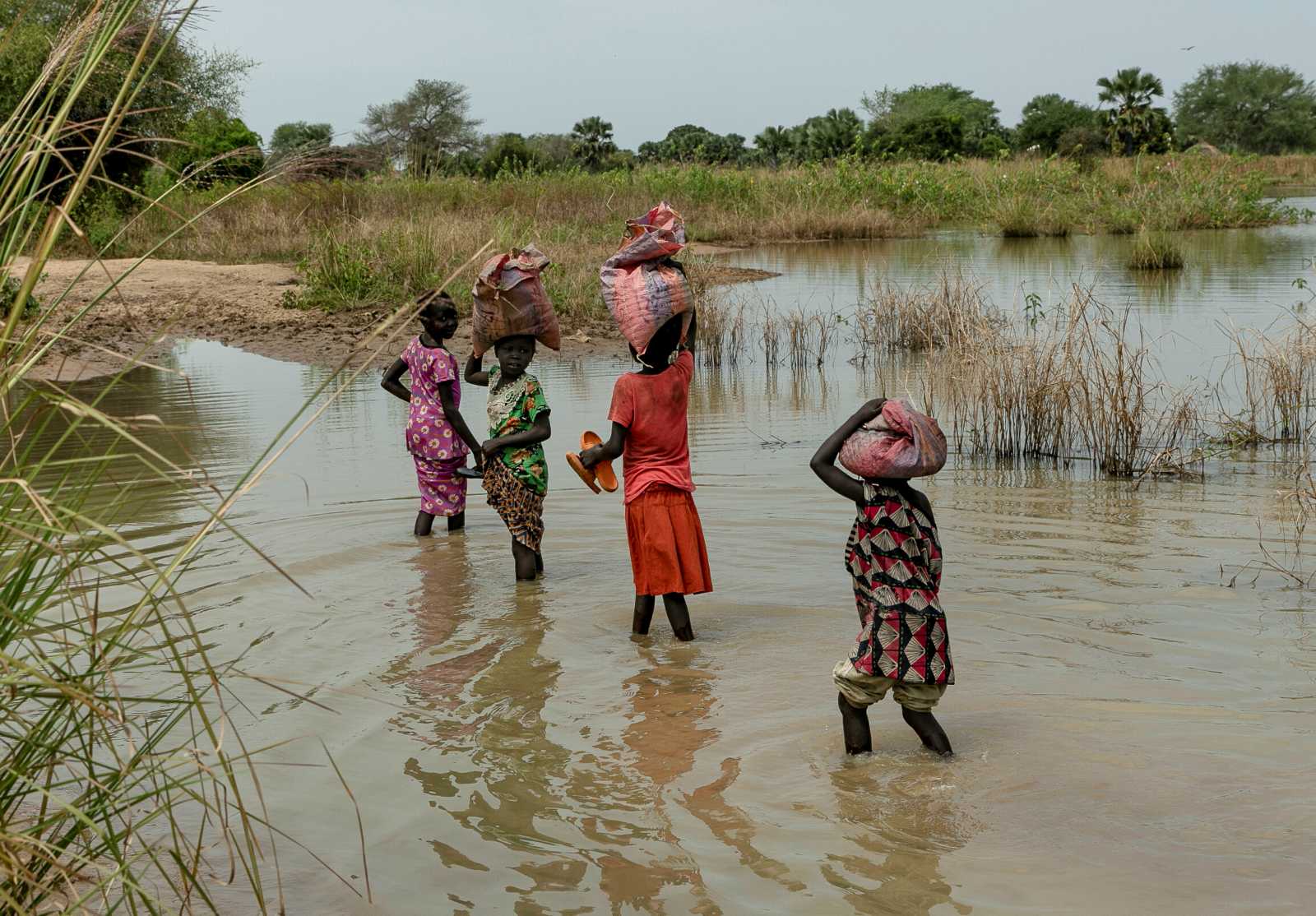
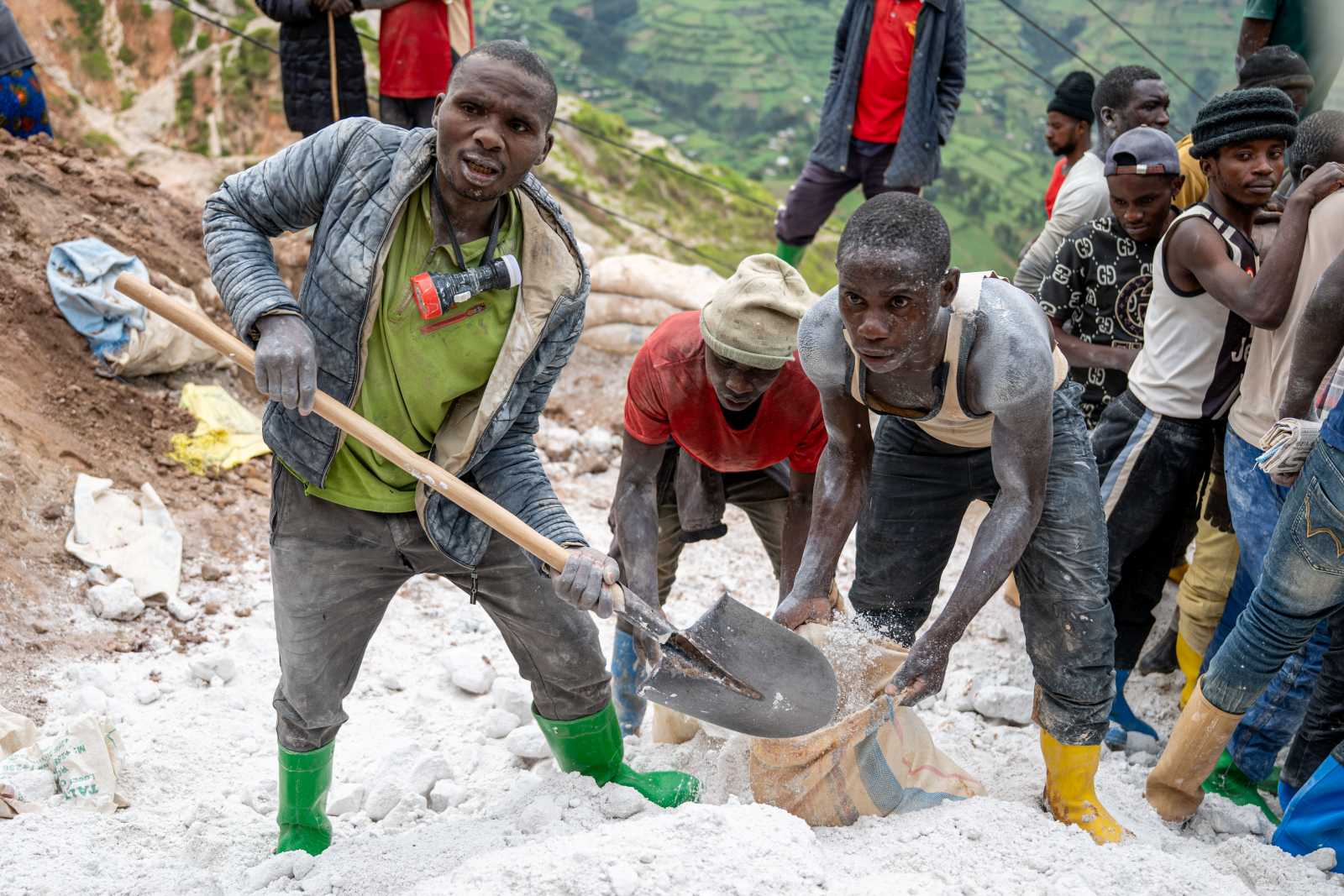
The global critical minerals market is valued at hundreds of billions of dollars, and it is growing. It is a profitable business for those who control the resources. But people who live in mining regions continue to pay a horrendous price. Workers toil in mines under exploitative conditions. Mining is exacerbating conflicts in many areas and destroying both natural resources and the health of local people. Where laws to protect people and the environment exist at all, weak state institutions often stand in the way of their enforcement.
The trade in critical minerals obviously reproduces colonial patterns. Industrialised countries, including China, source raw materials in economically weaker countries, process them and profit from the added value. In their D+C article about the situation in the DRC, development researchers Ezra Moïse Amisi and Bossissi Nkuba note that while the wording and the methods of coercion have changed since Belgium’s colonial exploitation, the question of who controls the resources remains. In the DRC, the answer is partly domestic militias, partly foreign troops and partly powerful investors – but not the local people.
Profound changes are needed
Noticeable progress has been made, but it is happening too slowly. The EU Supply Chain Act, for instance, is an achievement with regard to due diligence, but it was recently weakened and postponed. International cooperative efforts like the Global Battery Alliance, which promotes more sustainable and socially responsible battery production, are welcome, but need to be emulated on a much larger scale across all sectors.
The oft-cited “race for critical minerals” is a race against time for countries in the Global South. Will they manage to keep more added value in their own countries before the resources are exploited? And will these riches be shared fairly with the people in mining regions?
Brazilian president Lula da Silva made it clear in Hanover that his country has no intention of allowing itself to be reduced to the role of resource supplier. Instead, he insisted that a technology transfer was needed so that raw materials could be processed in Brazil. D+C reports from Bolivia and Burundi show that other countries sound the same note. For those at the bottom of the supply chain, fairer distribution can’t come soon enough.
Jörg Döbereiner is managing editor of D+C.
euz.editor@dandc.eu