Football stories
An iconic fan from the DRC


Despite the fact that the Democratic Republic of the Congo (DRC) was eliminated in the round of 16 of the Africa Cup (AFCON) in January, everyone will remember Michel Nkuka Mboladinga. Throughout all of the matches, including extra time, the team’s fan stood motionless in the stands on a stool draped with the Congolese flag, his right arm raised in the air. Mboladinga was imitating the pose of the statue of Patrice Lumumba on his mausoleum in Kinshasa – and became the symbol of the tournament.
He always wore a colourful suit ensemble of blue, red and yellow – the colours of the Congolese flag – and his hairstyle and glasses made him look almost identical to the real Lumumba.
In interviews, Mboladinga explained that his appearances are intended as a homage to Lumumba and stand for values like dignity, freedom and national sovereignty. He was also thinking about his team: “I remain still to give strength to the team, to give energy to the players,” Mboladinga told the Associated Press.
Only when the national team of the DRC was eliminated by Algeria in extra time did Mboladinga break off his performance and let his tears flow in the stands.
Sign of peace
For many, Lumumba remains the national hero of the DRC. In 1960, he helped end Belgian colonial rule, became the first prime minister of the newly independent country and was considered one of the most promising political figures in Africa. But less than a year later, he was killed during a conflict with a secessionist movement supported by Belgium. The country descended into a decades-long dictatorship that exploited its vast natural resources – much like colonial rulers had done before.
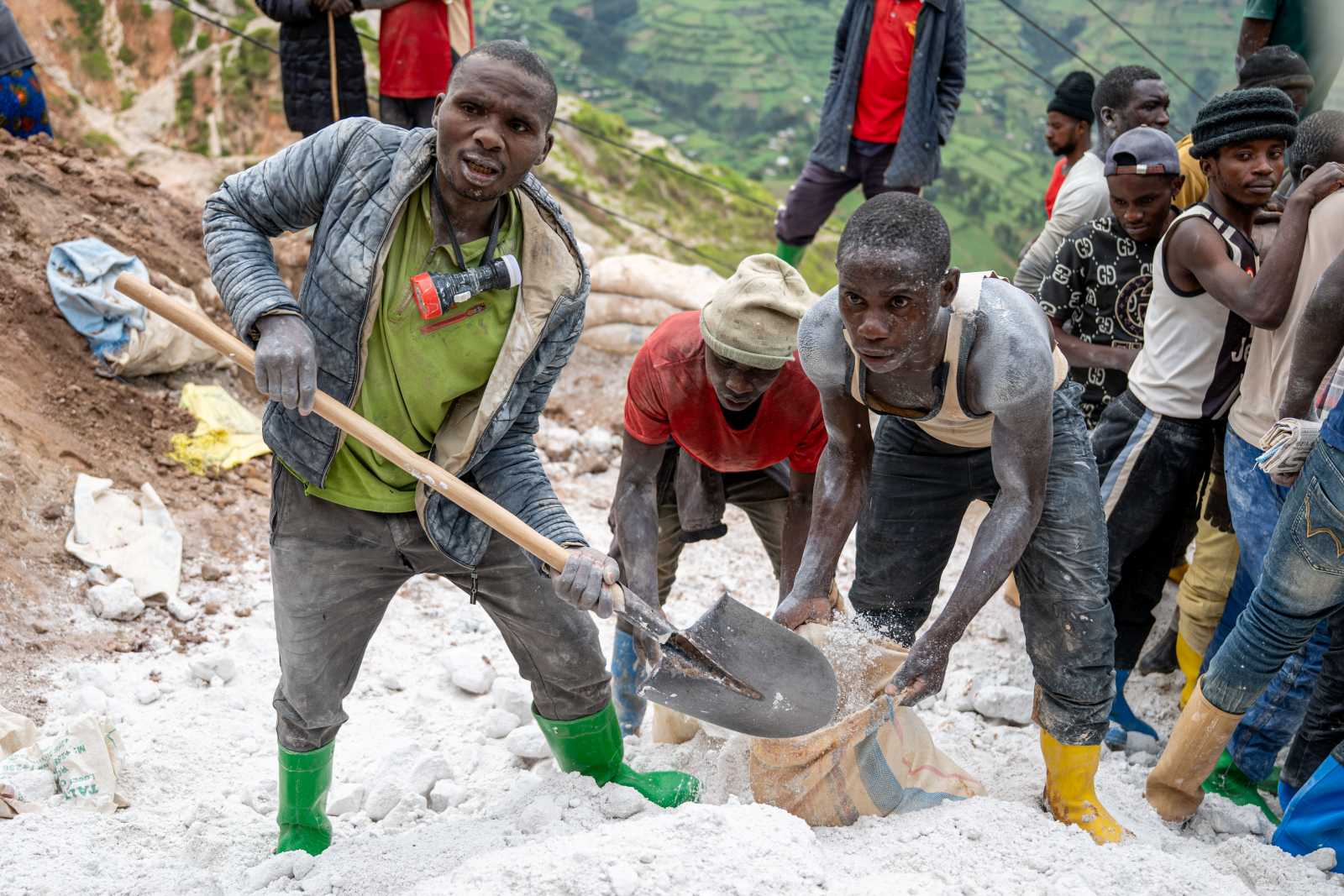
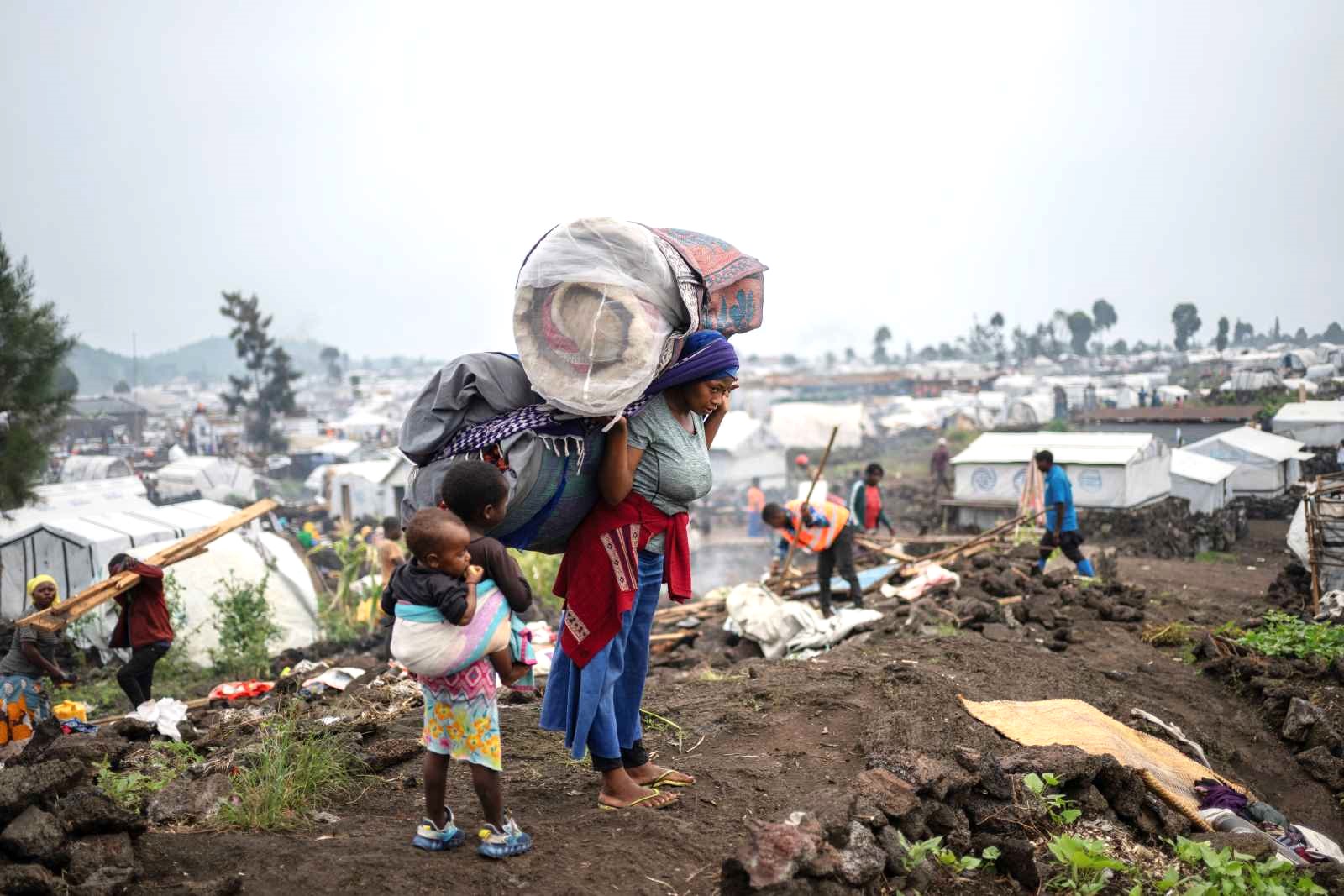
At the tournament in Morocco, Mboladinga was accompanied by hundreds of Congolese fans. “He is sending a clear message at both the local and international level. The open palm is a sign of peace, and we need peace in our country,” Jered Bitobo, the head of communications of a well-known supporters’ group, told the news agency AFP. The country’s resource-rich east has been disputed for decades, and the conflict has escalated again in recent years due to clashes between the Rwanda-backed rebel group M23 and the Congolese army.
Katharina Wilhelm Otieno belongs to the editorial team of D+C and works partly in Nairobi.
euz.editor@dandc.eu
This is the third article of our football stories. You can find more stories here.