Traditional brewing
Drinking and brewing in one of Africa’s largest refugee camps


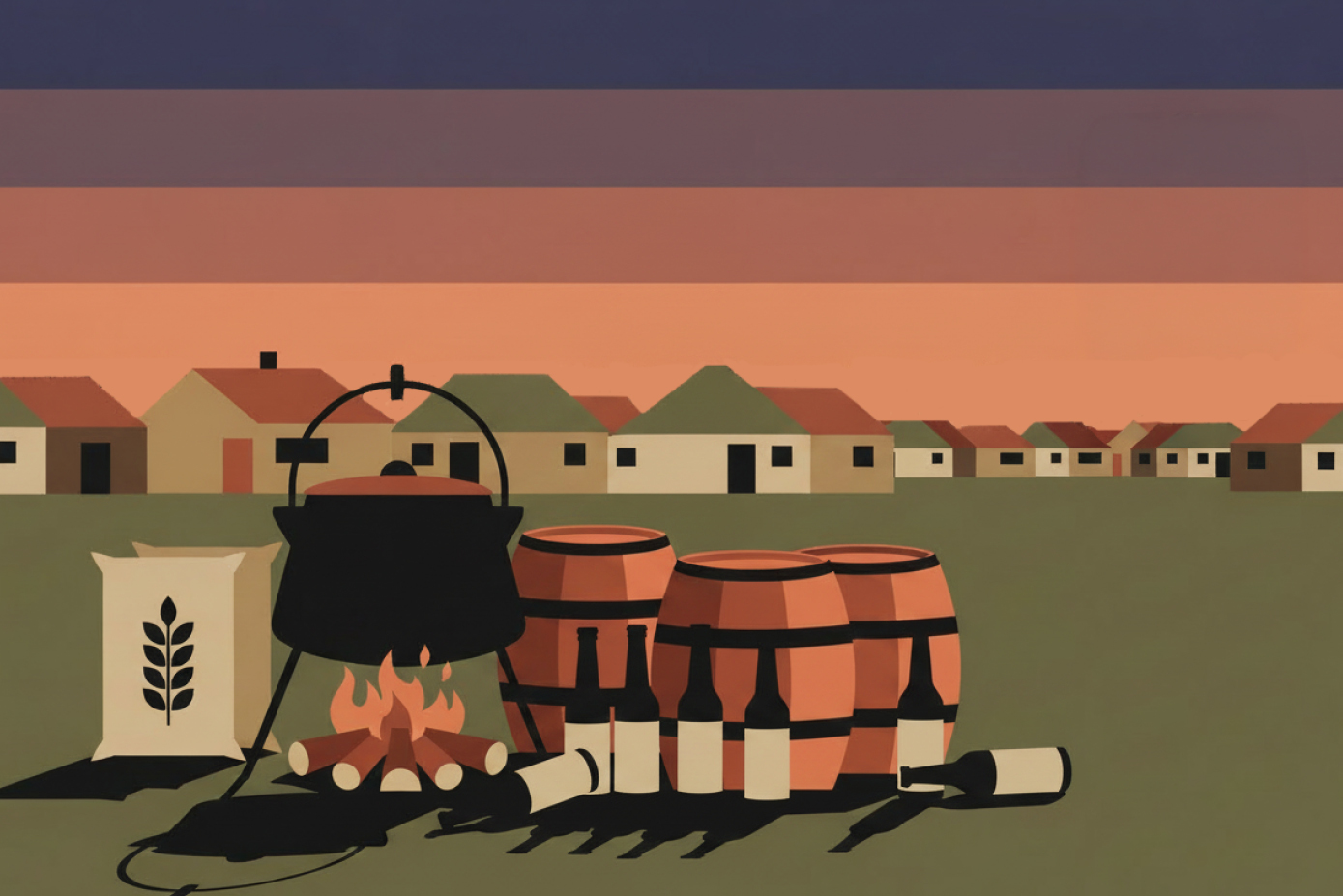
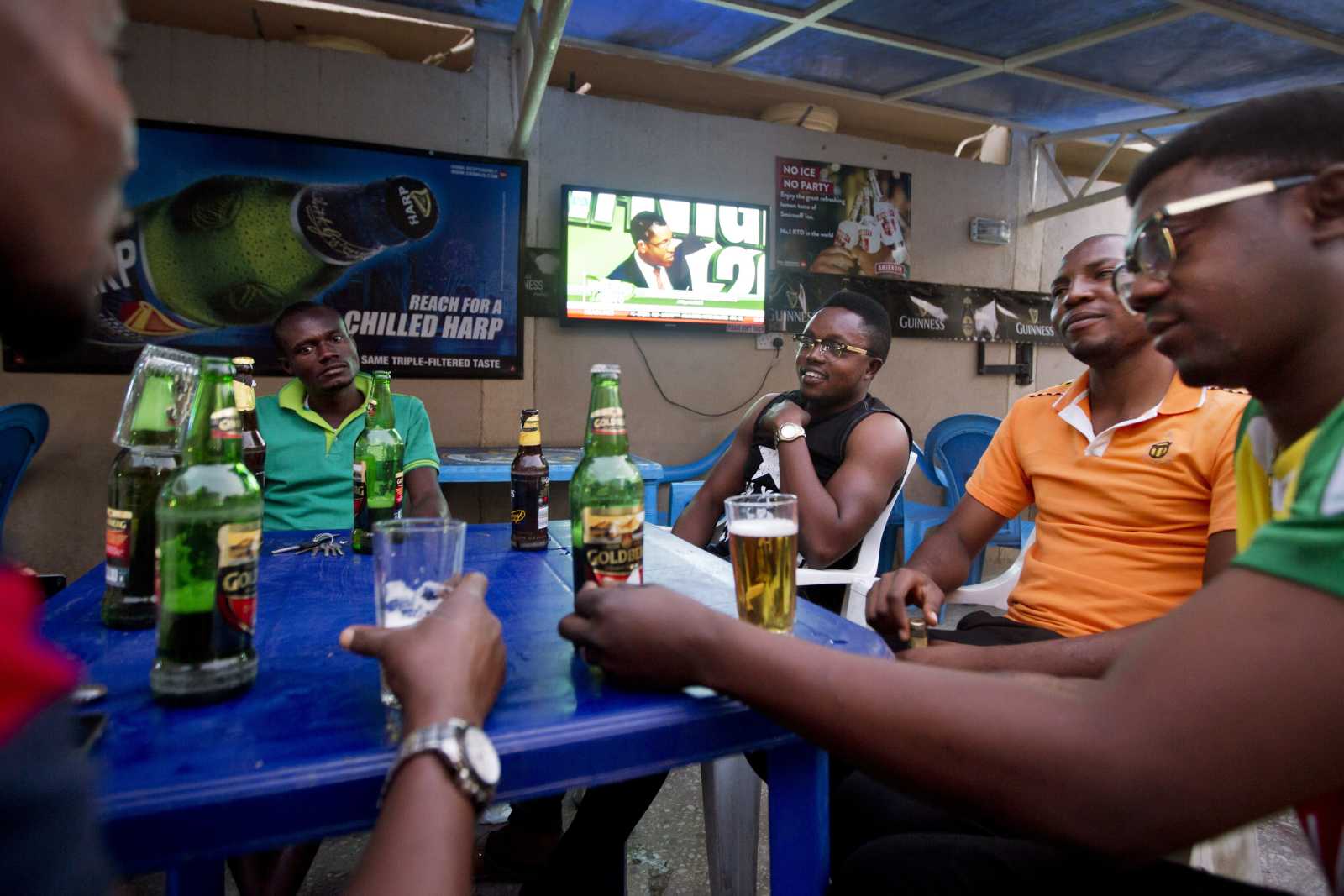
Chang’aa, also known locally by names such as Siko or Number 1, is a distilled alcoholic beverage typically made from corn, millet or other grains. In Kenya, it was illegal for many years until the government legalised the traditional, home-brewed beverage in 2010. Its aim was to put an end to the practices of businesses without licences that added toxic chemicals to the brew to make it stronger. Since chang’aa can be sold at a low price, it is more affordable for consumers in Kakuma with limited financial means than commercially produced spirits. Some refer to the drink as “kill me quick” due to concerns about its potency and potential effects.
Christin Nyadeng is a refugee from South Sudan and has been living in Kakuma for more than 10 years. As a mother of seven children with no formal education, she has limited opportunities to find regular employment. Illegally brewing chang’aa has become one of the few ways for her to earn money to feed her family. “I brew because it allows me to earn enough to feed myself and my children – or even contribute a little to their education,” she says.
But her income is uncertain. Random raids by law enforcement officers can result in her brews being confiscated, leaving Nyadeng without the money she had hoped to earn. In addition, customers sometimes don’t pay.
Joseph Lopir, who has lived in Kakuma for 13 years, is well aware of the challenges faced by residents struggling to make ends meet. He works as a communications officer for the “Solidarity Initiative for Refugees” (SIR) and is also a freelance filmmaker and photographer.
According to Lopir, some residents turn to the production of chang’aa because they need alternative sources of income. The business reportedly yields higher profits than less potent traditional local beverages such as busaa, a thick, porridge-like beer made from grains, often corn or millet. Busaa is consumed in several East African countries, including South Sudan, the Democratic Republic of the Congo, Burundi and Uganda.
Lopir cites unemployment, idleness and stress as factors that can contribute to both brewing and alcohol consumption in the camp. Young people face particular challenges when they have limited access to jobs and few opportunities to build a sustainable livelihood.
Ineffective police operations
It’s a vicious cycle: for some residents, alcohol consumption is linked to the stress caused by difficult living conditions. Others start brewing because they see it as one of the few ways to earn money and escape these difficult circumstances, which, in turn, further fuels the drinking of their desperate neighbours.
That does not mean that every unemployed young person in Kakuma drinks alcohol or is involved in the illegal production of alcohol. However, it is important to understand the broader economic context in which these practices take place.
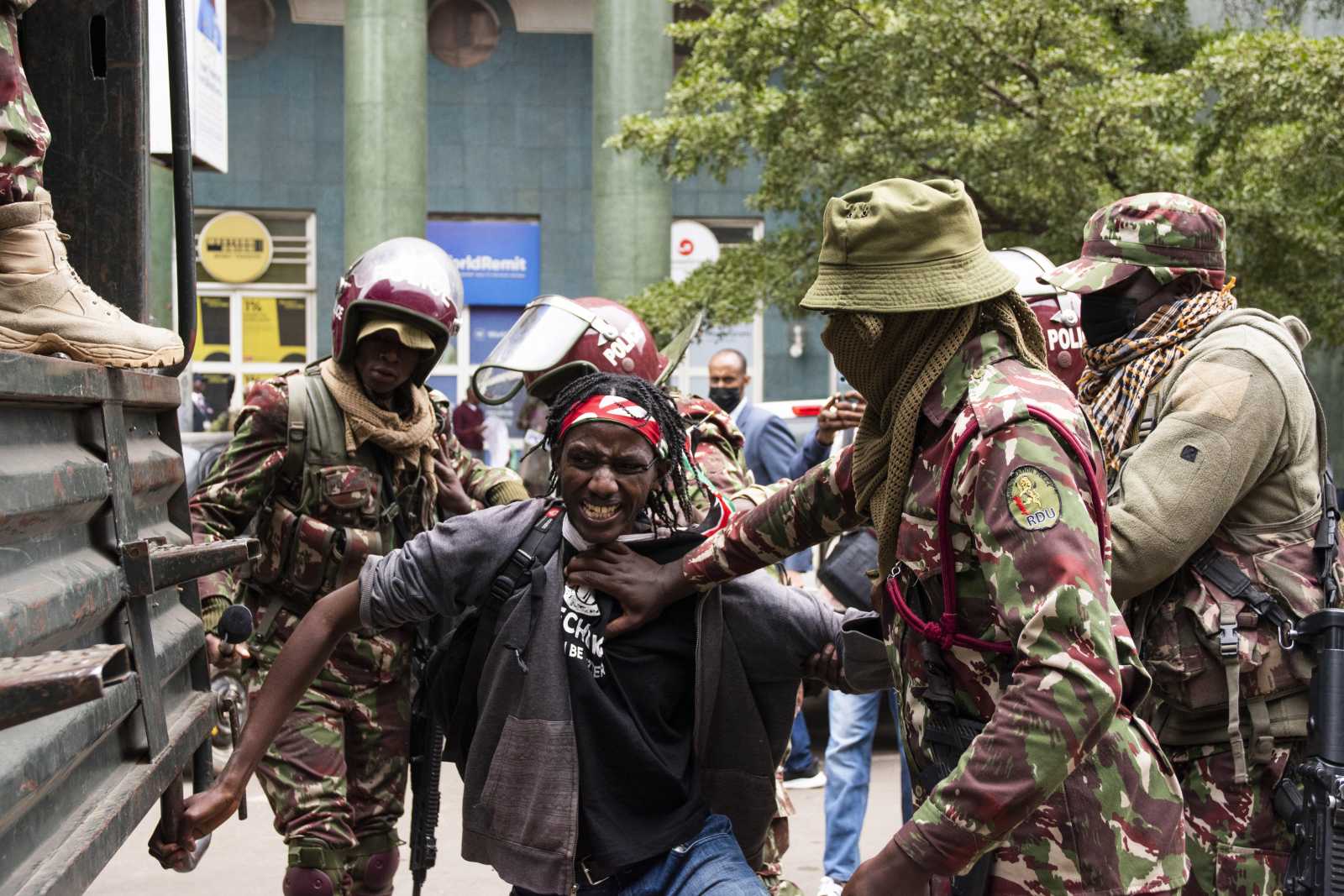
Where legitimate sources of income are scarce, it is not enough to simply tell people to give up their illicit work – that does not address the reasons why they took it up in the first place. Consequently, enforcement of the regulations remains a central part of the problem. According to Lopir, some brewers continue their activities despite warnings from the authorities and occasional raids.
This creates a repeating cycle. The authorities take action against illegal brewing; products may be seized and disposed of, yet the brewers simply resume their activities afterwards. When products are destroyed, they suffer the immediate financial loss. The ongoing disputes lead to frustration on both sides.
Regulation alone is not enough
The ongoing tensions and problems demonstrate why measures can have only a limited impact if the underlying issues regarding livelihood security remain unaddressed.
Any proposal to regulate the production or sale of alcohol, including restricting sales to certain days, would need to be reviewed in light of applicable Kenyan law, public health concerns and the potential impact on the community. A regulation should not be considered a solution without first assessing its feasibility and expected consequences.
Lopir proposes a more comprehensive approach that takes into account regulation, job creation and vocational training. Rather than simply aiming to eradicate illegal brewing, he suggests finding ways to curb this practice while simultaneously addressing the root causes that perpetuate it.
However, especially for young refugees, vocational training alone may not be enough. Lopir points to a lack of support after training, which can result in young people acquiring new skills but having few practical opportunities to apply them.
Access to tools, mentoring, support in starting a business and connections to potential employers could help close this gap. The programmes would also need to address the needs of the local economy, rather than simply offering training without providing a clear path to income.
For households that already make a living from brewing, income support could help make the transition to other occupations more realistic. This would require programmes that address immediate financial needs while also creating longer-term economic opportunities.
Lopir also sees resettlement as a possible path to better future prospects for some refugees. However, this is not an immediate or universally available solution. For most residents, the opportunities available within their current living circumstances remain important.
Alba Nakuwa is a freelance journalist from South Sudan, based in Nairobi.
albanakwa@gmail.com