West Africa
The Sahel cannot find peace


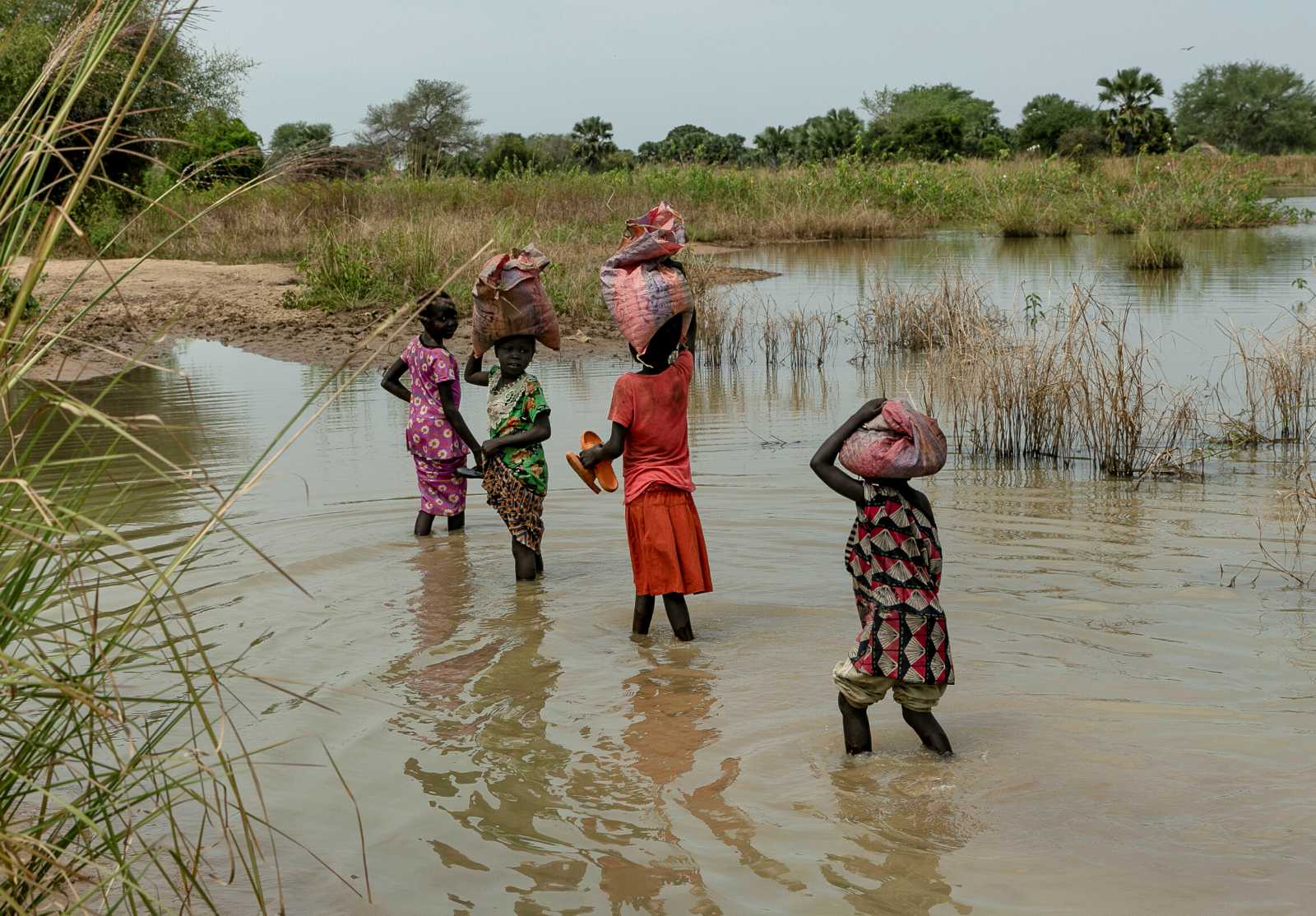
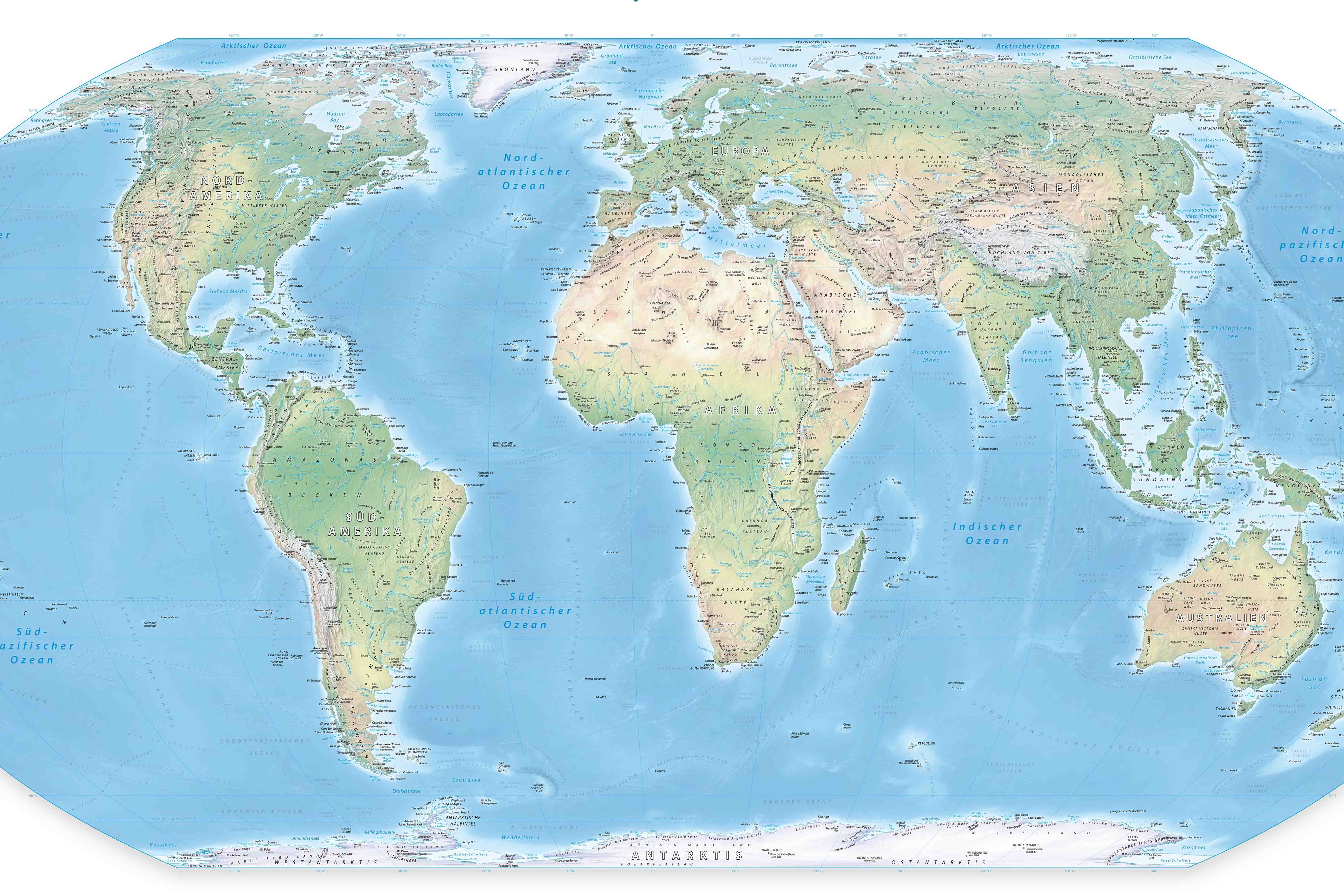
Life in the Sahel zone, which stretches from Senegal to Eritrea, has never been easy. Climate conditions are difficult; there is little fertile land. Since gaining independence in the 1960s, countries in the region have experienced numerous security and humanitarian crises, in which terrorism, economic decline, criminality and the advancing climate crisis have fed into one another.
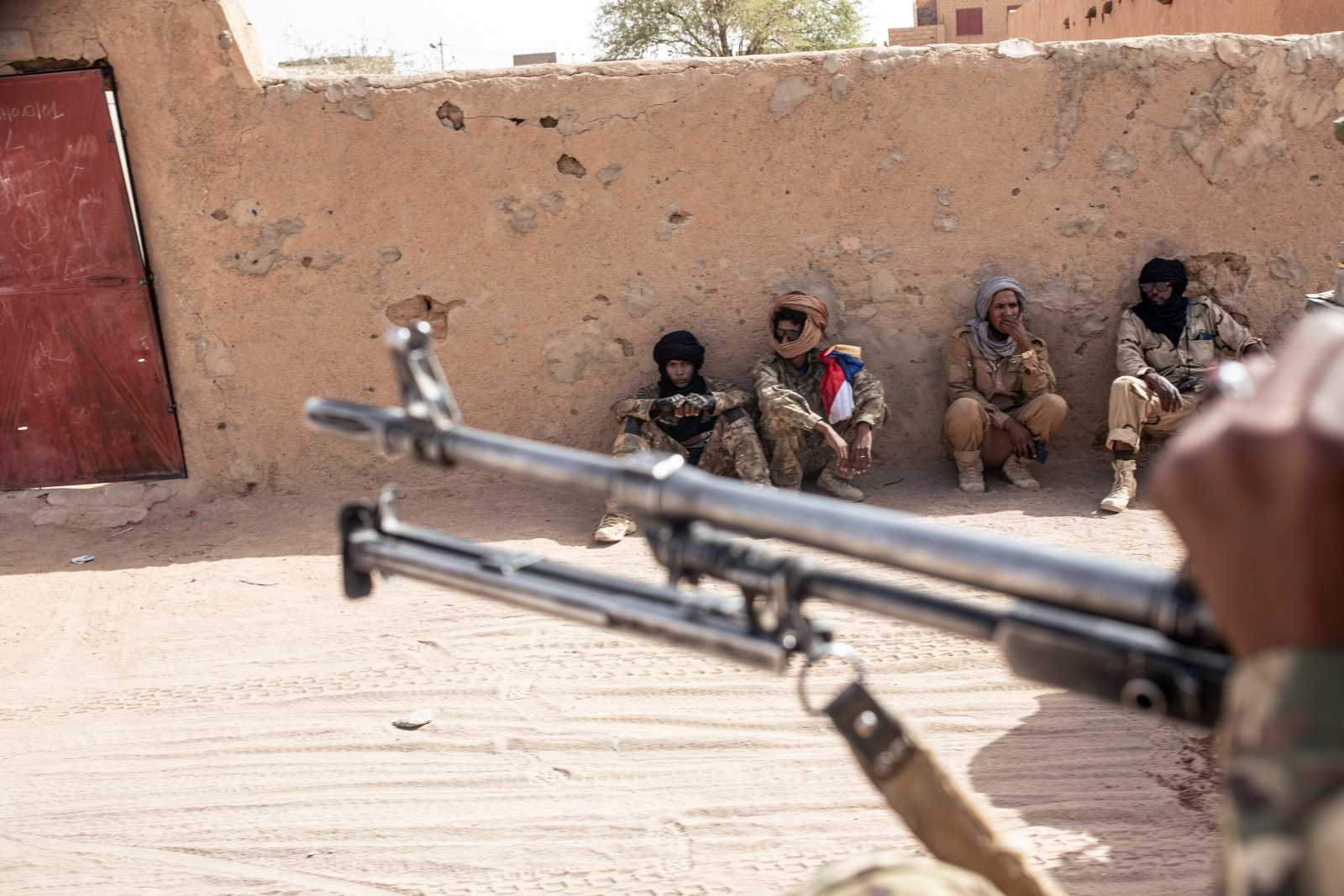
Few events from this part of the world make their way in detail to people on the outside. While many have heard of the unprecedented number of military coups that have taken place in the “coup belt” between Guinea and Sudan since 2020, subsequent developments, in-depth background analyses and the fates of individuals often get lost in international reporting among images of armed men in camouflage racing down dusty roads in pick-up truck beds.
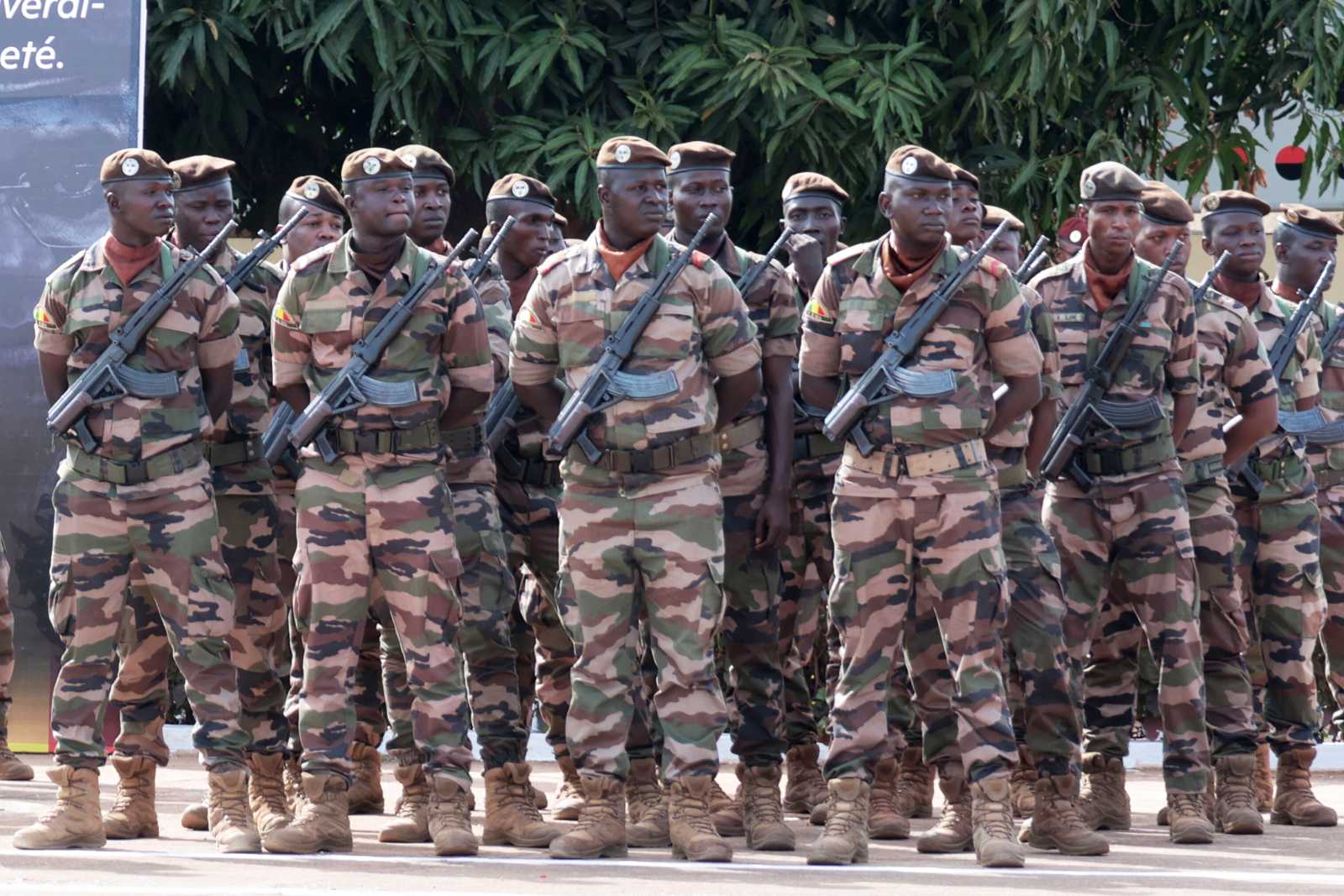
Yet conflicts in the Sahel region have a direct impact on migration and supply chains worldwide, for instance for critical commodities. As Europe continues to lose credibility, Russia and China in particular are expanding their influence here.
Fuel blockade in Mali
Bamako, the capital of Mali, and other cities in the country’s south, for example, have been under a de facto fuel blockade for a year now due to the activities of the jihadist group Jama’at Nusrat al-Islam wal-Muslimin (JNIM), an al-Qaeda offshoot. The approximately 1000 fuel trucks that had reached Bamako as of July 2026 were able to break through the blockade partly because they were escorted by Russia’s “Africa Corps” and, increasingly, by Turkish drones.
Russia is supporting military juntas elsewhere, too, and filling the gap that opened up when anti-colonialist voices against France called for the last French soldiers to return home. At the end of August, a military faction in Niger staged a coup against the ruling junta. Russia claims to have helped end the uprising.
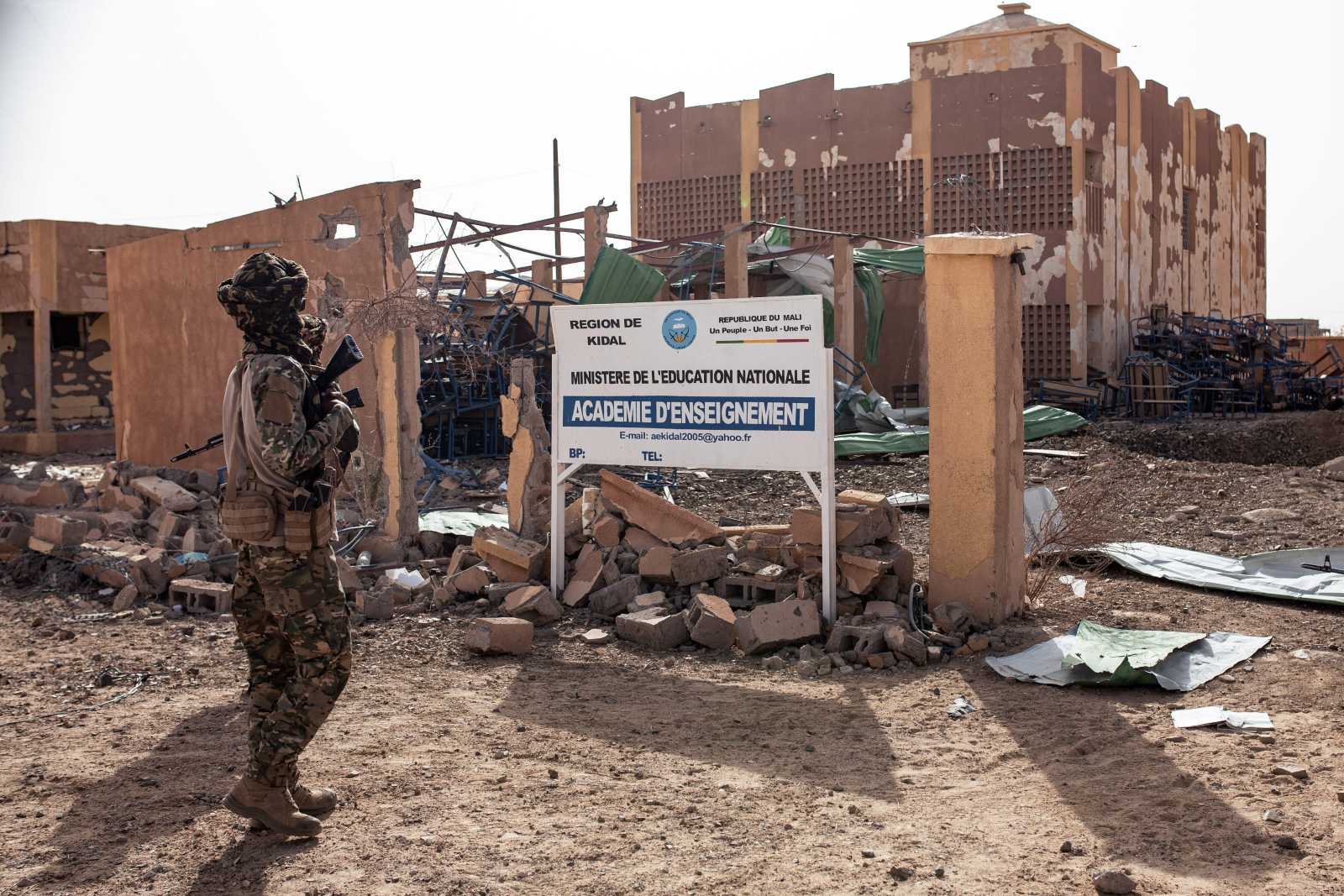
Clearly, however, Russia cannot help military governments from Niger to Burkina Faso keep their promises to provide security and stability. Further unrest is inevitable unless the core problems of the Sahel are tackled by reliable governments that have the welfare of all segments of society in the region at heart.
Katharina Wilhelm Otieno belongs to the editorial team at D+C/E+Z and is based partly in Nairobi.
euz.editor@dandc.eu
This story is part of The 89 Percent Project, an initiative of the global journalism collaboration Covering Climate Now.