Healthcare
In Malawi, funding cuts hold back medical help from above


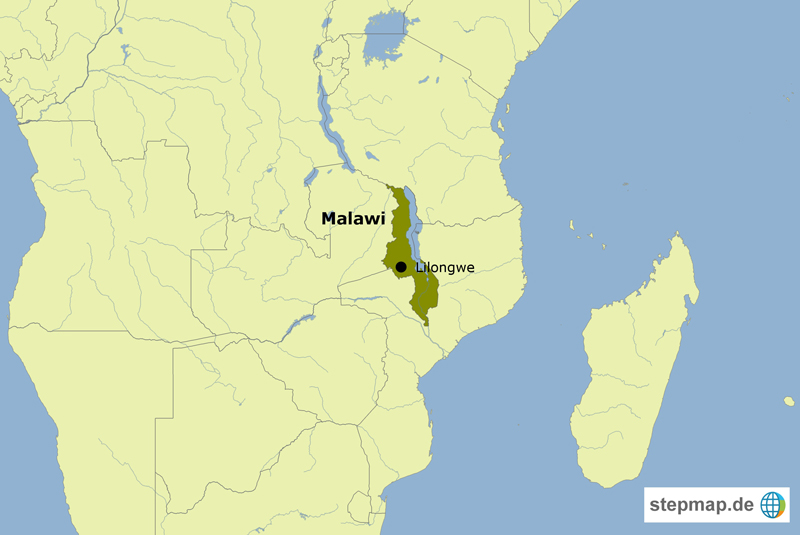
For years, people living around Simlemba Health Centre in central Malawi faced a difficult choice whenever they needed specialised treatment. They either had to take the 71-kilometre trip to Kasungu District Hospital, which many struggled to afford, or wait for medicines and laboratory supplies which could take weeks to arrive. Simlemba Health Centre was designed for around 10,000 people but has to serve far more, making medical shortages more likely.
The situation changed when drones began delivering medical supplies to some of Malawi’s most remote health facilities. The Drone and Data Aid project in Malawi, implemented in 2017 with support from UNICEF, the civil society organisation VillageReach and the Malawi government, offered a faster way for many clinics to receive medicines, laboratory samples and other essential supplies. Patients at Simlemba Health Centre were able to benefit from this initiative.
Drone deliveries strengthen healthcare system
“During this time, patients seeking treatment were no longer referred to Kasungu Hospital unless we had serious cases that we could not manage otherwise,” says Owen Banda, the facility’s officer-in-charge. According to health workers, deliveries arrived on time and shortages became less common. The drones, Banda says, made life easier for both patients and healthcare workers. “Patients didn’t need to travel long distances to seek treatment, and health workers didn’t have to spend time travelling to collect medical supplies by car or motorcycle.”
Today, however, many of those drones are no longer operating.
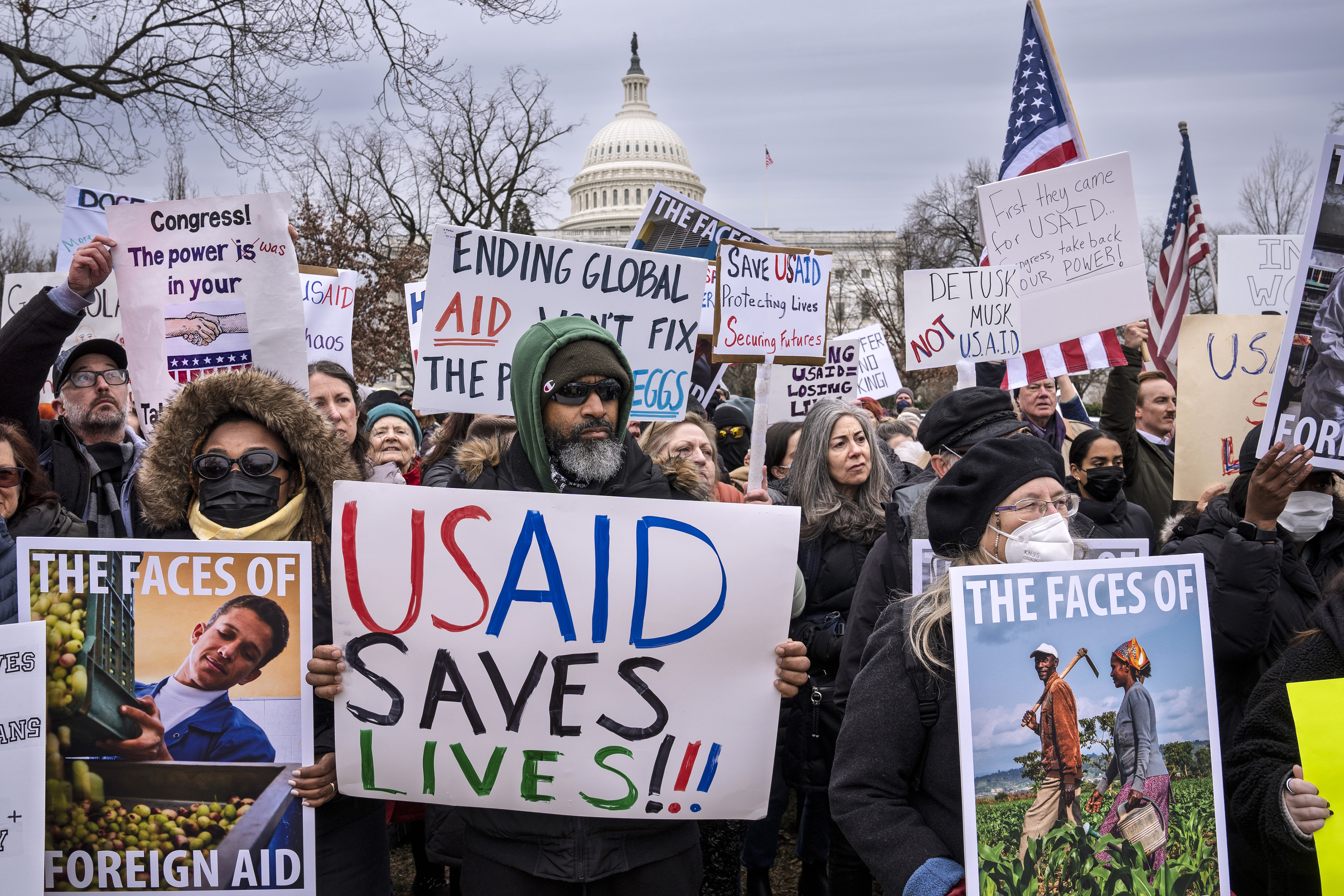
The Drone and Data Aid project relied heavily on donor funding, particularly from USAID. Since the dismantling of the agency in early 2025 and wider cuts, many health programmes across Malawi have struggled to continue operating.
At Simlemba, drone deliveries actually stopped years ago due to earlier funding cuts, Banda explains. Similar experiences are reported elsewhere. “It is now about two years, if not three, since we last used drones to deliver emergency orders,” says Gertrude Magomero from Linyangwa Health Clinic, located about 35 kilometres from Kasungu District Hospital.
Grounded by more than just funding cuts
However, the challenges go beyond funding. Drone operations require infrastructure, trained personnel and long-term planning. Successful pilot projects are often never fully adopted and financed by the government once donor support ends, says David Kamkwamba, executive director of the Network for Journalists Living with HIV. “Our health sector has traditionally relied on external funding,” he says. “My observation has been that such projects come as a relief to a needy government which hardly contributes to their continuity, resulting in failure.”
For people living in remote communities, the consequences are immediate. “With the failure of the project, many people in rural areas have limited access to healthcare services,” says Bridget Ndau, a community midwife assistant at Mankhaka Health Centre in Kasungu District. “Even those referred to district hospitals may not have the transport to reach them. Our roads are bad, and many people, especially pregnant women, either give birth at home or die on the way because they cannot access the services they need.”
For health workers like Ndau, the challenge is clear: funding, infrastructure and local capacity will determine whether drone technology remains a short-lived experiment or becomes a permanent part of healthcare delivery in Malawi’s most isolated communities.
Raphael Mweninguwe is a freelance journalist based in Malawi.
raphael.mweninguwe@hotmail.com