Pakistan
In Wazirabad’s cutlery industry, workers pay with their health


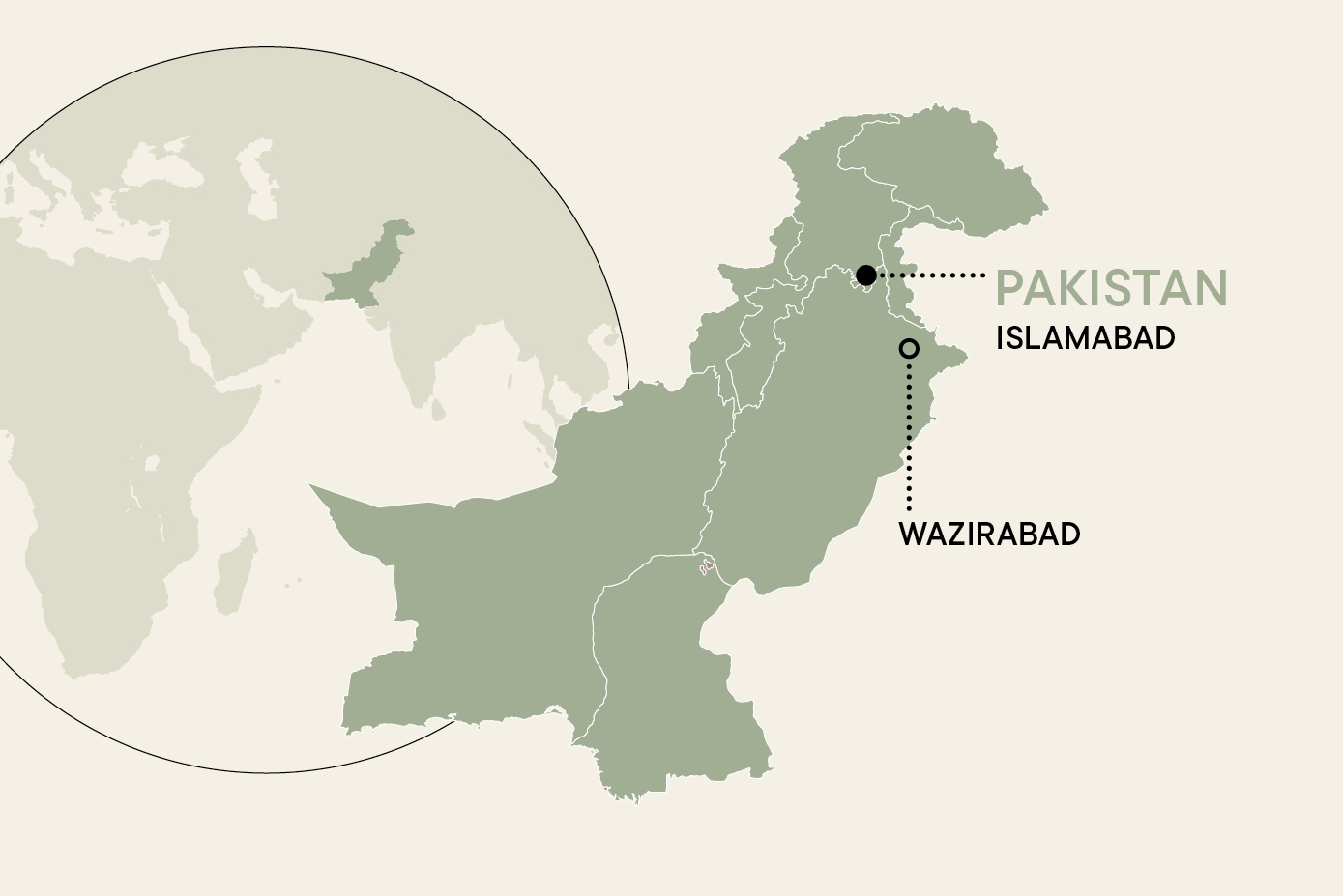
It’s the sound that comes first. Inside a cutlery workshop in Wazirabad in Northern Pakistan, metal and grinding wheels meet with a sharp roar. Sparks rise as workers shape blades. Dust gathers around machines as steel is cut, sharpened and polished. It is a familiar scene in a city where knives and scissors have been forged for generations.
Kamran Auhas has long been a part of that world. “I don’t even need to measure the dies and punches anymore,” he says. “I have been doing this for more than three decades.” Today, he suffers from tuberculosis, recurrent lung infections and severe breathing problems that began years ago. Still, Kamran kept working to earn a living for his family, especially his young sons. “I started wearing a mask,” he says, “but by then it was too late.”
His story comes at a time when Pakistan is trying to increase Wazirabad’s exports. Last April, an International Mail Office opened in the city so manufacturers could send export consignments abroad directly. While authorities focus on expanding the industry, the experiences of workers like Kamran raise another question: what do decades of production mean for the people behind the machines?
Working in the dust
Wazirabad is one of Pakistan’s main cutlery centres. Government figures from 2023 described around 800 production units employing more than 20,000 people. Cutting, grinding and polishing metal can release fine airborne particles. Sajjad Naser, a pulmonologist in Islamabad, says long-term exposure to occupational dusts without adequate protection can contribute to serious respiratory problems.
Studies of Wazirabad workers point in a similar direction. Research involving 270 cutlery workers reported coughing as well as eye and skin problems among employees exposed to metallic dust. Another study found changes in several blood indices and serum proteins among those exposed to multi-metallic dust, recommending the implementation of industry-specific protective equipment. These findings may not confirm that Kamran’s tuberculosis was caused by his work, but they add to concerns about the respiratory risks of years spent in dusty industrial environments.
When risks happen in seconds
Yet not every harm develops over decades. Arif, another worker, remembers the day acid spilled on the hand of his colleague Abdullah while he washed cutlery. “All the workers gathered and took him to hospital,” Arif says. Abdullah later received treatment in Gujranwala, a big town a little further south, he says, but the burns were so severe that his hand never healed completely.
Arif says workers at the time had little awareness of how to handle such dangerous materials safely. For craftsmen who depend on their hands and lungs to earn a living, an accident or long-term illness can quickly become a family problem too. When the work stops, he says, income can disappear just as medical expenses begin to rise.
Wazirabad’s cutlery industry has given the city a proud identity and continues to do so. But Kamran’s compromised breathing and Abdullah’s injured hand point to another measure of the industry’s future: whether its famous products can be manufactured without sacrificing workers’ health, their lives and those of their families.
Aqsa Younas is an international journalist and social activist based in Pakistan.
aqsayounas666@gmail.com