Legal assistance
How paralegals confront Kenya’s “killer cops”


For people living in Kenya’s informal settlements, encounters with the police are often marked by fear. During curfews, protests and security operations, officers frequently move in with overwhelming violence. They break into homes, fire live rounds and leave casualties behind. “My brother surrendered, but the police shot him three times anyway,” Nairobi resident Perpetua Kariuki told the Institute for War and Peace Reporting. He says that “killer cops”, as some people call them, are well known in his community. “Everybody is scared of them.
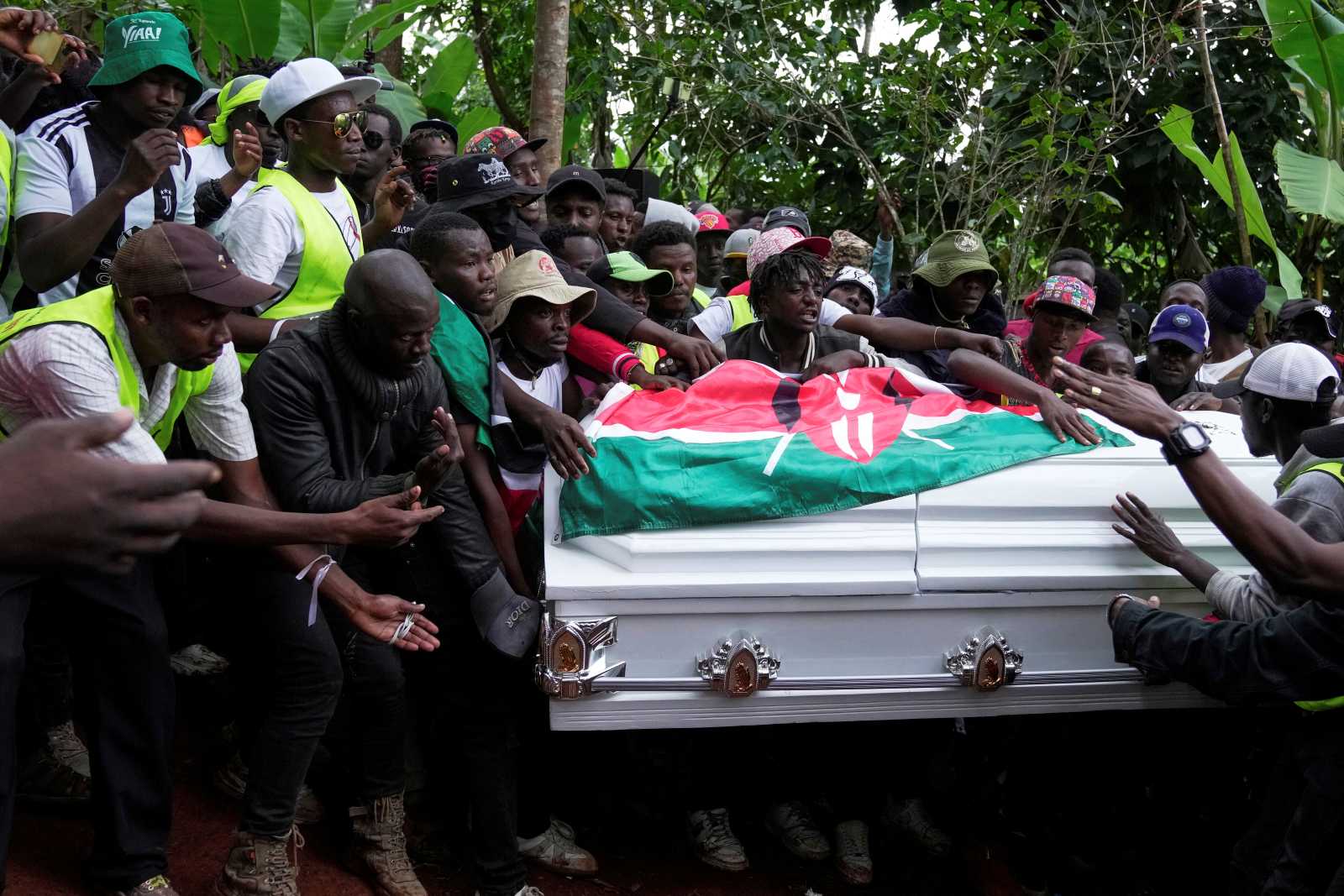
Such incidents are becoming increasingly common in neighbourhoods such as Mathare, Dandora and Kariobangi. Human Rights Watch has repeatedly reported excessive and sometimes lethal force by police against residents of informal settlements. Kenya’s Independent Policing Oversight Authority (IPOA) has confirmed dozens of killings in similar operations since 2020.
These abuses have fuelled fear and mistrust of authorities, discouraging people from viewing the police and therefore also the state in a positive light. To fill the gap, rights groups and community initiatives now work to shield residents from abuse, offering social support, legal aid and documentation services free of charge.
An alternative system for protection and justice
Across Nairobi’s informal settlements, mediators, paralegals and legal-aid clinics aim to prevent conflict before it escalates. They resolve disputes, record abuses and connect victims to pro bono lawyers and oversight bodies. “We acknowledge that paralegals play an integral role in promoting access to justice for the indigent and marginalised persons,” said Damaris Kemunto, programme officer at the International Commission of Jurists (ICJ) Kenya. The organisation has supported training and coordination to strengthen community legal services.
Groups such as the Kariobangi Paralegal Network train residents to handle minor disputes and to compile witness statements and evidence. The Social Justice Centres Working Group, which coordinates several settlement-based initiatives, has pushed for formal links between mediators and police oversight bodies to ensure that complaints reach investigators.
Still, serious challenges remain. Oversight bodies can be slow to investigate. Kenya’s lawyers’ association has accused IPOA of responding only under public pressure and lacking transparency in handling brutality complaints. Many victims face long delays and receive no compensation because the state fund for victims remains inactive.
For residents, the work of NGOs and paralegals offers practical relief, even if it cannot replace comprehensive police reform. Yet rights groups and settlement leaders are showing that alternative, community-centred models can reduce harm by preventing conflict, documenting abuses and connecting victims to justice.
Jospeh Maina is a freelance writer based in Naivasha, Kenya.
mainajoseph166@gmail.com