Inequality in numbers
Rich and poor – the extreme distribution of income and wealth worldwide


Globally, men own $ 105 trillion more wealth than women. (5)
20.3 % of global income goes to the richest one percent of the world’s population. The poorer half receives less than nine percent. (1)
More than a quarter of national income goes to one percent of the population in some countries, including Peru, Angola and Bahrain. (1)
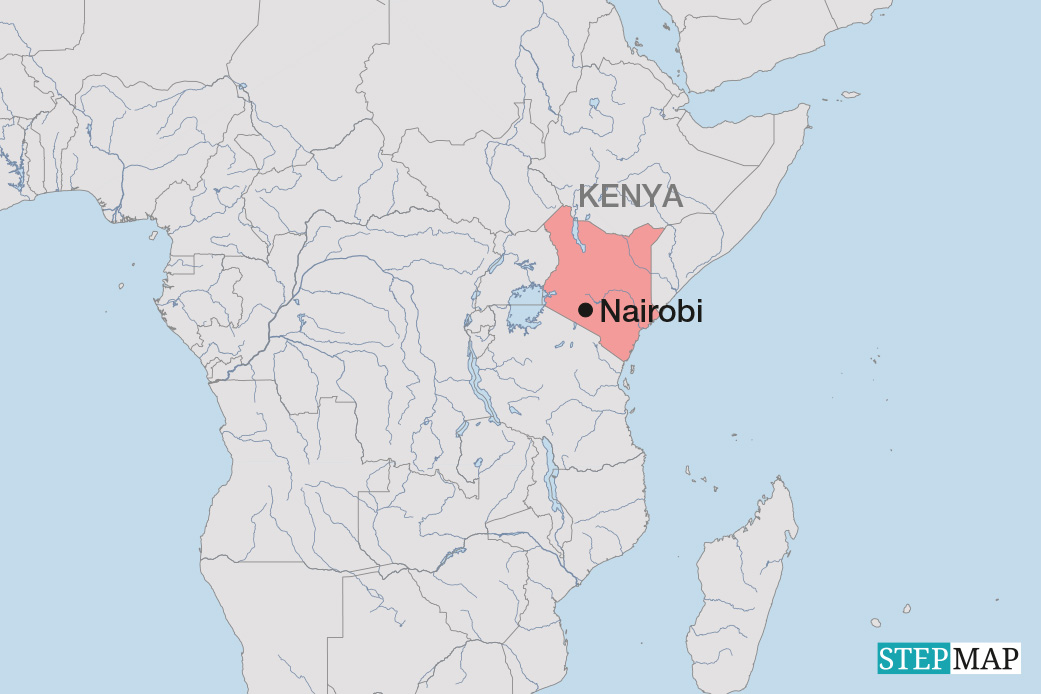
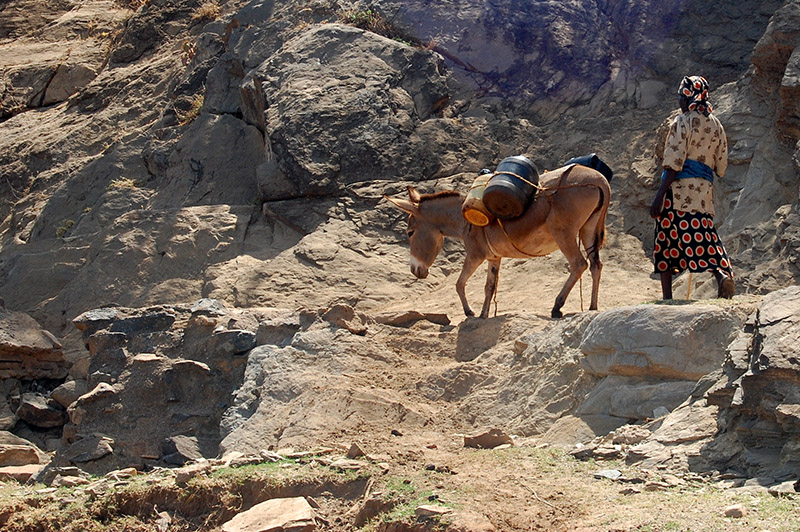
$ 6675 was the average per capita income in sub-Saharan Africa in 2024. The global figure was $ 21,852. In North America, it was $ 65,829. (3)
More than 36 % of global personal wealth belongs to the richest one percent of people. The poorer half of the world’s population is left with two percent. In the Russia and Central Asia region, the richest one percent owns more than 45 % of the personal wealth. (2)
More than 54 % of the personal wealth is held by the richest one percent of the population in South Africa, one of the countries with the greatest wealth inequality. (2)
More than 1200 new billionaires emerged worldwide between 2015 and 2025. (4)
More than 3.7 billion people live below the poverty line of $ 8.30 per day. (6)
At least $ 33.9 trillion is the amount the richest one percent have gained in wealth in real terms since 2015 (adjusted for inflation). This would be enough to end annual global poverty 22 times over, based on the poverty line of $ 8.30
per day. (4)
Sources
- World Inequality Database, pre-tax national income (PPP). Figures refer to 2023.
- World Inequality Database, net personal wealth (PPP). Figures refer to 2023.
- World Inequality Database, national income, total population (PPP).
Conversion from euros to dollars based on the average exchange rate for 2024 (€ 1 = $ 1.0822; exchange-rates.org). - Oxfam, 2025: From private profit to public power. Financing development, not oligarchy.
- Oxfam, 2024: Inequality Inc. How corporate power divides our world and the need for a new era of public action.
- World Bank 2025: Poverty & Inequality Platform. Accessed 23 October 2025.
D+C editorial team
euz.editor@dandc.eu